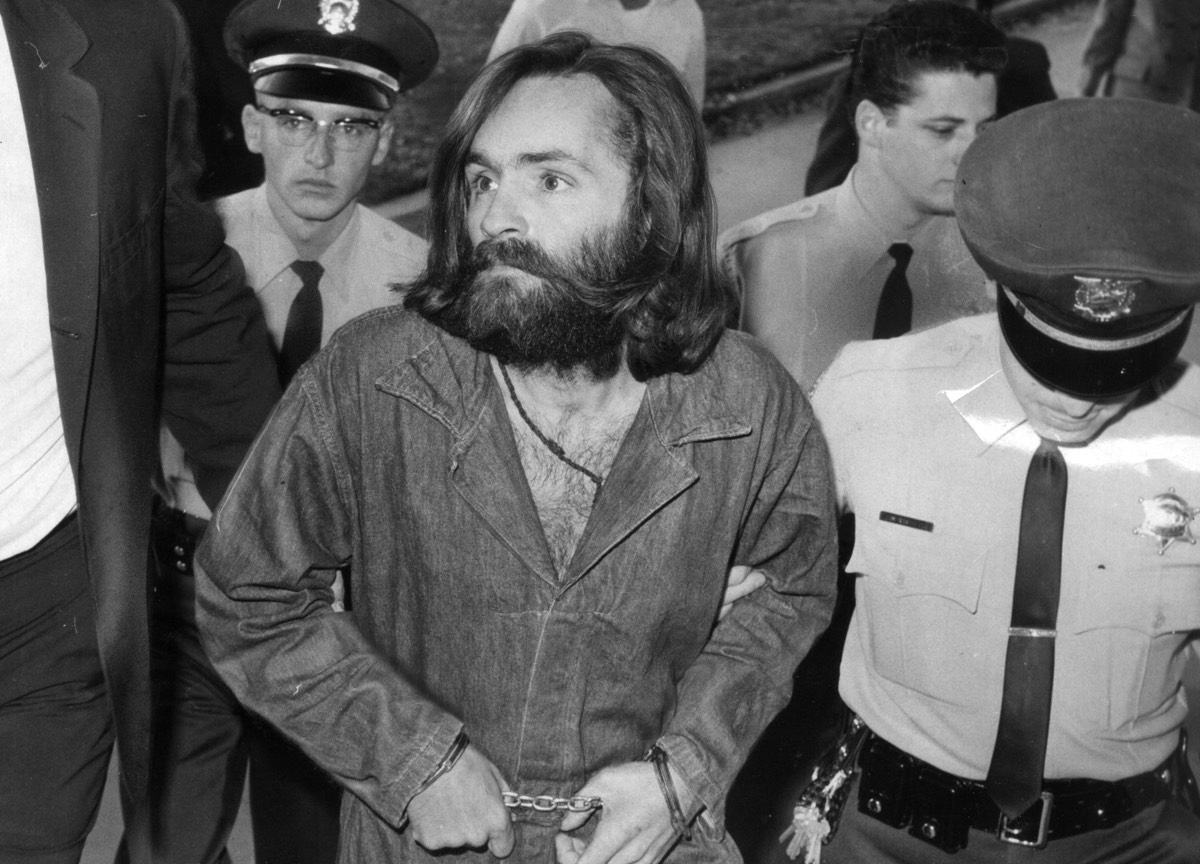
An American cult leader is a charismatic individual who exerts absolute authority and undue influence over a group, often utilizing religious, political, or self-improvement ideologies to exploit followers. These figures typically employ sophisticated psychological manipulation, isolation, and emotional coercion to maintain control, frequently leading to significant social, legal, or physical harm for their members.
Defining the American Cult Leader in a Modern Context
As of 2026, the study of high-control groups and their architects has evolved from a purely sociological interest into a critical intersection of forensic psychology, law, and national security. An American cult leader is not defined by the specific beliefs they preach, but rather by the structure of power they build and the methods they use to sustain it. While the United States prioritizes religious freedom under the First Amendment, the legal distinction between a "faith leader" and a "cult leader" often hinges on the presence of criminal activity, financial exploitation, or the systematic stripping of individual agency.
The "American" aspect of this phenomenon is unique due to the country’s history of religious pluralism, the "rugged individualism" of its culture, and the proliferation of "New Age" and self-help movements. These cultural factors provide a fertile ground for charismatic figures to present themselves as outsiders or revolutionary thinkers who offer a sense of community that traditional institutions may fail to provide. In the 2020s, the definition has expanded to include leaders of "digital cults" and corporate-structured high-control groups, where the leader’s presence is maintained through algorithmic reach and virtual echo chambers.
The Psychological Profile: Shared Traits of Cultic Leaders
The American cult leader rarely fits a single archetype, but psychological research consistently identifies a cluster of traits associated with Dark Tetrad personalities: narcissism, Machiavellianism, psychopathy, and everyday sadism. Understanding these traits is essential for recognizing how these individuals successfully subvert the willpower of otherwise rational people.
Grandiosity and the Messiah Complex
The core of the cult leader’s persona is an unshakable belief in their own unique importance or divine mission. This is often termed a "messiah complex." The leader positions themselves as the sole source of truth, claiming to have "decoded" the universe, received a direct revelation from a deity, or developed a secret technology for human potential. This grandiosity serves as a vacuum, sucking in individuals who are searching for meaning or a sense of belonging.
Pathological Manipulation
Manipulation is the primary tool of the cult leader. Unlike a typical authoritarian leader who might rule through physical force, the cult leader rules through psychological restructuring. They utilize "love bombing"—the practice of showering new recruits with intense affection and validation—to create an immediate emotional bond. Once the bond is established, the leader pivots to "gaslighting," causing the follower to doubt their own perceptions, memories, and sanity, thereby making them entirely dependent on the leader’s interpretation of reality.
Lack of Empathy and Exploitation
To the cult leader, followers are not individuals but resources to be consumed. This "narcissistic supply" provides the leader with wealth, sexual access, labor, and ego-validation. The leader views the suffering of their followers as a necessary part of their "growth" or as a sign of their lack of commitment to the cause. This callousness is what allows the leader to order acts of violence or self-destruction without remorse.
Historical Case Studies: Architects of Influence
The history of the United States is marked by several prominent figures who defined the public's understanding of cultic leadership. Examining these individuals provides a roadmap of the dangers inherent in unchecked charismatic authority.
Jim Jones and the Peoples Temple
Jim Jones is perhaps the most infamous example of a leader who transitioned from a social justice advocate to a mass murderer. Initially, the Peoples Temple was lauded for its racial integration and social programs in Indianapolis and San Francisco. However, Jones’s need for total control led him to relocate his followers to Jonestown, Guyana.
Jones utilized "apostolic socialism" to blend religious fervor with political ideology, making it difficult for critics to attack him without appearing to attack civil rights. On November 18, 1978, his paranoia culminated in the death of over 900 people through forced suicide and murder. Jones’s legacy serves as a warning that cultic leadership can wear the mask of altruism. The FBI's historical records on Jonestown provide extensive documentation of the events leading to the tragedy.
David Koresh and the Branch Davidians
In the early 1990s, David Koresh (born Vernon Howell) took control of a Seventh-day Adventist splinter group at Mount Carmel Center near Waco, Texas. Koresh claimed to be the final prophet, the "Lamb" mentioned in the Book of Revelation. His leadership was characterized by a heavy emphasis on apocalyptic biblical interpretation and the stockpiling of weapons in preparation for an inevitable confrontation with the "forces of Babylon" (the U.S. government).
The 51-day siege in 1993, which ended in a fire that killed 76 people, highlighted the volatile nature of cult leaders who believe they are protagonists in an end-times narrative. Koresh’s ability to memorize and weaponize scripture allowed him to maintain a psychological grip on his followers that survived even the intense pressure of a federal standoff.
Charles Manson and the Manson Family
Charles Manson represents the "counterculture" cult leader. He did not run a formal church but instead led a group of young followers in a communal lifestyle fueled by drug use and Manson’s idiosyncratic interpretations of pop culture, such as the music of the Beatles. Manson preached an impending racial war he called "Helter Skelter," and he directed his followers to commit a series of brutal murders in 1969 to trigger this conflict. Manson’s power lay in his ability to target vulnerable, middle-class youth who were disillusioned with society, demonstrating that cultic influence does not require a religious framework.
Marshall Applewhite and Heaven's Gate
Marshall Applewhite co-founded Heaven’s Gate, a group that blended Christian eschatology with science fiction. Applewhite convinced 38 followers that they needed to "exit" their human "containers" to board a spacecraft following the Hale-Bopp comet in 1997. Unlike Jones or Koresh, Applewhite’s leadership was not overtly violent toward the outside world; instead, it was a slow, methodical process of asceticism and mental conditioning that resulted in a mass suicide. Applewhite’s case is a study in the "intellectual" cult leader, who uses logic-based systems and technological metaphors to bypass the critical thinking of educated individuals.
Mechanics of Control: How Leaders Maintain Authority
A cult leader does not maintain power through charisma alone. There is a "technology of influence" consisting of specific operational tactics designed to break down the individual's identity and replace it with a persona loyal to the leader.
- Isolation (Social and Physical): The leader encourages or mandates that followers cut ties with "non-believers," including family and friends. This creates a feedback loop where the follower only hears the leader's perspective.
- Information Control: Access to outside news, internet, or books is restricted. If information is allowed, it is filtered through the leader’s interpretation. In 2026, this often takes the form of curated social media feeds and "private" communication apps.
- Language Loading: The group develops a jargon that simplifies complex thoughts into "thought-terminating clichés." This prevents deep analysis and makes it difficult for followers to communicate their doubts to outsiders.
- Financial Dependency: Followers are often required to sign over assets, pay exorbitant fees for "training," or work for the organization for little to no pay. This "sunk cost" makes it psychologically and practically difficult to leave.
- Confession and Shaming: Members are forced to confess their "sins" or "weaknesses" to the leader or the group. This information is then used as blackmail or for public shaming to keep the individual submissive.
Comparative Analysis of Major American Cult Leaders
The following table compares the ideologies and outcomes of prominent cult leaders to illustrate the diversity of their methods.
| Leader | Group Name | Primary Ideology | Recruitment Method | Ultimate Outcome |
|---|---|---|---|---|
| Jim Jones | Peoples Temple | Apostolic Socialism | Social Justice/Integration | 918 deaths (Mass Suicide/Murder) |
| David Koresh | Branch Davidians | Apocalyptic Christianity | Biblical Prophecy | 76 deaths (Siege/Fire) |
| Charles Manson | Manson Family | "Helter Skelter" / Race War | Counterculture Communalism | Multiple Murders/Life Imprisonment |
| Marshall Applewhite | Heaven's Gate | UFO-logy / Asceticism | Intellectual Seekerism | 39 deaths (Mass Suicide) |
| Keith Raniere | NXIVM | Executive Success/Self-Help | Multilevel Marketing | 120-year Prison Sentence |
The Legal and Social Landscape in 2026
As of 2026, the American legal system faces new challenges in addressing cultic leadership. The rise of decentralized cults—where a leader may never physically meet their followers but exerts influence through digital platforms—has complicated traditional law enforcement responses.
The Department of Justice (DOJ) and the FBI have increasingly utilized "sex trafficking" and "racketeering" (RICO) statutes to prosecute cult leaders, as seen in the landmark case against Keith Raniere of NXIVM. These statutes allow prosecutors to look at the "pattern of activity" rather than trying to disprove the leader’s religious claims, which are protected by the Constitution.
Furthermore, the "Anti-Cult" movement has shifted toward "Exit Counseling" rather than "Deprogramming." Deprogramming, which often involved involuntary kidnapping, was largely discredited and declared illegal in the late 20th century. Modern exit counseling focuses on voluntary cognitive therapy to help individuals identify the techniques of undue influence used against them. Information on these legal frameworks can be found through the Department of Justice’s official archives.
Identifying Warning Signs of Cultic Leadership
Recognizing a cult leader before total immersion occurs is the most effective way to prevent harm. Experts in cultic studies, such as those at the International Cultic Studies Association (ICSA), point to several "red flags" in a leader's behavior:
- Excessive Admiration: The leader demands constant praise and is treated as infallible.
- Lack of Accountability: The leader is not answerable to any board of directors, elders, or legal authorities. They are "above the law" (both moral and civil).
- Hyper-Sensitivity to Criticism: Any questioning of the leader’s methods or character is framed as an "attack" from an enemy or a sign of the follower's "spiritual impurity."
- Sexual Exploitation: The leader claims special "dispensations" that allow them to have sexual access to followers, often under the guise of "healing" or "sacred duty."
- Economic Exploitation: The leader lives in luxury while the followers live in poverty or give up significant portions of their income to support the leader's lifestyle.
Frequently Asked Questions
What is the difference between a cult leader and a charismatic religious leader?
The primary difference lies in accountability and transparency. A charismatic religious leader typically operates within a tradition, is accountable to a governing body or a set of established laws, and allows members the freedom to leave without harassment or loss of family ties. A cult leader demands total devotion to themselves personally and punishes dissent or departure.
Why do people join groups led by such individuals?
People join cults not because they are "weak-minded," but because they are often in a state of transition or vulnerability (e.g., after a job loss, divorce, or relocation). The leader offers a simplified world-view, a sense of belonging, and a promise of self-improvement that appeals to universal human needs.
Can a cult leader be "cured" or rehabilitated?
Psychological consensus suggests that leaders with severe narcissistic or antisocial personality disorders are extremely resistant to treatment because they do not believe anything is wrong with them. Rehabilitation for the followers is common, but for the leader, the focus of the legal system is typically on containment and the prevention of further harm.
Is it illegal to be a cult leader in the U.S.?
No, being a cult leader is not a crime in itself due to the First Amendment. However, the actions often associated with cult leadership—such as fraud, assault, kidnapping, tax evasion, and labor law violations—are illegal. Prosecutors focus on these specific crimes to bring leaders to justice.
How has the internet changed the way cult leaders operate?
The internet allows leaders to recruit globally and maintain control 24/7 through smartphones. It also allows for "fragmented" cults where followers may remain in their own homes but are psychologically isolated through their digital consumption, making it harder for family members to notice the change in behavior.
Practical Recommendations and Next Actions
If you suspect that a friend or family member is under the influence of a cultic leader, the most important action is to maintain a non-judgmental connection. Cult leaders rely on the follower feeling alienated from their "old life." By remaining a calm, consistent link to the outside world, you provide a "safe harbor" for when the follower eventually begins to doubt the leader.
For those seeking to understand more about the psychology of influence, the American Psychological Association (APA) offers resources on the mechanisms of social influence and persuasion. If you are concerned about immediate physical safety or criminal activity within a group, contact your local law enforcement or the FBI’s Tip Line. Understanding the history and tactics of the American cult leader is the first step in neutralizing the power they hold over the vulnerable.