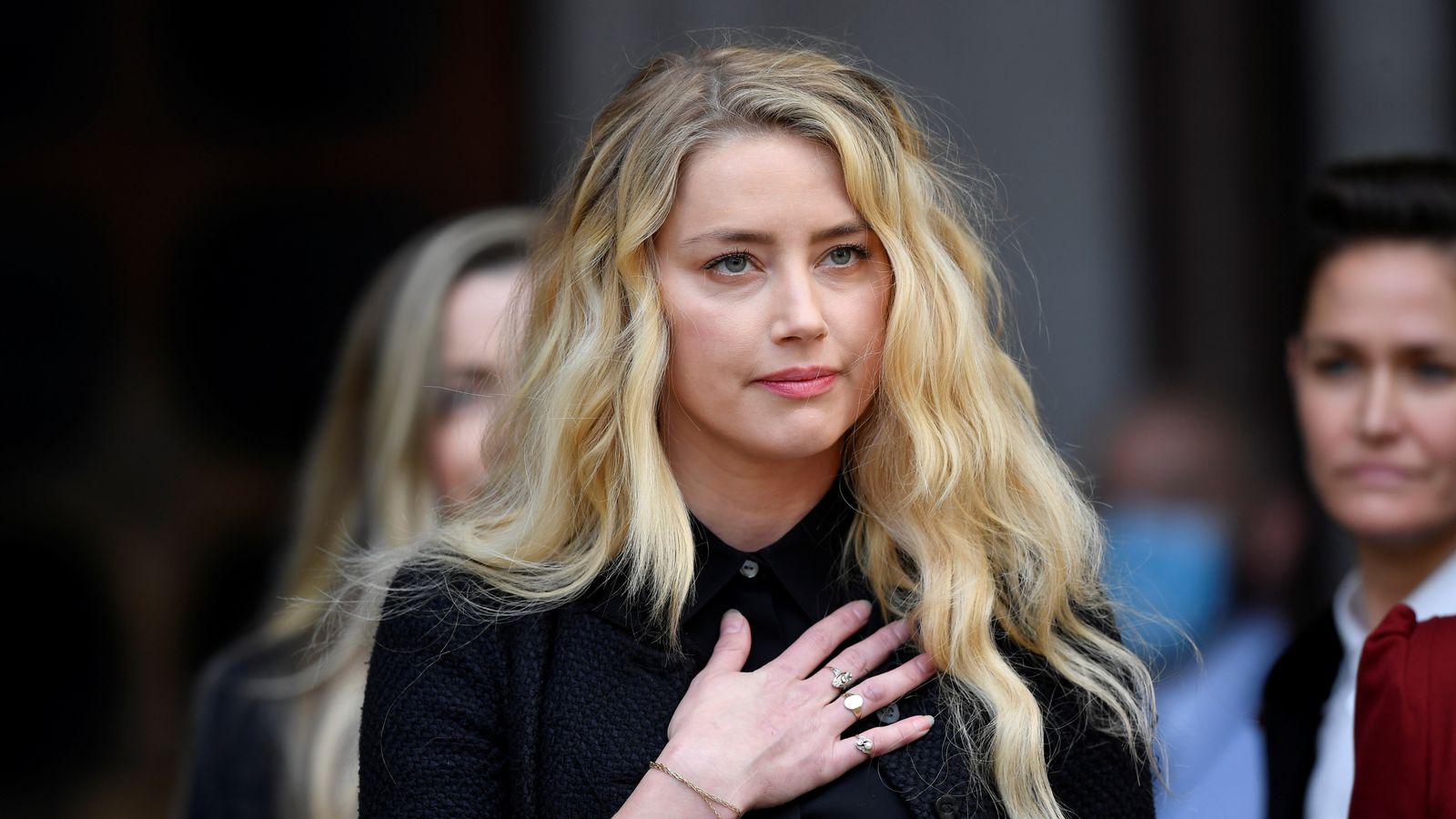
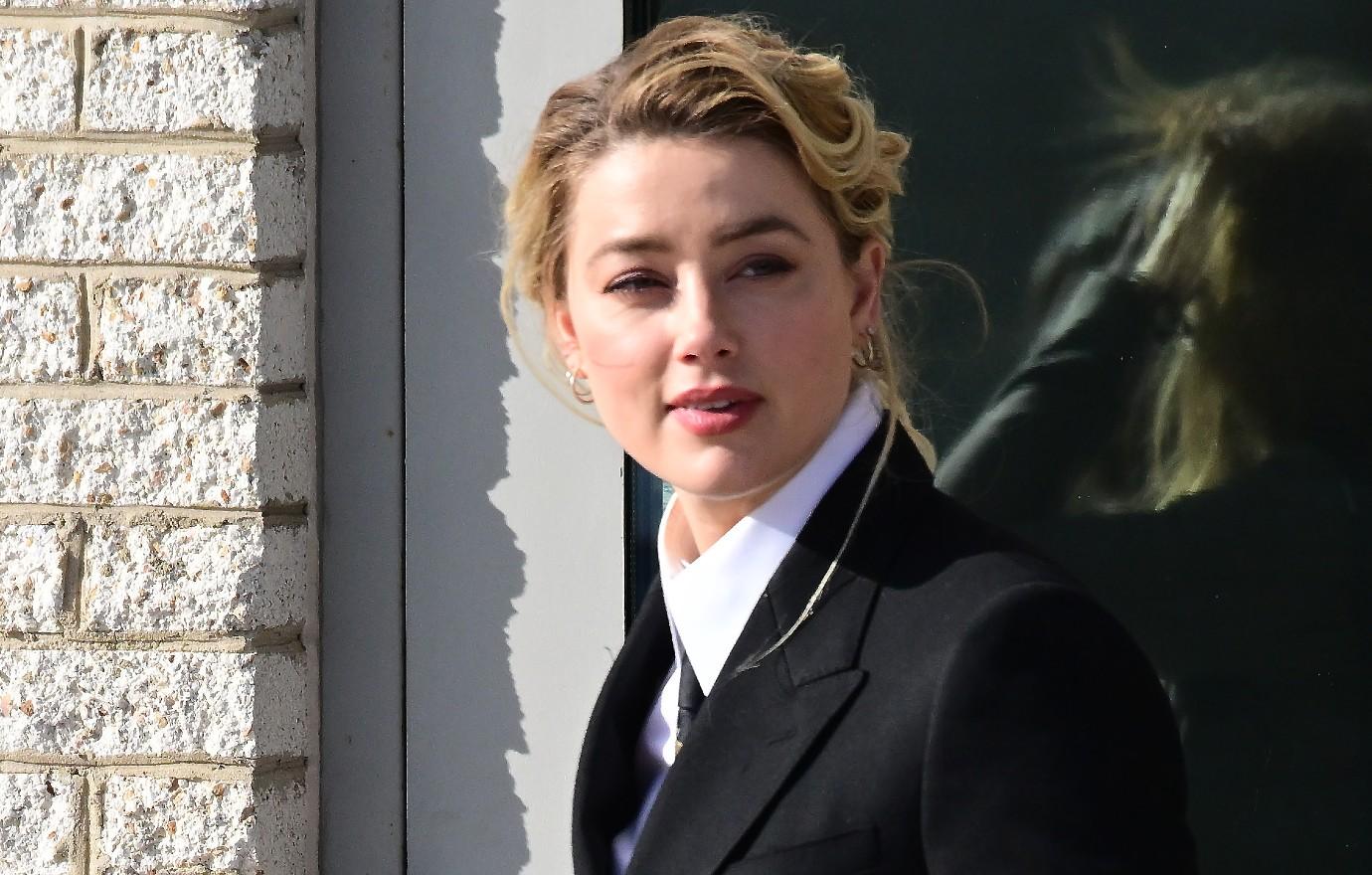
The assertion that Amber Heard is a "liar" gained significant global traction following the 2022 Virginia defamation trial, where a jury found her liable for defaming Johnny Depp. This conclusion was largely based on evidence that contradicted her testimony regarding domestic abuse, specifically regarding the 2018 Washington Post op-ed she authored. While Heard maintains her allegations, the legal findings and documented inconsistencies in her statements remain the focal point of public and legal debate.
The Genesis of the Credibility Dispute: The 2022 Virginia Trial
The legal battle between Johnny Depp and Amber Heard reached its peak in a Fairfax County, Virginia, courtroom in 2022. While the trial was ostensibly about a 2018 op-ed published in The Washington Post, the proceedings transformed into a meticulous examination of Heard's credibility. To understand why the "liar" label became so prevalent, one must look at the specific legal standards applied during this case.
Under U.S. law, because Johnny Depp is a public figure, he had to prove that Heard acted with "actual malice." This means she either knew the information she published was false or acted with reckless disregard for the truth. On June 1, 2022, the jury returned a verdict finding that Heard had indeed defamed Depp on all three counts presented. The jury awarded Depp $10 million in compensatory damages and $5 million in punitive damages (later reduced to $350,000 per state law caps).
The jury's decision was a landmark moment. In essence, by finding "actual malice," the jury signaled that they did not believe Heard’s primary claims of abuse as described in the context of the trial. This legal conclusion provided the foundation for the public perception that her testimony was untruthful.
The Donation vs. Pledge Controversy
One of the most damaging moments for Amber Heard’s credibility involved her public statements regarding a $7 million divorce settlement. Following her 2016 divorce from Johnny Depp, Heard publicly announced on multiple occasions—including on high-profile talk shows like RTL Late Night—that she had "donated" the entire $7 million settlement to charity, specifically the American Civil Liberties Union (ACLU) and the Children's Hospital Los Angeles (CHLA).
However, during the 2022 trial, it was revealed through testimony from Terence Dougherty, the ACLU’s Chief Operating Officer, that the full amount had not been received. The court heard that:
- Only a fraction of the promised amount had been paid.
- Much of the money that was paid on her behalf actually came from Elon Musk, whom she was dating at the time.
- Heard had not signed a formal donation agreement with the ACLU at the time she was claiming the donation was "complete."
When confronted on the stand, Heard argued that she used the terms "pledge" and "donation" synonymously. This semantic defense was widely criticized by legal experts and the public. In a legal context, a "donation" implies a completed transfer of funds, whereas a "pledge" is a promise to pay over time. The discrepancy between her public claims of having already given the money away and the reality of the outstanding balance was a central pillar in the argument that she was prone to exaggeration or outright falsehoods.
Forensic Evidence and the Challenge of Digital Integrity
In modern legal proceedings, digital forensics play a critical role. During the trial, Heard’s legal team presented numerous photographs of her face showing bruises and swelling, which she claimed were the result of Depp’s violence. However, the defense hired forensic experts to analyze the metadata of these images.
The Metadata Discrepancies
Witnesses like Bryan Neumeister, a digital forensic expert, testified that several photos appeared to have been manipulated using photo-editing software. He noted that:
- Multiple Versions: Different versions of the same photo showed significantly different levels of "redness" or "bruising," which suggested the use of filters to enhance the appearance of injuries.
- Missing Metadata: Some images lacked the "EXIF" data (Exchangeable Image File Format) that would prove when and where the photo was taken, making it impossible to verify if the injuries coincided with the alleged dates of abuse.
- Duplication: The court saw instances where two identical photos were presented as evidence of two different incidents of abuse, further casting doubt on the reliability of her photographic record.
The inability of Heard's team to provide the original, unedited devices for forensic imaging—a point of contention throughout the discovery phase—led to a perception that evidence was being curated rather than presented in its raw form.
Conflicting Testimonies: The Milani Cosmetics Incident
One of the most viral moments of the trial involved a specific makeup product: the Milani All In One Correcting Kit. Heard’s attorney, Elaine Bredehoft, held up the palette during her opening statement, claiming that Heard used this specific kit to cover up bruises inflicted by Depp throughout their relationship (2014–2016).
Shortly after the opening statement, Milani Cosmetics took to social media to clarify that the specific product shown in court was not released until 2017, a year after the couple had divorced. While Bredehoft later clarified that the palette was meant as a "visual aid" rather than the exact item used, the damage was done. To the jury and the millions watching online, it served as another example of a narrative that did not align with chronological facts.
The UK Trial vs. The US Trial: A Comparative Analysis
A frequent point of confusion is how Amber Heard "won" in the UK but "lost" in the US. In 2020, Johnny Depp sued The Sun (News Group Newspapers) for calling him a "wife beater." The judge in that case, Mr. Justice Nicol, found that the allegations were "substantially true."
| Feature | UK Trial (2020) | US Trial (2022) |
|---|---|---|
| Parties Involved | Depp vs. News Group Newspapers | Depp vs. Heard |
| Decision Maker | Single Judge | Seven-person Jury |
| Focus | Whether The Sun was justified in its reporting | Whether Heard’s op-ed was defamatory |
| Standard of Proof | Balance of Probabilities | Actual Malice (for public figures) |
| Witness Access | Limited discovery of Heard's personal records | Extensive forensic access to devices/records |
| Result | Judge found for the newspaper | Jury found for Depp (with one counter-claim for Heard) |
The US trial was arguably more comprehensive regarding Heard’s personal credibility. Because Heard was a direct party in the US (unlike in the UK, where she was a witness for the newspaper), her personal devices, medical records, and financial history were subject to much stricter scrutiny. The Virginia jury had access to evidence that was either not presented or not fully explored in the UK, such as the full extent of the donation discrepancy and more detailed forensic analysis of the photos.
The Impact of Witness Testimonies
Several third-party witnesses provided testimony that contradicted Heard's accounts of events. These individuals often had no financial stake in the outcome, making their statements particularly influential to the jury.
Kate Moss
One of the most dramatic moments occurred when Heard mentioned a rumor that Depp had pushed his ex-girlfriend, supermodel Kate Moss, down a flight of stairs. By mentioning this, Heard "opened the door" for Depp’s team to call Moss as a rebuttal witness. Moss testified via video link, stating clearly that Depp never pushed her and had actually helped her when she fell. This direct contradiction of a claim Heard made under oath was a significant blow to her credibility.
Morgan Knight and the Hicksville Incident
Heard alleged that Depp became violent and trashed a trailer at the Hicksville Trailer Palace in 2013. However, Morgan Knight, the owner of the property at the time, testified that the damage was minimal and that Heard seemed to be the one acting aggressively toward Depp, not the other way around.
The TMZ Employee
A former TMZ employee, Morgan Tremaine, testified about how the outlet received a video of Depp smashing kitchen cabinets—a video Heard claimed she did not leak. Tremaine’s testimony suggested that the video was sent via a tip line and that TMZ was tipped off to Heard’s location when she filed for a restraining order in 2016, allowing photographers to capture a specific "bruise" on her face. This hinted at a coordinated effort to manipulate public perception, which the jury likely factored into their assessment of her honesty.
The Psychological Evaluation
During the trial, Dr. Shannon Curry, a clinical and forensic psychologist hired by Depp's legal team, testified that she diagnosed Amber Heard with Borderline Personality Disorder (BPD) and Histrionic Personality Disorder (HPD). Dr. Curry explained that individuals with these disorders often exhibit:
- Extreme emotional fluctuations.
- A tendency to be "dramatic" or "attention-seeking."
- A fear of abandonment that can lead to "splitting" (viewing someone as all good or all bad).
- Tactics of manipulation and externalization of blame.
While Heard’s own expert, Dr. Dawn Hughes, countered this by diagnosing Heard with Post-Traumatic Stress Disorder (PTSD) resulting from abuse, the jury appeared to find Dr. Curry’s evaluation more consistent with the behavior described by witnesses. The diagnosis of HPD, in particular, resonated with the narrative that Heard was "performing" her testimony.
The 2023 Settlement and Its Implications
In December 2022, following the initial verdict and subsequent appeals, Heard and Depp reached a settlement. Heard agreed to pay Depp $1 million, which his team stated would be donated to several charities. Crucially, the settlement did not include a "gag order" regarding her claims of abuse, but it did resolve the financial judgment against her.
In her public statement regarding the settlement, Heard clarified that she was not making a "concession" but was exhausted by the legal process and the "social media circus." However, from a legal and public relations standpoint, the payment of $1 million—combined with the jury's original $10 million finding—solidified the record of the trial's outcome. By 2026, the case is viewed as a cautionary tale regarding the importance of evidence-based claims in the age of viral media.
The "Court of Public Opinion" vs. The Court of Law
While the legal findings were specific to defamation, the public's reaction was broader. The hashtag #AmberHeardIsALiar became a global trend, fueled by "citizen journalists" who dissected every frame of the televised trial. This phenomenon highlighted a shift in how the public consumes legal news.
The scrutiny was not just about whether she was "lying" about the abuse, but also about her demeanor. Jurors later spoke out (anonymously) noting that Heard’s emotional shifts on the stand—crying one moment and becoming "cold" the next—felt insincere. In a trial where "he said, she said" is the primary evidence, the perceived authenticity of the witness is often as important as the facts themselves.
Frequently Asked Questions
Did Amber Heard go to jail for lying?
No. The 2022 trial was a civil defamation case, not a criminal one. While perjury (lying under oath) is a crime, it is rarely prosecuted in civil cases unless there is overwhelming, indisputable proof of a deliberate lie regarding a material fact that the court chooses to pursue. No criminal charges were filed against her.
Is there any evidence that supports Amber Heard?
Yes. During the trial, Heard’s team presented text messages from Depp using violent language, recordings where he appeared to be intoxicated or acting aggressively, and testimony from her friends and sister, Whitney Henriquez, who claimed to have witnessed or seen the aftermath of abuse. The jury even awarded Heard $2 million in compensatory damages on one of her counter-claims regarding statements made by Depp’s former lawyer, Adam Waldman.
Why did the jury believe Johnny Depp?
The jury’s decision was likely based on a combination of forensic evidence (the metadata of the photos), third-party witness testimony that contradicted Heard, and the donation discrepancy. They found that Depp met the high burden of proof required to show that her claims were made with "actual malice."
What was the "bed incident"?
One of the most infamous claims in the trial was that a person (allegedly Heard or one of her friends) left human feces on Johnny Depp’s side of the bed after an argument. Heard blamed the couple’s small dogs, but Depp and his security staff testified that the amount was too large for a small dog. This incident, while sensational, contributed to the jury's overall perception of the volatile and bizarre nature of the relationship.
Can Amber Heard still act in movies?
As of 2026, Amber Heard’s career has seen a significant shift. While she appeared in Aquaman and the Lost Kingdom (released after the trial), her presence in major Hollywood productions has decreased. She has largely moved out of the Hollywood spotlight, residing primarily in Europe, though she has not been officially "banned" from the industry.
Final Recommendation: Navigating High-Conflict Legal Information
When evaluating claims regarding public figures and legal outcomes, it is essential to distinguish between legal liability and absolute truth. A jury found Amber Heard liable for defamation because they believed her claims were false or made with malice based on the evidence presented in that specific courtroom.
For those seeking to understand the complexities of this case, the most reliable path is to review the trial transcripts and admitted evidence rather than social media summaries. The case serves as a reminder that in the legal system, "credibility" is a fragile asset that can be dismantled by documented inconsistencies, forensic data, and conflicting third-party accounts. Whether one uses the term "liar" or "legally liable for defamation," the outcome of the 2022 trial remains a definitive moment in the intersection of law, celebrity, and truth.