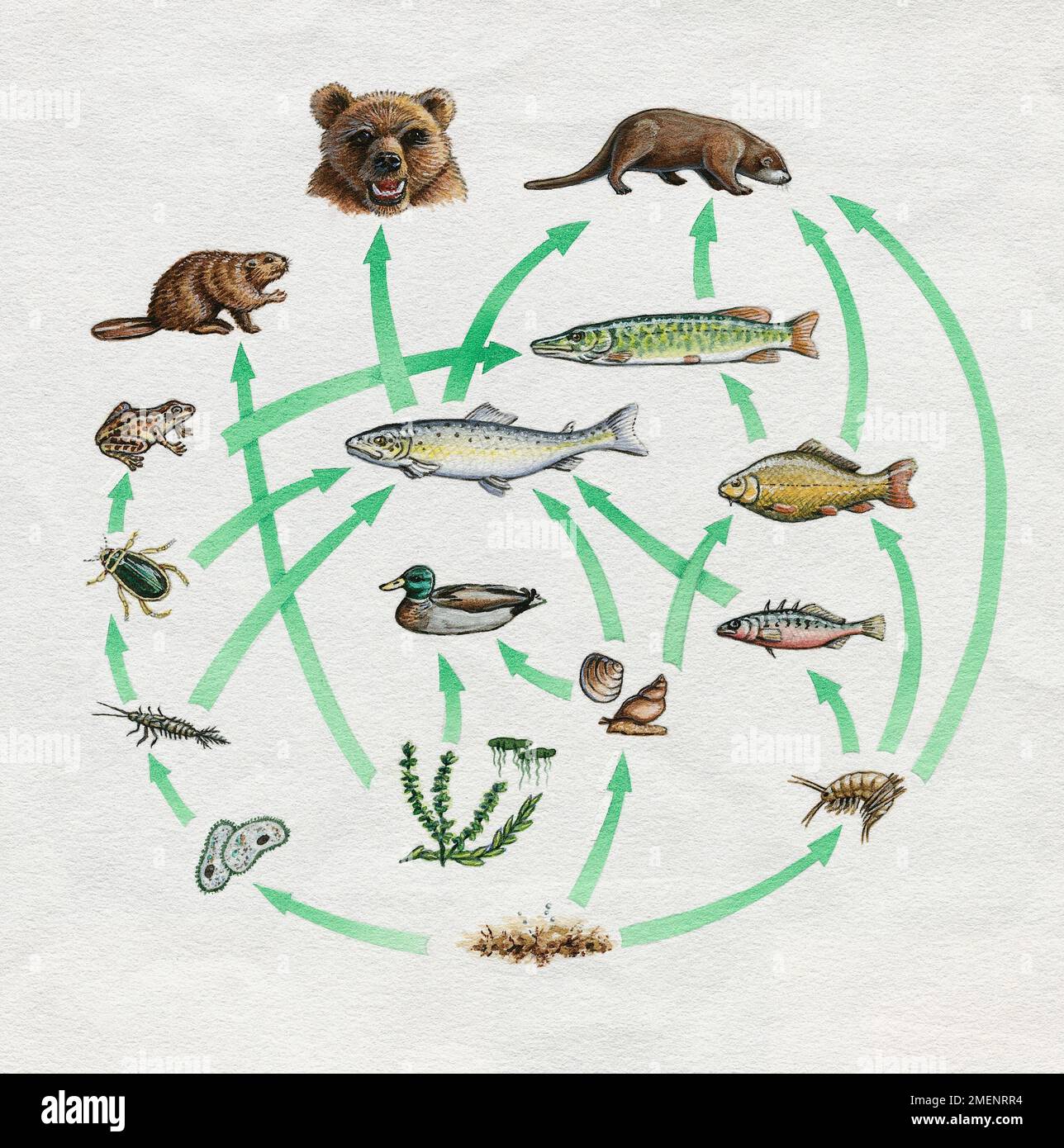
The Amazon rainforest ecosystem food web is a sophisticated network of energy transfer starting with massive primary production from over 16,000 tree species. Energy flows from these producers through diverse primary and secondary consumers—ranging from insects to primates—reaching apex predators like jaguars, while decomposers rapidly recycle nutrients in the humid climate.
The Amazon Basin represents the most biodiverse terrestrial ecosystem on Earth. To understand its food web is to understand the very mechanics of life-sustaining processes that influence global climate and biological stability. As of 2026, our understanding of these interactions has deepened through advanced bioacoustic monitoring and satellite-linked ecological tracking, revealing a system that is as fragile as it is complex. This food web is not a linear chain but a multi-dimensional map of "who eats whom," where every organism, from the smallest nitrogen-fixing bacteria to the five-meter-long black caiman, plays a definitive role in maintaining the equilibrium of the tropical biome.
The Architecture of the Amazonian Trophic Structure
The food web in the Amazon is vertically stratified, meaning that the interactions are often dictated by the specific layer of the forest in which the organisms reside. The rainforest is divided into four distinct layers: the emergent layer, the canopy, the understory, and the forest floor. Each layer hosts a unique subset of the food web, though many species move between them, creating a highly integrated system.
In this ecosystem, energy begins with the sun. Because the Amazon is located near the equator, it receives consistent, high-intensity solar radiation year-round. This energy is captured by primary producers through photosynthesis. In the Amazon, the biomass of producers is staggering, with an estimated 390 billion individual trees providing the foundation for all subsequent life. However, the "web" aspect becomes apparent when we observe that a single tree might support thousands of species, from epiphytes (plants that grow on other plants) to specialized insects and the predators that hunt them.
The efficiency of this web is what allows such high biodiversity in a region where the soil is ironically nutrient-poor. Most of the nutrients in the Amazon are stored within the living biomass itself. When an organism dies, the humid, warm environment facilitates rapid decomposition, returning nutrients to the soil where they are almost immediately reabsorbed by the shallow root systems of the massive trees. This tight nutrient loop is a defining characteristic of the Amazonian trophic structure.
Primary Producers: The Foundation of Energy
At the base of the Amazon rainforest ecosystem food web are the primary producers. These are autotrophs—organisms that produce their own food using sunlight, water, and carbon dioxide. Unlike temperate forests, the Amazon features a year-round growing season, which allows for a continuous supply of fruits, seeds, leaves, and nectar.
The Role of Megadiverse Flora
The Amazon contains an estimated 10% of the world's known biodiversity. This includes iconic species such as the Brazil nut tree (Bertholletia excelsa) and the Kapok tree (Ceiba pentandra). These giants provide the physical structure of the web. Beneath them, a vast array of epiphytes, including orchids and bromeliads, capture moisture and nutrients from the air, providing micro-habitats and food sources for specialized insects and small vertebrates.
Specialized Energy Sources
A unique aspect of the Amazonian producer level is the prevalence of lianas (woody vines). These plants use trees as structural support to reach the sunlight in the canopy. They often produce nectar and fruits at times when the host trees are dormant, acting as a "buffer" food source for primary consumers during lean periods. This phenological diversity ensures that the food web does not collapse during seasonal shifts in rainfall.
Primary Consumers: The Herbivores and Frugivores
Primary consumers, or herbivores, occupy the second trophic level. They are the first link in transferring the energy stored in plant matter to the rest of the animal kingdom. In the Amazon, this group is incredibly diverse, ranging from microscopic zooplankton in the river systems to the massive lowland tapir.
Invertebrates: The Hidden Heavyweights
While large mammals often get the spotlight, insects are the primary drivers of herbivory in the Amazon. Leaf-cutter ants (Atta species) are perhaps the most significant primary consumers on the forest floor. Interestingly, they do not eat the leaves directly. Instead, they use the foliage to cultivate a specific type of fungus, which they then consume. This makes them both primary consumers and "farmers" within the web. Their activity processes a significant portion of the forest's leaf litter, facilitating nutrient turnover.
Canopy Specialists
In the upper layers of the forest, primary consumers include a vast array of birds and primates. Macaws and toucans have specialized beaks designed to crack hard nuts and reach fruit, respectively. Mammals like the Howler monkey and the three-toed sloth spend almost their entire lives in the canopy, consuming massive quantities of leaves. The sloth, in particular, has a very slow metabolism to deal with the low energy density of its leaf-based diet, demonstrating how organisms adapt to specific niches within the food web.
Secondary and Tertiary Consumers: The Predators
As energy moves up the food web, it becomes more concentrated but also less abundant. Secondary consumers are carnivores or omnivores that eat primary consumers. Tertiary consumers, or apex predators, sit at the very top of the web and have no natural predators of their own.
The Jaguar: A Generalist Apex Predator
The Jaguar (Panthera onca) is the most famous apex predator of the Amazon. It is a generalist, meaning it hunts a wide variety of prey, including deer, capybaras, and even caimans. Its ability to swim makes it a bridge between the terrestrial and aquatic food webs. By regulating the population of large herbivores, jaguars prevent overgrazing, which in turn protects the structural integrity of the forest’s vegetation.
Specialized Predators of the Skies and Water
The Harpy Eagle is the apex predator of the canopy. With talons the size of grizzly bear claws, it specializes in hunting sloths and monkeys. In the Amazon’s vast river systems, the Black Caiman and the Giant River Otter serve as top predators. The Giant Otter, often called the "water wolf," is a social predator that can even challenge small caimans, illustrating that the Amazonian food web involves complex social hunting behaviors that increase predatory efficiency.
| Trophic Level | Category | Representative Species | Primary Diet | Role in Ecosystem |
|---|---|---|---|---|
| Level 1 | Producers | Kapok Tree, Bromeliads | Sunlight (Photosynthesis) | Energy foundation; carbon sequestration. |
| Level 2 | Primary Consumers | Tapir, Leaf-cutter Ants | Leaves, Fruits, Seeds | Seed dispersal; plant biomass control. |
| Level 3 | Secondary Consumers | Coati, Spider Monkey | Insects, Small vertebrates, Fruit | Population control of small herbivores. |
| Level 4 | Tertiary Consumers | Jaguar, Harpy Eagle | Large mammals, Primates | Apex regulation; maintaining biodiversity. |
| Level 5 | Decomposers | Fungi, Termites | Dead organic matter | Nutrient recycling; soil enrichment. |
Decomposers and Detritivores: The Recyclers
Without decomposers, the Amazon rainforest would quickly become buried in its own waste. In the high-humidity environment of 2026 Amazonia, decomposition happens at an accelerated rate. This level of the food web consists of fungi, bacteria, and detritivores like termites and dung beetles.
Mycorrhizal Fungi: The Symbiotic Link
A crucial but often invisible part of the web is the network of mycorrhizal fungi. These fungi form symbiotic relationships with the roots of nearly all Amazonian trees. They help the trees absorb phosphorus and nitrogen from the thin soil layer in exchange for sugars produced by the tree. This interaction is a fundamental "side-loop" in the food web that sustains the primary producers themselves.
The Cleanup Crew
Insects like dung beetles play a vital role by burying animal waste. This not only removes waste from the surface but also transports nutrients deeper into the soil and aids in seed germination. Termites, meanwhile, break down cellulose in dead wood, a task few other organisms can perform. This ensures that the carbon and minerals locked in wood are returned to the cycle rather than being lost to the ecosystem.
Keystone Species and Ecological Cascades
The Amazon rainforest ecosystem food web is held together by "keystone species"—organisms that have a disproportionately large effect on their environment relative to their abundance. If a keystone species is removed, the food web can suffer a "trophic cascade," leading to a collapse of multiple levels.
An excellent example is the Agouti, a small rodent. It is the only animal with teeth strong enough to crack open the hard pods of the Brazil nut. The Agouti eats some seeds and buries others for later (caching). Many of these buried seeds are forgotten and grow into new trees. Without the Agouti, the Brazil nut tree could not reproduce effectively, which would eventually remove a primary food source for many other animals and a major structural component of the forest.
Similarly, the removal of apex predators like the jaguar leads to an explosion in the population of herbivores like the capybara. These herbivores then over-consume the vegetation along riverbanks, leading to erosion and the loss of nesting sites for birds and reptiles. This interconnectedness highlights why protecting the entire food web is more important than protecting any single species.
Modern Threats and the Future of the Web in 2026
By 2026, the Amazon food web faces unprecedented pressure from climate change and fragmentation. While large-scale deforestation has seen fluctuating rates, the "thinning" of the forest—where large trees are removed but the canopy remains—has disrupted the microclimates necessary for many primary producers.
The Impact of "Savannization"
As temperatures rise and rainfall patterns shift, parts of the Amazon are transitioning into a savanna-like state. This alters the food web fundamentally. Drought-resistant grasses are replacing moisture-loving trees, which means the specialized primary consumers (like sloths) lose their food source. Predators that rely on the dense cover of the rainforest to hunt are also disadvantaged.
Restoration and Monitoring
On a positive note, 2026 marks a period of significant technological integration in conservation. Scientists now use drone-based LiDAR to map the "vertical food web," identifying which parts of the canopy are most active. Biodiversity credits and international treaties are increasingly focused on preserving the functionality of the food web rather than just the land area, recognizing that a forest without its complex web of life is merely a collection of trees.
Frequently Asked Questions
What is the difference between a food chain and a food web in the Amazon?
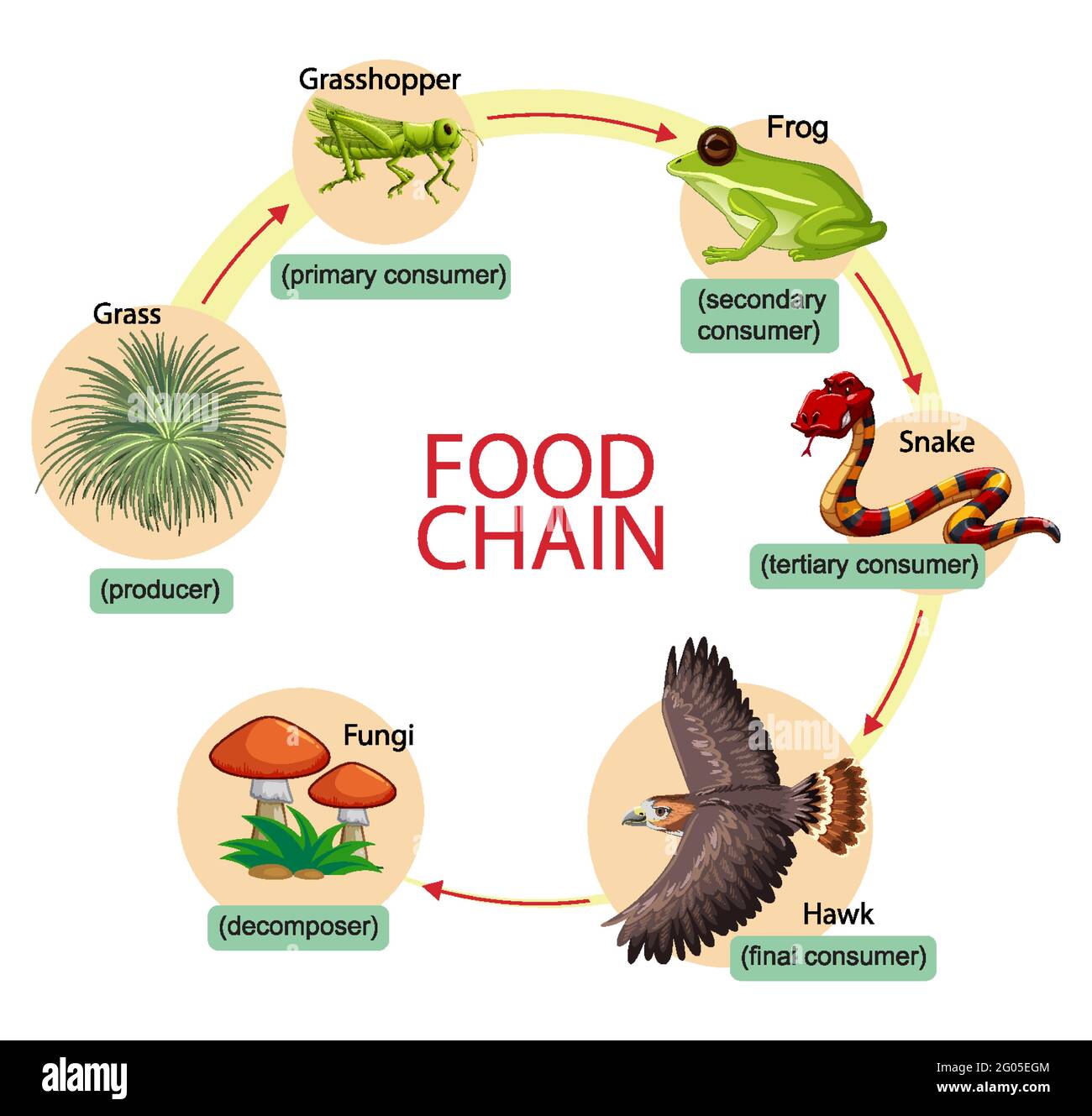
A food chain is a simple, linear sequence (e.g.,
- Leaf
- Grasshopper
- Frog
- Snake).
A food web is a complex network of many interconnected food chains. In the Amazon, most animals eat more than one type of food, and many are eaten by more than one type of predator, making the "web" a much more accurate representation of reality.
Are there any omnivores in the Amazon food web?
Yes, many species are omnivores. For example, the White-headed Capuchin monkey eats fruits and seeds (acting as a primary consumer) but also hunts insects, lizards, and small birds (acting as a secondary consumer). This flexibility allows them to survive in the competitive environment of the rainforest.
How do aquatic species fit into the terrestrial food web?
The Amazon's terrestrial and aquatic food webs are deeply linked. During the "flooded forest" (igapó) season, fish swim among the trees and eat fallen fruits and seeds, acting as primary consumers for terrestrial plants. In return, predators like the jaguar and anaconda move between land and water to hunt fish and aquatic mammals.
Why are decomposers so important in this specific ecosystem?
Because the soil in the Amazon is naturally very low in nutrients (it is old and heavily leached by rain), the ecosystem relies on the "instant" recycling of nutrients. Decomposers break down dead matter so quickly that the nutrients are back inside a living plant within weeks. Without them, the massive trees could not sustain their growth.
Which predator is at the very top of the Amazon food web?
There isn't just one. The jaguar is the apex predator on land, the harpy eagle in the air, and the black caiman and green anaconda in the water. These "top-tier" predators rarely hunt each other, though interactions do occur (such as a jaguar occasionally killing a caiman).
Practical Recommendation for Further Action
To truly appreciate and help preserve the Amazon rainforest ecosystem food web, it is recommended to support "corridor-based" conservation. Isolated pockets of forest cannot support large apex predators like jaguars, which require massive territories to find enough food. By supporting organizations that focus on linking fragmented forest patches—such as the World Wildlife Fund (WWF) or the Rainforest Trust—you help ensure that the trophic levels remain connected and functional. For students and researchers, utilizing 2026 open-access databases like the Global Biodiversity Information Facility (GBIF) can provide real-time data on species distributions and interactions within the basin.