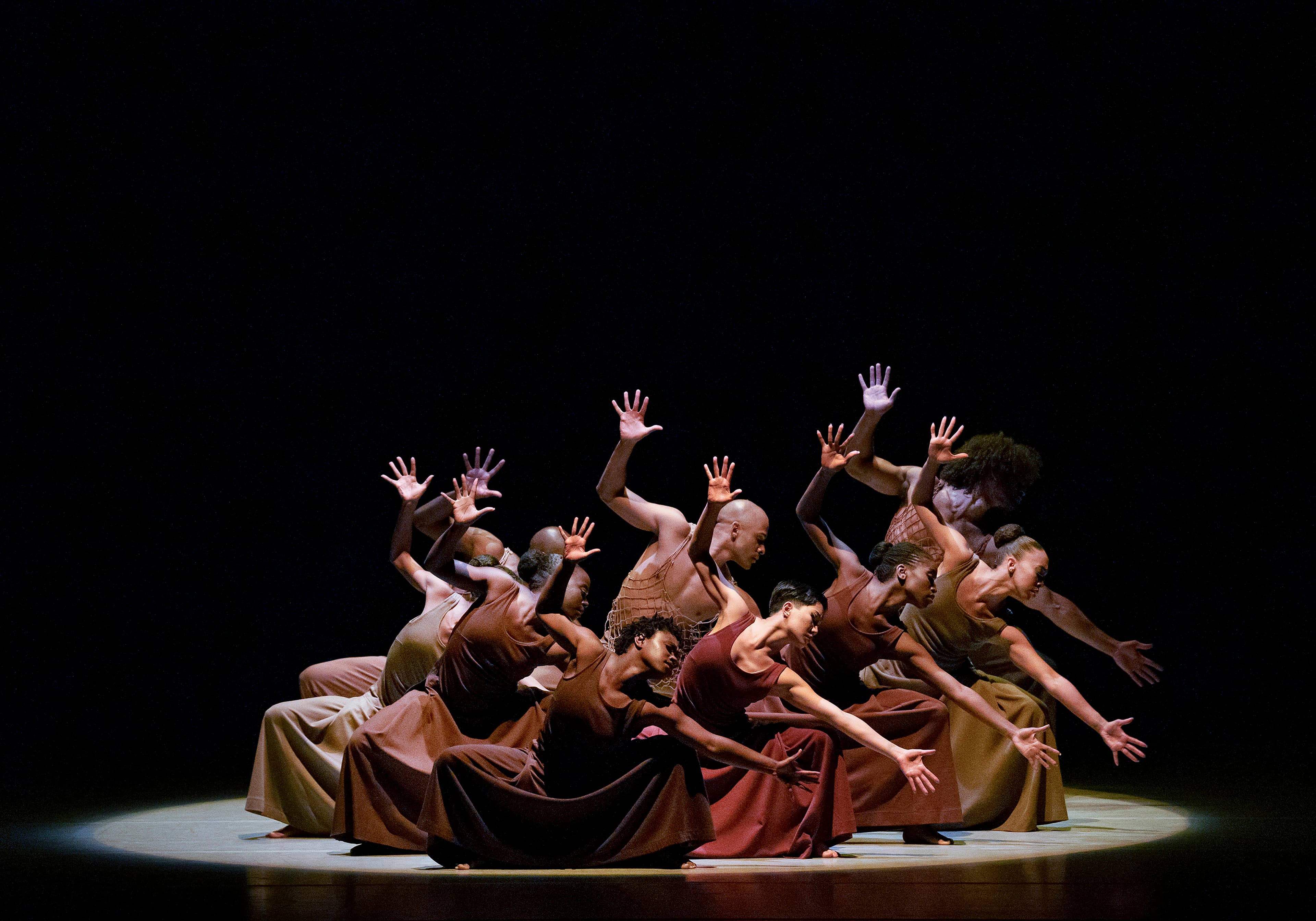
Alvin Ailey was a visionary American dancer, choreographer, and activist who revolutionized modern dance by embedding African American cultural experiences, blues, spirituals, and gospel music into classical concert dance. Founded in 1958, the Alvin Ailey American Dance Theater brought global acclaim to Black modern dancers and created an enduring cultural institution that continues to preserve and expand the boundaries of contemporary performance.
To truly understand Alvin Ailey is to examine a multi-layered legacy that spans a tumultuous childhood in the Jim Crow South, a pioneering professional career on Broadway and the concert stage, the creation of a world-renowned repertory company, and a permanent educational framework designed to make dance accessible to all communities. This comprehensive review explores his early life, the founding of his signature company, his masterwork Revelations, his broader cultural impact, and the ongoing mission of the organization today.
Early Life and Artistic Awakening
Alvin Ailey Jr. was born on January 5, 1931, in Rogers, Texas, a small rural town during the Great Depression. His early years were shaped by the harsh economic realities of the rural South, marked by racial segregation, poverty, and the absence of his father, who left the family when Ailey was very young. Raised primarily by his mother, Lula Cooper, Ailey experienced firsthand the communal resilience of African American rural life, which would later profoundly inform his choreographic vision.
In 1942, Ailey moved with his mother to Los Angeles, California, seeking better employment opportunities during the wartime economic boom. The transition from rural Texas to the vibrant, multi-cultural landscape of Los Angeles exposed a young teenager to new artistic horizons. However, it was a field trip organized by his junior high school teacher to see the Ballet Russe de Monte Carlo that fundamentally altered his life trajectory. Watching classical ballet for the first time, Ailey realized the expressive potential of the human body moving through space.
His formal training began in earnest when he met choreographer and dancer Lester Horton in 1949. Horton was one of the first American choreographers to create a racially integrated modern dance company, drawing techniques from Native American folk dances, Afro-Caribbean rituals, and classical ballet. Ailey joined Horton’s school, studying intensely and absorbing a diverse movement vocabulary that valued physical strength, flexibility, and theatricality. When Lester Horton died unexpectedly in 1953 at the age of 47, a twenty-two-year-old Ailey was thrust into the role of artistic director for Horton’s company, marking his first major leadership challenge and igniting his ambition to forge his own artistic path.
The Founding of the Alvin Ailey American Dance Theater
Following his time in Los Angeles, Ailey moved to New York City in 1954 to pursue performance opportunities on Broadway and within the contemporary dance scene. He performed in commercial and theatrical productions such as House of Flowers and Carmen Jones, while also studying acting with Stella Adler and modern dance with Martha Graham and Doris Humphrey. Despite these opportunities, Ailey grew increasingly frustrated by the severe lack of professional stages available to Black modern dancers. Most established companies were rigidly segregated or cast Black performers only for token roles.
Determined to create an environment where African American dancers could showcase their technical brilliance and emotional depth without racial barriers, Ailey gathered a group of young, predominantly Black modern dancers. On March 30, 1958, at the 92nd Street Y in New York City, the Alvin Ailey American Dance Theater (AAADT) made its historic debut. The program, entirely choreographed by Ailey, was an immediate critical and popular success.
The company's early years required immense resilience, touring across the United States under grueling conditions and facing financial instability. Yet, the distinctiveness of Ailey’s vision—blending the athleticism of modern dance, the precision of ballet, the earthiness of jazz, and the spiritual weight of Black vernacular traditions—quickly captured the attention of international audiences. In 1962, the U.S. State Department selected AAADT as a cultural ambassador, sending the troupe on a landmark tour of Southeast Asia and Australia. This international exposure established the company as a premier global institution of American arts.
Revelations: The Masterpiece of American Dance
No discussion of Alvin Ailey is complete without examining Revelations, his undisputed masterwork and one of the most widely performed and beloved ballets in modern dance history. Premiered on Johnson C. Smith University's campus in Charlotte, North Carolina, before its official New York debut in 1960, Revelations is a deeply moving suite set to traditional African American spirituals, gospel songs, and holy blues.
| Section Title | Musical Theme | Emotional and Thematic Focus |
|---|---|---|
| I. Pilgrim of Sorrow | "I Been 'Buked," "Didn't My Lord Deliver Daniel," "Fix Me, Jesus" | Captures the suffering, oppression, and deep yearning for spiritual salvation rooted in the American slave experience. |
| II. Take Me to the Water | "Wade in the Water," "I Wanna Be Ready" | Evokes the ritual of baptism, purification, cleansing, and renewal in a rural Southern river setting. |
| III. Move, Members, Move | "Sinner Man," "The Day Is Past and Gone," "You May Run On," "Rocka My Soul in the Bosom of Abraham" | Celebrates the exuberant joy, community gatherings, and ecstatic release of a rural church revival service. |
Ailey described Revelations as drawing from his "blood memories" of growing up attending services at Mount Olive Baptist Church in Texas and witnessing the faith of his relatives. The choreography marries rigorous Horton-based modern technique with expressive gestures—such as fans fashioned from white silk, holding umbrellas, and sweeping floor movements—that symbolize resilience, dignity, and grace under extreme duress. The concluding segment, "Rocka My Soul in the Bosom of Abraham," invariably elicits standing ovations worldwide, cementing the work as a universal testament to the human spirit overcoming adversity.
Artistic Philosophy and Collaborative Vision
Unlike many modern dance choreographers of his era who maintained absolute monopolies over their companies' repertoires, Ailey took a radically inclusive approach to artistic direction. While he created nearly 80 ballets during his lifetime, he insisted that the Alvin Ailey American Dance Theater should not serve merely as a showcase for his own work. He established a repertory model that invited legendary choreographers—such as Lester Horton, Talley Beatty, Donald McKayle, Katherine Dunham, and later, modern masters like Twyla Tharp, Paul Taylor, and Ulysses Dove—to set ballets on the company.
This philosophy ensured that AAADT dancers were challenged by diverse movement vocabularies and that the company remained a living museum of Black choreographic excellence. Ailey's choreography was characterized by accessibility; he famously stated that "dance came from the people and that it should be delivered back to the people." His works prioritized theatrical communication, dramatic storytelling, and emotional resonance over abstract formalism, making contemporary dance engaging to audiences who had never before stepped foot in a theater.
Institutional Expansion and Education
Recognizing that performance alone could not sustain the future of dance in marginalized communities, Ailey dedicated significant energy to building institutional pillars that outlived his active touring years. His vision for access materialized through three primary organizational extensions:
- The Ailey School: Founded in 1969, the school provides rigorous professional training for young dancers, offering techniques in ballet, modern, jazz, Horton, and West African dance. It operates with a commitment to diversity and inclusion, offering extensive scholarship programs to promising students.
- Ailey Extension: Established to serve the general public, this program offers drop-in dance and fitness classes for adults of all levels, ranging from absolute beginners to professional dancers, promoting health, wellness, and community engagement.
- Ailey II: Originally founded as the Alvin Ailey Repertory Ensemble in 1974, this junior company bridges the gap between dance training and professional performance. It provides young, exceptionally talented artists a platform to tour internationally, perform demanding repertoire, and engage in community outreach programs.
In 1989, the organization consolidated its operations into the Joan Weill Center for Dance in New York City, marking the largest building dedicated exclusively to dance in New York. This state-of-the-art facility houses studios, administrative offices, and rehearsal spaces, ensuring a permanent home for Ailey’s educational and artistic mission.
Honors, Personal Life, and Passing
Despite achieving international fame, Ailey’s personal life was marked by private struggles, particularly regarding his sexuality and the societal prejudices of mid-20th-century America. As a gay Black man navigating an era of profound homophobia and racism, Ailey protected his privacy fiercely while pouring his emotional complexities into his art. He suffered from severe health challenges later in life, compounded by the stigma surrounding the HIV/AIDS epidemic that devastated the arts community.
Alvin Ailey passed away on December 1, 1989, at the age of 58, due to AIDS-related complications. His death prompted global mourning, with tributes pouring in from world leaders, cultural icons, and dance enthusiasts. Before his passing, Ailey chose Judith Jamison—his muse and principal dancer—to succeed him as artistic director of the Alvin Ailey American Dance Theater, ensuring a seamless transition of leadership and artistic integrity. In 2014, Jamison transitioned to Artistic Director Emerita, and Robert Battle took the helm as artistic director, guiding the company into the 21st century until his departure in 2023, followed by the appointment of Matthew Rushing as interim artistic director.
Ailey received numerous accolades during and after his lifetime, including the Kennedy Center Honors in 1988, which recognized his monumental contributions to American culture. In 2014, President Barack Obama posthumously awarded Ailey the Presidential Medal of Freedom, the nation’s highest civilian honor, noting that Ailey's work "changed our perception of American dance."
Frequently Asked Questions About Alvin Ailey
What is Alvin Ailey best known for?
Alvin Ailey is best known for founding the Alvin Ailey American Dance Theater in 1958 and for choreographing Revelations, a universally acclaimed masterpiece that celebrates the African American cultural heritage through blues, spirituals, and gospel music.
Is the Alvin Ailey American Dance Theater still active?
Yes, the company remains one of the most prominent and heavily toured modern dance institutions in the world. It regularly performs seasons in New York City at New York City Center, tours internationally, and maintains robust educational programs through The Ailey School and Ailey II.
What dance technique did Alvin Ailey use?
Ailey trained extensively under Lester Horton and incorporated the Horton technique as a foundation for his dancers. However, his choreography is eclectic, synthesizing classical ballet, modern dance idioms, jazz dance, and African and Caribbean folk dance movements.
Who leads the Alvin Ailey organization today?
Following Judith Jamison and Robert Battle, the organization operates under the artistic leadership of Matthew Rushing as interim artistic director, while continuing to champion Ailey’s founding vision of artistic excellence, cultural diversity, and community engagement.
How can I take classes at the Ailey School?
The organization operates the Ailey Extension, which offers open dance, fitness, and conditioning classes for adults at all experience levels, both in-person at the Joan Weill Center for Dance in New York City and via virtual platforms.
Conclusion and Next Actions
Alvin Ailey transformed the landscape of modern dance by ensuring that the stories, struggles, and triumphs of African Americans took center stage with dignity, power, and universal resonance. His life's work proved that art has the capacity to bridge cultural divides and heal communities. To experience his legacy firsthand, consider attending a live performance of the Alvin Ailey American Dance Theater during their national tour or New York season, exploring archival recordings of Revelations, or participating in an open community class through the Ailey Extension to engage directly with the movement vocabulary he championed.