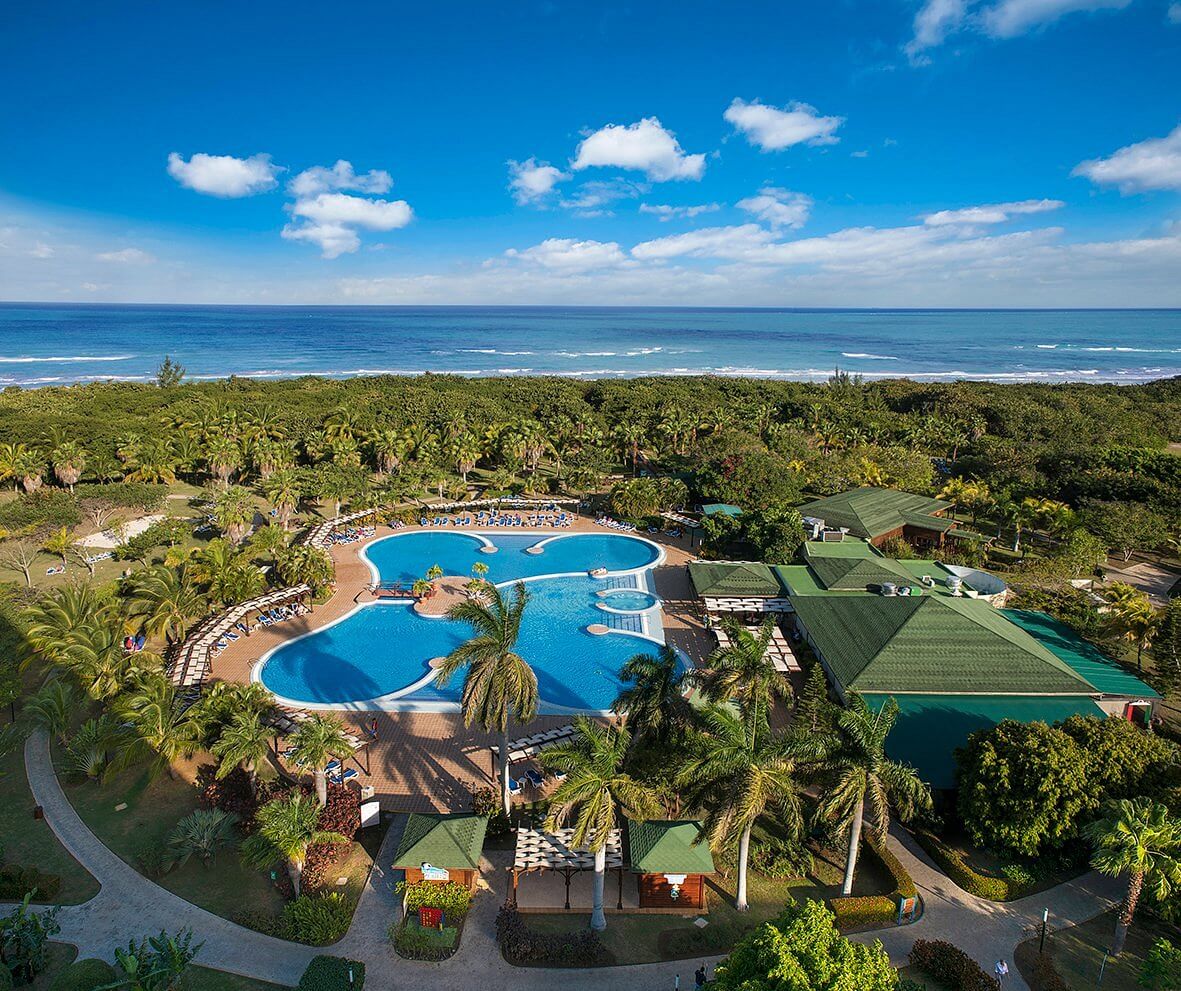
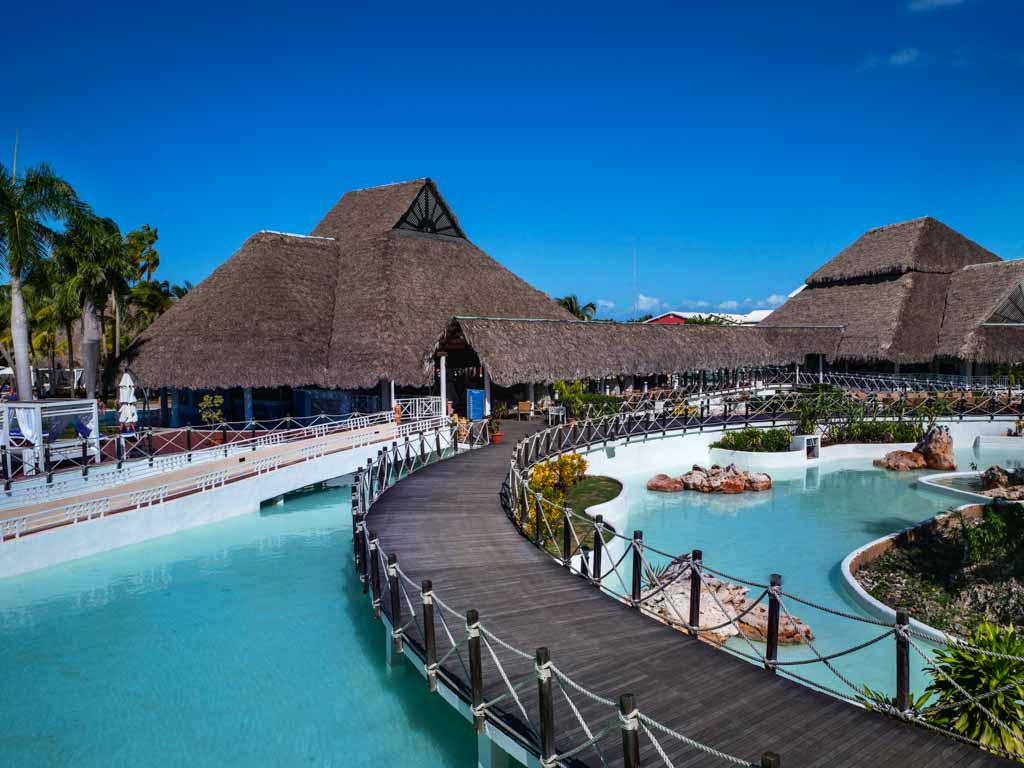
The all inclusive cuba resort experience combines pristine Caribbean beaches and vibrant culture with unique logistical considerations. In 2026, travelers can expect modern digital entry systems, a shift toward card-based resort economies, and world-class hospitality that prioritizes local heritage, though guests should prepare for specific supply-chain-related variations in food and amenities.
Understanding the Landscape of Cuban Tourism in 2026
To appreciate the all inclusive cuba resort experience, one must first understand the unique socio-economic framework of the island. Unlike other Caribbean destinations where global chains dominate without restriction, Cuban resorts are often partnerships between the Cuban government (via entities like Gaviota or Cubanacan) and international hotel groups such as Meliá, Iberostar, or Blue Diamond.
By 2026, this partnership model has evolved to focus heavily on "sustainable luxury." While the core draw remains the powdery white sands of Varadero and the secluded beauty of the Cayos, the infrastructure has seen significant digital upgrades. Travelers now navigate a landscape that is increasingly cashless within resort bubbles, relying on international credit cards or pre-paid tourist cards.
The "Cuba Standard" for Resort Ratings
One of the most frequent points of confusion for first-time visitors is the star-rating system. A 5-star resort in Cuba generally aligns with a 4-star or high-level 3.5-star resort in destinations like Mexico or the Dominican Republic. This discrepancy is rarely about service quality—Cuban hospitality staff are among the most highly trained and professional in the region—but rather about the availability of material goods.
Resource management remains a factor in 2026. High-end resorts may occasionally experience "rotational availability," where certain imported luxury items (like specific brands of soda or premium cheeses) may be temporarily replaced by local alternatives. Understanding this "Cuba Standard" is essential for setting realistic expectations and fully enjoying the experience.
Navigating Logistics: Entry Requirements and Digital Visa Systems
Planning your trip in 2026 involves several mandatory steps that have been streamlined through digital integration. Cuba has moved away from paper-based "tourist cards" for many nationalities, favoring an electronic system.
The D’Viajeros Digital Portal
The D’Viajeros portal is the centralized system for all customs and health declarations. Travelers must complete this online form within 48 to 72 hours before their flight. This generates a QR code that is required for check-in at your departure airport and again upon arrival in Cuba.
Mandatory Health Insurance
Cuba requires all international visitors to have non-U.S. medical insurance that covers COVID-19 and other emergencies. While many Canadian and European airlines include this in the ticket price, it is crucial to verify this before departure. If you arrive without proof of insurance, you will be required to purchase a policy at the airport before clearing immigration, which can be more expensive and time-consuming.
Choosing Your Destination: Varadero vs. The Cayos vs. Holguín
The "experience" varies significantly depending on which region of the island you select. Each hub offers a different balance of beach quality, accessibility to towns, and resort density.
| Destination | Primary Vibe | Best For | Notable Characteristic |
|---|---|---|---|
| Varadero | Vibrant & Accessible | Social travelers, families, and golfers. | 20km of continuous beach with easy access to the local town. |
| Cayo Santa Maria | Secluded & Romantic | Couples and honeymooners seeking quiet. | Connected to the mainland by a 48km causeway (pedraplén). |
| Cayo Coco / Guillermo | Nature & Isolation | Birdwatchers, kite-surfers, and beach purists. | Famous for wild flamingos and shallow, crystal-clear turquoise waters. |
| Holguín (Guardalavaca) | Scenic & Lush | Nature lovers and those seeking local culture. | Hilly landscapes and emerald waters; smaller, more intimate resort layouts. |
Varadero: The Cultural Hub
Varadero is the most developed tourist zone. The advantage of Varadero is its proximity to "real Cuba." You can easily leave the resort to visit local craft markets, dine at a paladar (private restaurant), or enjoy live jazz in the town center. In 2026, Varadero remains the top choice for those who don't want to spend their entire vacation behind resort walls.
The Cayos: The Island Escape
Cayo Coco, Cayo Guillermo, and Cayo Santa Maria are effectively "resort islands." There are no permanent local residents on these islands, meaning you are entirely dependent on the resort's amenities. The trade-off is some of the most breathtaking beaches in the world, often with far fewer crowds than Varadero.
The Food and Beverage Reality: Managing Expectations
The culinary aspect of the all inclusive cuba resort experience is a topic of much discussion. In 2026, the strategy for food in Cuba is "fresh and local." Due to the long-standing trade embargo and global supply chain shifts, Cuba focuses on what it can produce domestically.
Buffets and À La Carte Dining
Expect an abundance of fresh tropical fruits (papaya, pineapple, guava), root vegetables like yuca and malanga, and local proteins like pork, chicken, and fresh-caught seafood. Lobster is often available at a surcharge or featured in premium à la carte packages, and it is usually of exceptional quality.
However, if you are a traveler who requires specific North American brands (e.g., Heinz Ketchup, specific cereals, or Diet Coke), you should consider bringing small travel-sized versions with you. While resorts strive to provide international options, "brand-name" consistency is not guaranteed.
The Beverage Program
Cuban rum is world-renowned, and you will find no shortage of high-quality Havana Club or Santiago de Cuba in your mojitos and daiquiris. Beer is typically local—Crystal (light lager) or Bucanero (stronger lager)—both of which are well-regarded. Premium imported spirits are often available in "Diamond Club" or "Royal Service" tiers.
Currency, Tipping, and the Resort Economy in 2026
One of the most complex parts of the Cuban experience is money. By 2026, the dual-currency system of the past has been replaced by the CUP (Cuban Peso) and a digital currency system known as MLC.
The Cashless Resort
Most resorts in 2026 are strictly cashless for extra services (spa treatments, premium wine lists, excursions). You will need a valid international credit card (Visa and Mastercard are widely accepted, provided they are not issued by a U.S. bank).
Tipping Etiquette
While the resorts are all-inclusive, tipping is a deeply ingrained part of the culture and is highly appreciated by the staff, who often rely on these gratuities to support their families.
- What to Tip: Small bills in Canadian Dollars (CAD), Euros (EUR), or US Dollars (USD) are preferred.
- Gifting: In 2026, there is still a high demand for hard-to-get items. Many travelers bring "gifts" such as over-the-counter medicines (ibuprofen, vitamins), feminine hygiene products, school supplies, and high-quality toiletries to leave for the staff. This is often appreciated as much as, or more than, cash.
Internet and Connectivity: The Digital Nomad in Cuba
Gone are the days when you had to buy paper scratch-cards to access the internet in a hotel lobby. By 2026, most 4-star and 5-star resorts offer complimentary Wi-Fi throughout the property, including guest rooms and often extending to the beach.
However, the connection can be "variable." It is sufficient for messaging, email, and occasional social media posting, but it may struggle with high-definition video streaming or large file uploads. Additionally, certain U.S.-based websites and banking apps may be geoblocked, so installing a reputable VPN before you arrive is highly recommended for uninterrupted access.
Specific Guidance for U.S. Travelers
U.S. citizens can still experience Cuban resorts in 2026, but they must adhere to specific regulations from the Office of Foreign Assets Control (OFAC). Pure "tourism" remains technically prohibited under U.S. law.
Support for the Cuban People
The most common legal category for U.S. travelers is "Support for the Cuban People." To comply with this, your itinerary must include activities that support local entrepreneurs and engage with Cuban society.
- Resort Restrictions: U.S. travelers must avoid staying at hotels or using services that are on the "Cuba Restricted List"—properties managed by the Cuban military.
- Documentation: U.S. travelers should maintain a detailed log of their activities and receipts for five years, as required by OFAC.
For more detailed information on current restrictions, U.S. citizens should consult the U.S. Department of the Treasury's OFAC FAQ page.
Health and Safety Considerations
Cuba is widely recognized as one of the safest destinations in the Caribbean for travelers. Violent crime against tourists is extremely rare. However, health precautions are necessary:
- Water: Do not drink the tap water. Resorts provide bottled water daily. Use bottled water for brushing your teeth if you have a sensitive stomach.
- Sun Protection: The Cuban sun is intense. High-SPF sunscreen is essential and can be very expensive or unavailable in resort gift shops.
- Insects: In the Cayos, "no-see-ums" (sand flies) can be active at dusk and dawn. Bring a repellent with DEET or a natural alternative.
Practical Recommendations for 2026
To maximize your all inclusive cuba resort experience, follow these three actionable steps:
- Pack an "Essentials Kit": Include medications (Imodium, Advil, antibiotics), specialized toiletries, and snacks. Do not assume the resort shop will have your specific brand of toothpaste or sunscreen.
- Download Offline Maps: Use apps like Google Maps or Maps.me and download the Cuba region. This allows you to navigate Varadero or Havana without relying on a data connection.
- Verify your Credit Card: Call your bank before departure to ensure your card is cleared for international use in Cuba. Remember, cards issued by U.S. banks (like Chase or Wells Fargo) will not work on the island due to federal regulations.
Frequently Asked Questions
Is the food in Cuba really as bad as people say?
The food is not "bad," but it is "different." It lacks the variety of processed goods and imported spices found in other destinations. However, the quality of fresh produce, eggs, and local meats is often higher because they are not industrially processed. If you enjoy fresh, simple, whole foods, you will likely be satisfied.
Can I use my mobile phone's data plan in Cuba?
Most major international carriers offer roaming in Cuba, but it is notoriously expensive. It is almost always better to use the resort's Wi-Fi or purchase a local SIM card (Cubacel Tur) if you plan to be outside the resort frequently.
Do I need to bring a power adapter?
Most modern Cuban resorts use dual voltage (110v and 220v) and have outlets that accept standard North American flat-prong plugs. However, older properties may still use European-style round-prong outlets. A universal adapter is a wise addition to your luggage.
What is the best month to visit Cuba for an all-inclusive stay?
The peak season is from December to April, when the weather is dry and sunny with manageable humidity. If you are looking for deals, the "shoulder" months of May, June, and November offer lower prices, though you should be aware that June through November is technically hurricane season in the Atlantic.
Are the beaches in Cuba public or private?
Technically, all beaches in Cuba are public. However, the resorts in areas like the Cayos are so remote that they are effectively private. In Varadero, you will see more locals enjoying the beach, especially on weekends, which adds to the cultural richness of the stay.