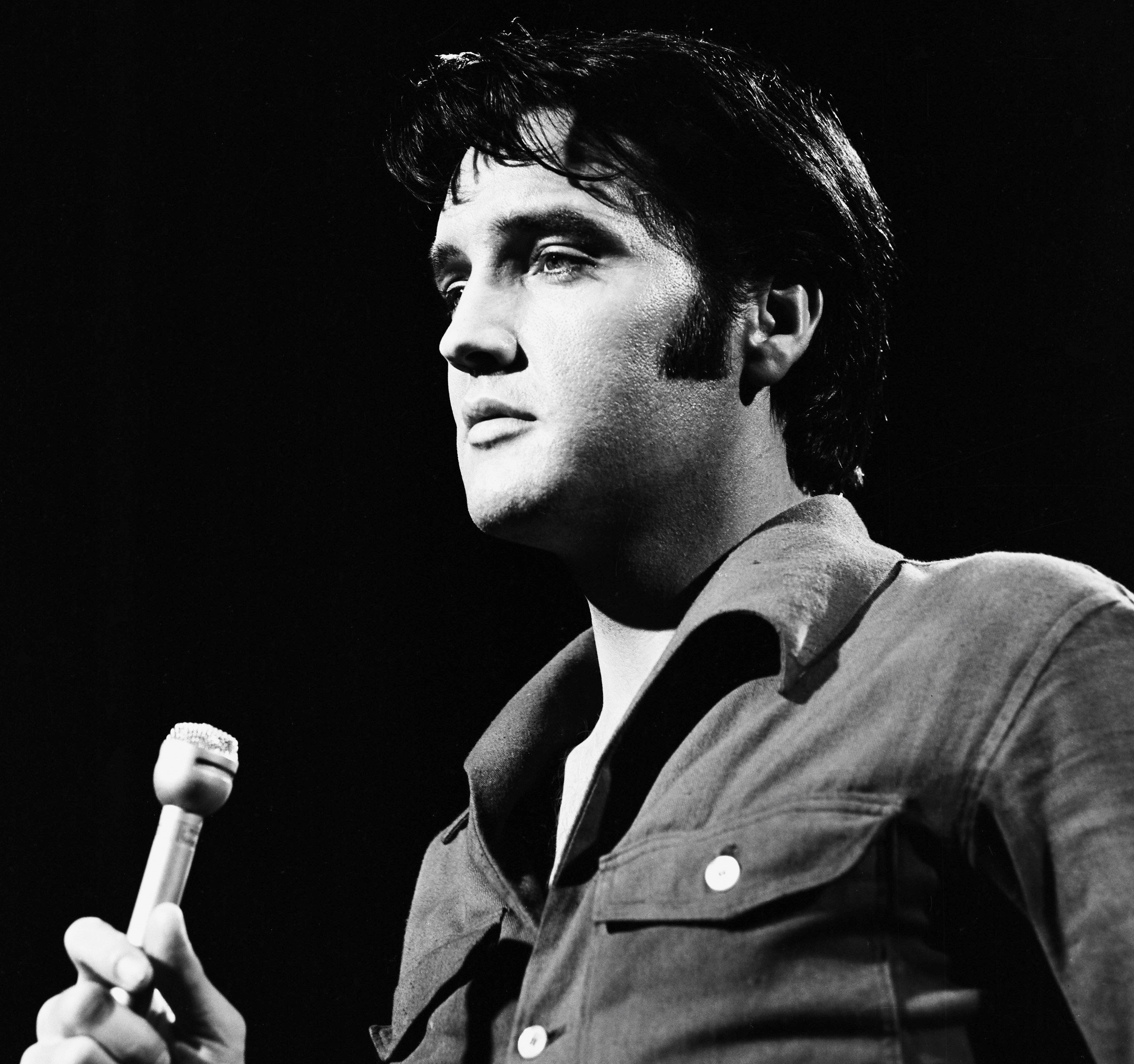
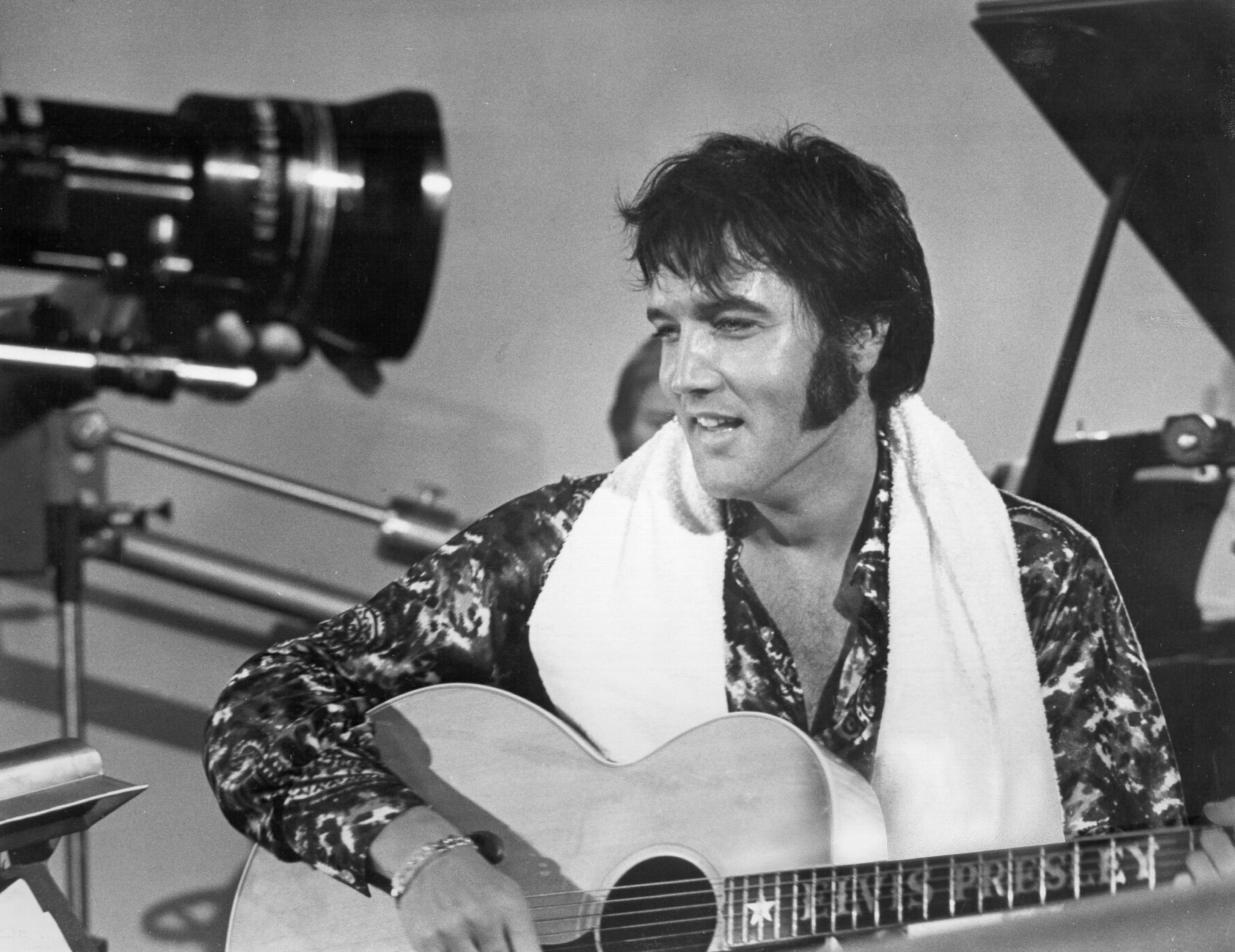
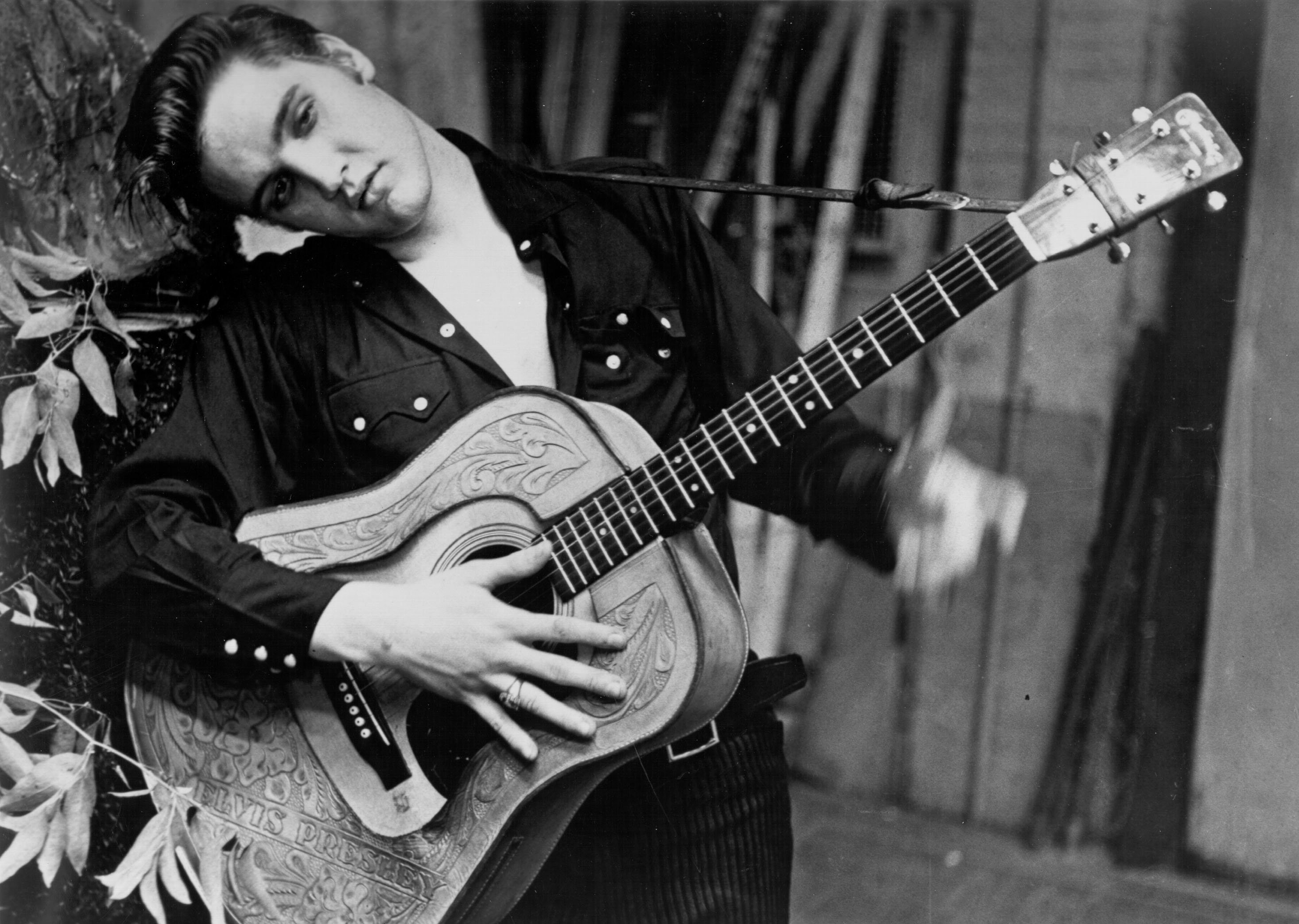
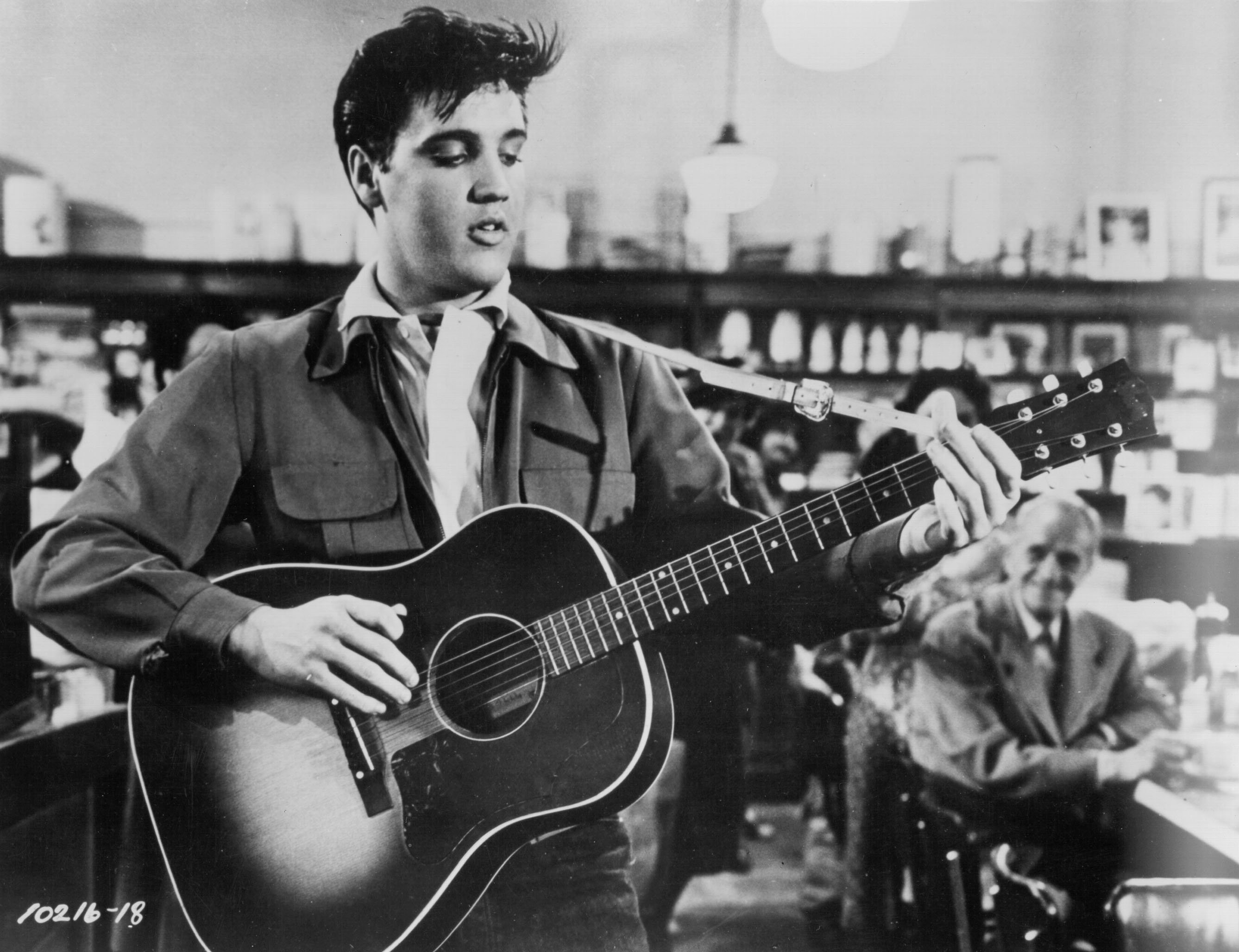
Elvis Presley, often hailed as the "King of Rock and Roll," redefined the global music landscape by synthesizing country, rhythm and blues, and gospel into a unique, high-energy sound. His career, spanning from the 1954 Sun Studio sessions to his 1977 passing, produced over 700 recordings that fundamentally altered popular culture and recording standards.
The Foundations of a Revolution: The Sun Records Era (1954–1955)
The genesis of Elvis Presley’s musical journey began in Memphis, Tennessee, at a small studio owned by Sam Phillips. As of 2026, music historians continue to point to the July 1954 recording of "That’s All Right" as the Big Bang of rock and roll. Phillips was searching for a white singer who could capture the "feeling" of African American rhythm and blues, and in the nineteen-year-old Presley, he found a performer who didn't just imitate the style but lived it.
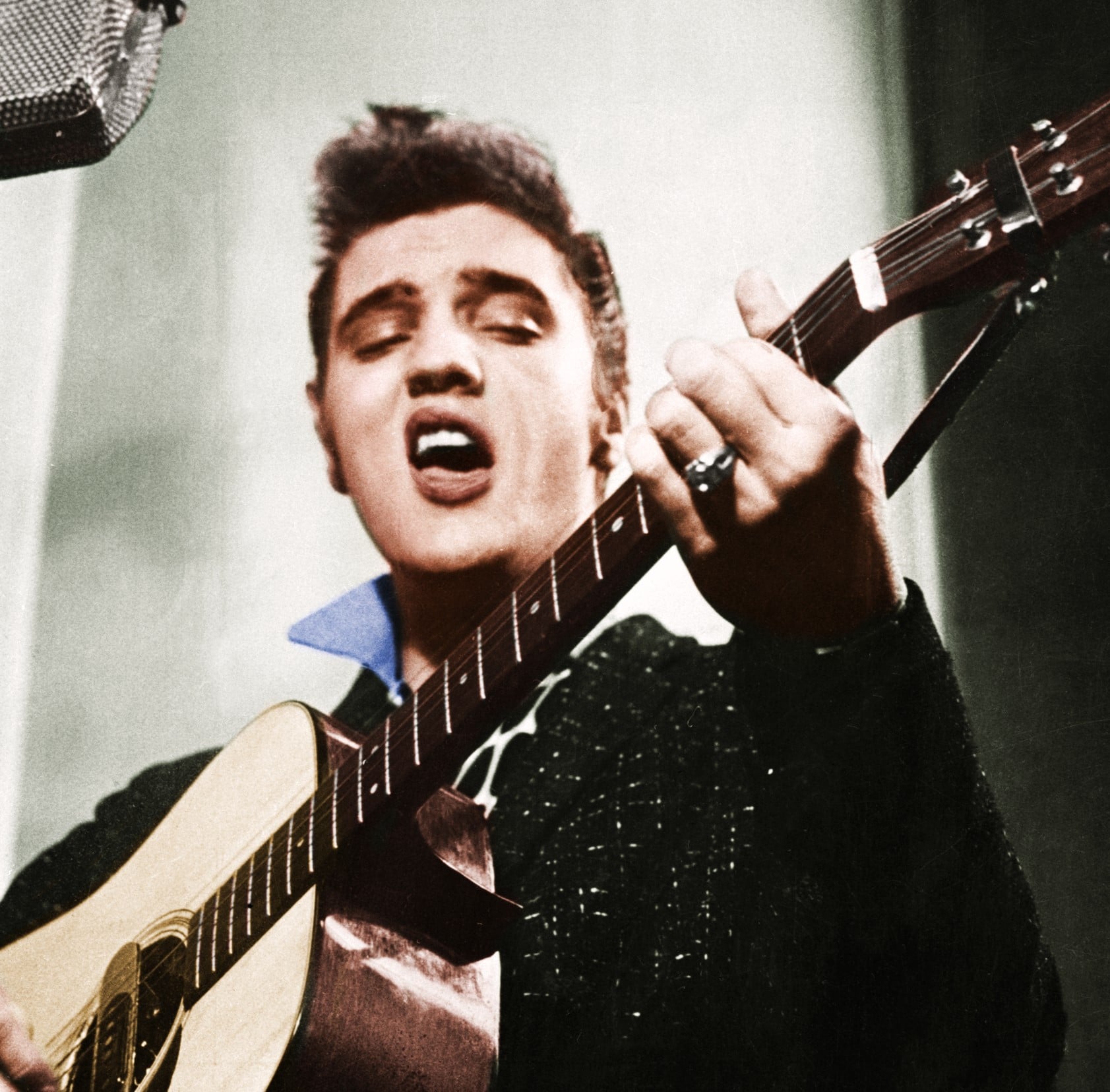
Working alongside guitarist Scotty Moore and bassist Bill Black, Presley developed what would become known as rockabilly. This genre was a frantic, slap-back echo-heavy blend of hillbilly country and jump blues. The Sun sessions were characterized by their spontaneity. There were no drums on the earliest tracks; the rhythm was driven by Black’s percussive upright bass and Presley’s own rhythmic acoustic guitar.
Key tracks from this period, such as "Blue Moon of Kentucky" and "Mystery Train," showcased a vocal flexibility that was unprecedented. Presley could shift from a stuttering, nervous energy to a haunting, melodic croon within a single verse. This era established the blueprint for the rock and roll band: a charismatic frontman supported by a stripped-down, high-intensity instrumental trio.
National Stardom and the RCA Transition (1956–1958)
In late 1955, Elvis’s contract was famously sold to RCA Victor for the then-unheard-of sum of $35,000. This transition marked the beginning of his transformation from a regional sensation into a global icon. Under the management of Colonel Tom Parker, Presley began recording in larger studios in Nashville and New York, often accompanied by the vocal group The Jordanaires.
The 1956 release of "Heartbreak Hotel" signaled a shift in production. The sound was "bigger"—moodier and more dramatic. It became his first Gold record and topped the pop, country, and R&B charts simultaneously. This "crossover" appeal was his greatest musical weapon; he dismantled the rigid "race records" categories of the early 1950s, bringing Black musical traditions to a mainstream white audience while maintaining a deep respect for the original sources.
During these years, Presley’s output was staggering. Hits like "Hound Dog," "Don’t Be Cruel," and "Jailhouse Rock" defined the youth culture of the decade. His vocal delivery became more aggressive, utilizing growls, hiccups, and a physicalized performance style that translated even through the radio. By the time he was drafted into the U.S. Army in 1958, he had fundamentally shifted the center of gravity of the music industry toward the teenage demographic.
Versatility Beyond Rock: Gospel and the Soulful Balladeer
While he is remembered as a rock rebel, Presley’s personal musical passion lay in gospel music. It is a notable historical fact that all three of his competitive Grammy Awards were for gospel recordings, not rock and roll. His 1960 album His Hand in Mine and the 1967 masterpiece How Great Thou Art showcased a vocal depth that many of his pop hits lacked.
His gospel influences were rooted in the quartets he watched as a child in Tupelo and Memphis, such as the Statesmen Quartet and the Blackwood Brothers. This influence gave his voice a rich, baritone resonance and taught him the art of "phrasing"—knowing when to hold a note for dramatic effect and when to let it drop to a whisper.
In addition to gospel, Presley was a master of the Italianate ballad. Influenced by singers like Dean Martin and Mario Lanza, he recorded tracks like "It’s Now or Never" (based on "O Sole Mio") and "Are You Lonesome Tonight?" These songs proved he was more than a "shouter"; he was a sophisticated vocalist capable of precision and emotional nuance.
The Hollywood Years: A Narrative of Commercial Dominance
Throughout much of the 1960s, Presley’s musical career was inextricably linked to his film career. Between 1960 and 1968, he starred in nearly 30 movies, each accompanied by a soundtrack. While this period is often criticized by musicologists for a dip in creative quality—with Presley recording light, formulaic songs like "Confidence" or "Old MacDonald"—it was a period of immense commercial stability.
However, even within the "movie years," there were flashes of brilliance. Tracks like "Can't Help Falling in Love" from Blue Hawaii (1961) became timeless wedding staples, and "Return to Sender" showed he could still deliver a perfect pop-rock hook. The problem during this era was the disconnect between Presley’s raw talent and the polished, often trivial material provided by the movie studios. By 1967, the arrival of The Beatles and the psychedelic rock movement had made Presley’s cinematic pop sound dated, setting the stage for one of the greatest career pivots in history.
The 1968 Comeback Special and the Soul of Memphis
The 1968 NBC television special, simply titled Elvis, is widely regarded as the moment he reclaimed his musical throne. Dressed in black leather, Presley performed a "sit-down" session that returned him to his rockabilly roots. It was raw, dangerous, and deeply musical.
This revival led to the 1969 sessions at American Sound Studio in Memphis with producer Chips Moman. These sessions produced what many critics consider his finest work since the Sun era. The resulting album, From Elvis in Memphis, featured a mature, soulful sound that incorporated elements of country-soul and R&B. Hits from this period included:
- "In the Ghetto": A socially conscious narrative that showcased a new level of lyrical maturity.
- "Suspicious Minds": A masterpiece of building tension and complex arrangement that became his final number-one hit during his lifetime.
- "Kentucky Rain": A blend of country storytelling with a driving pop arrangement.
The Las Vegas Era and the Power of the "Big Band"
In 1969, Presley returned to live performance, beginning a legendary residency at the International Hotel in Las Vegas. This final phase of his musical life was defined by the TCB (Taking Care of Business) Band, a group of elite musicians including guitarist James Burton and drummer Ronnie Tutt.
His sound in the 1970s was grand and operatic. He moved away from the stripped-down rock of his youth toward a "Wall of Sound" approach, featuring a full orchestra, a rock band, and multiple vocal groups (The Sweet Inspirations and J.D. Sumner & the Stamps). This era produced iconic live performances of songs like "An American Trilogy," where Presley’s vocal power reached its zenith.
As of 2026, the image of Elvis in the jeweled jumpsuit remains his most recognizable, but the musicality of this era shouldn't be overlooked. He was a conductor on stage, directing the dynamics of a massive musical machine. Despite health struggles, his voice remained a formidable instrument until his final recording sessions at Graceland in 1976 (the Moody Blue sessions).
Comparison of Elvis Presley’s Musical Eras
| Era | Primary Genres | Key Instrumental Features | Signature Tracks | Cultural Impact |
|---|---|---|---|---|
| Sun Records (1954-55) | Rockabilly, Blues, Country | Slap-back echo, acoustic rhythm, upright bass | "That's All Right," "Mystery Train" | Invented the rock & roll aesthetic |
| Early RCA (1956-58) | Rock & Roll, Pop, Gospel | Electric lead guitar, vocal backing groups | "Heartbreak Hotel," "Hound Dog" | Global teen idol phenomenon |
| Movie Years (1960-67) | Pop, Soundtrack, Ballad | Polished production, orchestral sweeps | "Can't Help Falling in Love," "Return to Sender" | Commercial dominance; cinematic branding |
| Memphis Soul (1968-70) | Soul, R&B, Country-Soul | Brass sections, gritty vocal delivery | "Suspicious Minds," "In the Ghetto" | Artistic rebirth and critical acclaim |
| Concert Years (1970-77) | Adult Contemporary, Rock, Opera | Full orchestra, TCB Band, backing choirs | "Burning Love," "An American Trilogy" | Defined the modern Las Vegas residency |
Vocal Analysis: Why the Voice Mattered
Presley’s voice was a three-octave range instrument that defied easy categorization. He was naturally a baritone, but he possessed an extraordinary ability to sing in the tenor range with a ringing clarity, as well as reach down into basso profondo notes during his gospel performances.
One of his most distinctive techniques was the "terminal vibrato"—a slight shaking of the voice at the end of a line that added a sense of vulnerability. He also mastered the use of "blue notes," a technique borrowed from jazz and blues where a note is sung at a slightly lower pitch than the major scale for emotional effect. His ability to mimic different styles was so profound that he could record a country song, a blues standard, and a Broadway ballad in the same session, making each sound authentic.
Historical Context and Legacy in 2026
As we look at the musical landscape in 2026, Elvis Presley’s influence is more structural than stylistic. While few artists today record "rockabilly" music, the concept of the solo superstar who blends disparate genres—fusing hip-hop with country or pop with electronic music—is a direct descendant of Presley’s 1950s crossover model.
According to data from Billboard and the Recording Industry Association of America (RIAA), Presley remains one of the best-selling solo artists of all time. His digital presence in 2026 continues to grow, with AI-remastered versions of his classic albums providing contemporary listeners with "spatial audio" experiences that highlight the intricacies of his studio arrangements.
His home, Graceland, serves not only as a museum but as a testament to the sheer volume of his musical output. The "Elvis" brand continues to thrive through new biographical films and documentaries that seek to separate the man from the myth, focusing specifically on his role as a musical architect.
Frequently Asked Questions
Did Elvis Presley write any of his own songs?
Elvis Presley did not write his own songs in the traditional sense, though he was occasionally given co-writing credits (such as on "That's Someone You Never Forget"). His genius lay in arrangement and interpretation. He would often take a demo and completely restructure the rhythm, tempo, and vocal delivery until the song was transformed into something uniquely his. He was a master of the recording studio, often acting as an uncredited producer for his own sessions.
How many Grammy Awards did Elvis win?
Elvis Presley won three competitive Grammy Awards, and all of them were for his gospel recordings. He won for the album How Great Thou Art (1967), the album He Touched Me (1972), and his live performance of "How Great Thou Art" (1974). He also received the Lifetime Achievement Award in 1971 at the age of 36.
What was Elvis's favorite genre of music to perform?
Based on interviews and his personal recording habits, gospel was his favorite genre. He often spent his off-hours at Graceland or in hotel rooms during tours singing gospel hymns around a piano with his backing vocalists. He also had a deep affinity for rhythm and blues and early country music, which formed the bedrock of his personal record collection.
Why was Elvis called the "King of Rock and Roll"?
The title was largely a media creation during the 1950s, though it reflected his unprecedented impact on the charts and culture. Presley himself was always modest about the title, often pointing to artists like Fats Domino, Little Richard, and Chuck Berry as the true originators of the genre. He was the "King" because he was the most visible and commercially successful figurehead of a movement that changed the world.
How many records did Elvis sell?
As of 2026, estimates of Elvis Presley's total global record sales exceed one billion units. This includes singles, EPs, and albums across vinyl, cassette, CD, and digital streams. He holds the record for the most songs to chart on Billboard's Top 40 and the most Gold and Platinum certifications for any solo artist in history.
Practical Recommendation for New Listeners
If you are looking to explore Elvis Presley’s music for the first time in 2026, avoid the generic "Greatest Hits" packages initially. Instead, listen to three specific albums that represent his artistic peaks: The Sun Sessions (to hear the birth of rock), From Elvis in Memphis (to hear his soulful maturity), and Elvis: AS Recorded at Madison Square Garden (to hear his live power). These recordings provide a comprehensive view of why his voice remains a permanent fixture in the history of music.