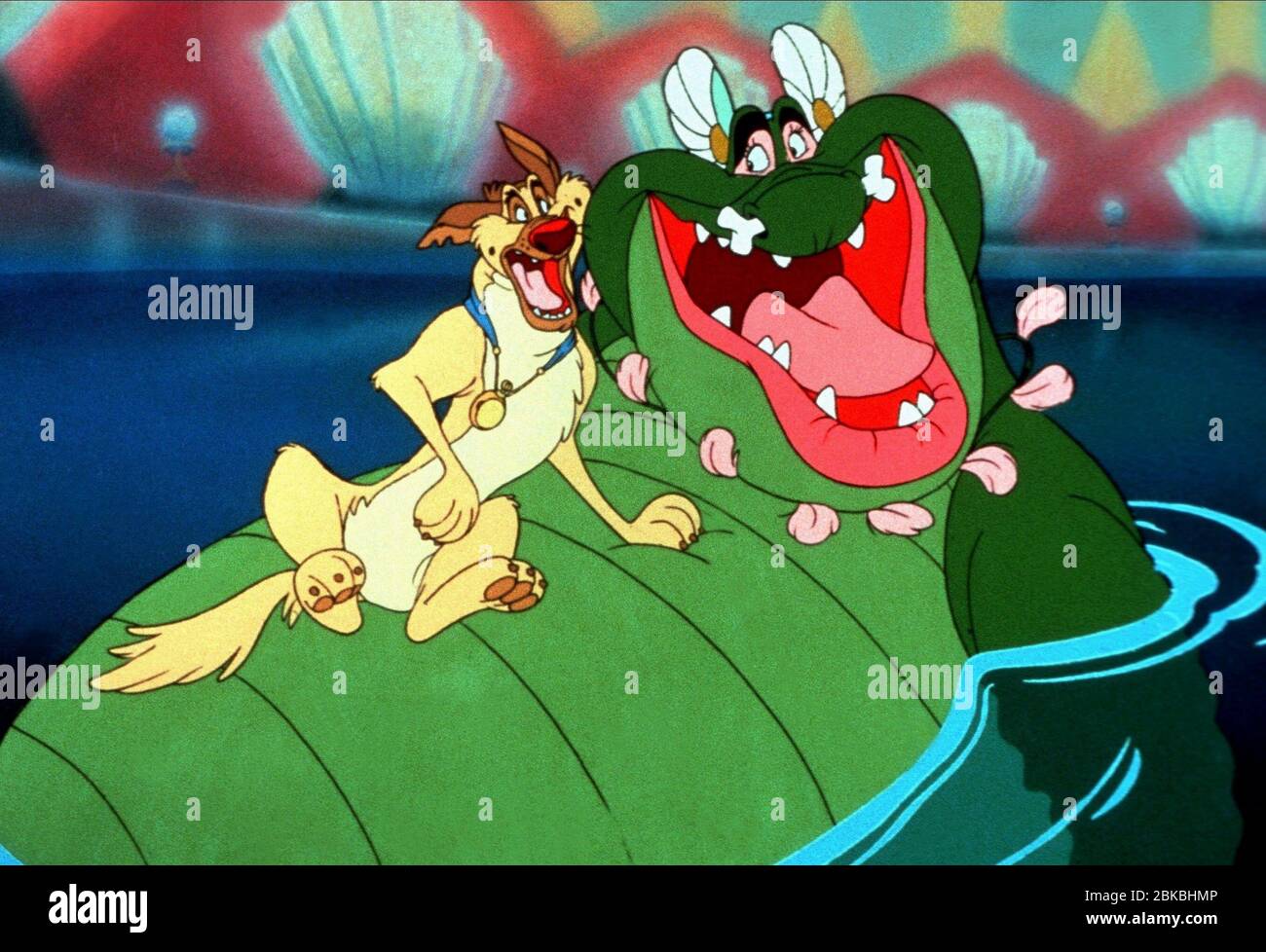
In the 1989 animated classic All Dogs Go to Heaven, the primary protagonist, Charlie B. Barkin, is a charismatic German Shepherd mix. Voiced by the late Burt Reynolds, Charlie’s character design leverages the intelligence and physical presence of the German Shepherd breed to portray a complex, street-smart rogue who eventually finds redemption through sacrifice.
The Architectural Design of a Rogue: Why a German Shepherd?
When Don Bluth and his team of animators began conceptualizing All Dogs Go to Heaven in the late 1980s, the choice of breed for the lead character was a pivotal creative decision. While many animated films of the era leaned toward smaller, "cuter" breeds or generic mutts to garner immediate sympathy, Bluth chose a German Shepherd mix. This choice was intentional, aimed at establishing a character who possessed both physical authority and a perceptible sense of world-weariness.
The German Shepherd is globally recognized for its intelligence, loyalty, and protective instincts. However, Charlie B. Barkin subverts these traditional expectations at the start of the film. Instead of the disciplined K9 or the loyal family guardian, Charlie is introduced as a gambler, a con artist, and a hedonist. The "mix" aspect of his breed—characterized by his somewhat scruffy appearance and lanky frame—softens the rigid, intimidating silhouette of a purebred German Shepherd, making him more approachable as a "lovable loser" archetype.
Technically, Charlie’s design utilizes the sharp, triangular ears and elongated snout typical of the breed to convey a wide range of emotions. In animation, these features are essential for "squash and stretch" techniques. Charlie’s ears, in particular, act as emotional barometers throughout the film, drooping during his moments of existential crisis in the "Rat Race" sequences and pinning back during his confrontations with the villainous Carface Carruthers.
The Voice of the Breed: Burt Reynolds’ Influence on Charlie
One cannot analyze the German Shepherd in this film without acknowledging the transformative performance of Burt Reynolds. In 1989, Reynolds was the epitome of the "charming rogue," and his persona was deeply integrated into Charlie’s characterization. The animators reportedly watched Reynolds' previous live-action performances to capture his mannerisms, particularly his smirk and the way he carried himself with a mixture of confidence and casual neglect.
This synergy between the breed’s visual identity and Reynolds' voice created a unique cinematic entity. The German Shepherd is a breed known for its "vocal" nature—whining, barking, and grumbling to communicate. Reynolds translated this into a fast-talking, ad-libbing performance that gave Charlie a distinct "New Orleans" flavor. The chemistry between Reynolds and Dom DeLuise (who voiced Itchy Itchiford, the Dachshund sidekick) was so organic that much of their dialogue was recorded together in the same room, a rarity for animation at the time. This interaction cemented the German Shepherd-Dachshund duo as one of the most memorable "odd couple" pairings in animation history.
Technical Animation and Breed-Specific Movement
The animation of Charlie B. Barkin required a deep understanding of canine anatomy, specifically the gait and posture of a large-breed dog. German Shepherds are known for their "trot," a ground-covering movement that is both efficient and powerful. In the film’s more kinetic scenes—such as the escape from the pound or the frantic chase sequences through the bayou—the animators captured the heavy, muscular drive of a Shepherd.
However, because All Dogs Go to Heaven is a musical and a fantasy, Charlie often moves in anthropomorphic ways. The challenge for the Don Bluth studios was maintaining the "dog-ness" of the character while allowing him to dance, hold objects, and interact with the young human orphan, Anne-Marie.
Key Animation Features of Charlie:
- The Muzzle: Unlike the flatter faces of the bulldogs in the film, Charlie’s long German Shepherd muzzle allowed for expressive lip-syncing and exaggerated grins.
- The Tail: Used as a prop for physical comedy and a visual indicator of his true feelings, often betraying his "tough guy" exterior.
- The Paws: Designed to be large and somewhat clumsy, emphasizing his rough-around-the-edges personality compared to the more refined movements of the "Heavenly" dogs.
Comparing Charlie B. Barkin to Other Famous Animated Canines
To understand the impact of the German Shepherd in All Dogs Go to Heaven, it is useful to compare Charlie with other prominent dogs in film history. By 2026, looking back at the evolution of canine characters, Charlie remains a standout due to his moral ambiguity.
| Character | Breed | Primary Trait | Role in Story |
|---|---|---|---|
| Charlie B. Barkin | German Shepherd Mix | Street-smart Rogue | Protagonist seeking redemption |
| Itchy Itchiford | Dachshund | Nervous Sidekick | Support and "voice of reason" |
| Carface Carruthers | Pit Bull/Bulldog Mix | Ruthless Villain | Antagonist/Crime Boss |
| Trampy (Lady & Tramp) | Mutt | Romantic Adventurer | Love interest/Guide |
| Pongo (101 Dalmatians) | Dalmatian | Protective Father | Family-oriented Hero |
As shown in the table, Charlie occupies a space that is less about traditional heroism and more about the "Anti-Hero" journey. While Pongo or Balto represent the idealized "noble" dog, Charlie represents the flawed, human-like struggle between self-interest and altruism.
Narrative Themes: Mortality and the "German Shepherd Spirit"
A significant portion of All Dogs Go to Heaven deals with heavy themes: death, the afterlife, and the concept of a "life well-lived." The German Shepherd is often associated with service and duty. By placing a Shepherd in a narrative where he actively avoids duty—initially using a "Life Watch" to cheat death—the film creates a poignant irony.
Charlie’s journey from a dog who only cares about his next "big score" to one who gives up his life to save a child is a classic redemption arc. For many viewers, the image of the German Shepherd—a breed they associate with protection—finally fulfilling that role at the end of the film provides a deeply satisfying emotional payoff. The film’s climax, involving a harrowing rescue from a burning building and a watery grave, utilizes the physical bravery inherent in the German Shepherd's reputation to drive home the weight of Charlie’s sacrifice.
The 2026 Perspective: Cultural Impact and Legacy
As we evaluate the film from the perspective of 2026, All Dogs Go to Heaven remains a cornerstone of non-Disney animation. Its darker tone and willingness to explore the "sins" of its protagonist set it apart. For the German Shepherd breed specifically, Charlie B. Barkin helped broaden the public perception of the dog beyond the "police dog" or "war hero" stereotypes.
The film spawned sequels and a television series, though many critics agree that the original 1989 film captured a "lightning in a bottle" energy that later iterations struggled to replicate. The 2026 viewer often revisits the film through a nostalgic lens, but the technical prowess of the character animation—specifically how the team translated the personality of a German Shepherd into a noir-inspired musical—remains a subject of study in animation schools.
Common Misconceptions About Charlie's Breed
It is a common debate among fans whether Charlie is a "purebred" German Shepherd. Officially, he is referred to as a "German Shepherd mix." This is a crucial distinction. In the context of 1930s New Orleans (where the film is set), a purebred, registered German Shepherd would have been an expensive rarity. Making him a "mutt" or a mix aligns him with the working-class, "gutter-to-glory" aesthetic of the film’s setting and Charlie’s own backstory.
FAQs About German Shepherds in All Dogs Go to Heaven
Why was a German Shepherd chosen as the lead character instead of a more "heroic" breed?
Don Bluth often preferred characters that had a bit of "grit." A German Shepherd provided a strong, recognizable silhouette that could handle both the comedic and the dramatic elements of the script. The breed's reputation for intelligence also made Charlie’s "con artist" schemes more believable to the audience.
Does Charlie B. Barkin represent the actual temperament of a German Shepherd?
While Charlie exhibits the high intelligence and eventual loyalty of the breed, his "scammer" personality is a creative personification intended for the film's narrative. However, his high energy and "talkative" nature are very much in line with real-world German Shepherd traits.
How did the animators handle the darker themes of the film using a dog protagonist?
By using a dog, the filmmakers could explore themes of death and the afterlife in a way that was accessible (though still intense) for children. The "all dogs go to heaven" premise relies on the inherent innocence of animals, which provides a hopeful counterpoint to Charlie’s underworld activities.
Are there other German Shepherds in the All Dogs Go to Heaven franchise?
While Charlie is the central GSD, the sequels and TV series introduced various other breeds. However, the German Shepherd silhouette remained the "face" of the franchise, synonymous with the brand's identity and its unique blend of humor and heart.
What is the significance of the "Life Watch" in relation to Charlie?
The Life Watch is a plot device that allows Charlie to return to Earth. From a character analysis standpoint, it represents his refusal to accept the "natural order." As a breed often used for tracking and timing in real-world work, the irony of a German Shepherd being "slaved to the clock" in a supernatural sense adds a layer of depth to his character arc.
Recommendations for Fans and Researchers
If you are interested in the intersection of canine breeds and animation history, the following actions are recommended:
- Watch the "Making Of" Documentaries: Seek out the behind-the-scenes footage from the Don Bluth archives, which often detail the character model sheets for Charlie. These documents show how the animators balanced the GSD's anatomy with the need for human-like expressions.
- Compare with 'Oliver & Company': For a 1980s comparison, watch Disney’s Oliver & Company (1988). Compare the character of Dodger (a Terrier mix) with Charlie. You will notice how the German Shepherd breed allows for a more "imposing" but ultimately more "soulful" character arc than the smaller, scrappier Terrier.
- Explore the Voice Work: Listen to Burt Reynolds’ interviews regarding the film. His pride in the character of Charlie was evident, and he often cited it as one of his favorite roles because it allowed him to play a version of himself in canine form.