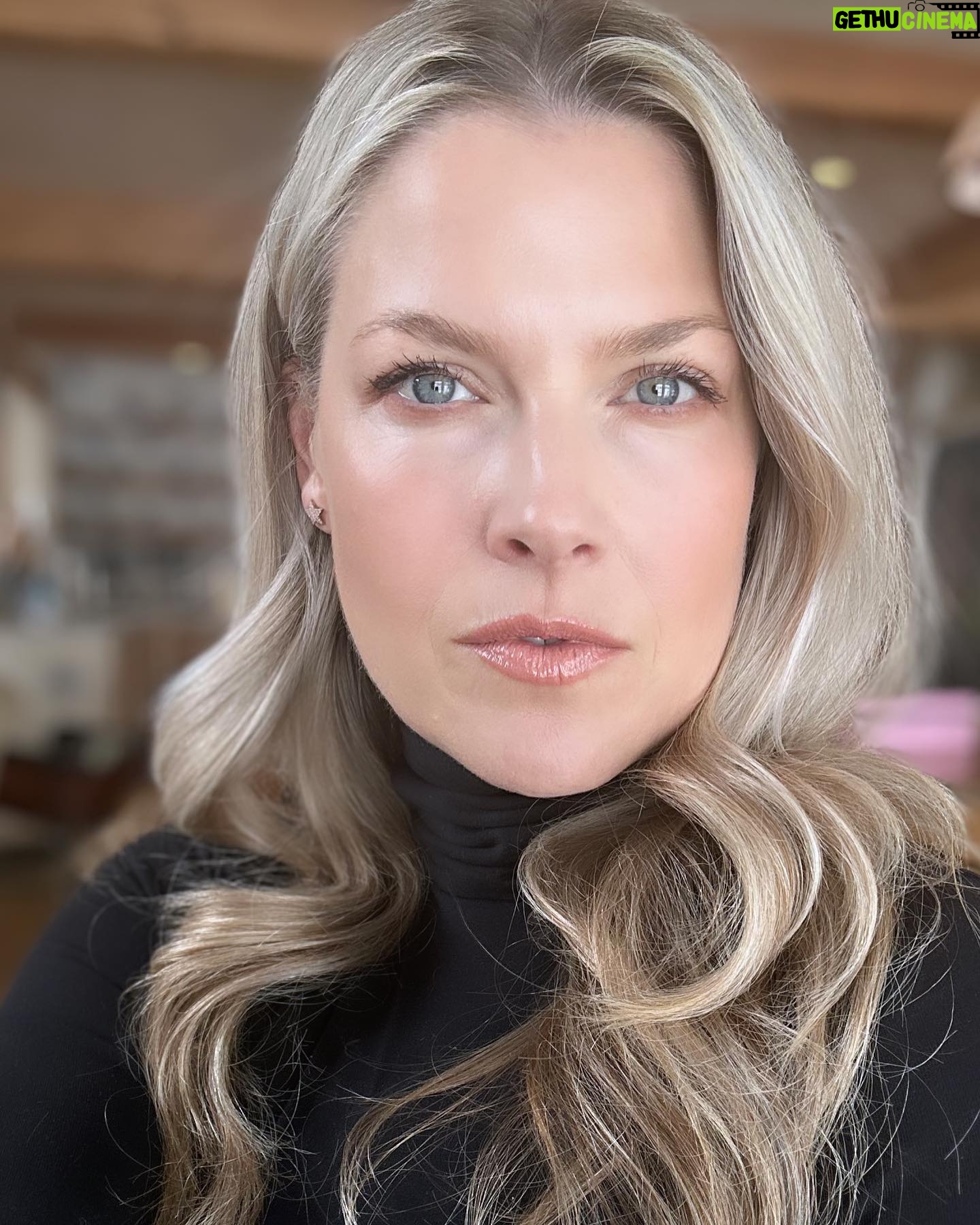
Ali Larter, born Alison Elizabeth Larter, is a highly regarded American actress and former model who has built an enduring career in both film and television. Best known for her iconic roles in genre-defining projects like the Final Destination horror franchise and the NBC superhero series Heroes, Larter has demonstrated a consistent ability to transition between action, thriller, and dramatic storytelling throughout her multi-decade career.
The trajectory of Ali Larter’s career reflects the evolution of modern Hollywood, moving from late 1990s teen-centric media to the expansive, serialized storytelling of the golden age of television. Her professional life is characterized by a mix of commercial blockbusters and niche genre work, establishing her as a versatile performer capable of anchoring high-stakes narratives. As of 2026, her body of work serves as a significant case study for actors navigating the transition from model-turned-actress to established television and cinematic lead.
Early Career and Entry into Entertainment
Before transitioning to screen acting, Ali Larter began her professional life in the modeling industry. Born in Cherry Hill, New Jersey, her early years were marked by a rapid ascent through the fashion world, which provided her with the early visibility required to move into film and television projects. The transition from modeling to acting is a well-documented path in the entertainment industry; however, Larter distinguished herself by successfully securing roles that required more than mere presence, demanding physical stamina and comedic timing.
Her early appearances included guest spots on popular 1990s television shows, such as Chicago Sons and Just Shoot Me!. These initial roles were foundational, offering her the opportunity to learn the mechanics of set production and camera work before taking on larger, more demanding characters.
The Breakout Years: Film and Horror Success
Larter’s move to significant cultural prominence occurred largely through the horror genre. In 1999, she appeared in the cult classic Varsity Blues, which helped establish her public persona as a relatable yet commanding onscreen presence. This was followed by her role as Clear Rivers in Final Destination (2000), a project that became a massive success and effectively launched a multi-part film franchise.
The importance of the Final Destination role cannot be overstated. It solidified her status as a "scream queen" and a bankable star in the thriller genre. She reprised the role in Final Destination 2 (2003), marking one of the few instances where a horror protagonist returned with significant narrative agency, helping to bridge the gap between the film’s disparate entries.
Notable Filmography Milestones
Throughout the 2000s and 2010s, Larter maintained a steady output of film work that demonstrated her range:
- Legally Blonde (2001): Playing Brooke Taylor-Windham, Larter showcased her ability to play characters with high energy and comedic appeal in a mainstream hit.
- Resident Evil Series: Joining the franchise as Claire Redfield in Resident Evil: Extinction (2007), Afterlife (2010), and The Final Chapter (2016), she demonstrated her capacity for high-octane action sequences.
- Obsessed (2009): This psychological thriller allowed Larter to take on a more antagonistic role, showcasing her capability in dramatic, high-tension settings opposite Idris Elba and Beyoncé.
Television Stardom: The Heroes Phenomenon
While her film work established her notoriety, it was her transition into television that defined her mid-career trajectory. Her casting in the NBC series Heroes (2006–2010) as Niki Sanders (and later, other iterations of the character) placed her at the center of a pop-culture phenomenon.
Heroes was a complex, ensemble-driven show that required actors to navigate heavy visual effects and convoluted serialized plots. Larter’s performance was pivotal, as she played a character struggling with dual identities and repressed trauma. The show’s massive ratings in its early seasons cemented her status as a household name. This role underscored her transition from a film supporting actress to a lead television star, proving she could sustain audience interest across lengthy network seasons.
Strategic Career Evolution
In the years following Heroes, Larter maintained her television profile through projects like the police procedural Legends (2014–2015) and the legal drama Pitch (2016). Her selection of roles consistently favored projects that required strong, proactive characters, avoiding the pitfalls of typecasting that often affect genre stars.
Comparative Overview of Career Phases
The following table categorizes the distinct phases of Ali Larter’s career to illustrate her growth and thematic focus over time.
| Career Phase | Representative Genre | Primary Impact | Notable Project |
|---|---|---|---|
| Early Career | Teen Drama/Sitcom | Market Exposure | Varsity Blues |
| Horror Icon | Thriller/Slasher | Commercial Bankability | Final Destination |
| TV Lead | Sci-Fi/Supernatural | Cultural Prominence | Heroes |
| Mature Actor | Drama/Procedural | Industry Versatility | Pitch |
Professional Methodology and Technical Skills
Larter’s career longevity is a testament to her adaptability regarding the technical requirements of modern acting. In productions like the Resident Evil franchise, she was required to perform complex choreography, utilize practical weapons, and work extensively with green-screen technology. These are not merely artistic skills but technical requirements for high-budget commercial filmmaking.
Furthermore, her work in network television requires an ability to maintain character consistency over dozens of episodes, often under tight production deadlines. The ability to switch between the intense, high-stakes requirements of an action set and the nuanced emotional beats required for television drama is a core component of her professional toolkit.
Frequently Asked Questions
1. Is Ali Larter still active in acting as of 2026? Yes, Ali Larter remains an active member of the entertainment industry. She continues to select projects that align with her experience in both television and film, maintaining a presence in both commercial and independent production environments.
2. Which role is considered Ali Larter's most iconic? While opinions vary, her portrayal of Clear Rivers in the Final Destination franchise and Niki Sanders in Heroes are widely considered her most iconic and culturally significant roles. These projects defined her career and established her status with a global audience.
3. Did Ali Larter have a background in modeling before acting? Yes, before her film debut, Larter had a successful career as a fashion model. She was signed to the Ford Modeling Agency and worked internationally, which provided the early industry exposure that facilitated her transition into screen acting in the late 1990s.
4. How has Ali Larter’s acting style changed over time? Her early career was characterized by high-energy roles in teen and horror genres. As her career progressed, she moved toward more layered, dramatic, and procedural-focused characters. This evolution reflects a shift from relying on physical presence to honing internal, character-driven performances.
5. What is the main appeal of the roles Ali Larter selects? Larter generally gravitates toward "proactive" roles. Whether it is a survivor in a horror film or a complex figure in a legal drama, her characters are typically the driving force of the narrative, which helps maintain audience engagement in genre-based storytelling.
Next Actions for Fans and Researchers
For those looking to explore Ali Larter’s work further, a logical starting point is to distinguish between her film and television contributions. If you are interested in the evolution of modern horror, the first two Final Destination films provide a clear look at late-90s genre trends. For an examination of serial television storytelling, the first two seasons of Heroes are essential viewing.
To verify specific project details or explore her most recent work, consult official industry databases such as the Internet Movie Database (IMDb) or trade publications like Variety. These sources offer verified records of her casting, production credits, and current affiliations as of 2026.