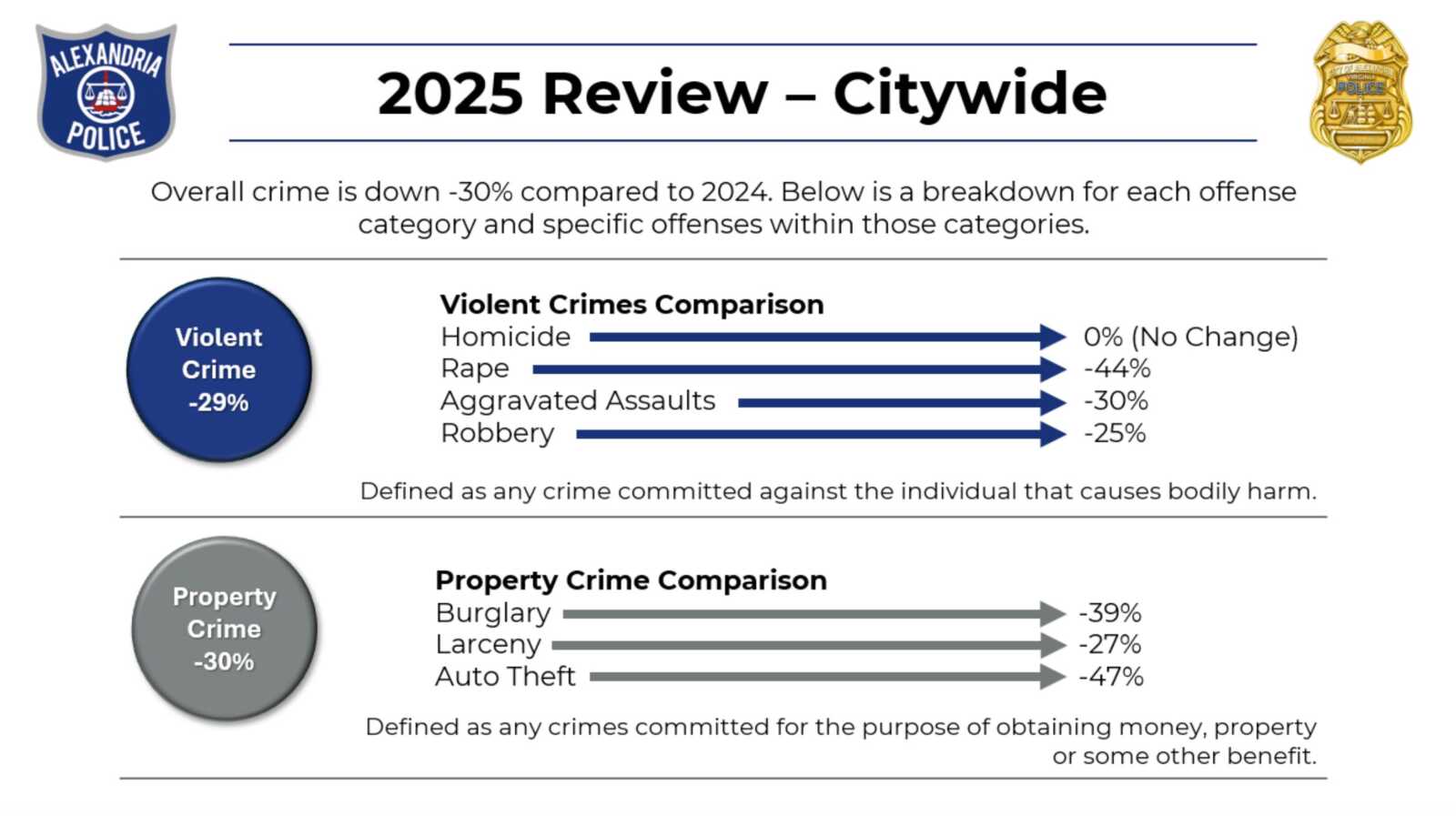
Alexandria, Louisiana, manages ongoing public safety challenges through a combination of law enforcement strategies, municipal initiatives, and community-based intervention programs. Residents and stakeholders analyze current crime trends by examining reported incidents, shifting demographic safety data, and the socioeconomic variables that influence local security, aiming to foster long-term community stabilization and crime reduction.
Analyzing Crime Trends in Alexandria
Crime trends in Alexandria are typically evaluated using data reported through the Louisiana Incident-Based Reporting System (LIBRS), which mirrors federal reporting standards. By observing these trends, local officials and the public can identify whether crime is localized to specific geographic sectors or if broader patterns are emerging across the city.
The categorization of crime generally splits into Part I offenses (violent crimes such as homicide, robbery, and aggravated assault) and property crimes (burglary, larceny, and motor vehicle theft). Trends fluctuate annually based on factors such as economic health, police department staffing levels, and the efficacy of proactive patrols. As of 2026, the focus for the Alexandria Police Department (APD) remains on data-driven policing, which involves deploying resources to areas where historical incident data suggests a higher probability of criminal activity.
Understanding these trends requires a distinction between reported incidents and conviction rates. While raw incident data provides a baseline for community safety perceptions, it does not always account for clearance rates—the percentage of cases that end in an arrest or other resolution. Community members often look to these clearance rates as a metric for trust and accountability within the justice system.
Socioeconomic Factors and Community Impact
The relationship between crime and community stability is multifaceted. In Alexandria, economic development projects are frequently discussed in the context of public safety, as higher employment rates and improved infrastructure are traditionally associated with lower crime rates. When a neighborhood experiences a high volume of property crime, the impact on residents is tangible: increased insurance premiums, the cost of installing private security systems, and a general decline in the perceived quality of life.
The "broken windows" theory—a concept suggesting that visible signs of disorder, such as graffiti or neglected property, encourage further crime—has historically influenced local urban planning in Alexandria. By focusing on blight remediation, code enforcement, and community beautification, the city aims to create an environment where criminal activity is less likely to take root. This strategy relies on the cooperation of property owners, local businesses, and municipal departments to maintain high standards of living.
Furthermore, the impact of crime extends to local commerce. Businesses operating in high-crime corridors face unique challenges, including higher overhead costs related to security staffing and potential customer reluctance to visit during evening hours. Addressing these issues requires a collaborative effort between the business community and local law enforcement to ensure that commercial districts remain viable and safe for everyone.
Law Enforcement and Municipal Strategies
The Alexandria Police Department utilizes several strategies to manage and mitigate crime. These include:
- Community Policing: Officers are encouraged to engage with residents, attend neighborhood watch meetings, and build relationships that transcend enforcement. The goal is to establish the police as a reliable resource rather than a purely reactive force.
- Data-Driven Deployments: Utilizing crime mapping software, the APD shifts patrol schedules to align with the times and locations where criminal activity has historically peaked.
- Youth Engagement Programs: Many community leaders argue that crime prevention starts with the next generation. Police-led youth mentorship programs and partnerships with local schools aim to provide alternatives to gang involvement or criminal activity.
- Inter-agency Cooperation: Coordination with the Rapides Parish Sheriff’s Office and state agencies allows for a more comprehensive approach to managing criminal activity that crosses municipal boundaries.
Comparative Overview of Community Safety Factors
| Factor | Primary Impact on Crime Trends | Mitigation Strategy |
|---|---|---|
| Youth Engagement | Long-term crime reduction | After-school programs and mentorship |
| Neighborhood Blight | Encourages criminal activity | Code enforcement and cleanup efforts |
| Police Presence | Short-term deterrence | Data-driven patrol allocations |
| Economic Opportunity | Addresses root causes | Workforce development and business support |
The Role of Neighborhood Watch and Citizen Participation
Citizen participation is a critical component of the safety ecosystem in Alexandria. Neighborhood Watch programs, when properly organized, act as an extension of the police force's eyes and ears. These programs provide residents with a structured way to communicate concerns to the police and share safety tips with neighbors.
However, effective community engagement requires balance. There is a fine line between vigilance and over-policing, and healthy communication between the community and the APD is essential to maintaining this equilibrium. Residents are encouraged to report suspicious activity through official channels rather than attempting intervention, which keeps the community safe while allowing law enforcement to maintain its role as the primary authority in criminal matters.
Beyond reporting, participation in municipal government—such as attending City Council meetings—allows residents to advocate for increased lighting, improved street infrastructure, and funding for community programs. These tangible improvements often yield the most sustainable long-term safety benefits.
Addressing Common Concerns and Challenges
One common question among residents is how to interpret crime statistics without inducing alarmism. Statistics are snapshots in time; they are most useful when viewed as part of a multi-year trend. A sudden uptick in a specific month may be due to a single incident or a specific series of arrests, rather than a systemic decline in safety.
Another challenge involves the limitations of public records. While data is accessible, it is not always real-time. There is often a lag between when an incident occurs and when it is formally entered into public databases. Understanding this lag is vital for residents who track neighborhood safety.
Frequently Asked Questions
1. How can I verify local crime data for my specific neighborhood in Alexandria? Residents can access official incident reports through the Alexandria Police Department’s public information office or the designated municipal portal. These reports provide verified data on reported offenses, though they may exclude sensitive information to protect ongoing investigations.
2. What is the most effective way to report suspicious activity? Always contact the APD via their non-emergency line for suspicious but non-urgent behavior. For active crimes in progress or life-threatening situations, use 911. Avoid confronting individuals directly, as this poses a safety risk to yourself and others.
3. Do property crimes necessarily lead to higher violent crime rates? Not necessarily. While some areas experience both, property crime is often correlated with socioeconomic indicators, whereas violent crime is frequently linked to interpersonal conflicts. Strategies for addressing both often overlap, but their root causes and solutions differ.
4. How does the current city budget affect crime trends? Municipal budget allocations dictate the number of sworn officers, the availability of specialized task forces, and the funding for community outreach programs. Budgetary shifts can directly impact the frequency of patrols and the availability of resources for preventative initiatives.
5. Are neighborhood watches effective in Alexandria? Yes, they are generally effective when they serve as a communication bridge between citizens and the APD. They work best when they focus on information sharing and incident reporting rather than active patrolling or surveillance.
Next Steps for Residents and Community Stakeholders
For residents concerned about crime trends in Alexandria, the most proactive step is to engage with local resources. Start by identifying your specific police district and attending community meetings hosted by the APD. These forums are designed to facilitate an open dialogue between the department and the public.
If you are a business owner or property manager, prioritize the physical security of your premises through adequate lighting, clear lines of sight, and participation in local business associations. Finally, maintain a focus on long-term community health. Support initiatives that focus on education, employment, and youth development, as these are the strongest indicators of future safety and stability. For specific legal questions or to address individual safety concerns, contact the Alexandria Police Department directly to discuss established safety guidelines and crime-prevention resources.