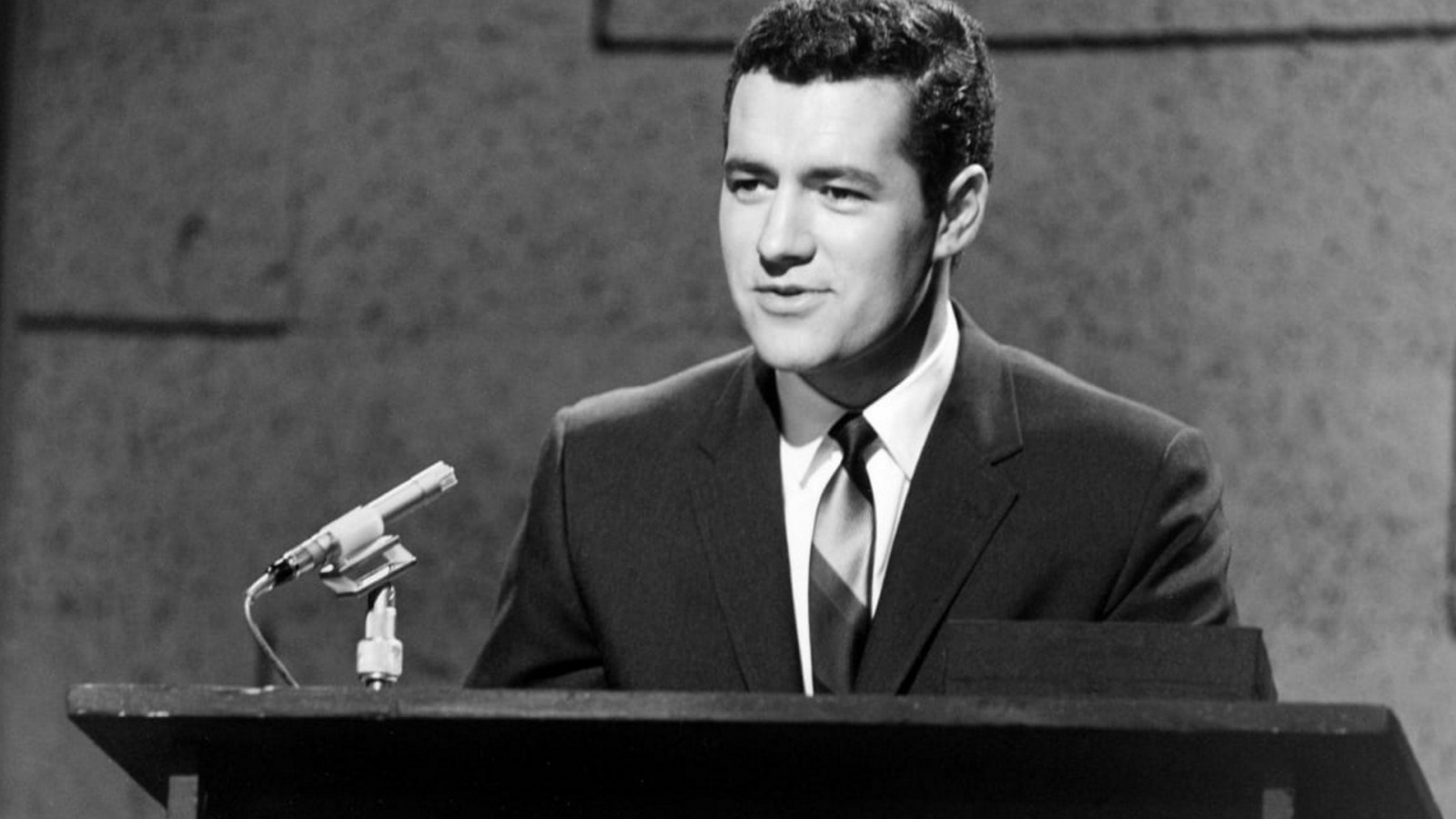
For nearly two decades, Alex Trebek served as the primary spokesperson for Colonial Penn Life Insurance, specifically promoting their "Guaranteed Acceptance" whole life insurance program. These television commercials became a staple of daytime and late-night broadcasting, leveraging Trebek’s reputation for intelligence and integrity to sell "unit-based" coverage featuring the famous $9.95 price point.
The image of Alex Trebek sitting in a comfortable living room or standing in a brightly lit studio, calmly explaining the "Three P’s" of life insurance, remains one of the most recognizable examples of celebrity endorsement in the financial services sector. While Trebek is best known as the legendary host of Jeopardy!, his role in these commercials significantly influenced how life insurance is marketed to the senior demographic. Understanding these ads requires a look at the specific product offered, the marketing psychology behind Trebek’s presence, and the technical structure of "unit-based" insurance pricing.
The Partnership: Why Alex Trebek?
The collaboration between Alex Trebek and Colonial Penn began in the early 2000s and lasted until his passing in 2020. At the time the partnership was formed, Colonial Penn needed a face that conveyed absolute trust. Life insurance, particularly "guaranteed acceptance" products, often targets a demographic that is wary of hidden fees, complex legal jargon, and the fine print associated with financial contracts.
Trebek was the perfect candidate for several reasons:
- Intellectual Authority: As the host of Jeopardy!, he was synonymous with facts, truth, and knowledge. If Alex Trebek told you a product was a "smart choice," the audience believed him.
- Universal Appeal: He possessed a rare "middle-of-the-road" likability that transcended political and social divides, making him an ideal ambassador for a product intended for a broad national audience.
- Calm Demeanor: His presentation style was never high-pressure. He didn't use the aggressive "shouting" tactics often seen in late-night commercials. Instead, he spoke as a peer or a helpful advisor.
By 2026, marketing analysts still point to this partnership as a gold standard in "affinity marketing." Colonial Penn wasn't just selling a policy; they were leasing Trebek's credibility to reassure seniors that they wouldn't be rejected for coverage regardless of their health history.
Decoding the "Three P’s" of Colonial Penn
In almost every television spot, Trebek focused on a simple mnemonic device known as the "Three P's." This was a strategic move to simplify a complex financial product into three digestible points:
1. Plan
The "Plan" referred to the Guaranteed Acceptance Whole Life Insurance policy. The primary selling point was the "guaranteed" nature of the contract. For seniors between the ages of 50 and 85 (in most states), there were no medical exams to take and no health questions to answer. In the world of insurance, this is known as "Simplified Issue" or "Guaranteed Issue," and it is designed for individuals who might be turned down for traditional policies due to pre-existing conditions.
2. Price
The "Price" is perhaps the most famous aspect of the ads: $9.95 per unit. Trebek emphasized that the price would never increase. Once you locked in your rate, it remained the same for the life of the policy. This predictability is crucial for seniors living on fixed incomes, such as Social Security.
3. Price (Again)
The third "P" was also "Price," used as a rhetorical flourish to emphasize affordability. Trebek would often say, "The third P is price, and that’s the most important one." This repetition was designed to drill home the idea that the barrier to entry was less than ten dollars, making it seem accessible to almost anyone.
Technical Analysis of the $9.95 "Unit" System
To understand what Alex Trebek was selling, one must look past the $9.95 price tag and into the actuarial structure of a "unit." This is where many consumers often felt confused. In a traditional life insurance policy, you choose a death benefit (e.g., $10,000) and the company tells you what it costs. Colonial Penn flipped this model.
In the "unit" system, the price is fixed ($9.95), but the benefit amount varies. The amount of coverage one unit buys depends entirely on the applicant's:
- Age at the time of purchase: A 50-year-old man receives significantly more coverage for $9.95 than an 80-year-old man.
- Gender: Because women statistically have a longer life expectancy, a $9.95 unit typically buys more coverage for a woman than for a man of the same age.
How much coverage did a unit actually provide?
While the ads rarely stated the exact dollar amount (because it varied by individual), the benefit for a single unit was often relatively small, sometimes ranging from a few hundred dollars for the very elderly to a couple of thousand for younger seniors. To get a substantial benefit, such as $10,000 or $15,000, a consumer would need to purchase multiple units, bringing the monthly cost well above the advertised $9.95.
| Age at Purchase (Male) | Estimated Benefit per Unit | Estimated Benefit for 10 Units | Monthly Cost for 10 Units |
|---|---|---|---|
| 50 | ~$1,600 - $1,800 | ~$17,000 | $99.50 |
| 60 | ~$1,100 - $1,300 | ~$12,000 | $99.50 |
| 70 | ~$700 - $800 | ~$7,500 | $99.50 |
| 80 | ~$400 - $500 | ~$4,500 | $99.50 |
Note: These figures are illustrative based on historical Colonial Penn rate sheets and vary by state and specific filing year.
The "Limited Benefit" Period: A Critical Disclosure
One aspect of the ads that Trebek handled with his characteristic clarity—though it was often missed by viewers—was the two-year limited benefit period.
Because the insurance is "guaranteed acceptance" (meaning the company takes on high-risk individuals without checking their health), they protect themselves from immediate losses through a "graded death benefit." If the policyholder dies from natural causes within the first two years of the policy, the beneficiary does not receive the full face value. Instead, they typically receive the premiums paid plus a small percentage of interest (usually 7% to 10%). After the two-year mark, the full benefit is payable for any cause of death.
Trebek’s role was to make this trade-off seem fair: you give up the first two years of full coverage in exchange for the certainty that you cannot be turned down.
The Impact of Celebrity Endorsement on Financial Literacy
The Alex Trebek Colonial Penn ads are often used in academic studies regarding "source credibility" in advertising. For many seniors, the "Jeopardy! guy" wasn't just a pitchman; he was a trusted source of information. This created a phenomenon where the audience often skipped their own due diligence because they felt Trebek had already "vetted" the product for them.
However, this also led to criticisms from financial advocates. Some argued that while the ads were factually accurate, the emphasis on the $9.95 price misled people into thinking they could get significant coverage for a negligible amount. In reality, "Guaranteed Issue" life insurance is almost always the most expensive way to buy life insurance on a "per thousand dollars of coverage" basis. Healthy seniors could often find much higher death benefits for lower premiums by choosing a "Simplified Issue" policy that required answering just a few health questions.
Comparing Guaranteed Acceptance to Other Options
When viewing these ads in 2026, it is helpful to place the product Alex Trebek sold within the wider context of the insurance market.
Guaranteed Acceptance vs. Term Life
Term life insurance is usually for a specific period (10, 20, or 30 years). Trebek’s product was Whole Life, meaning it lasts for the person's entire life and builds a small amount of cash value over time. While term life is cheaper, it eventually expires, which is why it is less popular for "final expense" planning.
Guaranteed Acceptance vs. Traditional Whole Life
Traditional whole life requires a medical exam. If you are in good health, you might pay $30 a month for $10,000 of coverage. With the guaranteed acceptance model Trebek sold, a person in poor health might pay $70 a month for that same $10,000. The "Alex Trebek policy" was specifically designed for the "uninsurable" population—those with heart disease, diabetes, or other chronic conditions who had no other options.
The Cultural Legacy of the Commercials
Alex Trebek’s commercials for Colonial Penn became so ubiquitous that they entered the realm of pop culture. They were frequently parodied on late-night sketch shows, and the "$9.95" catchphrase became a shorthand for senior-targeted advertising.
Even after Trebek’s death, Colonial Penn continued to run ads featuring him for a period, with a tribute to his legacy. Eventually, the company transitioned to a new spokesperson, Jonathan Lawson, who adopted a similar "explainer" style. However, the "Trebek Era" remains the definitive period for the brand. The ads succeeded because they didn't feel like commercials; they felt like a public service announcement from a man who spent his evenings rewarding people for knowing the right answers.
FAQs About Alex Trebek’s Life Insurance Ads
Is the $9.95 life insurance plan still available in 2026?
Yes, Colonial Penn continues to offer the Guaranteed Acceptance Life Insurance plan at the $9.95 per unit price point. While the spokesperson has changed, the underlying product structure—unit-based pricing for seniors aged 50 to 85—remains the core of their direct-to-consumer business model.
Did Alex Trebek actually use the insurance he sold?
There is no public record indicating whether Alex Trebek held a Colonial Penn policy himself. Most celebrity spokespeople are contracted to represent the brand, but their personal financial portfolios are typically much more complex than the simple final-expense products they promote on television.
Why was $9.95 the specific price chosen for the ads?
The $9.95 price is a classic "psychological pricing" tactic. Keeping the price under the $10 threshold makes the commitment feel "trivial" or "low-risk" to the consumer. In the insurance industry, this is often referred to as a "threshold price" intended to generate the maximum number of leads, which the company can then follow up on to sell more units.
What happens if I die before the two-year waiting period Trebek mentioned?
If death occurs within the first two years due to natural causes (illness), the policy pays a "return of premiums" plus interest. If the death is accidental (e.g., a car accident), the full benefit is typically paid out even if the policy has only been in force for a few months. This "accidental death" exception is a standard feature of graded benefit policies.
Can younger people buy the $9.95 plan?
Generally, no. The product Trebek advertised is specifically filed with state insurance departments for the 50–85 age bracket (this varies slightly by state, with some starting at age 40 or 45). Younger individuals are usually steered toward term life or standard whole life products, as they are a lower actuarial risk.
Summary of Considerations
When evaluating the "Alex Trebek" life insurance model, consumers should consider the following:
- The Benefit Gap: Ensure you calculate exactly how much coverage you are getting for your units. Do not assume one unit covers a full funeral.
- The Health Trade-off: If you are in relatively good health, you can likely find a better rate elsewhere. This product is a "safety net" for those who cannot qualify for traditional insurance.
- The Waiting Period: Be aware of the two-year graded benefit. It is a fundamental part of the "guaranteed" promise.
Alex Trebek’s television ads for Colonial Penn were a masterclass in building brand authority. They took a niche financial product and made it a household name. While the ads were often simplified for television, they addressed a real need in the market: providing a path to final expense coverage for those who thought they were out of options.