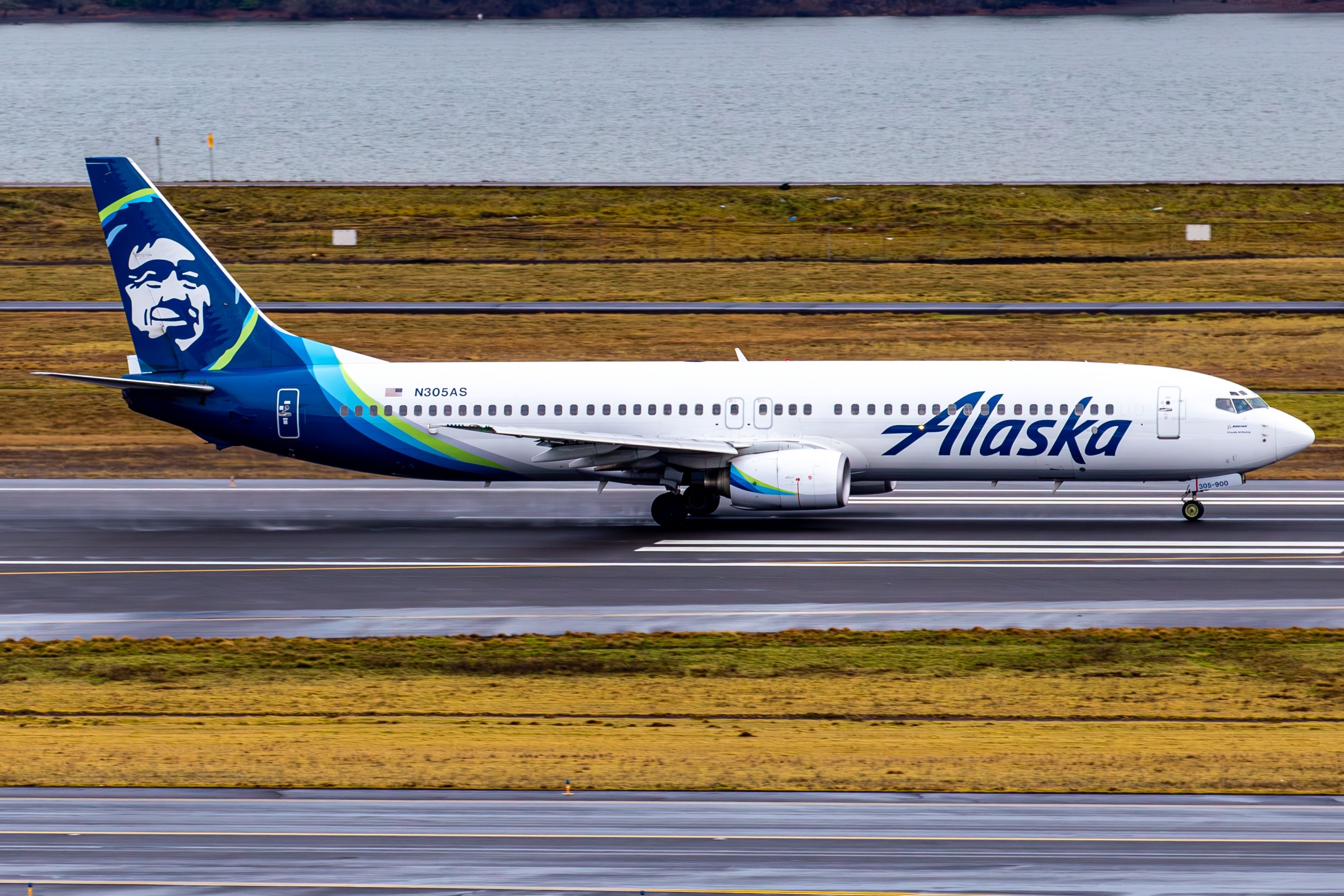
When an Alaska Airlines passenger is arrested for assaulting crew members, the incident triggers a complex sequence of federal legal actions, aviation safety investigations, and long-term consequences for the individual involved. These events extend far beyond a standard arrest, as they fall under specific federal jurisdictions governing interference with flight crew members and attendants, carrying severe criminal penalties and permanent bans from air travel.
The Federal Legal Framework Governing In-Flight Assaults
The safety and security of commercial aviation in the United States are protected by stringent federal statutes. When a passenger assaults or intimidates a flight crew member on an Alaska Airlines flight, they are not merely violating airline policy; they are violating federal law. Under 49 U.S. Code § 46504, it is a federal crime for an individual to assault or intimidate a flight crew member or flight attendant, thereby interfering with the performance of their duties or lessening their ability to perform those duties.
Because the assault occurs within the jurisdiction of the United States aviation system, the Federal Bureau of Investigation (FBI) often joins local law enforcement to evaluate the necessity of federal charges. A conviction under this statute can result in fines and imprisonment for up to 20 years. If a dangerous weapon is used during the assault, the potential prison sentence can extend to life. These laws are designed to act as a significant deterrent, ensuring that the aircraft cabin remains a controlled environment where the authority of the crew is absolute.
Operational Response and Crew Safety Protocols
Alaska Airlines, like all major carriers, operates under rigorous safety management systems (SMS) designed to handle unruly passengers. When an altercation occurs, the flight crew is trained to de-escalate the situation while prioritizing the physical safety of passengers and themselves. This involves a tiered response:
- Verbal De-escalation: Crew members are trained to use non-confrontational communication to calm the passenger and identify the root cause of the distress.
- Notification and Documentation: The flight deck is immediately alerted. The pilot-in-command maintains communication with air traffic control to prepare for an expedited landing or police presence upon arrival.
- Containment and Restraint: As a last resort, if a passenger poses a direct physical threat, the crew may employ restraint devices—such as flex-cuffs—to secure the individual.
- Post-Incident Processing: Upon landing, the aircraft is met by law enforcement. The captain serves as the primary witness, providing documentation to authorities to support the subsequent criminal prosecution.
Consequences for the Passenger: Beyond the Arrest
An arrest for assaulting a flight crew member carries immediate and long-term ramifications that follow the individual well beyond the tarmac.
- Permanent Flight Ban: Alaska Airlines maintains a strict zero-tolerance policy regarding passenger misconduct. Individuals who commit assault are almost invariably placed on a permanent "no-fly" list with the airline. This prohibits the individual from booking tickets, utilizing loyalty program miles, or entering airline-operated lounges.
- Civil Penalties from the FAA: Aside from criminal charges filed by the Department of Justice, the Federal Aviation Administration (FAA) maintains its own civil penalty program. Under the agency's zero-tolerance policy for unruly passengers, the FAA can propose fines reaching tens of thousands of dollars per violation. These civil penalties are separate from any court-ordered restitution or criminal fines.
- TSA PreCheck Revocation: Involvement in a violent incident on a commercial aircraft typically triggers a review of an individual's security clearance. The Transportation Security Administration (TSA) may permanently revoke an individual's eligibility for expedited screening programs like TSA PreCheck, citing the passenger’s history of safety violations.
Comparison of Regulatory and Legal Actions
The following table summarizes the different layers of accountability an individual faces following an inflight assault.
| Authority | Type of Action | Potential Outcome |
|---|---|---|
| Local/Federal Police | Criminal Charges | Arrest, jail time, felony record |
| FAA | Civil Enforcement | Fines up to $37,000+ per violation |
| Alaska Airlines | Corporate Policy | Permanent flight ban, forfeiture of miles |
| TSA | Administrative | Revocation of Known Traveler numbers |
The Role of Air Marshal and Security Presence
While passengers often assume that a Federal Air Marshal (FAM) is on every flight, the reality is that their deployment is strategic and clandestine. In the event of an assault, whether an air marshal is present or not, the crew must rely on their own training to stabilize the aircraft. However, if an air marshal is on board, they are authorized to intervene using force commensurate with the threat. Their primary objective is the protection of the flight deck and the aircraft's integrity, ensuring that no passenger can compromise the safety of the flight.
Reporting and Data Collection on Unruly Behavior
The FAA tracks incidents of "unruly passengers" through a comprehensive reporting database. Since 2021, the agency has heightened its focus on reporting, mandating that airlines provide detailed incident reports for every case of physical assault or threatening behavior. These data points allow the government to identify trends in passenger behavior and adjust safety briefings for cabin crews.
For the general public, this information is often made available through the FAA’s public disclosures. These reports do not typically name the individuals involved unless criminal charges become a matter of public record in a federal court filing, but they do categorize the nature of the incidents—such as physical violence, intoxication, or failure to follow crew instructions.
Supporting the Cabin Crew Post-Incident
After an assault, the emotional and psychological toll on the crew members involved is significant. Alaska Airlines provides support services, including counseling and administrative leave, for employees who have been targeted by violent passengers. The aviation industry recognizes that flight attendants are not just service providers but are the primary safety officers on board. Protecting their authority and mental well-being is essential for maintaining the overall safety of the commercial aviation network.
Frequently Asked Questions
Can I be charged with a federal crime for arguing with a flight attendant? While simple disagreements may not reach the threshold of criminal prosecution, interfering with a crew member's duty is a federal offense. If the behavior escalates to intimidation, threats, or physical contact, it crosses the line from a nuisance to a criminal act punishable under federal law.
Will an arrest on an Alaska Airlines flight affect my ability to fly on other airlines? While airlines are private entities, they frequently share information regarding dangerous passengers through industry-wide security communications. A serious incident resulting in a criminal record can lead to increased scrutiny at airport checkpoints and, in extreme cases, individual airlines may choose to deny service to individuals with a history of inflight violence.
Can I sue the airline if I am restrained during a flight? Under the "carrier's liability" framework, airlines are generally immune from lawsuits if they act in good faith to maintain the safety of the flight. If the crew reasonably believes that a passenger poses a threat to the safety of the aircraft, they are legally authorized to restrain that passenger until law enforcement takes over.
How does the FAA determine the cost of civil fines? The FAA calculates civil penalties based on the severity of the incident, whether the passenger’s actions endangered the flight, and whether the passenger had any prior history of safety violations. Fines are intended to be punitive and are designed to exceed the cost of the ticket significantly.
Can I lose my Alaska Airlines Mileage Plan account? Yes. Misconduct that results in a legal incident or violates the carrier's Conditions of Carriage typically leads to the immediate closure of a Mileage Plan account. Any miles or status accrued are generally forfeited, and the individual will be barred from future membership.
Ensuring Safety Through Compliance
The primary responsibility for safety on any aircraft lies with the passenger's adherence to federal regulations and crew instructions. When boardings occur, passengers are entering a highly regulated, secure environment. Any attempt to disrupt this environment through physical force results in a swift, multi-agency response that combines local law enforcement with federal aviation oversight.
If you are a traveler, the most critical step to avoid these consequences is to follow all instructions provided by the flight crew immediately and without debate. Even when tensions rise or frustrations occur due to delays or service issues, the aircraft cabin is not the venue for conflict. If you find yourself in a situation where you feel a grievance must be addressed, wait until after the flight has concluded to contact airline customer relations. By prioritizing compliance, you ensure your safety, the safety of your fellow passengers, and the integrity of the flight crew’s ability to perform their duties.