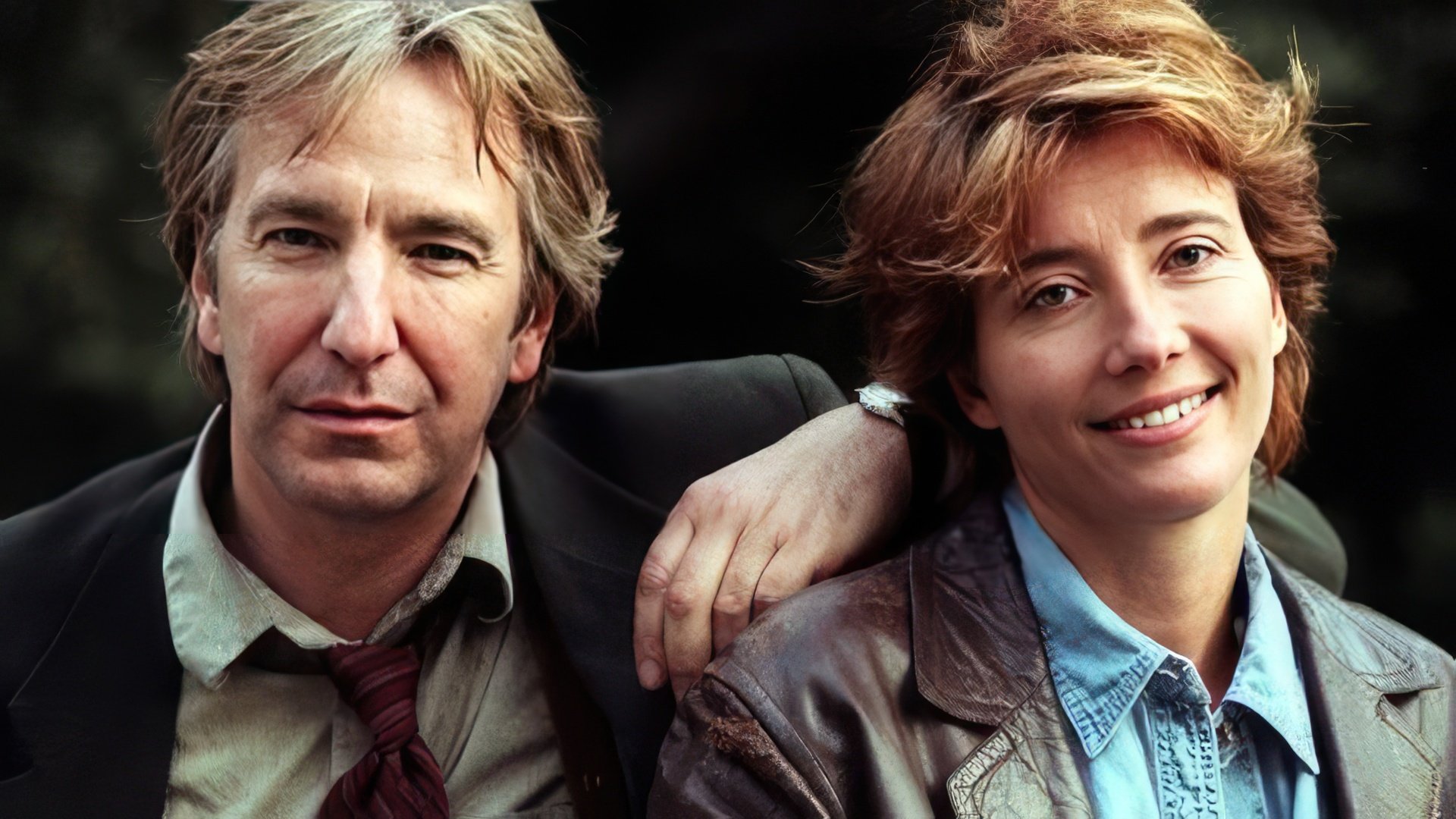
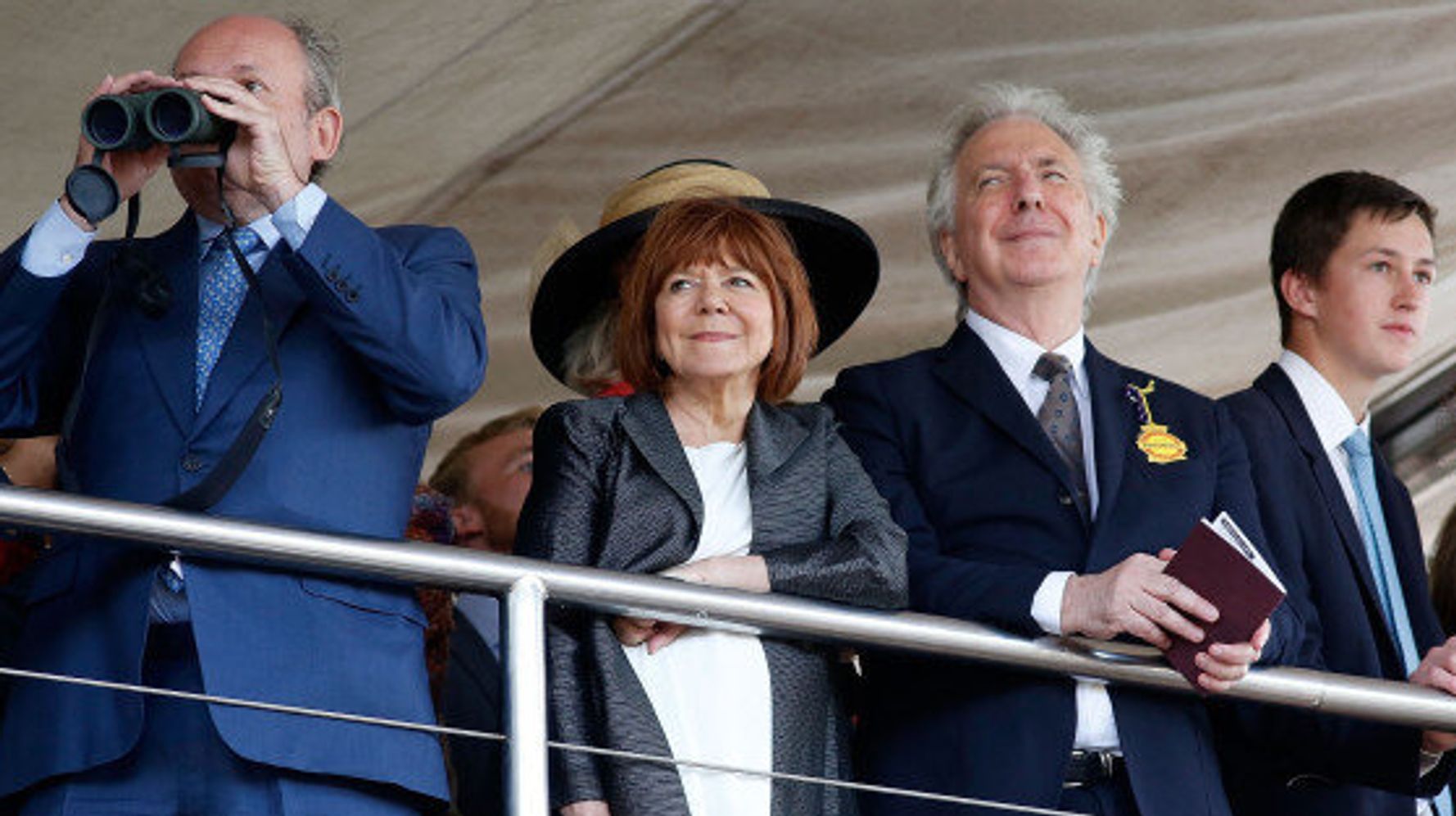
Alan Rickman’s family legacy is defined by his fifty-year partnership with Rima Horton and his working-class London roots. Lacking children, his legacy lives on through his surviving siblings, his extensive philanthropic contributions to the arts, and a profound "artistic family" of mentored actors and lifelong collaborators who continue to champion his standards of craft and kindness.
The Foundations of the Rickman Lineage: Working-Class Roots
To understand the man who became one of the most respected actors of his generation, one must look at the modest beginnings in Acton, London. Born on February 21, 1946, Alan Sidney Patrick Rickman was the son of Bernard William Rickman and Margaret Kathleen Rickman (née Brown). His ancestry was a tapestry of the British Isles: his father was of English and Irish descent, while his mother was Welsh.
The Rickman household was one of hardworking, salt-of-the-earth values. Bernard was a factory worker, house painter, and decorator, while Margaret was a housewife. Tragedy struck the family early when Bernard passed away from lung cancer when Alan was only eight years old. This loss fundamentally shifted the family dynamic, leaving Margaret to raise four children—David, Michael, Alan, and Sheila—on her own.
This period of his life instilled in Rickman a deep sense of social responsibility and a pragmatic view of the world. Growing up on a council estate, he was acutely aware of the barriers facing those from lower-income backgrounds. His mother eventually remarried, but the marriage was short-lived, and she remained the primary anchor for the Rickman children. This foundational experience with a strong, resilient female figure likely influenced his lifelong respect for independent, intellectual women, most notably his future wife, Rima Horton.
The Lifelong Partnership: Rima Horton and the Choice of Privacy
The most significant connection in Alan Rickman’s life was undoubtedly Rima Horton. The pair met in 1965 when Rickman was 19 and Horton was 18; they were both students at the Chelsea College of Art. What began as a teenage romance evolved into a partnership that spanned five decades, surviving the pressures of global stardom and the scrutiny of the British press.
Rima Horton was never merely "the actor's wife." She was a formidable intellectual and political figure in her own right, serving as a Labour Party councillor for the Kensington and Chelsea London Borough Council from 1986 to 2006. She also worked as an economics lecturer at Kingston University. Their relationship was characterized by a shared commitment to progressive politics and a fierce protection of their private life.
Despite living together since 1977, the couple did not marry until 2012. The ceremony was a reflection of their understated nature: a private event in New York City with no guests, followed by a walk across the Brooklyn Bridge and lunch. Rickman famously noted that he gave her a €200 ring that she never wore because it was "unnecessary."
The couple famously chose not to have children. While Rickman occasionally expressed a fondness for the idea of fatherhood, he also respected Rima's career and their shared lifestyle. In a 2026 retrospective on his life, it is clear that this choice allowed him to pour his "parental" energy into his students, younger colleagues, and his three siblings' families, creating a legacy that was communal rather than purely biological.
Siblings and the Extended Rickman Family
While Alan Rickman was the public face of the family, his siblings maintained successful, if more private, lives. His elder brother, David Rickman, became a respected graphic designer, while his younger brother, Michael, worked as a tennis coach. His sister, Sheila, remained a close part of his life until his death.
The Rickman siblings remained a tight-knit unit, often gathering for family events away from the flashbulbs of Hollywood. Alan was known to be a devoted uncle, frequently inviting his nieces and nephews to film sets and theater performances. This "uncle" persona was an extension of his broader personality: a man who took his work seriously but viewed family as the essential grounding force that prevented the industry from consuming his identity.
In the years following his passing in 2016, his siblings have been instrumental in managing the family’s privacy while occasionally participating in tributes that honor his charitable nature. They have ensured that the Rickman name remains synonymous with integrity and the "quiet" philanthropy that Alan practiced throughout his life.
The "Artistic Family": Mentorship and Industry Connections
For Alan Rickman, the definition of family extended far beyond bloodlines. He built a vast, interconnected web of "chosen family" within the acting community. His connections were built on a foundation of mutual respect, high artistic standards, and a legendary capacity for mentorship.
The Harry Potter Generation
Rickman’s role as Severus Snape introduced him to a new generation of actors. While his character was cold and intimidating, the reality behind the scenes was the opposite. He became a mentor to Daniel Radcliffe, Emma Watson, and Matthew Lewis. He was known for treating the child actors as professional peers, offering advice on their careers and education. To this day, many members of the Harry Potter cast speak of him as a paternal figure who taught them how to navigate the complexities of fame.
Emma Thompson: The Creative Soulmate
Perhaps his most famous industry connection was with Dame Emma Thompson. The two collaborated on numerous projects, including Sense and Sensibility, Love Actually, and The Song of Lunch. Their bond was so deep that Thompson famously described him as "the ultimate ally." Following his death, she noted that he was the person she went to for advice on everything from scripts to life's most difficult dilemmas. This connection represented the pinnacle of his "artistic family"—a relationship built on shared creative DNA.
RADA and the Next Generation
As the Vice-Chairman of the Royal Academy of Dramatic Art (RADA), Rickman was a tireless advocate for young actors. He didn't just lend his name to the institution; he actively participated in auditions, helped students find representation, and even quietly paid the tuition fees for several struggling students. This act of "paying it forward" is a critical part of his legacy, ensuring that the working-class doors he fought to open remained accessible to those coming after him.
The Literary Legacy: "Madly, Deeply"
In 2022, the publication of Madly, Deeply: The Diaries of Alan Rickman provided an unprecedented look into his internal world and his connections. The diaries revealed a man who was deeply observant, often critical of his own work, and fiercely loyal to his friends.
The diaries served as a bridge between his public persona and his private family life. They documented his daily interactions with Rima, his frustrations with the industry, and his profound love for the arts. For fans and researchers in 2026, these diaries are the definitive record of his "intellectual family"—the writers, directors, and thinkers who shaped his worldview. The publication was handled with great care by Rima Horton, ensuring that while the public gained insight, his fundamental dignity remained intact.
Philanthropic Connections and Social Legacy
Rickman’s legacy is also cemented through his work with various charities, which he viewed as an extension of his family responsibilities. He was a long-term supporter and patron of several key organizations:
| Organization | Rickman's Role | Focus Area |
|---|---|---|
| Saving Faces | Patron | Facial surgery research and victim support |
| International Performers' Aid Trust (IPAT) | President | Assisting performers in poverty-stricken or oppressed areas |
| RADA | Vice-Chairman | Supporting the next generation of dramatic talent |
| Peace One Day | Active Supporter | Global peace initiatives and conflict resolution |
His work with Saving Faces (The Facial Surgery Research Foundation) was particularly personal. Rickman understood that for an actor, the face is the primary tool of the trade, but for a human being, it is the primary interface with the world. His patronage helped destigmatize facial disfigurement and funded critical surgical research.
Similarly, his leadership at IPAT reflected his belief that the arts are a universal right. He worked to ensure that actors and performers in war-torn regions had the resources to continue their craft, effectively expanding his "artistic family" to a global scale.
The Rickman Legacy in 2026: Ten Years On
As of 2026, marking a decade since his passing, the "Rickman Effect" is still palpable in the British acting community. His legacy is not found in a sprawling estate or a dynasty of child actors, but in the standards he set.
The Alan Rickman Scholarship at RADA continues to fund actors from working-class backgrounds, directly addressing the socio-economic hurdles he faced in the 1960s. His home in West Kensington, which he shared with Rima, remains a symbol of the stability and lack of pretension that defined his personal life.
Furthermore, his influence is seen in the "Rickman-esque" approach to acting: a combination of technical precision, a refusal to suffer fools, and a profound, hidden kindness. His connections continue to bear fruit as those he mentored now reach the peaks of their own careers, often citing his advice as their guiding light.
FAQ: Understanding the Rickman Family and Estate
Did Alan Rickman have any children?
No, Alan Rickman did not have children. He and his wife, Rima Horton, decided together to focus on their respective careers and their life as a couple. Rickman was, however, a very active uncle and a mentor to many young actors who viewed him as a father figure.
Who inherited Alan Rickman’s estate?
Upon his death in 2016, the majority of his estate, valued at approximately £4 million (in 2016 figures), was left to his wife, Rima Horton. He also left significant bequests to his three siblings and established several charitable trusts, including £100,000 divided among various charities such as RADA and the International Performers' Aid Trust.
Is Rima Horton still involved in the arts?
While Rima Horton was primarily an economist and politician, she remains a steward of Alan’s legacy. She oversaw the publication of his diaries and continues to support the charities and institutions that were important to him, ensuring his influence persists in the 2026 artistic landscape.
What happened to the "Alan Rickman Diaries"?
The diaries were published in 2022 under the title Madly, Deeply: The Diaries of Alan Rickman. They cover over 25 years of his life, from the early 1990s until his death in 2016. They have become a cornerstone of his legacy, offering a candid look at his thoughts on fame, his peers, and his private life.
Are there any official foundations in his name?
While there isn't a single "Alan Rickman Foundation," his legacy is managed through the Alan Rickman Estate and the various scholarships and patronage roles he held. Most notably, RADA maintains funds and awards in his name to support aspiring actors from underprivileged backgrounds.
Practical Recommendation for Researchers and Fans
To truly understand the "Rickman legacy," one should look beyond his filmography. A study of his 2022 diaries, combined with an exploration of the work done by IPAT and Saving Faces, reveals the man behind the characters. If you are a student of the arts or a fan looking to honor his memory, consider supporting the Royal Academy of Dramatic Art (RADA) or local theater programs that provide access to those from working-class backgrounds—the very community from which Alan Rickman emerged and to which he remained forever connected.