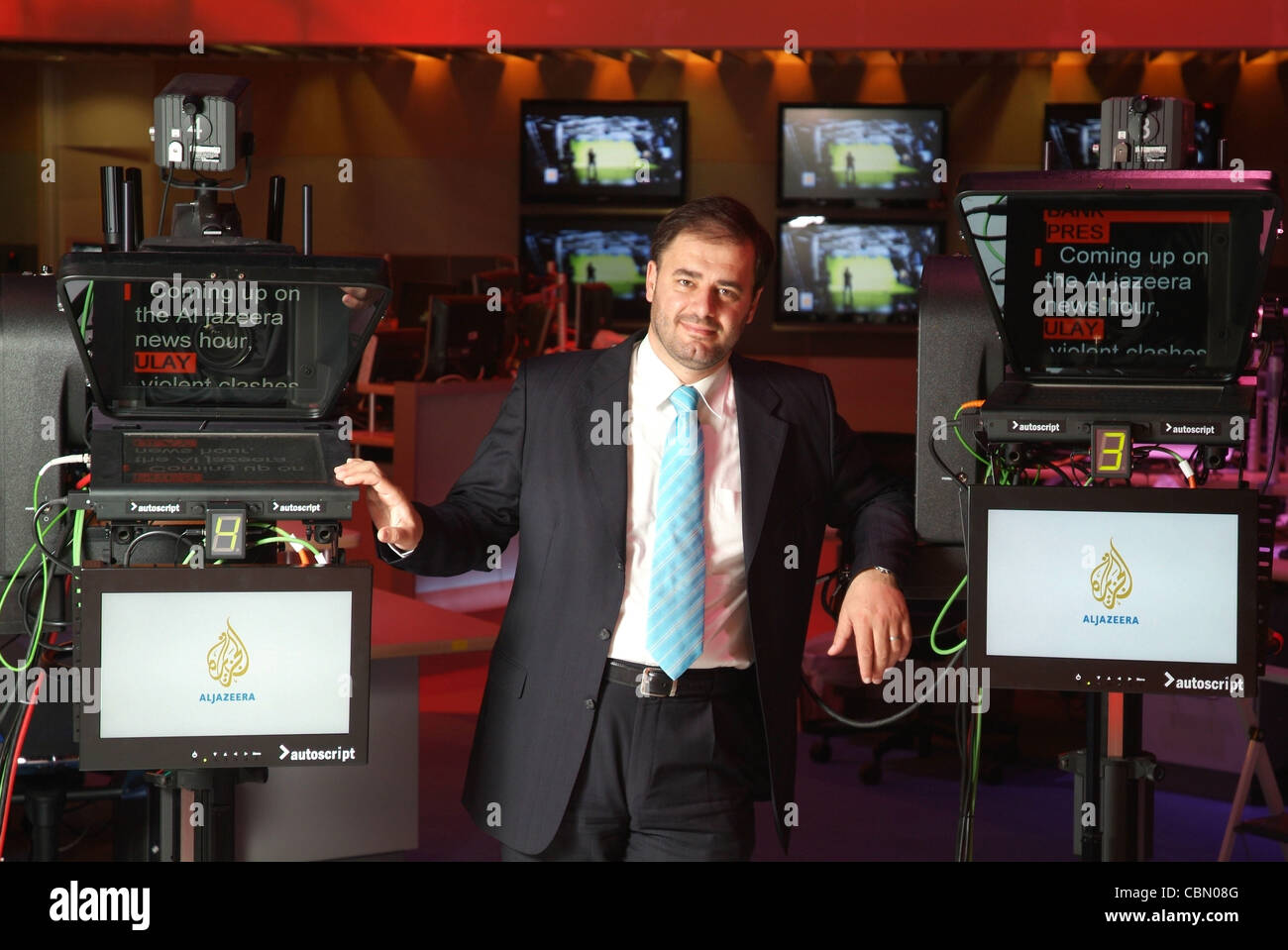
Al Jazeera English anchors in the newsroom operate at the vital intersection of live television production, editorial decision-making, and rapid global news reporting. Unlike traditional broadcast presenters who merely read scripts prepared by others, anchors at Al Jazeera English frequently function as senior journalists, interviewers, and editorial contributors who shape how international stories are delivered to a worldwide audience. Understanding their role requires examining how the modern television newsroom operates, the rigorous workflow behind a live broadcast, and the unique journalistic mandate of an international broadcaster headquartered in Doha with major broadcast hubs in London and Washington, D.C.
The Evolution of the Broadcast Anchor Role
The modern television news anchor has evolved significantly from the classic "newsreader" model of early broadcast history. In contemporary 24-hour news networks, particularly international operations like Al Jazeera English, anchors are deeply embedded in the newsroom ecosystem. They are not isolated in makeup chairs until the red light on the camera turns on; instead, they spend hours collaborating with producers, desk editors, and field correspondents.
At Al Jazeera English, this integration is essential for maintaining editorial integrity and ensuring nuanced coverage of complex geopolitical events, particularly across the Global South, the Middle East, Africa, and Asia. Anchors must possess a high degree of subject-matter expertise. When breaking news occurs—ranging from diplomatic summits to military conflicts or economic crises—anchors are expected to conduct live, unscripted interviews with high-level diplomats, eyewitnesses, policy experts, and field reporters without a safety net.
Furthermore, the physical and digital architecture of the modern newsroom places anchors within arm's reach of the central news desk. This proximity allows them to absorb developing information in real-time, adjust running order scripts minutes before going live, and pitch story angles that reflect a comprehensive international perspective.
Daily Workflow: From Editorial Conference to Live Broadcast
The path from an empty studio to a live global broadcast is a high-pressure, highly coordinated process involving dozens of professionals. For Al Jazeera English anchors, the workday begins long before they appear on television screens.
1. Morning and Midday Editorial Meetings
The operational day typically starts with morning editorial conferences. These meetings bring together executive producers, duty editors, regional desk heads, digital producers, and anchors. The primary goals of these sessions are:
- Reviewing overnight developments and setting the provisional running order for upcoming bulletins.
- Evaluating the editorial balance of the news agenda to ensure adequate representation of underreported regions.
- Assigning research tasks, graphics requirements, and live two-way interviews with correspondents stationed around the globe.
2. Scripting, Research, and Fact-Checking
Once the core stories are selected, anchors collaborate closely with line producers and writers to draft scripts, intros, and teases. At an international network, accuracy and neutrality are paramount. Anchors meticulously check names, titles, geographic locations, and statistics. They review agency wire reports from Reuters, Associated Press, and Agence France-Presse, alongside Al Jazeera's proprietary network of field correspondents.
3. Studio Rehearsals and Technical Run-Throughs
Before airtime, anchors participate in technical walk-throughs in the studio. They review video packages (VT), graphic overlays, and touch-screen video wall cues with the technical director and floor manager. This phase ensures that complex data visualizations or breaking maps function smoothly during live segments.
4. Going Live and Managing Breaking News
During the broadcast, the anchor acts as the captain of the ship. They must balance timing constraints with editorial depth while managing unexpected events, such as a guest losing their audio connection or a major news alert breaking mid-sentence.
| Broadcast Phase | Primary Responsibilities | Key Collaborators |
|---|---|---|
| Editorial Planning | Setting story priorities, evaluating global balance, pitching angles | Executive Producers, Regional Desk Editors |
| Pre-Broadcast | Script review, background research, guest briefing, fact-checking | Line Producers, Writers, Research Assistants |
| Technical Prep | Studio rehearsals, graphic checks, timing alignment | Technical Directors, Floor Managers, Video Editors |
| Live Transmission | Delivering bulletins, conducting interviews, steering breaking news | Control Room (Gallery), Field Correspondents, Guests |
Journalistic Standards and Editorial Independence
Operating within an international broadcaster brings unique regulatory and ethical considerations. Al Jazeera English maintains a distinct editorial voice that often prioritizes stories from regions frequently overlooked by Western-centric media outlets. Anchors must embody these standards while adhering to rigorous codes of journalistic ethics.
Maintaining neutrality does not mean avoiding difficult questions. Al Jazeera English anchors are known for rigorous, direct questioning of political leaders, corporate executives, and institutional spokespeople. Training focuses on rigorous verification, cross-referencing claims, and providing context to political rhetoric.
In the newsroom, discussions regarding framing and terminology are frequent and rigorous. For example, selecting specific terminology when reporting on territorial disputes, humanitarian crises, or civil conflicts requires careful consensus among editors and anchors to ensure adherence to international law and network style guidelines.
The Technical Environment of the Al Jazeera English Newsroom
The modern television newsroom relies heavily on advanced broadcast technology. Al Jazeera English utilizes integrated newsroom computer systems (NRCS) that connect journalists, producers, and anchors in a unified digital workflow.
Broadcast Automation and Playout Systems
Scripts written by producers and polished by anchors are imported directly into the teleprompter system and automated playout servers. This integration minimizes human error during fast-paced broadcasts. Anchors control their own teleprompters using foot pedals or handheld scroll controllers, allowing them to adjust the pacing dynamically based on live developments or extended interview responses.
Multi-Platform Integration
Today's anchors do not broadcast solely for linear television. The newsroom workflow requires anchors to contribute to digital and social media platforms. Following a television broadcast or during commercial breaks, anchors frequently record debriefs for YouTube, podcasts, or social channels, explaining complex geopolitical developments in concise, accessible formats for online audiences.
Common Misconceptions About Newsroom Anchors
Public perception of television anchors is often shaped by fictional depictions or stylized media portrayals. Several widespread myths misrepresent the reality of working as an anchor in a global newsroom:
- Myth: Anchors merely read what is handed to them.
- Reality: While teleprompters are used for structured segments, anchors write or rewrite significant portions of their scripts, conduct live unscripted questioning, and actively participate in editorial story selection.
- Myth: Anchors work only during their assigned broadcast hours.
- Reality: An anchor scheduled for a two-hour bulletin typically spends six to eight additional hours in the newsroom researching, attending meetings, briefing guests, and preparing follow-up coverage.
- Myth: Makeup and wardrobe take precedence over journalism.
- Reality: While visual presentation is part of television standards, editorial competence, deep geopolitical knowledge, and composure under pressure are the primary prerequisites for the role.
Frequently Asked Questions
Do Al Jazeera English anchors write their own scripts?
Yes, anchors work collaboratively with writers and producers to draft, edit, and fact-check their scripts. They ensure the language aligns with their personal broadcast style and the network's strict editorial guidelines while maintaining factual accuracy.
Where are the primary Al Jazeera English newsrooms located?
Al Jazeera English operates major broadcast centers around the world, with its primary headquarters in Doha, Qatar, alongside major newsrooms and studio hubs in London and Washington, D.C., allowing for 24-hour global coverage.
How do anchors prepare for unexpected breaking news?
When breaking news occurs, control room producers feed updated information directly into the anchor's earpiece and studio monitors. Anchors rely on extensive general knowledge, rapid comprehension of wire reports, and experienced field correspondents to guide viewers through developing situations live on air.
What qualifications are required to become an international news anchor?
Candidates typically require extensive professional experience in journalism—often as field reporters, foreign correspondents, or senior producers—alongside exceptional live broadcast delivery skills, deep knowledge of international affairs, and fluency in relevant languages.
How does Al Jazeera English ensure editorial balance in its newsroom?
The network employs diverse international staff, maintains strict verification protocols, and enforces comprehensive journalistic guidelines that emphasize multiple perspectives, thorough fact-checking, and regional expertise.
Next Actions for Aspiring Broadcast Journalists
For individuals interested in pursuing a career in television newsroom production or global broadcasting, understanding the rigorous demands of the anchor role provides a clear roadmap. Aspiring professionals should focus on developing strong reporting fundamentals, cultivating deep regional expertise in international affairs, gaining practical experience in video production and scriptwriting, and mastering the ability to communicate complex information clearly and calmly under pressure.