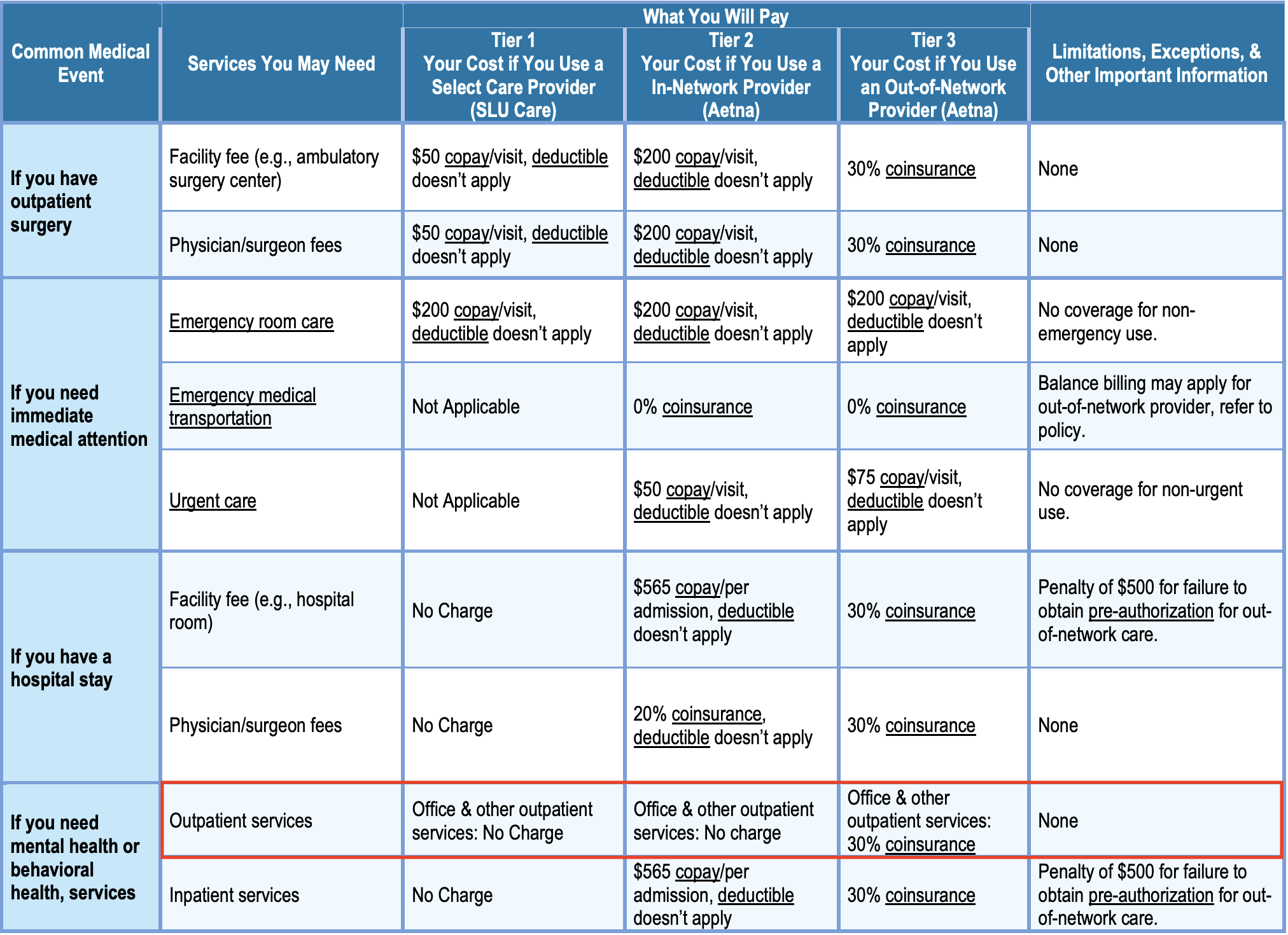
The Aetna Traditional Health Plan is a comprehensive medical indemnity option that provides members with maximum flexibility by allowing them to receive care from any licensed healthcare provider without a network restriction. Unlike managed care plans, it does not require a primary care physician or referrals, instead relying on a deductible and coinsurance structure based on recognized charges for covered services.
In the 2026 healthcare landscape, where managed care and tiered networks dominate the market, the Aetna Traditional Health Plan remains a distinct "fee-for-service" or "indemnity" model. This plan is designed for individuals and families who prioritize the freedom to choose their own doctors and specialists above the cost-savings typically associated with restricted networks. While it offers the highest level of provider access, it also places more administrative and financial responsibility on the member.
Understanding the Traditional Indemnity Model
To understand the Aetna Traditional Health Plan, one must first distinguish it from the more common Health Maintenance Organizations (HMOs) and Preferred Provider Organizations (PPOs). In a Traditional plan, Aetna does not contract with a specific "network" of doctors to provide discounted rates. Instead, the plan is built on the concept of reimbursement for "covered expenses."
When you seek care under a Traditional plan, the insurer agrees to pay a percentage of the cost for services, but only up to what is considered the "recognized charge" (sometimes called the Usual, Customary, and Reasonable or UCR amount). This model was the standard for American health insurance for decades before the rise of managed care in the 1980s and 90s. Today, it serves as a niche product for those who live in rural areas with limited networks or for those who require highly specialized care from providers who do not participate in insurance contracts.
How Provider Choice Works
Under this plan, there is no "out-of-network" in the traditional sense because there is no "in-network." You can visit any licensed physician, hospital, or specialist in the United States. You do not need to notify Aetna before seeing a specialist, and you are never required to obtain a referral from a gatekeeper physician. This makes the plan ideal for patients with complex, chronic conditions who need to see world-renowned experts who may not participate in standard commercial networks.
Core Financial Mechanics: Deductibles and Coinsurance
The Aetna Traditional Health Plan operates on a straightforward but rigorous financial cycle. For the 2026 plan year, members must navigate three primary cost-sharing stages: the deductible, the coinsurance period, and the out-of-pocket maximum.
The Annual Deductible
Before Aetna begins to pay for most covered services, the member must satisfy an annual deductible. In 2026, these deductibles are adjusted for inflation and vary depending on whether the plan is an individual or family enrollment. Generally, the Traditional plan features a "calendar year deductible," meaning the clock resets every January 1st. It is important to note that most preventive services, such as annual physicals and certain screenings, are covered at 100% without requiring the deductible to be met, in compliance with federal mandates.
Coinsurance and the "Recognized Charge"
Once the deductible is met, the plan enters the coinsurance phase. Typically, the plan pays a set percentage (often 80%) of the recognized charge, while the member pays the remaining percentage (the 20% coinsurance).
However, a critical distinction in the Traditional plan is the recognized charge. If a provider charges $500 for a service, but Aetna determines the recognized charge for that geographic area is $400, Aetna will only pay its percentage of the $400. The member is responsible for their coinsurance of the $400 plus the $100 difference between the provider’s bill and Aetna’s limit. This practice is known as "balance billing."
Out-of-Pocket Maximum
To protect members from catastrophic financial loss, the plan includes an out-of-pocket maximum. Once a member's total spending on deductibles and coinsurance reaches this limit, Aetna pays 100% of the recognized charges for the remainder of the calendar year. It is vital to remember that "balance billing" amounts—the extra money paid to providers who charge more than the recognized amount—usually do not count toward this maximum.
Claims, Reimbursement, and Member Responsibilities
Because the Aetna Traditional Health Plan does not rely on a contracted network, the administrative workflow differs significantly from PPO or HMO plans. In many cases, the member takes on the role of the intermediary between the doctor and the insurance company.
- Payment at Point of Service: Some providers may require you to pay the full cost of the visit upfront, especially if they do not have a billing relationship with Aetna.
- Filing the Claim: If the doctor does not file the claim on your behalf, you must submit a Member Selection/Claim Form to Aetna. This requires an itemized bill from the provider including CPT codes (procedure codes) and ICD-10 codes (diagnosis codes).
- Processing: Aetna reviews the claim to ensure the service was "medically necessary" and falls under the "covered expenses" defined in the Summary of Benefits and Coverage (SBC).
- Explanation of Benefits (EOB): After processing, Aetna sends an EOB detailing how much was charged, what the recognized charge was, how much Aetna paid, and what the member owes.
Comparison of Aetna Plan Types (2026 Guidance)
The following table compares the Aetna Traditional plan against the more common managed care alternatives to help determine which structure fits your needs.
| Feature | Traditional (Indemnity) | PPO (Preferred Provider) | HMO (Health Maintenance) |
|---|---|---|---|
| Provider Network | None (Any licensed provider) | Large network; out-of-network allowed at higher cost | Restricted to network only |
| Primary Care Physician | Not Required | Encouraged, not required | Required (Gatekeeper) |
| Referrals Needed | No | No | Yes (For specialists) |
| Out-of-Pocket Costs | Generally higher (Balance billing) | Moderate (Network discounts) | Lowest (Copay based) |
| Claims Filing | Often done by the member | Done by the provider | Done by the provider |
| Best For | Maximum flexibility/Rural areas | Balance of choice and cost | Cost-conscious/Predictable care |
Coverage Scope and Exclusions
The Aetna Traditional Health Plan provides broad coverage for essential health benefits, but it is not "all-encompassing." For 2026, the plan follows standard medical necessity guidelines.
What is Generally Covered?
- Inpatient Hospital Care: Room and board, surgery, and lab tests during a hospital stay.
- Outpatient Services: Diagnostic tests (X-rays, MRIs), outpatient surgery, and emergency room visits.
- Maternity and Newborn Care: Comprehensive care for pregnancy, labor, and delivery.
- Mental Health Services: Inpatient and outpatient treatment for mental health and substance use disorders.
- Prescription Drugs: While often managed through a separate pharmacy benefit manager (PBM), the Traditional plan includes coverage for a wide range of formulary drugs.
Common Exclusions
Like most insurance products, the Traditional plan does not cover cosmetic surgery (unless reconstructive due to injury), experimental treatments that have not been FDA-approved or clinically validated, or non-prescription medications. Additionally, private-duty nursing and long-term custodial care are typically excluded. Members should consult their specific Evidence of Coverage (EOC) document for a full list of limitations.
Advantages and Disadvantages of the Traditional Plan
Choosing the Aetna Traditional Health Plan involves a trade-off between freedom and financial predictability.
Advantages
- Unrivaled Access: You can see any specialist in the country, including those at prestigious institutions that may not accept "in-network" insurance.
- No Red Tape: There are no "prior authorization" hurdles for many standard services, and the absence of a referral requirement saves time and administrative hassle.
- Geographic Independence: For members who travel frequently or split their time between states, this plan ensures consistent coverage without worrying about "out-of-area" emergencies.
Disadvantages
- Higher Premiums: Because Aetna cannot negotiate bulk discounts with a specific network of providers, the monthly premiums for Traditional plans are often the highest in the Aetna portfolio.
- Balance Billing Risk: The most significant risk is that providers can charge whatever they like, and Aetna will only pay based on the recognized charge. This can lead to high out-of-pocket expenses.
- Administrative Burden: Members may spend more time filing paperwork and tracking down itemized bills than they would in a PPO or HMO.
Who Should Choose the Aetna Traditional Health Plan?
In 2026, this plan remains most popular among specific demographics. It is frequently offered as an option for federal employees via the Federal Employees Health Benefits (FEHB) Program or to employees of large, legacy corporations.
It is also a strategic choice for:
- Patients with Rare Diseases: Those who need access to highly specialized research hospitals.
- Expatriates or Frequent Travelers: Individuals who are rarely in one location long enough to utilize a regional network.
- Rural Residents: Those living in areas where the nearest "in-network" hospital for a PPO might be hundreds of miles away.
Frequently Asked Questions
1. Does the Aetna Traditional Health Plan cover emergency care?
Yes, emergency care is covered anywhere in the world. Because it is a Traditional plan, you do not have to worry about whether the ER is "in-network." However, the plan will still apply the "recognized charge" rules to the emergency room bill, though federal laws like the No Surprises Act provide certain protections against excessive balance billing for emergency services.
2. How do I know what the "Recognized Charge" is for a procedure?
This can be difficult to determine beforehand. Aetna uses proprietary databases and geographic data to determine these rates. You can sometimes call Aetna Member Services with a specific CPT code and your zip code to get an estimate of the recognized charge, but these are not guarantees of payment.
3. Do I have to pay my deductible all at once?
No, the deductible is cumulative. As you receive care throughout the year, the amounts you pay for covered services (up to the recognized charge) are applied to your deductible. Once the total reaches the plan's limit, your coinsurance coverage begins.
4. Is there a difference between "Traditional" and "Indemnity"?
In the context of Aetna's offerings, these terms are often used interchangeably. Both refer to a plan that pays for healthcare services on a fee-for-service basis without a provider network.
5. Can I use this plan for dental and vision care?
Typically, the Aetna Traditional Medical Plan covers only medical expenses. Dental and vision coverage are usually separate policies, although some medical plans may cover "pediatric dental" or "pediatric vision" as required by the Affordable Care Act.
Final Recommendation: Is It Right for You?
The Aetna Traditional Health Plan is the "gold standard" for provider choice but requires a "platinum" budget and a high tolerance for administrative tasks. Before enrolling for the 2026 cycle, perform a cost-benefit analysis. Look at your medical history from the previous two years. If you consistently see the same doctors and those doctors are part of Aetna’s PPO network, a PPO plan will likely provide the same level of care at a significantly lower cost.
However, if you find yourself frequently needing "out-of-network" care, or if you value the peace of mind that comes from knowing you will never be "denied" a visit to a specialist due to network restrictions, the Traditional plan is an excellent, albeit expensive, investment in your health autonomy. Always review the specific Summary of Benefits provided by your employer or the Aetna Plan Search tool to confirm the exact deductible and coinsurance rates for your specific group.
Disclaimer: This overview is for informational purposes only and does not constitute legal, financial, or medical advice. Health insurance regulations and plan details vary by state and employer group. Always consult your official plan documents or a licensed insurance professional before making enrollment decisions.