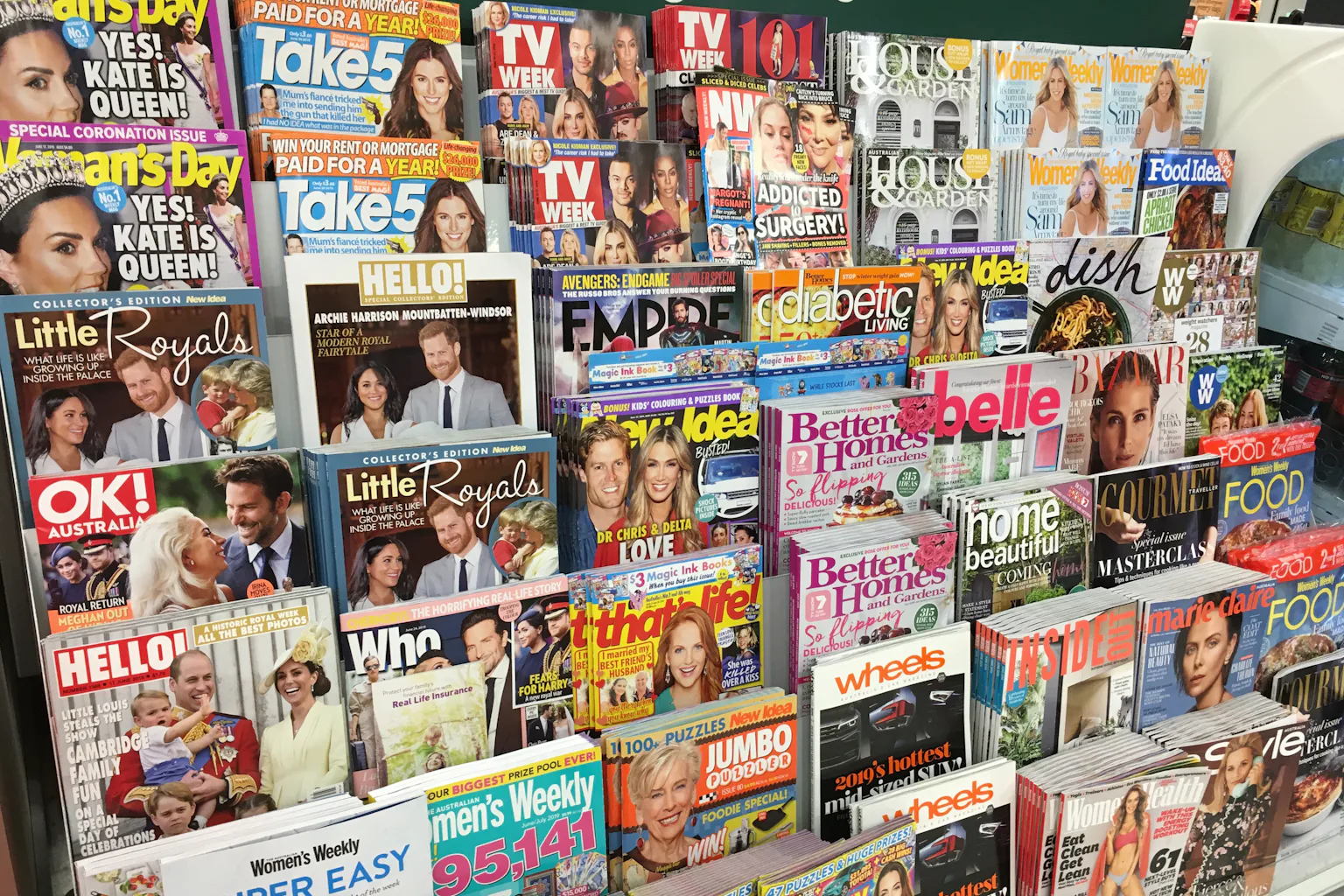
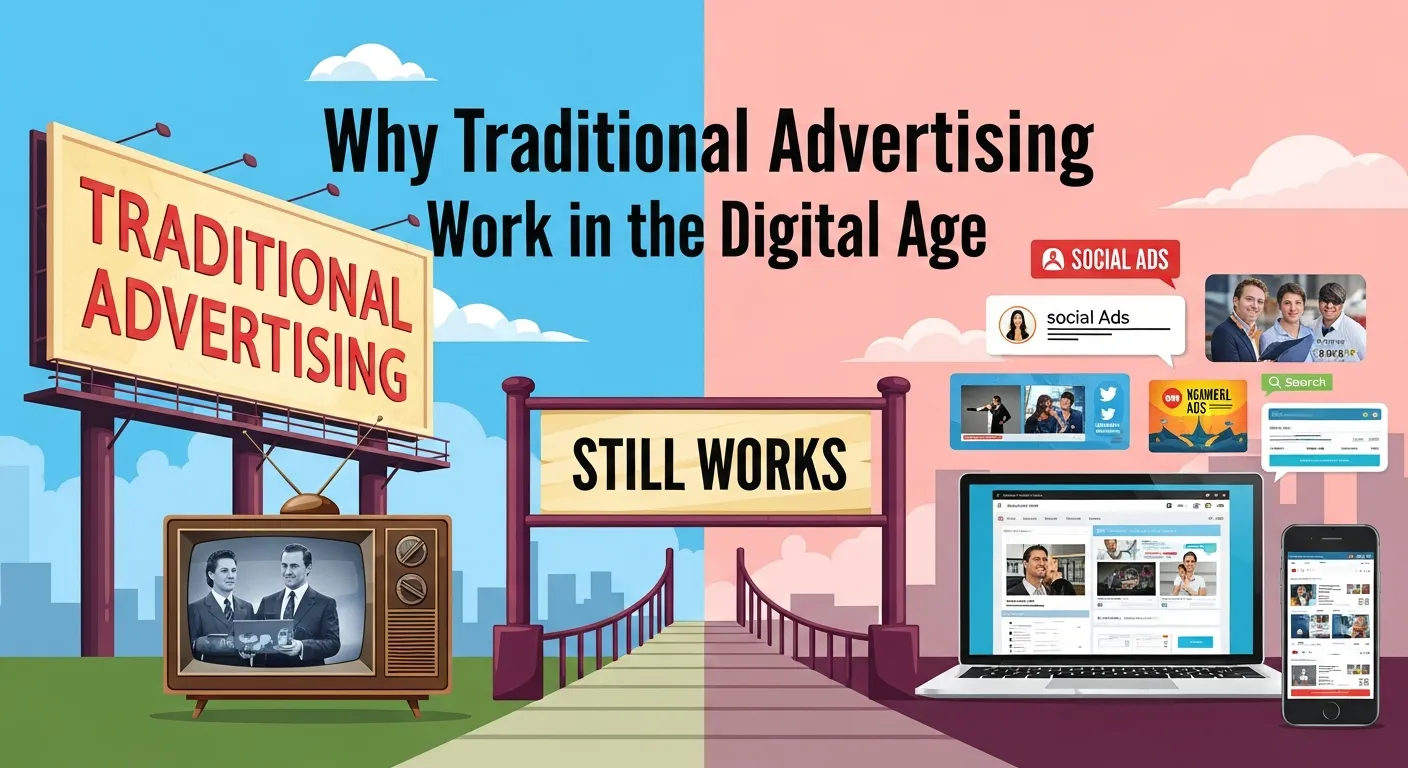
Advertising magazines in the digital age requires a sophisticated blend of traditional print prestige and modern programmatic execution. Brands can successfully reach targeted audiences by combining tangible, high-engagement print placements with interactive digital enhancements, data-driven audience segmentation, and multi-channel attribution models.
The landscape of publishing has experienced a profound structural transformation. For decades, print magazines served as the cornerstone of visual advertising, offering glossy imagery, long dwell times, and trusted editorial environments. The emergence of digital media initially threatened to render physical publications obsolete. However, rather than disappearing, magazine publishing adapted, evolving into a hybrid ecosystem. Today, advertising in magazines involves a complex interplay between physical print editions, companion websites, mobile applications, interactive digital issues, social media syndication, and experiential events. Advertisers no longer choose between print and digital; instead, they orchestrate unified campaigns that leverage the distinct psychological impact of paper alongside the precise tracking and scalability of software-driven media.
The Dual Nature of Modern Magazine Advertising
Navigating the contemporary publishing market requires an understanding of how print and digital formats complement one another. Print retains a unique psychological footprint, whereas digital channels provide immediate scalability and interactivity.
Print Endurance and Trust
Despite the growth of digital media, print magazines maintain distinct advantages that appeal to high-end and niche advertisers. Physical publications benefit from higher cognitive engagement. Readers typically spend more uninterrupted time with a physical magazine compared to scrolling through a digital feed, leading to superior ad recall. Furthermore, established magazines carry a halo effect of editorial authority and prestige. When a brand places an advertisement in a respected publication, that trust transfers to the advertised product.
- Tactile Engagement: Physical touch creates a stronger sensory connection to the brand.
- Reduced Clutter: Print layouts generally feature higher editorial-to-ad ratios than cluttered digital web pages.
- Permanence: Magazines often remain on coffee tables or in waiting rooms for weeks or months, yielding repeated exposures.
Digital Integration and Interactivity
Concurrently, digital extensions of magazines have transformed passive viewers into active participants. Digital editions—whether hosted on dedicated apps, interactive PDFs, or responsive web portals—allow publishers to embed rich media directly into advertising slots. A fashion advertisement in a digital magazine can now feature a video runway clip, an interactive color selector, and a direct "Shop Now" hyperlink that routes the consumer straight to the brand’s e-commerce checkout page. This frictionless transition from inspiration to purchase has fundamentally altered conversion metrics for magazine campaigns.
Strategic Channels and Formats
Modern magazine publishers offer a diverse inventory of advertising units designed to meet specific marketing objectives, ranging from brand awareness to direct response acquisition.
| Ad Format | Primary Channel | Key Advantage | Best Suited For |
|---|---|---|---|
| Full-Page Spread | Print / Digital Replica | Maximum visual impact, immersive storytelling | Luxury goods, automotive, high-end fashion |
| Native Content / Advertorial | Cross-Platform (Print & Web) | High reader trust, educational storytelling | Complex B2B services, wellness, finance |
| Interactive Rich Media | Digital App / Web | Video integration, direct e-commerce links | Direct-to-consumer (DTC) brands, retail |
| Sponsored Newsletters | Email / CRM | Direct inbox delivery, high open rates | Niche communities, subscription services |
| Belly Bands & Inserts | Print Only | Unmissable physical barrier, tactile curiosity | Product launches, cosmetic samples, subscriptions |
Native Advertising and Sponsored Content
Native advertising has become a dominant monetization model for magazines transitioning into digital media companies. Unlike display banners that interrupt the user experience, native ads mimic the look, feel, and tone of the host publication's editorial content. In print, this takes the form of sophisticated advertorials produced in collaboration with the magazine's custom content studio. Online, native articles blend seamlessly into content recommendation feeds. This approach requires strict transparency and labeling to maintain consumer trust while delivering high engagement rates compared to traditional banner ads.
Programmatic and Data-Driven Print
While programmatic buying is typically associated with web and mobile inventory, data analytics have transformed how print space is sold and targeted. Publishers now leverage first-party subscriber data, reader surveys, and postal-code demographic mapping to help advertisers target specific audience segments. Regional print runs allow national brands to tailor their creative messaging based on geographic location, ensuring that advertising dollars are spent efficiently.
Core Challenges and Solutions in Digital-Age Publishing
While hybrid publishing models offer extensive opportunities, advertisers and publishers face distinct operational hurdles in the modern media market.
Measuring ROI and Attribution
Historically, measuring the return on investment (ROI) for print magazine advertising relied on indirect metrics such as coupon codes, dedicated landing page URLs, or delayed brand lift studies. In contrast, digital platforms offered hyper-granular tracking. To bridge this gap, modern campaigns utilize sophisticated attribution methodologies:
- Unique QR Codes: Printed magazine ads frequently incorporate QR codes tailored to specific issues, allowing brands to track exact web traffic and conversions originating from a physical page.
- Geo-Lift Analysis: Advertisers measure sales spikes in specific geographic regions where print campaigns ran compared to control markets without print distribution.
- Multi-Touch Attribution Software: Digital components of magazine campaigns feed directly into enterprise analytics suites, capturing click-throughs, video completion rates, and conversion funnels.
Cost Structures and Production Complexities
Producing campaigns that span both glossy print and interactive digital formats requires higher initial production budgets. Print ad materials must adhere to strict technical specifications regarding color profiles (such as CMYK versus RGB), bleed margins, and paper stock weights. Simultaneously, digital assets require responsive design adjustments for various screen sizes, operating systems, and interactive frameworks. Advertisers must carefully evaluate these production overheads against expected campaign yields to ensure cost-efficiency.
Step-by-Step Guide to Executing a Cross-Platform Magazine Campaign
Launching a successful advertising campaign across modern magazine networks requires a methodical approach from initial scoping to post-campaign analysis.
- Define Campaign Objectives: Determine whether the primary goal is brand elevation, lead generation, or direct e-commerce sales. This decision dictates the balance between print and digital inventory.
- Evaluate Audience Demographics: Request current media kits and verified circulation audits (such as from the Alliance for Audited Media) to match target customer personas with reader profiles.
- Negotiate Cross-Media Packages: Leverage bulk purchasing power to secure integrated bundles that combine print placements, digital display banners, sponsored newsletter features, and social media promotion.
- Develop Tailored Creative Assets: Produce high-resolution visual assets for print production while developing interactive elements, videos, and tracking links for digital placements.
- Implement Tracking Mechanisms: Embed unique promotional codes, custom landing page URLs, or tracked QR codes into both print and digital ad creatives.
- Monitor and Optimize: Review real-time performance dashboards for digital components while tracking initial response signals from print insertions to inform future media planning.
Frequently Asked Questions
Are print magazines still relevant for modern advertisers?
Yes, print magazines remain highly relevant, particularly for luxury, lifestyle, and niche enthusiast markets. They offer superior reader attention spans, reduced digital clutter, and high perceived brand authority that online-only channels struggle to replicate.
How do modern advertisers track the ROI of print magazine ads?
Advertisers track print ROI using specialized mechanisms such as dedicated QR codes, exclusive vanity URLs, unique promotional discount codes, and geo-targeted sales lift studies conducted over specific campaign windows.
What is native advertising in the context of magazines?
Native advertising involves creating sponsored content—such as articles, photo essays, or video features—that matches the visual style and editorial tone of the host publication. It is designed to provide genuine informational value while promoting a brand.
How has digital technology changed magazine ad pricing?
Digital technology has introduced dynamic, data-driven pricing models alongside traditional fixed-rate print media kits. Advertisers can often buy digital inventory programmatically on a cost-per-mille (CPM) basis, while print remains largely sold on a guaranteed circulation and placement basis.
What role do newsletters play in magazine advertising today?
Many modern magazines operate high-value email newsletters as core communication channels. Sponsored newsletter placements offer direct inbox access to highly engaged subscribers, often yielding higher open and click-through rates than standard web display banners.
Strategic Recommendation
When planning media spend in the digital age, do not treat print and digital magazine advertising as competing strategies. Instead, build unified campaigns where physical print builds long-term brand prestige and trust, while companion digital assets, interactive rich media, and trackable links capture immediate intent and drive measurable conversions.