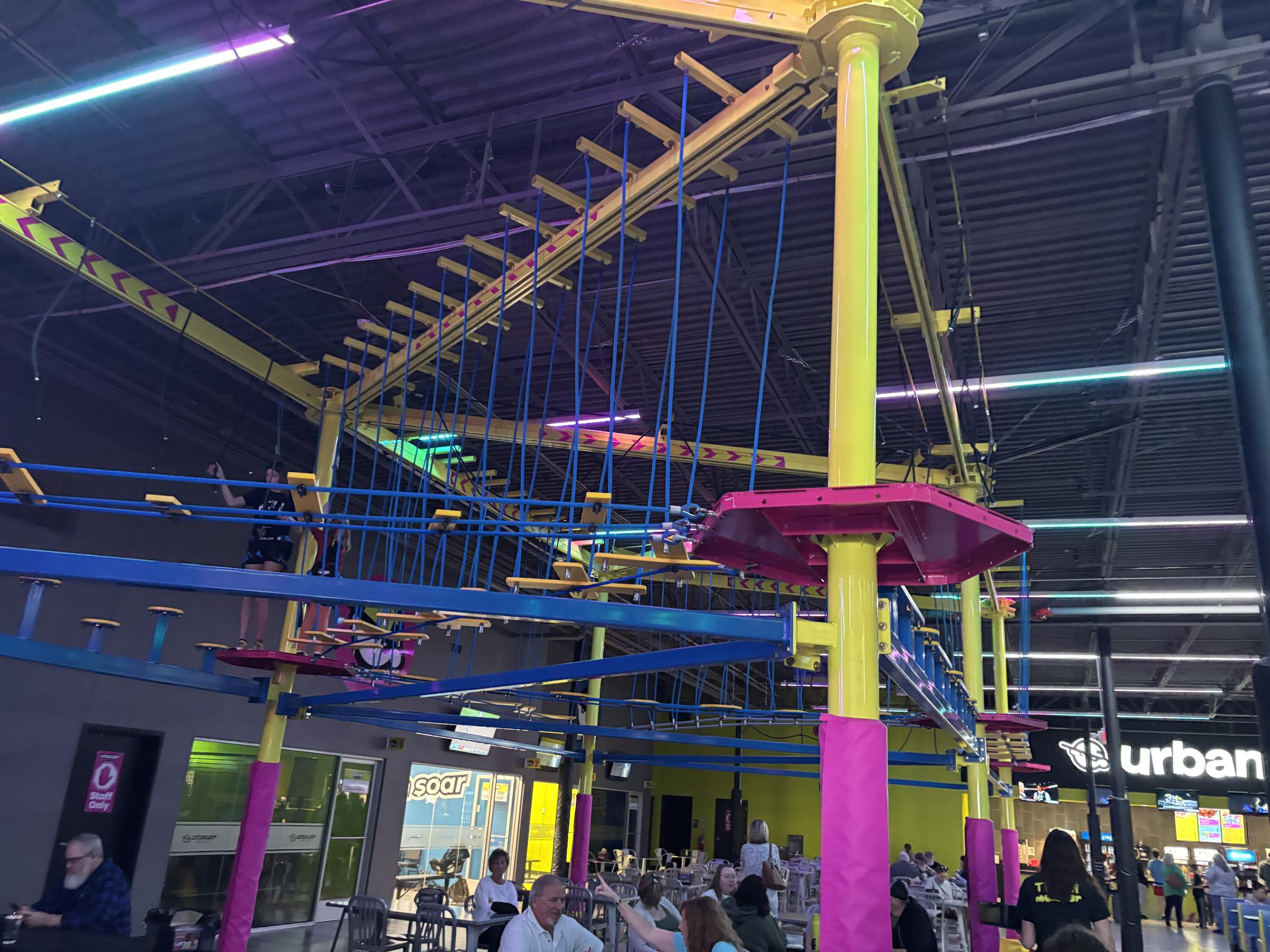
Adventure parks—including ziplining courses, ropes courses, canopy tours, and aerial adventure parks—provide high-adrenaline recreational experiences that attract millions of visitors annually. However, the inherent risks associated with heights, gravity-fed elements, and complex mechanical equipment mean that accidents, while statistically rare, can result in severe injuries or fatalities. Understanding the underlying causes of adventure park incidents, the role of human error versus mechanical failure, and the regulatory frameworks governing these facilities is critical for evaluating safety and risk management practices.
The Scope of Adventure Park Safety and Statistics
Quantifying adventure park incidents requires distinguishing between traditional amusement parks—which feature large-scale mechanical roller coasters and regulated flat rides—and modern aerial adventure parks, which rely heavily on participant movement, continuous-belay systems, and harness setups. While major theme parks are heavily regulated by state agencies and standards organizations such as ASTM International, aerial adventure courses and temporary ropes setups sometimes face fragmented oversight depending on jurisdiction.
Fatalities in adventure parks, though infrequent, tend to stem from specific points of failure: harness or attachment disconnections, structural failures of platforms or anchor trees, anchor slippage, and operator or participant error during critical transitions. Because many courses operate outdoors in dynamic natural environments, weather events, falling timber, and environmental degradation of wooden or synthetic components also introduce variables that require constant inspection and maintenance.
Categorizing Common Incident Types
Industry safety data and forensic engineering reports generally categorize fatal and near-fatal incidents into three distinct operational domains:
- Participant Error: Mismanagement of safety tethers, failure to hook into a continuous lifeline, attempting to bypass safety elements, or ignoring staff instructions.
- Operator Error: Improper harness fitting, failure to verify participant connections at platform departures, dispatching participants before a landing zone is clear, or inadequate staff supervision.
- Equipment and Structural Failure: Component fatigue, premature wear on wire ropes or slings, structural decay of wooden platforms, or manufacturing defects in carabiners, harnesses, and pulleys.
The Role of Safety Systems and Technological Evolution
The evolution of safety systems in adventure parks has been driven by the need to eliminate or minimize the possibility of human error—specifically, the risk of a participant completely detaching from safety lines while at height. Historically, traditional ropes courses relied on dual-lanyard systems where participants manually unclipped one carabiner before clipping the next. This setup left a momentary window where a user was entirely unattached if both carabiners were handled incorrectly.
Modern adventure parks increasingly mandate continuous-belay systems or smart-belay systems. These technological advancements have significantly altered risk profiles by preventing users from opening both safety connections simultaneously.
Comparison of Adventure Park Belay Systems
| Belay System Type | Mechanism | Human Error Risk | Operational Impact |
|---|---|---|---|
| Traditional Dual-Lanyard | Two independent carabiners operated manually by the participant. | High. Allows simultaneous detachment if the user unclips both hooks. | Requires intensive ground instruction and constant active supervision. |
| Continuous Belay | A mechanical shuttle or runner locked into a continuous steel cable track. | Low. The shuttle cannot be removed from the track except at designated entry/exit gates. | Speeds up throughput; reduces reliance on participant vigilance. |
| Smart-Belay (Interlocking) | Two carabiners that communicate mechanically so that one cannot open while the other is open. | Moderate-Low. Forces sequential operation, though deliberate tampering can bypass safety features. | Offers flexible routing while maintaining active redundancy. |
| Auto-Belay Devices | Magnetic or friction-based braking systems for controlled vertical descents. | Low-Moderate. Relies on proper initial tie-in to the participant's harness. | Standardizes descent speed; eliminates human braking errors on vertical elements. |
Regulatory Frameworks and Industry Standards
Safety standards for adventure parks are largely guided by consensus standards organizations rather than a single unified global law. In North America, the ASTM International F24 Committee on Amusement Rides and Devices develops and maintains rigorous technical standards—such as ASTM F2959, which specifically addresses aerial adventure courses. These standards dictate design specifications, manufacturing tolerances, structural engineering loads, inspection frequencies, and operational training requirements.
However, legal enforcement of these standards varies widely by jurisdiction. Some U.S. states have robust amusement ride safety bureaus that inspect ziplines and ropes courses annually, while other states exempt certain non-mechanical or agricultural-adjacent adventure tourism operations from state oversight. Internationally, organizations like the European Committee for Standardization (CEN) publish equivalent standards (such as EN 15567 for sports and recreational facilities regarding ropes courses).
Key Elements of Regulatory Compliance
- Design and Engineering Certification: Independent structural engineers must verify that load-bearing elements, trees, utility poles, and steel towers can withstand maximum anticipated dynamic and static loads.
- Daily and Periodic Inspections: Staff must perform pre-opening inspections of all harnesses, helmets, cables, and platforms. Independent third-party qualified inspectors must conduct comprehensive annual structural reviews.
- Staff Training and Certification: Operators, guides, and rescue personnel must complete formal training programs—often certified by bodies like the Association for Challenge Course Technology (ACCT) or equivalent international equivalents—covering technical rescues, evacuation procedures, and participant management.
Participant Responsibility and Informed Consent
While operators bear primary responsibility for facility maintenance, equipment integrity, and staff competence, participants also play a vital role in safety management. Adventure parks typically require adult visitors—or parents/guardians of minors—to sign participant agreements, liability waivers, and health disclosure forms before entering a course.
These legal documents outline the inherent risks of the activity, physical and medical restrictions (such as weight limits, pregnancy policies, and cardiovascular conditions), and behavioral rules. Adherence to rules regarding footwear, hair management, jewelry removal, and sobriety is strictly enforced because non-compliance can directly compromise active safety barriers.
Frequently Asked Questions
What are the most common causes of fatal accidents in adventure parks?
Fatalities in adventure parks are rare but typically result from a catastrophic failure of safety attachment systems, such as a participant unhooking from a lifeline at height, structural failure of a platform anchor, or severe operator error during participant dispatch and harness inspection.
Are ziplines and adventure parks legally regulated?
Regulation depends heavily on the geographic jurisdiction. Many regions incorporate ASTM International standards into state or municipal law, requiring annual inspections and licensed operators. Other areas have minimal oversight, making voluntary compliance with standards bodies like the ACCT essential for reputable operators.
Do continuous-belay systems eliminate all risks?
No system eliminates 100% of risk. While continuous-belay systems effectively prevent accidental detachment by users, risks related to structural wear, extreme weather events, equipment manufacturing defects, and improper staff setup or harness fitting still require active mitigation.
What qualifications should adventure park guides possess?
Professional guides should undergo rigorous internal training supplemented by industry-recognized certifications (such as those from the ACCT or equivalent safety boards). This training must cover operational safety checks, customer management, high-angle rescue techniques, and first-aid response.
How often are adventure parks inspected?
Standard industry practice dictates daily pre-operation inspections by trained staff, periodic internal reviews, and comprehensive annual inspections conducted by independent, certified third-party engineers or qualified inspectors.
Conclusion and Next Actions
Evaluating the safety of an adventure park requires examining its adherence to recognized industry standards, the deployment of modern continuous or smart-belay systems, and the transparency of its inspection and staff training protocols. For visitors and industry stakeholders alike, prioritizing facilities that demonstrate independent third-party certification, rigorous daily maintenance routines, and comprehensive safety orientations is the most effective approach to mitigating inherent risks. Always verify that an operator follows established safety guidelines before participating in aerial or high-element recreation.