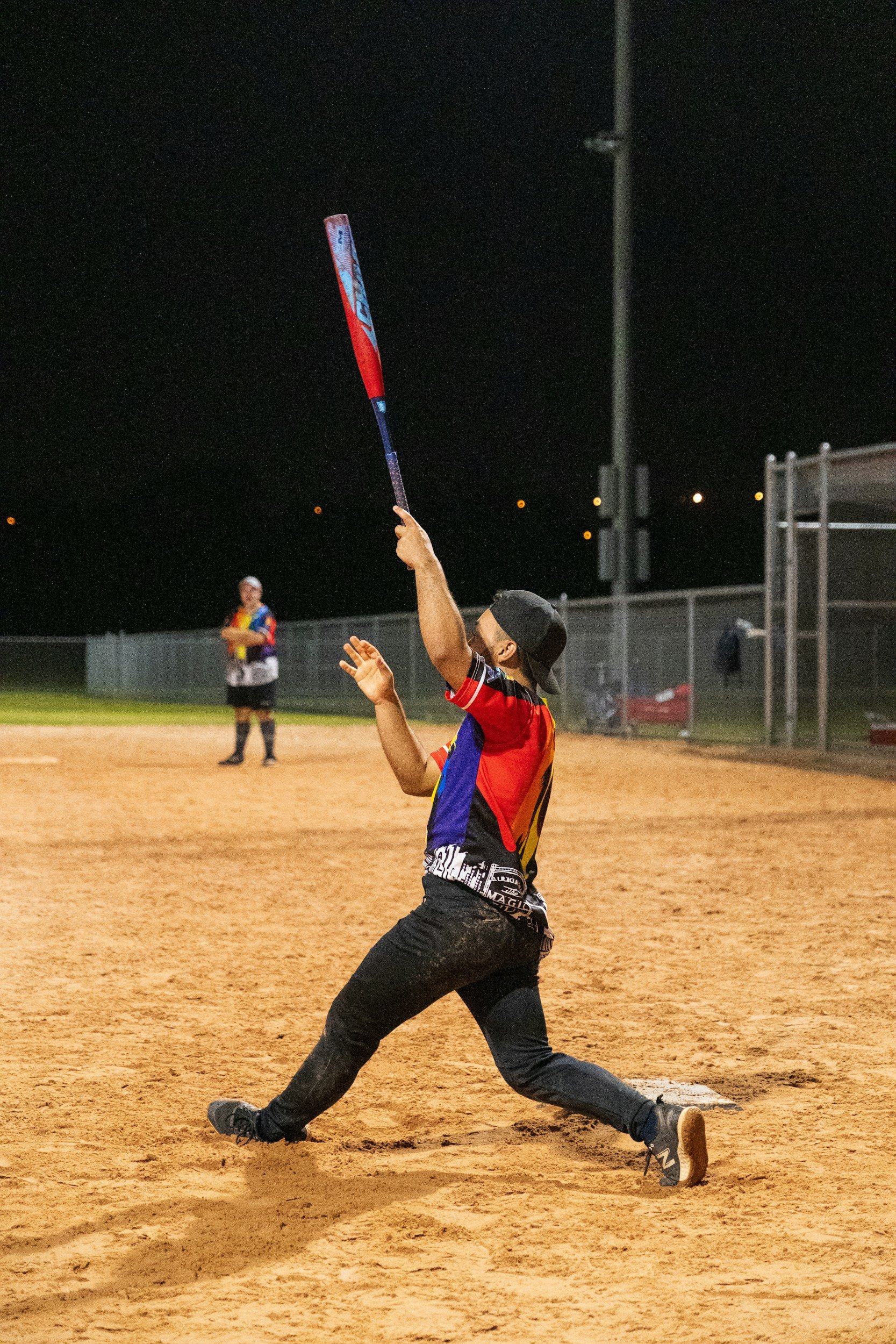
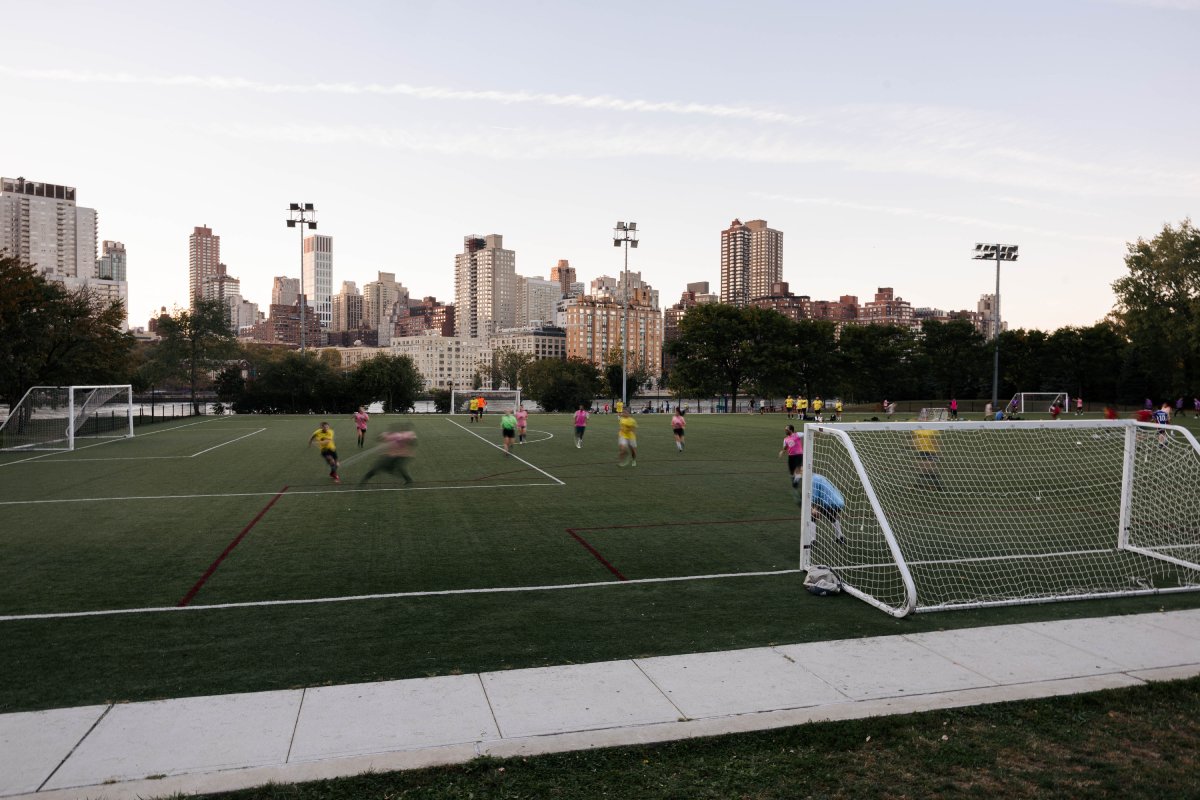
Finding and joining adult sports leagues in New York City offers a dynamic way to stay active, build community, and compete across the five boroughs, with options ranging from casual social co-ed kickball to highly organized competitive basketball and soccer. Whether you are a recent transplant looking to make friends or a lifelong athlete seeking structured weekend competition, the city's vast network of leagues operates year-round across municipal parks, indoor community centers, and private turf facilities.
Navigating the landscape requires understanding how registration works, what different organizations provide, how skill levels are categorized, and what financial and logistical commitments to expect.
The Landscape of NYC Adult Leagues
New York City features a diverse ecosystem of athletic organizations. Understanding the distinctions between these groups helps players select the right environment for their goals, budget, and schedule.
Major League Operators
The NYC adult sports market is divided among several key providers, each with distinct operational styles:
- VOLO Sports: One of the largest national operators in the city, VOLO emphasizes a heavy social component. Leagues often feature post-game happy hours with sponsored bar partners. They offer multiple sports—including soccer, volleyball, kickball, pickleball, and softball—spread across Manhattan, Brooklyn, and Queens.
- NYC Social (formerly NY Social Sports Club): Similar to VOLO, this organization focuses on combining recreational athletics with social networking. They run multi-season leagues with a strong emphasis on co-ed, casual formats designed for working professionals.
- NYC Parks Recreation Centers: Operated directly by the New York City Department of Parks and Recreation, these leagues offer some of the most affordable indoor options. Space is typically hosted within city-run recreation centers, though participants must often hold an active recreation center membership.
- Independent and Sport-Specific Leagues: Organizations like Gotham FC (for soccer) or NYC Basketball League cater to participants seeking higher levels of competition, certified referees, and strict adherence to rulebooks rather than post-game social events.
Formats: Individual vs. Team Registration
When signing up for an adult league in NYC, you generally choose one of three registration methods:
- Full Team Registration: If you already have a group of friends, coworkers, or former college teammates, one person registers the team and pays the lump sum. This guarantees you play together, though you are responsible for maintaining a full roster (including minimum female/male ratios for co-ed leagues).
- Small Group / Free Agent Pair: If you want to play with a friend or partner but do not have a full squad, you can register as a small group. The league will place you on the same team and attempt to fill out the remaining roster spots.
- Individual Free Agent: Signing up solo is one of the most common ways to join a league in NYC. Leagues routinely place free agents together to form house teams. While it requires adaptability, it remains a primary mechanism for newcomers to build social circles in the city.
Comparison of Popular NYC Adult Sports Organizations
Choosing the right league depends heavily on your primary motivation—whether that is intense athletic competition, physical fitness, or post-work socializing.
| Organization Name | Primary Focus | Common Sports Offered | Typical Cost Range | Social/Bar Partnership |
|---|---|---|---|---|
| VOLO Sports | Social & Recreational | Soccer, Kickball, Volleyball, Pickleball | $85 – $145 per player | Yes (Extensive) |
| NYC Social | Social & Recreational | Soccer, Softball, Basketball, Football | $90 – $150 per player | Yes |
| NYC Basketball League | Competitive | Basketball (Men's, Women's, Co-ed) | $150 – $225 per player | Minimal |
| NYC Parks Recreation | Budget & Municipal | Basketball, Volleyball, Indoor Soccer | $25 – $60 per team/season | No |
| Metro Community Leagues | Competitive & Organized | Soccer, Softball, Flag Football | $110 – $170 per player | Variable |
Seasons, Scheduling, and Facility Logistics
Securing athletic permits in New York City is notoriously competitive. Demand for turf fields, indoor gymnasiums, and diamond space far outstrips supply, which dictates how leagues structure their seasons and schedules.
Seasonal Breakdown
Adult leagues typically operate on a four-season model:
- Winter (January – March): Dominated by indoor sports such as basketball, indoor volleyball, and indoor futsal or turf soccer. Facilities are primarily indoor public schools, university gymnasiums, or private bubbles.
- Spring (April – June): Outdoor fields reopen. Soccer, kickball, softball, and outdoor volleyball leagues launch regular seasons, though weather cancellations due to spring rain can occasionally push games back.
- Summer (July – August): Peak season for outdoor twilight leagues. Games frequently kick off on weeknights at 7:00 PM, 8:00 PM, or 9:00 PM to accommodate standard work hours.
- Fall (September – November): A high-demand window as temperatures drop to comfortable levels. Leagues wrap up outdoor play just before winter weather sets in.
Navigating Venue Locations
Because space is scarce, venues are scattered across the boroughs:
- Manhattan: Turf fields are concentrated at locations like Pier 40 (Hudson River Park), East River Park, Randall's Island, and various public school yards. Indoor spaces are often school gymnasiums leased out on weekends or weeknights.
- Brooklyn: McCarren Park, Domino Park, Grand Ferry Park, and various indoor community centers serve as major hubs.
- Queens and Beyond: Facilities like Astoria Park and larger athletic complexes in Queens and Staten Island offer more expansive field footprints compared to tight Manhattan quarters.
Skill Levels, Equipment, and Rules
To ensure fair play and safety, adult leagues segment divisions by skill level and enforce specific equipment standards.
Defining Skill Tiers
Most leagues categorize play into three distinct tiers:
- Rec / Casual: Designed for beginners, those returning to a sport after a long hiatus, or individuals whose primary goal is physical movement and socializing. Rules are interpreted leniently, and sportsmanship is paramount.
- Intermediate: Suited for players with high school or casual club experience. The pace is faster, positioning is more structured, and basic strategies are implemented.
- Competitive / Advanced: Geared toward former college athletes or advanced club players. Matches feature strict rule enforcement, tactical play, and high athletic intensity.
Equipment Requirements
- Footwear: Turf shoes or molded cleats are mandatory for outdoor turf fields like Pier 40 or Randall’s Island; metal spikes are almost universally banned on artificial surfaces to protect the turf. Indoor courts require non-marking athletic sneakers.
- Uniforms: Most leagues provide colored t-shirts during week one. For higher-level competitive leagues, teams are often required to purchase matching numbered jerseys.
- Safety Gear: Shin guards are generally recommended for soccer and mandatory in certain competitive divisions. Catchers in softball leagues must wear appropriate protective gear.
Step-by-Step Guide to Registering and Playing
- Assess Your Availability: Review your weekly work commute and travel schedule. NYC leagues rarely reschedule matches for individual conflicts, and missing multiple games can jeopardize your team's standing or roster status.
- Determine Your Budget: Factor in registration fees, potential equipment purchases (cleats, shin guards), and transportation costs to outer-borough fields or Randall's Island.
- Choose a League and Tier: Visit operator websites, review the location map, and select a skill tier that matches your actual athletic history to avoid safety hazards or mismatched competition.
- Complete Registration: Sign up early. Popular time slots (such as Tuesday and Thursday evening soccer or kickball) and prime locations (like lower Manhattan) often sell out weeks before registration deadlines close.
- Review League Rules: Familiarize yourself with league-specific bylaws regarding forfeit policies, playoff eligibility (often requiring players to attend a minimum number of regular-season games), and code of conduct guidelines.
Frequently Asked Questions
What happens if it rains or snows on game day?
Weather policies vary by league, but outdoor turf games are generally played in light rain. If severe weather, lightning, or unplayable field conditions occur, the league operations team typically makes a cancellation call 2 to 4 hours before kickoff. Makeup games are usually scheduled toward the end of the season or appended as doubleheaders.
Can I join a league if I do not have a team?
Yes. Almost all major operators accept individual free agents. You can sign up alone or with a friend, and the league will assign you to a house team or integrate you into an existing roster that needs extra substitutes.
Are referees provided, or are games self-officiated?
Recreational and social leagues sometimes utilize player-refereed formats or league-provided field monitors for basic rule enforcement. However, standard competitive and intermediate leagues across soccer, basketball, and softball utilize certified, independent referees and umpires.
What is the typical age range of participants?
While participants must legally be 21 or older for leagues that incorporate sponsored bar events, the general age range spans from early 20s to late 40s. Different tiers often self-select by age group, with more strenuous competitive leagues attracting younger players and casual weekend leagues drawing a broader demographic.
Do I need to buy insurance to play?
Most commercial adult sports leagues include a basic secondary accident insurance policy within your registration fee, which covers limited medical expenses if you are injured during a sanctioned game. However, participants are strongly encouraged to maintain their own primary health insurance.
Next Steps for New Players
To get started, audit your weekly calendar, choose one sport that aligns with your fitness level and social interests, and visit major operator sites like VOLO Sports or NYC Social to browse upcoming seasonal calendars. Registering early ensures you secure your preferred borough and time slot before rosters freeze.