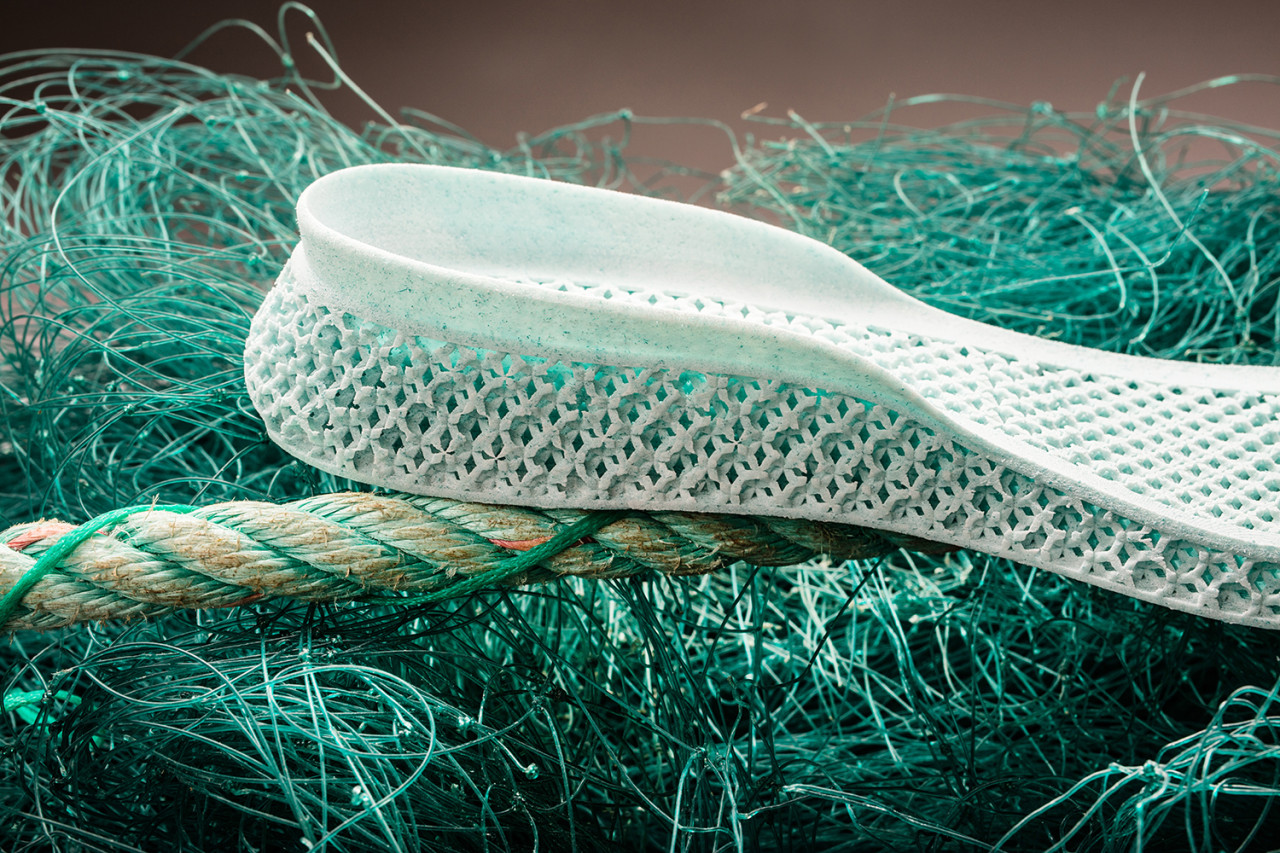
Adidas shoes made from recycled ocean plastic represent a significant intersection of high-performance footwear engineering and environmental sustainability efforts. These products primarily utilize Parley Ocean Plastic—a material intercepted from coastal communities and beaches—to replace virgin polyester in the construction of various sneaker models, aiming to mitigate the impact of marine debris on global ecosystems.
The integration of recycled materials into mass-market footwear has evolved from limited-edition prototypes to a core component of the Adidas product lineup. For consumers navigating this category, understanding the distinction between material sourcing, performance capability, and environmental impact is essential for making informed purchasing decisions. By examining the lifecycle of these materials, the technical performance of recycled textiles, and the scope of current product offerings, one can determine how these shoes align with both personal athletic needs and sustainability goals.
The Origin and Material Science of Parley Ocean Plastic
The partnership between Adidas and Parley for the Oceans, initiated in 2015, established a framework for turning plastic waste into technical apparel and footwear. The core material, Parley Ocean Plastic, is not merely recycled plastic sourced from general waste streams. It is specifically derived from upcycled plastic waste intercepted on remote islands, beaches, and in coastal communities before it reaches the ocean.
This process involves several critical stages: interception, sorting, cleaning, and transformation. Once gathered, the plastic—primarily polyethylene terephthalate (PET)—is shredded and processed into high-quality polyester yarn. This yarn is then used to knit the upper sections of many Adidas shoes, most notably within the UltraBoost and Terrex series. The technical challenge for Adidas engineers has been ensuring that the recycled fiber matches the durability, breathability, and tensile strength of traditional virgin polyester. Through advanced spinning techniques, the resulting material provides the characteristic flexibility and support required for high-performance athletic footwear.
Distinguishing Between Collections and Models
It is important for consumers to recognize that not every Adidas shoe is made from ocean plastic. Adidas utilizes various sustainability initiatives, including the use of recycled polyester, Parley Ocean Plastic, and other sustainable materials like organic cotton or mushroom-based leather alternatives.
The most prominent line utilizing ocean-sourced material is the "UltraBoost" range, specifically versions that bear the "Parley" branding. These shoes are designed for distance running and everyday wear, relying on the Primeknit upper—a hallmark of the Adidas performance range—which is largely constructed from the recycled fiber.
Comparative Breakdown of Sustainability Indicators
| Feature | Virgin Polyester Shoes | Parley Ocean Plastic Shoes |
|---|---|---|
| Primary Material | Petroleum-based synthetic | Upcycled PET marine debris |
| Performance | Industry standard | Equivalent performance engineering |
| Environmental Goal | Standard manufacturing | Waste reduction / Circular economy |
| Product Visibility | Standard branding | Often features Parley/Ocean branding |
When evaluating these products, look for labels on the box or product page. Adidas typically highlights the use of recycled content through specific product descriptions that state, "Made in part with Parley Ocean Plastic." This transparency allows buyers to differentiate between general recycled-content footwear and those specifically targeting marine plastic mitigation.
Performance and Durability: Does Recycling Affect Quality?
A frequent concern among athletes and casual users is whether footwear constructed from reclaimed marine plastic performs as well as traditional alternatives. Extensive testing by Adidas over the past decade has addressed these concerns by maintaining stringent performance standards.
The primary component derived from recycled ocean plastic is the upper of the shoe. Because the material is processed into a high-grade polyester filament, the structural integrity of the "knit" remains consistent with non-recycled versions. The strength-to-weight ratio of these fibers is high, which is a requirement for running shoes that must withstand the lateral forces of movement while remaining lightweight.
However, users should note that the midsole—the cushioning layer—is typically made from expanded thermoplastic polyurethane (eTPU). While this component is also undergoing shifts toward bio-based or recycled content, the "ocean plastic" label is almost exclusively associated with the upper fabric and laces. Thus, the cushioning feel, energy return, and overall fit are consistent with the specific model’s lineage, rather than being fundamentally altered by the recycled nature of the outer shell.
Lifecycle and Environmental Considerations
The sustainability argument for shoes made from recycled ocean plastic rests on the principles of a circular economy. By creating a demand for plastic waste, Adidas provides an economic incentive for coastal communities to collect and manage plastic that would otherwise enter the marine environment.
However, consumers should consider the broader lifecycle of the shoe. While the upper is made from recycled materials, athletic shoes are complex, multi-component products made from rubber, foams, adhesives, and dyes. Currently, the industry faces challenges in full recyclability—meaning that once an athletic shoe reaches the end of its life, it is difficult to break down into its base components for new manufacturing. The use of ocean plastic is an important step toward reducing the use of virgin fossil fuels, but it does not equate to the product being biodegradable or fully recyclable at the end of its functional life.
Navigating the Procurement Process
If you are looking to purchase Adidas shoes featuring recycled ocean plastic, the process is straightforward but requires attention to detail.
- Identify the Model: Determine your primary use case, such as road running, trail running, or lifestyle. The UltraBoost series is the most common home for Parley-branded materials.
- Verify Specifications: On the official Adidas website or authorized retail portals, check the "Materials" section of the product details.
- Check for Authenticity: Due to the popularity of these models, ensure you are purchasing from authorized channels. Official Adidas channels will clearly label the sustainable material content.
- Sizing: Recycled knit uppers generally offer a sock-like fit. If you are transitioning from more rigid, leather-based sneakers, you may find that the knit material provides more stretch.
Maintenance and Care
To maximize the longevity of shoes made from recycled materials, proper care is essential. The knit uppers are susceptible to snagging on sharp objects, and while the material is durable, it should be treated with the same care as any high-performance knit sneaker.
- Cleaning: Use a soft-bristled brush to remove dry dirt. For deeper stains, use mild soap and cold water. Avoid high-heat drying, as it can compromise the adhesive bonds of the sole and the structural integrity of the knit.
- Storage: Store in a cool, dry place away from direct sunlight, which can cause color fading and material degradation over time.
- Rotation: Rotating your shoes allows the materials to fully dry between uses, which helps maintain the bounce and responsiveness of the midsole foam.
Frequently Asked Questions
Are all Adidas shoes labeled "recycled" made from ocean plastic? No. Adidas uses various recycled materials, including recycled polyester sourced from post-consumer garments or manufacturing waste. Only products specifically designated as containing "Parley Ocean Plastic" are sourced from marine and coastal environments.
Do these shoes cost more than standard models? Pricing is generally consistent with the specific model's tier. For example, a Parley-branded UltraBoost is priced similarly to a standard UltraBoost. The price reflects the engineering and technology rather than an "eco-premium" markup.
Can these shoes be recycled at the end of their life? Currently, most athletic shoes are difficult to recycle due to the complex mix of materials. While the upper might be made of recycled plastic, the glues and foams used in the midsole make it challenging to separate materials for a circular recycling process.
Do these shoes feel different on the foot? Most users report no noticeable difference. The knit material is designed to replicate the feel of standard synthetic knits, offering high breathability and a secure, flexible fit.
What should I do if I find damage to the knit? Small snags can sometimes be pushed back into the knit structure, but major tears in the upper are generally not repairable. Prevention—such as avoiding abrasive environments—is the best way to maintain the life of the shoe.
Next Steps for the Eco-Conscious Athlete
If you are interested in incorporating more sustainable footwear into your rotation, start by identifying the specific performance requirements of your activity. If you are a long-distance runner, the UltraBoost series remains a top-tier choice that integrates recycled materials without compromising on cushioning or support. For trail enthusiasts, the Terrex series offers rugged durability with a focus on recycled polyester construction.
Before purchasing, check the official product pages to confirm the specific sustainability credentials, as Adidas frequently updates its manufacturing processes. By choosing products that utilize recycled content, you contribute to a market demand that incentivizes the cleaning of coastal ecosystems, moving the industry one step closer to a more circular model of production.