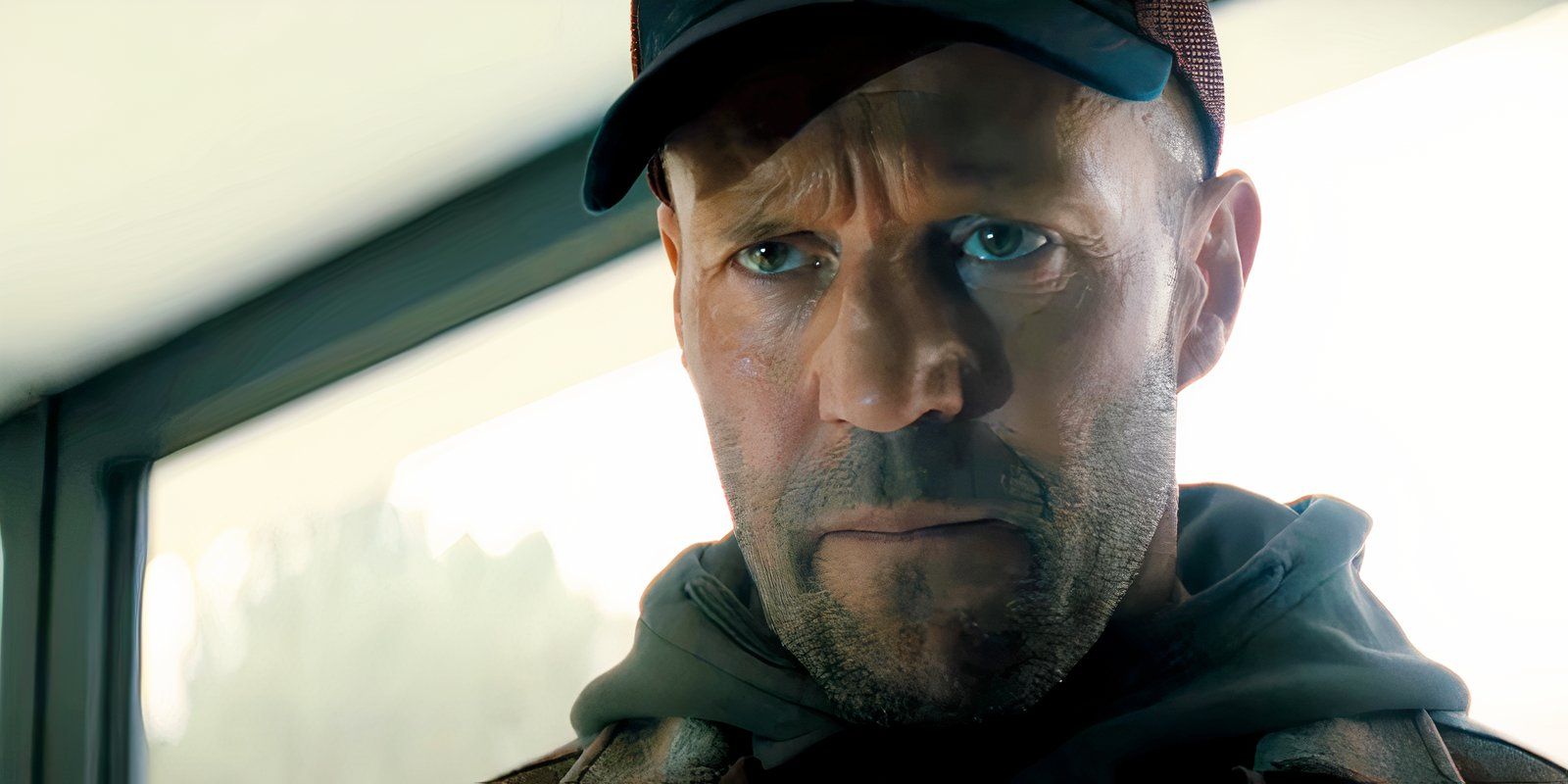
The career of Jason Statham represents one of the most consistent trajectories in modern cinema, transitioning from a competitive diver on the international stage to a quintessential action archetype. His evolution reflects a calculated approach to brand building, centered on physical authenticity, a distinct screen persona, and an unwavering commitment to the action genre’s traditional mechanics.
From the Diving Board to the Screen: The Foundation of Discipline
Before becoming a fixture of global cinema, Jason Statham was a member of Britain’s National Swimming Squad for twelve years. This background in elite athletics is not merely a biographical detail; it is the cornerstone of his brand. In the 1990s, while training at the Crystal Palace National Sports Centre in London, his physicality and natural charisma caught the attention of the fashion industry, leading to work for brands such as French Connection.
This transition from professional athlete to model provided the foundational discipline required for the grueling demands of action filmmaking. Unlike performers who rely solely on digital effects or stunt doubles, Statham’s "brand" is built on the audience’s knowledge that the man on screen is capable of performing, or at least understanding, the mechanics of the fights he portrays. This credibility allowed him to enter the film industry not as a trained actor in the traditional sense, but as a physical presence who could handle dialogue with a grounded, working-class veracity.
The Guy Ritchie Catalyst: Establishing the Persona
Statham’s film debut in Guy Ritchie’s Lock, Stock and Two Smoking Barrels (1998) established the archetypal character he would refine over the next three decades. In this film, he played "Bacon," a street-smart, fast-talking operator. This role was pivotal because it defined the "Statham Persona": a pragmatic, stoic, and physically formidable man navigating high-stakes criminal environments.
Following this, his collaboration with Ritchie in Snatch (2000) solidified his status as an actor who could command a screen through a combination of dry wit and menace. During this period, the "brand" was focused on the British crime caper. These early films demonstrated that Statham could carry an ensemble or anchor a narrative through sheer force of personality, creating a template for the "tough but relatable" protagonist that would later become a staple of global action cinema.
Transitioning to Hollywood and the Transporter Formula
The pivotal moment in Statham’s evolution from a British cult star to a global action brand was the 2002 film The Transporter. This film served as a masterclass in brand expansion. By portraying Frank Martin, a professional driver governed by a strict personal code of conduct, Statham signaled his move into the international action market.
The "Transporter" brand introduced several key elements that would become hallmarks of his career:
- The Code of Conduct: His characters frequently operate under a set of rigid, self-imposed rules, which makes them predictable yet compelling to an audience.
- Vehicular Precision: The integration of high-performance driving as an extension of the character’s combat capability.
- Minimalist Dialogue: The brand relies on the premise that the action speaks louder than the exposition.
By focusing on these elements, Statham effectively occupied the vacuum left by 1980s and 90s action stars who were aging out of the genre. He presented a modernized, leaner, and more agile alternative, which resonated with a global audience seeking grounded, choreography-heavy action rather than pure pyrotechnics.
The Ensemble Strategy: Fast & Furious and The Expendables
By the late 2000s and early 2010s, Statham had successfully leveraged his solo brand to become a key player in massive ensemble franchises. Joining The Expendables (2010) was a strategic alignment with the titans of the genre, effectively "passing the torch" from the previous generation of action icons (such as Sylvester Stallone and Arnold Schwarzenegger) to Statham.
Simultaneously, his entry into the Fast & Furious universe as Deckard Shaw showcased his ability to pivot from the stoic lead to a charismatic antagonist, and eventually a complex anti-hero. This flexibility is what prevented the "Jason Statham brand" from becoming stagnant. By inserting his established persona into existing, high-budget corporate franchises, he maintained his relevance while expanding his reach to a wider, global demographic that might not have watched his mid-tier solo projects.
Analyzing the Statham Brand Mechanics
To understand the endurance of the Statham brand, one must look at the consistency of his production choices. Whether in a high-budget franchise or a mid-budget thriller, the output remains remarkably uniform in its appeal.
| Element | Strategic Function | Audience Benefit |
|---|---|---|
| Physicality | Reduces reliance on CGI | Maintains immersion and authenticity |
| The "Code" | Provides moral simplicity | Creates predictable, satisfying narrative arcs |
| Dark Humor | Softens the stoic lead | Prevents the persona from becoming too cold |
| Stunt Work | Demonstrates commitment | Builds trust and brand loyalty |
This table highlights why Statham remains a bankable asset. His brand is not built on "acting range" in the traditional dramatic sense, but on "brand consistency." When audiences buy a ticket to a film featuring Jason Statham, they have a clear expectation of the product they are receiving, which is a rare form of reliability in the volatile film industry.
Addressing Common Misconceptions
There is often a critique that Statham "plays the same character in every film." From an SEO and brand analysis perspective, this is a misunderstanding of his business model. Statham is not a character actor; he is a brand. In the same way that a high-end luxury watch manufacturer does not radically alter their flagship model every year, Statham provides a specific, high-quality experience that his audience expects.
His evolution is not about changing his core identity but about placing that identity into different settings. He has successfully moved from London crime underworlds to international espionage, high-octane racing, and creature features (as seen in The Meg). The settings change, but the anchor—the man who can solve the problem with efficiency and a dry quip—remains constant.
Prerequisites for the "Statham-Style" Action Hero
For filmmakers or actors looking to emulate the success of the Statham model, there are several prerequisites that must be met:
- Physical Literacy: One cannot fake the presence required for this archetype. The actor must possess an athletic history or undergo extensive, long-term training to move with the necessary fluidity and power.
- Voice and Delivery: Statham’s brand is heavily reliant on his distinct, gravelly delivery. This "voice" serves as an auditory shorthand for his character’s past, implying a life of hardship without needing to explain it through dialogue.
- Genre Familiarity: He understands the mechanics of a fight sequence. This is essential for a leading man who expects to participate in the choreography, as it allows directors to film longer, more coherent takes rather than relying on rapid-fire editing to hide a lack of coordination.
FAQ: The Global Action Brand
What is the defining trait of a Jason Statham movie? The defining trait is the presence of an unflappable, hyper-competent protagonist who adheres to a strict personal code and handles conflict with physical, rather than purely technological, force.
How does Statham manage to stay relevant in an era of CGI-heavy cinema? Statham differentiates his brand by doubling down on practical stunts and "real-world" physics. While other franchises lean into green screens, his films generally prioritize the aesthetic of the "physical man in a physical space," which appeals to audiences looking for grounded stakes.
Is Jason Statham’s brand limited to the action genre? While action is his primary vehicle, his brand is rooted in his ability to blend action with dark comedy. He has rarely strayed into pure drama, as his audience expectations are firmly tethered to his established action persona.
What is the most important lesson in brand building from his career? The most important lesson is consistency. By refusing to chase roles that deviate from his established persona, Statham ensured that his name became synonymous with a specific "product" in the global film market.
Does Statham perform his own stunts? Statham is known for performing a significant portion of his own stunts, particularly those involving driving and hand-to-hand combat. However, insurance and safety regulations on major studio sets often mandate the use of professional stunt doubles for high-risk or life-threatening maneuvers, as is standard practice in the industry.
Moving Forward: The Next Phase of the Brand
As of 2026, the evolution of the Jason Statham brand has moved toward a more producer-focused model. By taking an active role in the development and production of his projects, he has secured more control over the quality and trajectory of his output. The path forward for his brand lies in the consolidation of his status as a producer-performer who can mentor new talent while continuing to deliver the high-octane, reliable action content that his global fanbase expects.
For those tracking the trajectory of modern action cinema, Statham’s career offers a definitive blueprint for how an actor can transcend the limitations of genre to become a self-sustaining, global enterprise. The key takeaway is that true longevity in entertainment is rarely found in constant reinvention; it is found in the perfect, polished iteration of a singular, distinct vision.