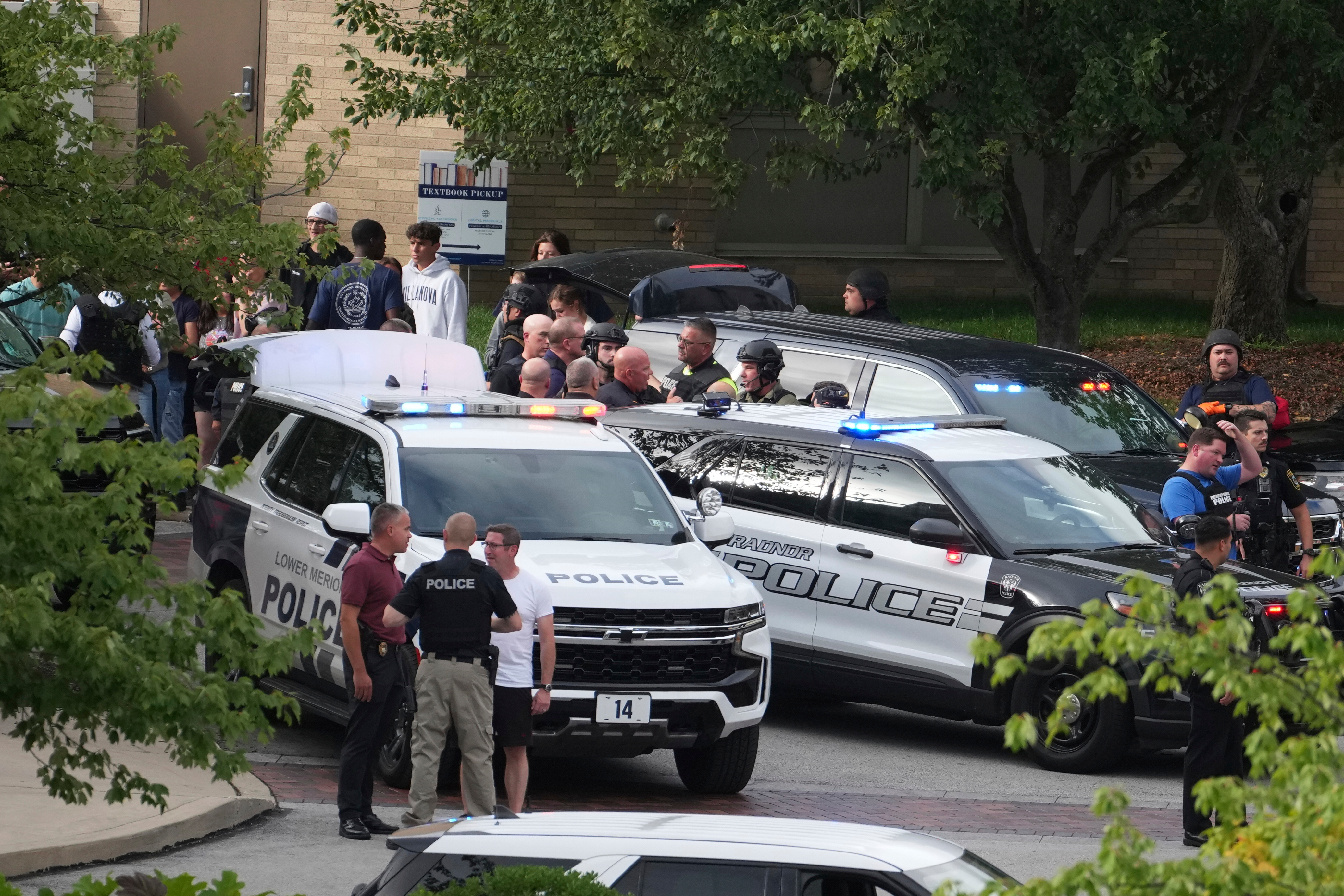
In the event of an active shooter alert at Howard University, the primary objective is to follow the "Run, Hide, Fight" protocol established by the Department of Public Safety (DPS). Students, faculty, and staff are urged to immediately clear the area, secure themselves in a locked or barricaded room if escape is impossible, and contact 911 or campus security as soon as it is safe to do so.
The Institutional Framework for Campus Safety
Howard University, like all major academic institutions, operates under a comprehensive emergency management plan designed to mitigate the risks associated with critical incidents, including active shooter threats. The university’s Department of Public Safety (DPS) serves as the primary entity responsible for maintaining order, conducting threat assessments, and coordinating with the Metropolitan Police Department (MPD) of the District of Columbia.
Understanding the university's response architecture is critical for every member of the campus community. When an emergency is detected, Howard utilizes a multi-layered communication strategy known as the "Bison Emergency Alert System." This system is designed to provide real-time updates via text message, email, and the university’s official social media channels. It is a mandatory expectation that all students and personnel maintain updated contact information in their HU portal to ensure they receive these critical, time-sensitive warnings.
The university’s approach to active shooter situations is guided by standardized national training models, such as the Department of Homeland Security’s "Run, Hide, Fight" framework. By aligning with these national standards, Howard ensures that its emergency procedures are consistent with the tactical responses utilized by law enforcement, thereby reducing confusion during the high-stress moments of an active incident.
The "Run, Hide, Fight" Protocol: A Practical Guide
The "Run, Hide, Fight" model is not merely a theoretical concept; it is an actionable sequence of survival strategies. The effectiveness of this protocol depends on the individual's ability to assess their immediate environment and act decisively without waiting for further instruction.
1. Run (Evacuation)
If an accessible escape path is identified, the immediate priority is to leave the premises. Leave all personal belongings behind. You must not attempt to move wounded individuals, as this may place you and others in further danger. Once you have reached a safe distance, prevent others from entering the area and notify law enforcement of the shooter’s last known location, physical description, and the number of weapons involved.
2. Hide (Barricading)
If evacuation is not possible, find a place of shelter. The ideal hiding place should be out of the shooter’s view and provide protection if shots are fired in your direction. Lock the door and blockade it with heavy furniture—such as desks or bookshelves—to impede entry. Silence your mobile phone, including the vibrate function, and remain quiet. Turn off all lights to make the room appear vacant.
3. Fight (Last Resort)
Engaging an active shooter is a life-or-death measure that should only be taken when your life is in imminent danger. If you are forced to fight, commit to your actions entirely. Utilize improvised weapons such as fire extinguishers, chairs, or heavy objects to distract or disarm the attacker. Working as a group to overwhelm the shooter significantly increases the probability of survival.
Coordination with Law Enforcement and First Responders
When law enforcement arrives at the scene, the primary goal for officers is to neutralize the threat. It is essential to understand that responding officers are trained to focus on the shooter rather than the injured. You must cooperate fully with their commands.
- Keep hands visible: Always keep your hands empty and visible to officers.
- Avoid sudden movements: Do not make sudden moves or run toward officers.
- Follow directions: Follow all instructions provided by the police, even if they appear counterintuitive at the moment.
- Provide information: Once you are in a safe, designated assembly area, provide as much detail as possible to officers, but remain calm and patient.
The Metropolitan Police Department, in partnership with Howard University’s DPS, conducts regular drills to ensure that response times are minimized. However, the duration between the initial report and police arrival can vary based on the specific location on campus. Consequently, situational awareness remains the most effective tool in the minutes preceding the arrival of professional responders.
Comparison of Emergency Response Measures
The following table summarizes the key actions to be taken during different phases of an emergency incident on campus.
| Phase | Priority Action | Key Requirement |
|---|---|---|
| Initial Alert | Situational Assessment | Verify alert via official HU channels. |
| Immediate Threat | Run or Evacuate | Abandon personal belongings; head to exits. |
| Imminent Threat | Hide and Barricade | Silence devices; block entry; stay low. |
| Law Enforcement Arrival | Compliance | Keep hands visible; do not approach officers. |
| Post-Incident | Communication | Report to designated accountability area. |
Strengthening Campus Resilience and Mental Health
Active shooter incidents create profound psychological impacts on a university community. Beyond the physical safety protocols, Howard University emphasizes the necessity of mental health support for students and faculty. The Counseling Center provides resources to assist individuals in managing trauma associated with emergency events.
Institutional resilience is also fostered through proactive prevention. This includes the reporting of "suspicious behavior" or "concerning conduct" through the university’s behavioral intervention teams. If you observe an individual whose behavior suggests a potential for violence—whether through verbal threats, written communication, or the possession of prohibited items—reporting this information to campus security is a collective responsibility that can prevent an escalation into a dangerous situation.
Common Misconceptions Regarding Campus Safety
One of the most frequent errors made during an active shooter event is the delay caused by confusion or the search for more information. During an emergency, you should not wait for official confirmation before taking self-preservation measures. If you hear what sounds like gunfire, treat it as an emergency immediately.
Another common mistake is the failure to properly secure digital communications. While communicating with loved ones is a natural instinct, using devices during an "Hide" situation can alert a shooter to your location through noise or light. Unless you are sending a discreet message to law enforcement (such as a text to 911), communication should be kept to an absolute minimum until you are in a secure location.
Frequently Asked Questions
How do I sign up for Howard University emergency alerts? Students and staff must register via the Howard University Bison Emergency Alert portal. Ensure your mobile number and email are current to receive SMS and voice notifications during campus emergencies.
What should I do if I am caught in a hallway during an active shooter event? If you are in an open area, seek the nearest room or enclosed space and lock the door. If you cannot reach a room, look for structural cover, such as concrete pillars or heavy desks, and remain as low to the ground as possible while moving toward an exit.
Are there metal detectors or security checkpoints on campus? Security procedures vary by building and event type. Certain campus facilities utilize security checkpoints to monitor entry. Always comply with university personnel at these stations, as they are part of the broader effort to maintain a secure environment.
What is the role of the Department of Public Safety (DPS) during an incident? DPS acts as the first point of contact and works in conjunction with federal and municipal agencies to secure the campus perimeter, control access, and provide logistical support to responders from the Metropolitan Police Department.
Where can I find the official Howard University safety handbook? The university maintains an updated emergency preparedness manual on the Department of Public Safety website. It is highly recommended to review this document at the start of each semester to familiarize yourself with evacuation maps for your specific classrooms and residence halls.
Final Recommendation and Next Actions
Safety at Howard University is a shared commitment between the administration and the individual. To ensure you are fully prepared, take these steps immediately:
- Confirm your contact information is updated in the Bison Emergency Alert system.
- Locate the emergency evacuation routes in all your frequented buildings.
- Save the Howard University Department of Public Safety non-emergency and emergency contact numbers in your phone’s favorites.
- Familiarize yourself with the "Run, Hide, Fight" methodology and discuss it with your peers to ensure a unified, calm response in the event of a crisis.