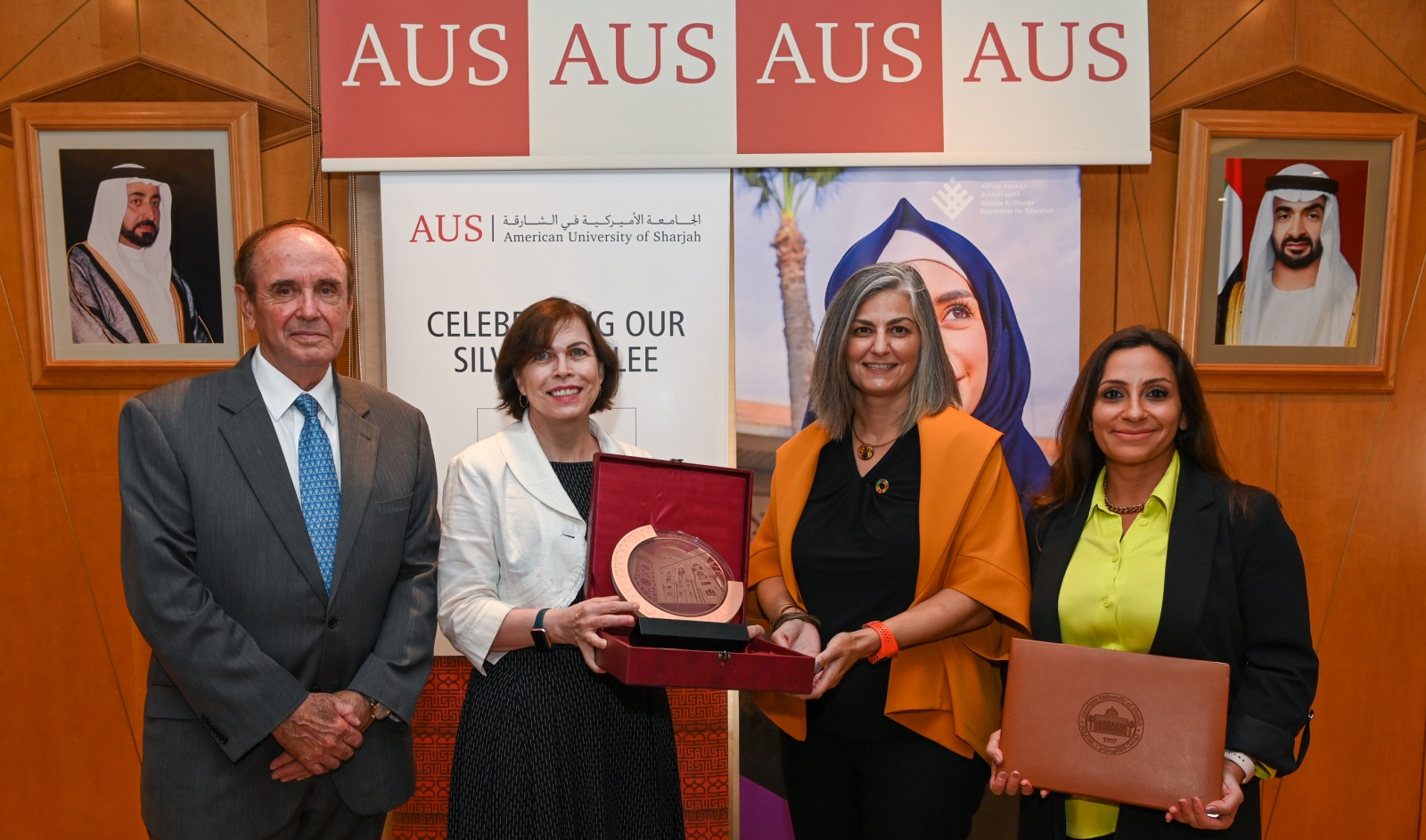
Abdulla Al Ghurair is a prominent Emirati business leader and the visionary founder of Mashreqbank, one of the oldest and most successful private financial institutions in the United Arab Emirates. As a member of the influential Al Ghurair family, his career mirrors the rapid economic evolution of the UAE, transitioning from traditional merchant roots to modern corporate enterprise. His legacy is defined by sustained financial innovation, strategic diversification, and a profound commitment to philanthropic endeavors through the Abdulla Al Ghurair Foundation for Education.
Early Life and the Foundation of a Business Dynasty
The Al Ghurair family traces its roots in the UAE back to the era of pearl diving and small-scale maritime trade. Abdulla Al Ghurair grew up during a time when the region was shifting from a traditional trading hub to an emerging global center for finance and commerce. His early experiences in the family’s merchant businesses provided the foundational skills necessary to navigate the complexities of international trade and supply chain management.
In 1967, long before the formal unification of the United Arab Emirates, Abdulla Al Ghurair took a bold step by founding the Bank of Oman, which would later be rebranded as Mashreqbank in 1993. The establishment of this bank served as a critical pillar for the local economy, providing the capital and financial infrastructure needed by other entrepreneurs and merchants to scale their operations. Throughout the 1970s and 1980s, Al Ghurair oversaw the institution's growth, ensuring that the bank remained at the forefront of the region’s banking sector by adopting international standards while maintaining deep local relevance.
The Evolution of Mashreqbank
Mashreqbank represents more than just a financial entity; it serves as a case study in institutional adaptability. Under Al Ghurair’s leadership, the bank pioneered several technological advancements within the UAE, including the introduction of automated teller machines (ATMs), debit cards, and early electronic payment systems. These innovations were instrumental in shifting the UAE’s economy toward a digitized, modern financial landscape.
As of 2026, Mashreqbank continues to operate as a vital component of the UAE’s banking sector, offering a comprehensive suite of corporate, investment, and retail banking services. The bank’s ability to remain competitive in a landscape increasingly crowded with fintech startups and global financial giants is often attributed to the robust corporate governance framework established during Al Ghurair’s tenure as Chairman. By prioritizing conservative risk management alongside aggressive digital transformation, the institution has maintained its stability through various economic cycles, from the regional oil fluctuations of the late 20th century to the global financial integration of the 21st century.
Strategic Diversification and the Al Ghurair Conglomerate
Beyond banking, the Al Ghurair name is synonymous with massive industrial diversification. The family conglomerate, in which Abdulla Al Ghurair played a central strategic role, spans sectors including real estate, retail, manufacturing, and food production. This diversification strategy was intentional; it was designed to mitigate the risks associated with single-industry reliance and to capture value across the entire regional supply chain.
The group’s involvement in real estate development, for example, has resulted in iconic architectural landmarks that define the Dubai skyline. Similarly, their industrial manufacturing units have provided essential materials for the region’s massive infrastructure projects. This multidimensional approach has solidified Abdulla Al Ghurair’s position as one of the UAE’s wealthiest and most influential business leaders, consistently featured in regional and global lists of high-net-worth individuals. His success is frequently cited as a template for family-led business structures that successfully transitioned to professionalized corporate management.
Philanthropy: The Abdulla Al Ghurair Foundation for Education
Perhaps the most enduring element of Abdulla Al Ghurair’s legacy is his commitment to social welfare. In 2015, he pledged a significant portion of his wealth—estimated at over $1 billion—to establish the Abdulla Al Ghurair Foundation for Education. This initiative was created to address the critical gap in access to quality education for high-achieving but underserved youth in the Arab world.
The Foundation focuses on providing scholarships, academic support, and mentorship to students across the region. By 2026, the Foundation has evolved to emphasize STEM (Science, Technology, Engineering, and Mathematics) education, recognizing that the future of the UAE and the broader Arab region depends on a workforce capable of navigating the complexities of the digital economy. Through this initiative, Al Ghurair has shifted the focus from merely building wealth to investing in the human capital of the next generation, a move that distinguishes his approach to legacy planning from traditional inheritance models.
The Financial Landscape: A Comparative View
Understanding the scale of Abdulla Al Ghurair’s influence requires a look at the organizational structure of the businesses he helped build. The following table illustrates the core components of his professional legacy and their primary functions.
| Segment | Entity / Initiative | Core Function |
|---|---|---|
| Banking | Mashreqbank | Corporate and retail finance, digital transformation. |
| Industry | Al Ghurair Group | Manufacturing, supply chain, and retail operations. |
| Real Estate | Al Ghurair Properties | Development, management, and leasing of commercial/residential assets. |
| Philanthropy | AAGFE | Educational scholarships and youth workforce development. |
Key Insights for Entrepreneurs
The trajectory of Abdulla Al Ghurair’s career offers several lessons for those looking to build or lead businesses in the Middle East:
- Early Adoption of Technology: The success of Mashreqbank was largely built on the early adoption of technological solutions for customer convenience. Identifying technological friction points and solving them is a reliable path to market leadership.
- Long-Term Vision over Short-Term Gains: Al Ghurair’s strategy was never about the next quarter’s earnings but rather the longevity of the institution. This involves building a deep-rooted corporate culture and maintaining a conservative balance sheet.
- Institutionalized Giving: The creation of a foundation as an integral part of one’s business portfolio allows for a more structured and impactful approach to social responsibility, separating personal wealth from societal contribution while ensuring accountability.
- Family Governance: Managing a multi-generational conglomerate requires clear boundaries between family ownership and professional executive management. Distinguishing these roles early on ensures the business survives the transition between generations.
Frequently Asked Questions
1. What is the role of the Abdulla Al Ghurair Foundation for Education in 2026?
The Foundation continues to provide academic scholarships and digital training programs for Arab youth. By 2026, it has shifted further toward high-tech vocational training to ensure participants are prepared for the evolving regional job market, focusing heavily on AI literacy and sustainable engineering practices.
2. How did Mashreqbank adapt to the rise of digital banking?
Mashreqbank was a pioneer in early banking technology, which gave it a competitive edge. Today, it remains highly digital, offering a "bank-on-the-go" experience. It has successfully integrated mobile-first banking services, reducing the reliance on physical branches and focusing on high-security, low-latency financial transactions.
3. Is the Al Ghurair business a family-owned conglomerate?
Yes, it is a multi-generational business. While Abdulla Al Ghurair provided the vision, the group is now governed by professional management boards that include family members and external experts, ensuring that the conglomerate can handle the complexities of modern, globalized business operations.
4. What is the primary source of the Al Ghurair family wealth?
The wealth is diverse, but it originated from merchant trading and was significantly expanded through the establishment of banking (Mashreqbank) and industrial manufacturing. Real estate and retail operations serve as the current pillars of the group’s consistent cash flow.
5. Can students apply for scholarships from the foundation directly?
Yes, the Abdulla Al Ghurair Foundation for Education manages its own application portals. Prospective students are advised to check the official website of the Foundation annually, as application windows are tied to the academic calendar and specific program availability.
6. What makes the UAE banking sector distinct?
The UAE banking sector is characterized by high levels of capitalization and a very rapid adoption rate for new financial technologies. Institutions like Mashreqbank operate in a highly regulated environment that balances aggressive digital innovation with strict adherence to regional and international financial standards.
Recommendation for Further Exploration
For those interested in studying the business strategies of the UAE’s top leaders, the best next step is to examine the annual reports and corporate social responsibility (CSR) statements released by Mashreqbank. These documents provide a granular look at how a legacy institution manages modern digital transitions and adapts to regulatory changes. Furthermore, reviewing the impact reports published by the Abdulla Al Ghurair Foundation for Education offers a practical understanding of how large-scale private philanthropy is effectively executed to drive regional socio-economic growth.