AARP supplemental Medicare coverage refers to Medicare Supplement Insurance (Medigap) plans that are made available to AARP members through a partnership with UnitedHealthcare. These plans are designed to fill the "gaps" in Original Medicare (Part A and Part B), such as copayments, coinsurance, and deductibles, helping beneficiaries manage out-of-pocket medical expenses and simplify their healthcare budgeting.
The Foundation: Understanding the Medicare and AARP Relationship
To understand supplemental Medicare through AARP, one must first distinguish between the government-provided program and the private insurance products endorsed by the organization. Medicare itself is a federal program that provides health insurance to those aged 65 and older, as well as younger individuals with specific disabilities. Original Medicare consists of Part A (hospital insurance) and Part B (medical insurance). While these parts cover a significant portion of healthcare costs, they do not cover everything.
Beneficiaries are often responsible for 20% of the cost of Part B services after the deductible is met, and these costs can accumulate rapidly during an illness or injury. Medigap plans are private insurance policies regulated by state and federal law, designed to pay for some or all of the costs that Medicare leaves behind.
AARP does not act as the insurance carrier. Instead, AARP licenses its brand to UnitedHealthcare, which underwrites and administers the Medigap policies. When a consumer looks for "AARP supplemental Medicare," they are searching for Medigap plans provided by UnitedHealthcare that carry the AARP brand endorsement. These plans are standardized by the federal government, meaning the benefits for a Plan G policy are identical regardless of which insurance carrier provides it, though premiums and customer service levels may differ significantly.
Eligibility and Membership Prerequisites
To purchase an AARP-endorsed Medicare Supplement Insurance plan, you must meet two distinct sets of criteria: eligibility for Medicare and eligibility for AARP membership.
- Medicare Eligibility: You must be enrolled in Medicare Part A and Part B. If you are approaching age 65, your initial enrollment period is the most advantageous time to apply for a Medigap plan. During your "Medigap Open Enrollment Period"—which begins on the first day of the month you are 65 or older and enrolled in Part B—insurance companies cannot deny you coverage or charge you higher premiums due to pre-existing health conditions.
- AARP Membership: Because these specific plans are branded through AARP, membership is typically a requirement to apply. Membership is generally open to individuals aged 50 and older. If you are not already a member, you are usually required to join the association as part of the enrollment process for the supplemental plan.
It is important to note that while AARP membership is required to access these specific plans, your health status is only a factor if you are applying outside of your initial enrollment period or a designated "guaranteed issue" window. In many states, if you wait to enroll, you may be subject to medical underwriting, where the insurance company can review your health history to decide whether to cover you and how much to charge.
Comparing Standardized Medigap Plans
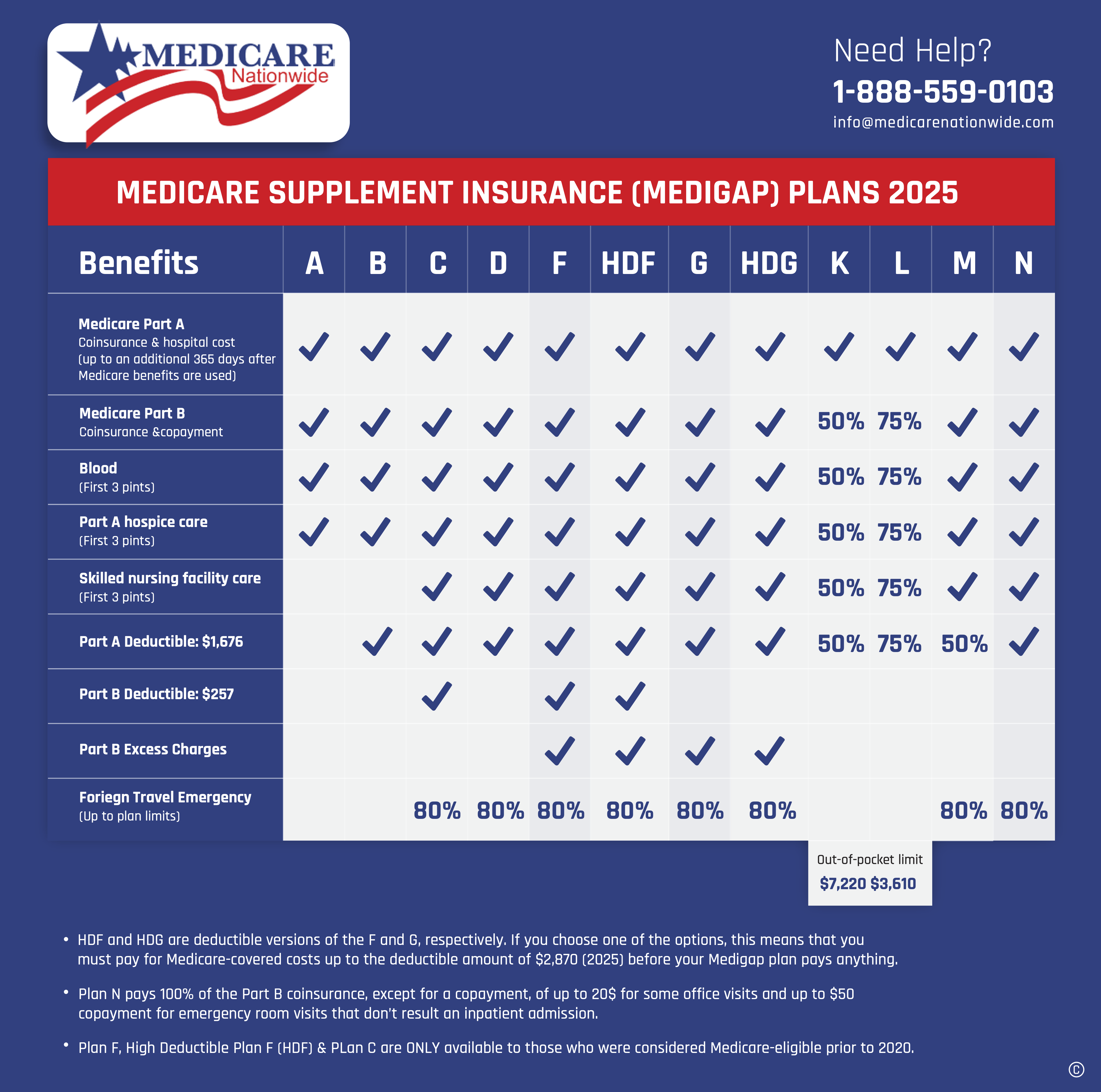
The federal government mandates that Medigap policies be standardized into lettered plans (e.g., Plan A, Plan B, Plan G, etc.). While not all states offer every plan, the benefits for a specific letter are consistent. The AARP-endorsed plans offered by UnitedHealthcare follow these standardizations.
| Plan Feature | Plan A | Plan B | Plan G | High Deductible Plan G |
|---|---|---|---|---|
| Part A Coinsurance & Hospital Costs | Yes | Yes | Yes | Yes |
| Part B Coinsurance or Copayment | Yes | Yes | Yes | Yes |
| Blood (first 3 pints) | Yes | Yes | Yes | Yes |
| Part A Hospice Care Coinsurance | Yes | Yes | Yes | Yes |
| Skilled Nursing Facility Coinsurance | No | No | Yes | Yes |
| Part A Deductible | No | Yes | Yes | Yes |
| Part B Excess Charges | No | No | Yes | No |
| Part B Deductible | No | No | No | No |
Note: As of 2026, plans covering the Part B deductible (like Plan C and Plan F) are generally unavailable to individuals who became eligible for Medicare on or after January 1, 2020.
The most popular choice for new enrollees currently tends to be Plan G, which covers almost all out-of-pocket costs with the exception of the Part B deductible. It offers comprehensive coverage that provides predictability for those who want to avoid surprise medical bills.
The Role of Medical Underwriting
The "guaranteed issue" right is a critical concept in the Medigap landscape. If you apply for a policy outside of your initial enrollment window, the insurance carrier may conduct medical underwriting. During this process, the company will ask health-related questions to determine your risk profile.
If you have certain health conditions, the company may legally refuse to sell you a policy, or they may impose a waiting period for coverage of pre-existing conditions. Because these rules vary significantly by state, it is essential to review the specific regulations in your jurisdiction. Some states have "Medigap Birthday Rules" or "Anniversary Rules," which may allow you to switch plans annually without undergoing medical underwriting, regardless of your health status.
Cost Considerations and Financial Planning
Premiums for AARP-endorsed Medigap plans are influenced by several factors, including your age, your gender, your location (zip code), and the rating method used by the insurance company in your state.
- Community Rating: Premiums are the same for all policyholders in a given area, regardless of age.
- Issue-Age Rating: Premiums are based on the age you were when you first bought the policy. These premiums generally do not increase as you get older, though they may rise due to inflation or medical cost increases.
- Attained-Age Rating: Premiums start lower but increase automatically as you get older.
In 2026, beneficiaries should be mindful that while an AARP-endorsed plan may offer a competitive starting price, the long-term cost trajectory depends heavily on the rating method used by the specific policy in your state. When budgeting, consider that a lower initial premium might be offset by sharper increases over time if the policy follows an attained-age rating structure.
Common Mistakes to Avoid
- Confusing Medigap with Medicare Advantage: This is the most common error. A Medicare Advantage plan (Part C) is an alternative to Original Medicare; it often includes drug coverage (Part D) and replaces your coverage with a private network of doctors. You cannot have both a Medigap policy and a Medicare Advantage plan simultaneously. If you choose to enroll in a Medicare Advantage plan, you should cancel your Medigap policy to avoid redundant payments.
- Missing the Enrollment Window: Failing to apply during the six-month open enrollment period can result in permanent denial of coverage or significantly higher premiums due to health underwriting.
- Ignoring Part D: Medigap plans do not cover prescription drugs. You must enroll in a standalone Medicare Part D prescription drug plan to ensure you have coverage for your medications.
How to Evaluate and Select a Plan
Selecting the right supplemental plan requires a clear assessment of your current health needs and financial tolerance for risk. If you are someone who prefers to have a predictable monthly expense and wants to avoid the stress of unexpected 20% coinsurance charges, a comprehensive plan like Plan G is often the most suitable. If you are generally healthy and have a significant emergency fund, you might consider a High-Deductible Plan G to lower your monthly premiums.
Before committing, use the official Medicare plan finder tool to compare the costs of different carriers in your area. While AARP-endorsed plans provided by UnitedHealthcare are widely recognized, other carriers may offer different premiums for the exact same standardized benefits. Always verify that your preferred doctors accept the "Original Medicare" payment structure, as Medigap plans are designed to work with any provider in the United States who accepts Medicare.
Frequently Asked Questions
Does AARP supplemental Medicare cover prescription drugs? No, Medigap policies do not include prescription drug coverage. You must purchase a separate Medicare Part D plan to cover your medications. Combining a Medigap plan with a standalone Part D plan is a common way to achieve comprehensive coverage.
Can I switch my Medigap plan at any time? You can apply to switch your plan at any time, but you may not have "guaranteed issue" rights. Outside of specific windows or state-mandated rules, you will likely be subject to medical underwriting, which means you could be denied coverage if you have pre-existing health conditions.
Does an AARP-endorsed plan allow me to see any doctor? Yes. Because Medigap policies supplement Original Medicare, you can see any doctor or visit any hospital in the United States that accepts Medicare. You do not need a referral to see a specialist.
What happens if I move to a different state? Medigap plans are portable. If you move, you generally keep your existing plan. However, your premiums may change based on the rates in your new location. You should contact the insurance carrier to update your address and confirm any premium adjustments.
Are these plans worth the cost for a healthy individual? The value depends on your risk tolerance. Even a healthy individual can face an unexpected medical event. A Medigap plan acts as a financial safeguard, ensuring that a single major surgery or hospital stay does not lead to overwhelming out-of-pocket costs.
Next Steps for Enrollment
To begin your enrollment, start by verifying your Medicare Part A and B status. Once confirmed, visit the official AARP Medicare Supplement Insurance website or contact UnitedHealthcare directly to request a quote based on your specific zip code and age. Carefully review the "Outline of Coverage" document provided for each plan you are considering; this document clearly details the benefits, the premiums, and the specific terms of the policy. If you have questions regarding your unique health situation or plan availability in your specific county, consult with a state-based Health Insurance Assistance Program (SHIP) counselor, who can provide free, objective, and unbiased guidance.