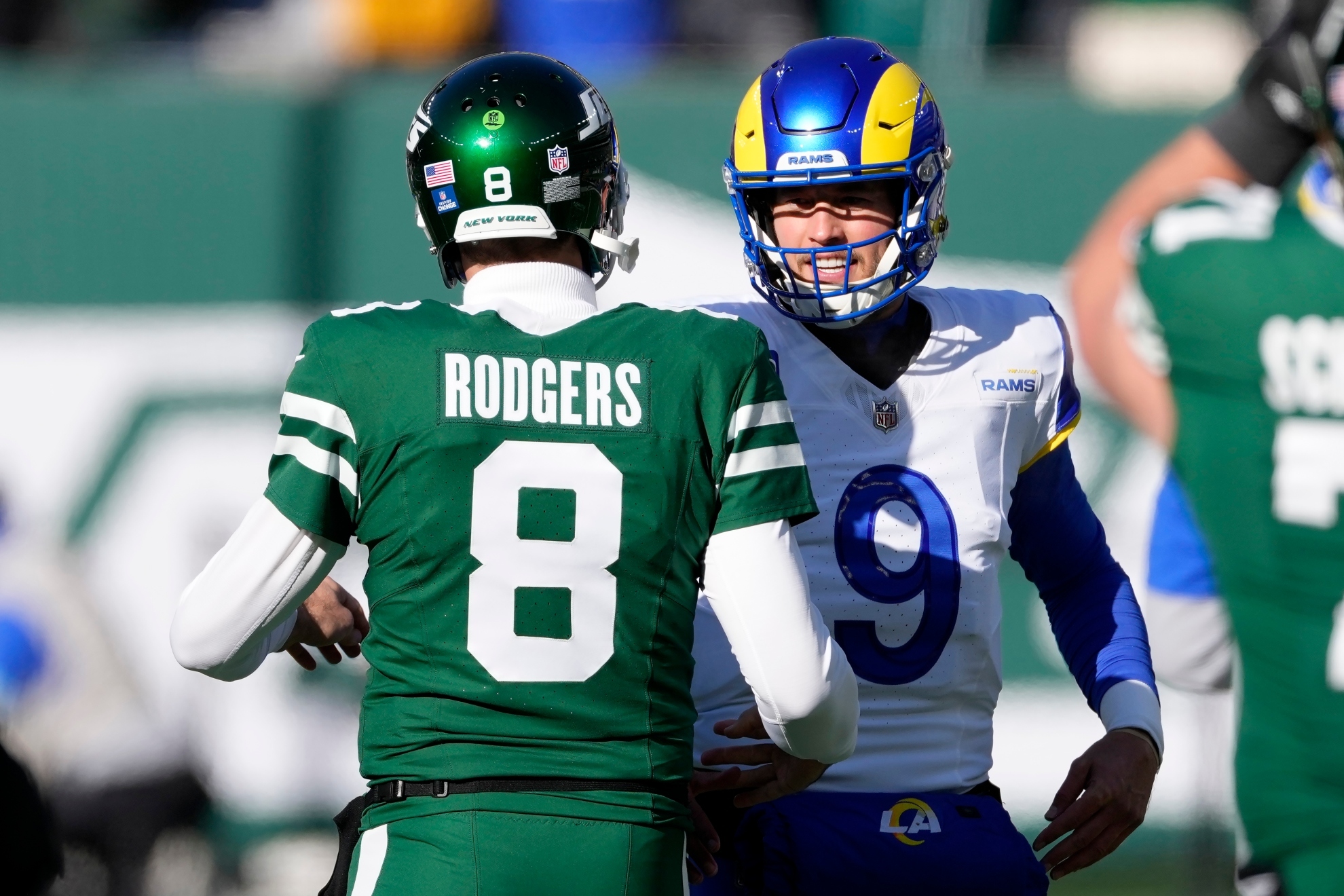
As of early 2026, the question of Aaron Rodgers' next move centers on his contractual status with the New York Jets and the broader implications for his continued participation in professional football. Following a multi-year tenure characterized by injury-related setbacks and fluctuating team performance, Rodgers remains under a structured financial arrangement that dictates both his retirement eligibility and his capacity to continue as a starting quarterback in the National Football League.
The 2026 Contractual Landscape
To understand Aaron Rodgers’ next move, one must first examine the technical constraints of his current deal with the New York Jets. Since his trade from the Green Bay Packers in 2023, Rodgers’ contracts have been specifically structured to manage the salary cap impact for the Jets while providing him with significant control over his own tenure.
In 2026, the primary factor influencing his decision is the combination of his age and the vesting of his guaranteed salary. Most high-level veteran contracts in the NFL utilize a combination of base salary, signing bonuses, and roster bonuses. For a player of Rodgers' stature, the "next move" is rarely a simple binary of playing or retiring; it involves complex negotiations regarding the "void years" attached to his contract. Void years are essentially administrative placeholders in a contract that allow a team to spread out the cap hit of a signing bonus over several years, even if the player’s active contract expires sooner.
When a player reaches this stage in his career, the decision often revolves around whether the organization wishes to exercise specific options or if the player opts to retire, which triggers specific accounting requirements for the team. In 2026, the Jets face a deadline to either solidify their roster structure around Rodgers or undergo a transition period that requires significant cap clearance.
Physical Resilience and Performance Metrics
The primary prerequisite for Rodgers continuing his professional career is physical durability. Over the 2024 and 2025 seasons, the accumulation of injuries—specifically involving his lower extremities and back—has shifted the discussion from purely athletic skill to regenerative capability.
From a sports medicine perspective, the recovery timeline for a veteran quarterback in his early 40s is significantly more demanding than that of a younger athlete. The objective metrics used by NFL training staffs include:
- Throwing Velocity and Accuracy: Measuring the drop-off in completion percentage under pressure.
- Mobility Metrics: Tracking the "time to throw" versus the quarterback's ability to navigate the pocket after an initial defensive rush.
- Recovery Efficiency: How the body responds to high-impact games on a weekly basis, specifically concerning inflammation and soft tissue integrity.
For Rodgers, the next move is predicated on whether his performance data from the previous season aligns with the team’s offensive requirements. If the efficiency metrics fall below a specific threshold, both the player and the organization may conclude that retirement is the most viable path to preserving long-term physical health.
Team Strategic Shifts and Front Office Dynamics
The New York Jets' organizational strategy serves as a critical secondary factor. By 2026, team management must balance the "win-now" window—often associated with acquiring a veteran of Rodgers' caliber—with the need for long-term roster sustainability.
When a team commits to a veteran quarterback, the surrounding personnel decisions (such as the drafting of wide receivers or the investment in offensive line protection) are heavily influenced by that player's preferences and style of play. If the Jets decide to pivot toward a younger core, they may reduce the financial incentives available to Rodgers, essentially signaling a transition period. Conversely, if the team believes they are within a one-to-two-year window of a Super Bowl appearance, they may prioritize keeping Rodgers at the helm, even at a higher cost.
Comparison of Potential Career Paths
| Scenario | Strategic Goal | Financial Implication | Likelihood |
|---|---|---|---|
| Active Play (NYJ) | Compete for Title | High Cap Hit | Moderate |
| Active Play (New Team) | Roster Rebuild | Moderate/Adjustable | Low |
| Retirement | Health/Media Transition | Contract Voiding | High |
| Front Office Role | Strategic Guidance | Consulting/Equity | Moderate |
The Influence of Off-Field Ventures
Aaron Rodgers has consistently maintained interests outside of professional football, including appearances in various media segments, investments in technology, and public speaking. For many elite athletes, the "next move" is often a transition from the gridiron to the broadcast booth or sports management.
As of 2026, the media landscape for retired NFL stars is highly lucrative. Major networks continuously seek marquee names to fill analyst and color commentator roles. Unlike younger players, Rodgers possesses a brand identity that commands high market value in the entertainment industry. Consequently, his decision-making process is likely influenced by the availability of these opportunities versus the diminishing returns of potentially risking further injury on the field.
Evaluating the "Return" Decision
If Rodgers opts to return for the 2027 season, he would need to meet several logistical requirements:
- Medical Clearance: A formal evaluation by an independent team of physicians to ensure no chronic conditions inhibit his ability to participate in training camp.
- Roster Integration: Approval from the coaching staff to ensure his leadership style continues to align with the evolving locker room culture.
- Salary Cap Management: A restructured deal that allows the Jets to remain compliant with the NFL Collective Bargaining Agreement (CBA).
Players often undergo a "pre-free agency" period where they signal their intent to their current club before the official opening of the league year. If Rodgers signals a desire to return, the Jets are required to file the necessary paperwork to ensure his salary counts toward their active cap total. If he does not, the team moves forward with designating him as "Retired" or "Released," which triggers the final accounting of his remaining contract bonuses.
Common Misconceptions Regarding NFL Retirement
There is a common misunderstanding that once a player announces retirement, the decision is immediately final. In the NFL, retirement is a administrative process. A player files a retirement letter with the league office. If they decide to return, they must petition for reinstatement.
Furthermore, many fans believe that a player's salary automatically disappears from the team's cap upon retirement. This is incorrect. Unamortized signing bonuses accelerate onto the team's cap immediately upon retirement, which can create significant financial hardship for the franchise. This creates a symbiotic relationship: the team often incentivizes the player to stay, or at least to wait until a specific date (often June 1st) to retire, to spread the financial impact over multiple seasons.
Expert Guidance: How Fans and Analysts Track Moves
For those following the situation, the most reliable way to track Aaron Rodgers' next move is through:
- The NFL Transaction Wire: This is the official document released by the league, detailing contract signings, releases, and retirements.
- Team Press Releases: Official statements from the New York Jets front office are the only confirmed source for contract restructures.
- League Memoranda: Documentation regarding rule changes or salary cap adjustments that may affect how veteran contracts are structured.
Avoid relying on speculative social media reports that lack secondary confirmation. Professional football contracts are governed by strict regulatory frameworks; any move Rodgers makes will eventually be reflected in official salary cap reporting.
Related Questions and Answers
Does Aaron Rodgers have a "no-trade" clause in his 2026 contract? Most contracts for high-profile veteran quarterbacks include a limited no-trade clause. This requires the player to provide written consent before the team can execute a trade. While the specifics are private, standard industry practices suggest that even without a formal clause, teams rarely trade a veteran of his stature without full agreement.
Can Rodgers join a different team as a free agent in 2026? This depends entirely on the status of his "void years." If his contract is structured so that his obligations to the Jets conclude at the end of the current season, he would technically be an unrestricted free agent. However, if he is still under contract, he would need to be released or traded.
How do salary cap updates in 2026 affect his future? Every year, the NFL adjusts the salary cap based on league-wide revenue. If the cap increases significantly, it may become easier for the Jets to keep Rodgers without sacrificing the rest of the roster. Conversely, a stagnant cap puts pressure on teams to move on from high-salary veterans.
What role do the Jets' new coaching staff play in his decision? A change in coaching staff is a major variable. If a new head coach or offensive coordinator arrives, they bring their own systems. If Rodgers feels that a new system does not align with his strengths, it increases the likelihood that he chooses retirement over adapting to a new philosophy.
Final Recommendation and Next Actions
For readers attempting to stay updated, the most prudent approach is to monitor the official NFL transaction wire during the offseason, specifically during the window between the Super Bowl and the start of the new league year in March. This is the period when most major decisions regarding veteran contracts are finalized. Rather than reacting to daily speculation, focus on official statements from the Jets' general manager or authorized team representatives. If you are an investor or analyst following the league, ensure you are referencing the current CBA guidelines to understand the financial implications of any potential move.