Wooden houses are the cornerstone of Minecraft architecture, offering a versatile, renewable, and aesthetically pleasing starting point for players building in any biome. Whether you are constructing a simple survival shack to survive your first night or planning a sprawling rustic estate, these seven design concepts provide a roadmap for elevating your wooden builds from basic boxes to architectural landmarks.
The Foundation of Wooden Construction in Minecraft
Before you begin gathering materials, understanding the block palette is essential. Minecraft features multiple wood types—Oak, Spruce, Birch, Jungle, Acacia, Dark Oak, Mangrove, and Cherry—each with unique color profiles and textures. Successful builders do not just rely on one type; they layer different woods to create contrast. For instance, pairing the dark, moody tones of Spruce logs with the lighter planks of Birch creates a visually striking depth.
When planning your build, consider the intended function. Are you building a compact starter house for quick gear storage, or a sprawling base meant to house advanced farms? Regardless of the scale, always incorporate structural depth. This means placing pillars one block out from the wall, using stairs to create window sills, and utilizing fences as decorative supports. Depth is the single most important factor in moving beyond a "flat" build.
1. The Classic A-Frame Cabin
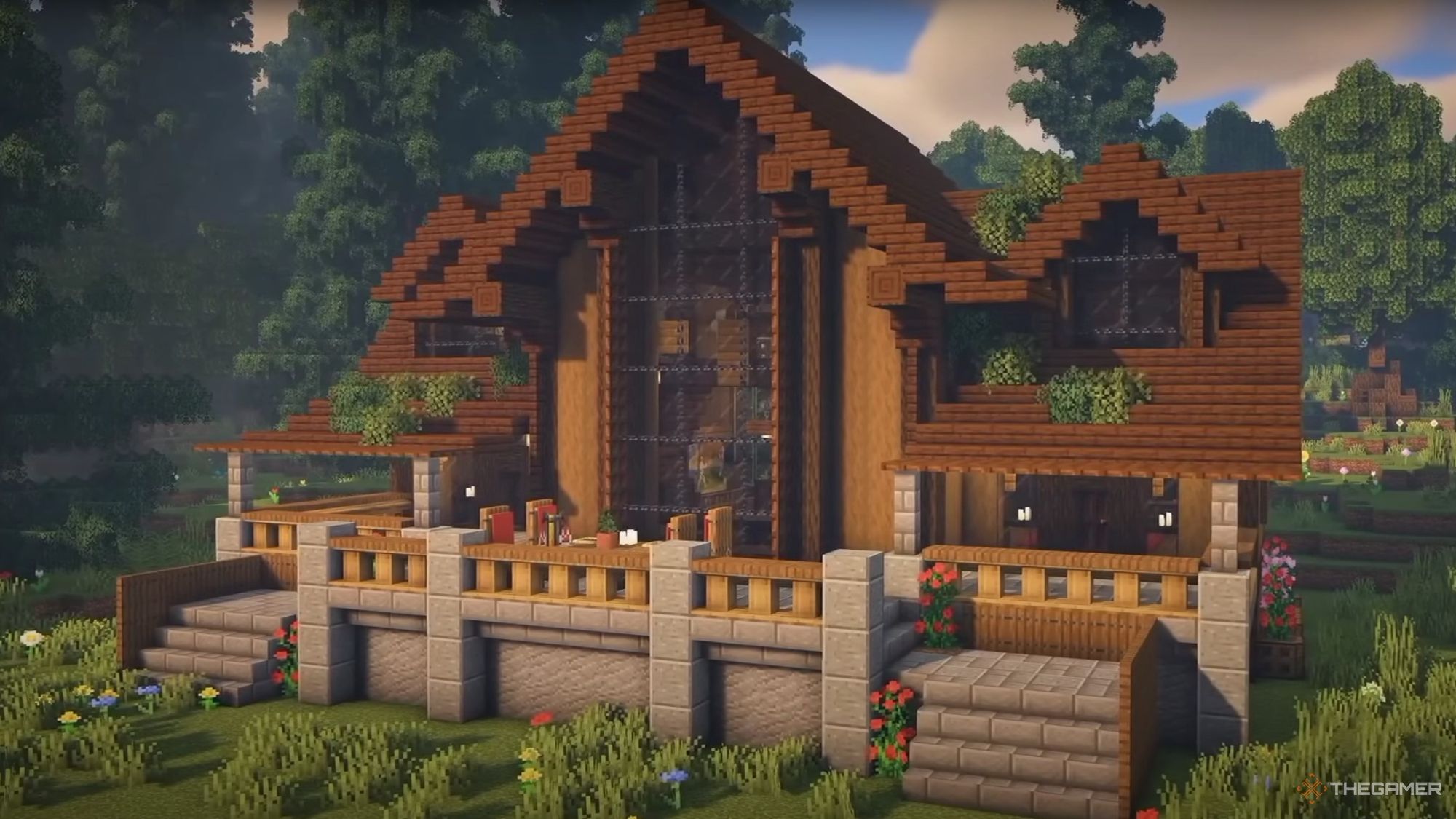
The A-frame is perhaps the most iconic structure for mountain biomes. Its steep roofline, which mimics the shape of the letter 'A', prevents the "box" look that plagues many amateur designs.
To build one, create a triangular frame using stairs or slabs. The key to a successful A-frame is the extension of the roof over the walls; by pulling the roof out by one block, you create a natural overhang that adds dimension. Use logs for the primary structural beams and planks for the interior walls. For added flair, utilize stained glass panes instead of full blocks to keep the interior feeling spacious and light-filled.
2. The Elevated Treehouse
Living in the canopy offers a tactical advantage against ground-level mobs while providing excellent verticality. The secret to a stable-looking treehouse is blending the structure into the existing flora. Instead of building a generic square on top of a single trunk, build around large, custom-grown trees.
Use spruce or jungle wood, as their height provides more building surface. You can use trapdoors to create realistic railings around your walkways, ensuring your platforms feel connected rather than floating. Incorporate leaf blocks into your walls to make the house feel like it grew directly out of the tree, creating a seamless integration with the environment.
3. The Rustic Riverside Cottage
Riverside builds benefit from the contrast between the organic curves of the water and the straight lines of wood. A cottage style thrives on "clutter"—not in a messy way, but in a detailed way. Use barrels, looms, and composters as exterior furniture to add character.
For a riverside build, consider using a mix of oak wood and stone bricks for the foundation. By transitioning from stone at the waterline to wood for the upper walls, you create a realistic "foundation" look that suggests the building is anchored firmly to the bank. Build a small dock using slabs and fence posts to connect your home to the water, providing a focal point for your entrance.
4. The Modular Survival Farmhouse
If you are playing in a world where you need to expand your base continuously, a modular farmhouse is the best solution. Instead of one giant structure, build a cluster of smaller, connected buildings—a main living house, a storage barn, and a stable.
Connect these structures with covered walkways made of fences and slabs. This design allows you to add new wings to your base as your resource collection grows without having to tear down your original work. Use different roof heights for each building to break up the silhouette and make the entire complex look more organic and planned.
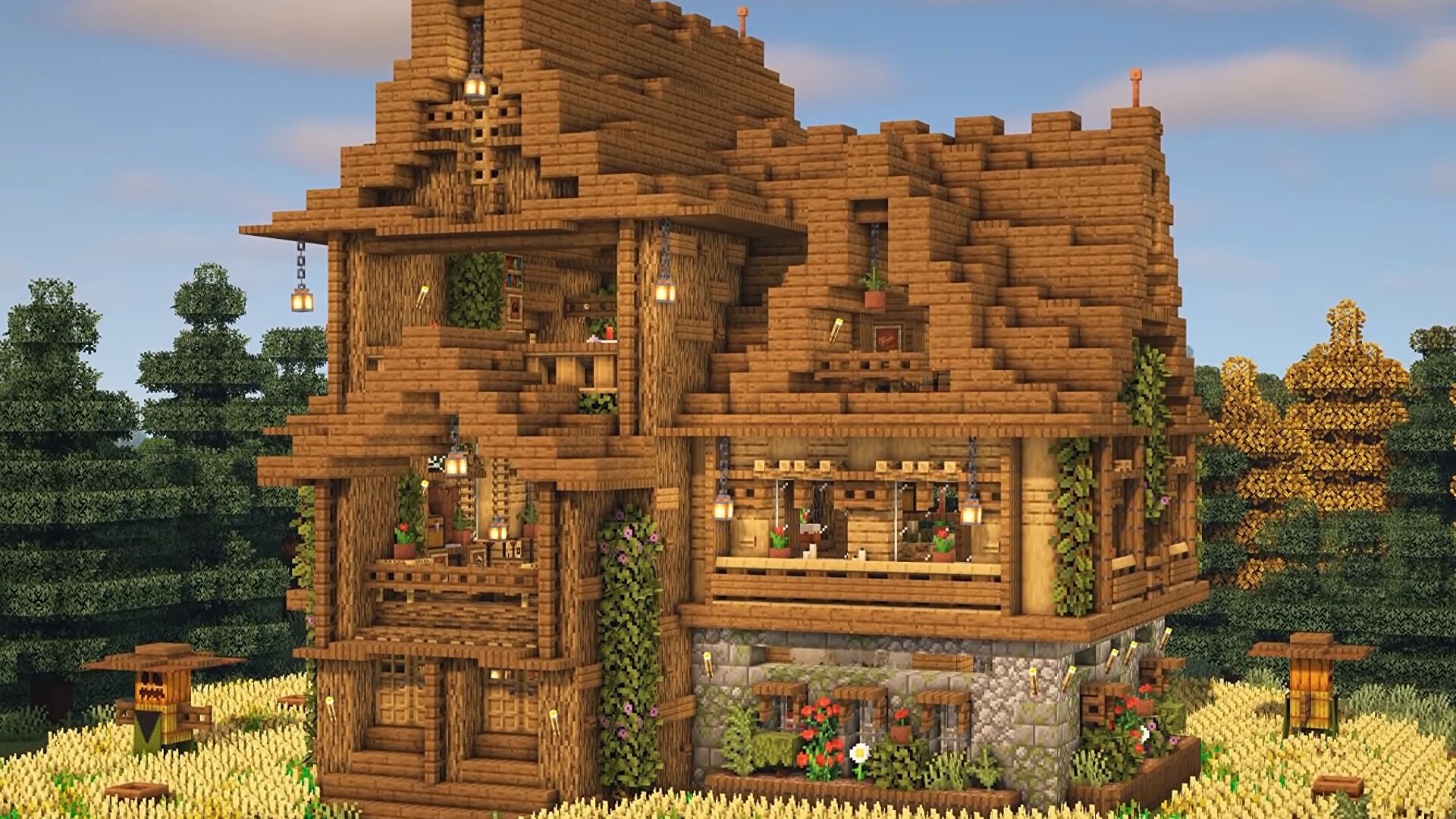
5. The Grand Multi-Story Manor
When you have an abundance of materials, a multi-story manor makes a statement. The challenge here is avoiding large, empty wall spaces. Use logs to create a grid system on the exterior, partitioning your walls into smaller sections.
In each section, use glass panes or trapdoors to create detailed windows. Add "foundation" layers at the bottom of the wall and "roof trim" at the top to cap off each floor. If your build feels too square, add balconies using overhangs or small towers on the corners to disrupt the standard rectangular shape. A manor should feel like it was built in phases, so don't be afraid to add smaller rooms that protrude from the main mass of the building.
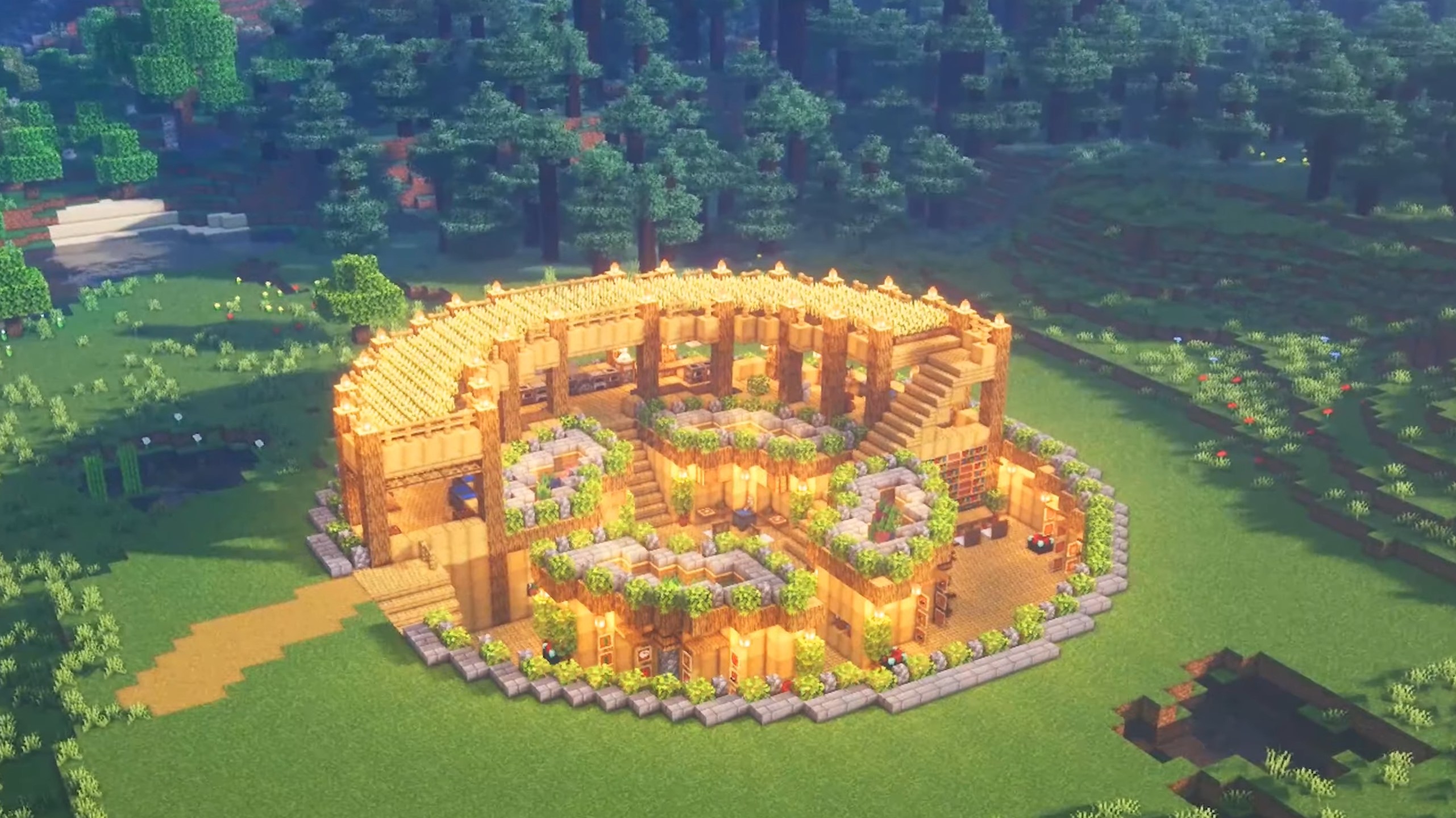
6. The Cozy Underground Wood-Lined Bunker
Not every wooden house needs to be on the surface. A bunker built into the side of a cliff or a hillside allows you to focus on an elaborate interior design.
Create a large opening in the side of a mountain and use wood to frame the interior walls. This creates a "cabin in the cave" vibe that is incredibly safe from creepers. The contrast between the cold stone of the mountain and the warmth of the wooden walls makes for an exceptionally cozy atmosphere. Use trapdoors on the ceiling to create "beams" and lanterns hanging from chains to provide lighting, enhancing the rustic, underground aesthetic.
7. The Medieval Watchtower
Perfect for bordering your base or guarding a village, a wooden watchtower acts as both a landmark and a defensive post. Start with a square or octagonal base made of dark oak logs. As you build upward, slightly "taper" the structure—making the upper floors slightly wider than the base—to create a top-heavy, iconic medieval look.
At the very top, use fences to create a lookout platform. By using a mix of stone buttons and trapdoors on the exterior, you can add "texturing" to the logs, making the wood look weathered and ancient.
Design Principles for Better Builds
To improve your building skills in 2026, keep these technical design principles in mind:
| Principle | Technique | Goal |
|---|---|---|
| Depth | Push walls back, pull logs out. | Avoid flat, "boxy" surfaces. |
| Contrast | Use light woods with dark woods. | Make architectural details pop. |
| Texturing | Mix stairs, slabs, and full blocks. | Create a weathered, realistic look. |
| Detailing | Add trapdoors, buttons, and leaves. | Make the house feel "lived in." |
Addressing Common Building Mistakes
Many players struggle with "The Box Syndrome." This happens when builders construct a 10x10 square and simply add a roof. To break this habit, always aim to have at least three distinct "depth levels" on any given wall. If you are building a front wall, the logs should be in the foreground, the wall in the middle ground, and the windows or decor in the background.
Another common oversight is lighting. Torches are functional, but they can ruin the aesthetic of a wooden house. Consider using lanterns hung from chains or placing light sources hidden behind trapdoors or under carpets to keep the interior well-lit while maintaining a period-appropriate atmosphere.
Frequently Asked Questions
How do I stop lightning from burning down my wooden house? Lightning can easily ignite wooden structures, especially in open plains. To prevent this, place a lightning rod on the highest point of your roof. The rod will attract any lightning strikes within a certain radius, safely grounding the energy and preventing fire from spreading to your flammable materials.
What is the best wood type for a starter home? Oak wood is the most versatile choice for beginners because it is abundant, pairs well with almost every other block type, and has a neutral color profile. It is the easiest to replenish and works well for both interior furniture and exterior structural elements.
How do I make my wooden roof look more realistic? Avoid using full blocks for your roof. Instead, use stairs combined with slabs to create a gentle slope. If your roof is wide, incorporate "dormers"—small roofed protrusions—to break up the large expanse of stairs and provide additional light to the upper level of your home.
Can I use other blocks with wooden houses? Absolutely. Stone bricks, deepslate, and terracotta make excellent foundations or chimney materials for wooden houses. Adding a stone-based foundation separates the wood from the grass, which prevents the wood from looking like it is "rotting" directly against the ground, a common detail that makes builds feel more professional.
Recommended Next Actions
Start by gathering two stacks of logs and one stack of stone. Choose one of the seven designs above—begin with the A-frame if you are new—and build it in a flat area to practice your framing. Once you feel comfortable with the structure, attempt to integrate your house into a challenging environment like a cliffside or a swamp. Experimentation is the fastest way to master Minecraft architecture.