Achieving financial stability as a single mother requires a shift from reactive spending to proactive wealth management. By implementing a zero-based budget, establishing a tiered emergency fund, and maximizing available tax credits, you can create a resilient household economy that supports both your children’s needs and your long-term retirement goals.
The financial landscape for single-parent households involves unique pressures, primarily the reliance on a single stream of income to cover rising housing, childcare, and healthcare costs. As of 2026, the economic environment continues to demand high levels of fiscal literacy and strategic planning. Financial stability is not merely about having "enough" money; it is about building a system that protects your family against volatility while providing a clear path toward growth.
1. Implement a Zero-Based Budgeting System
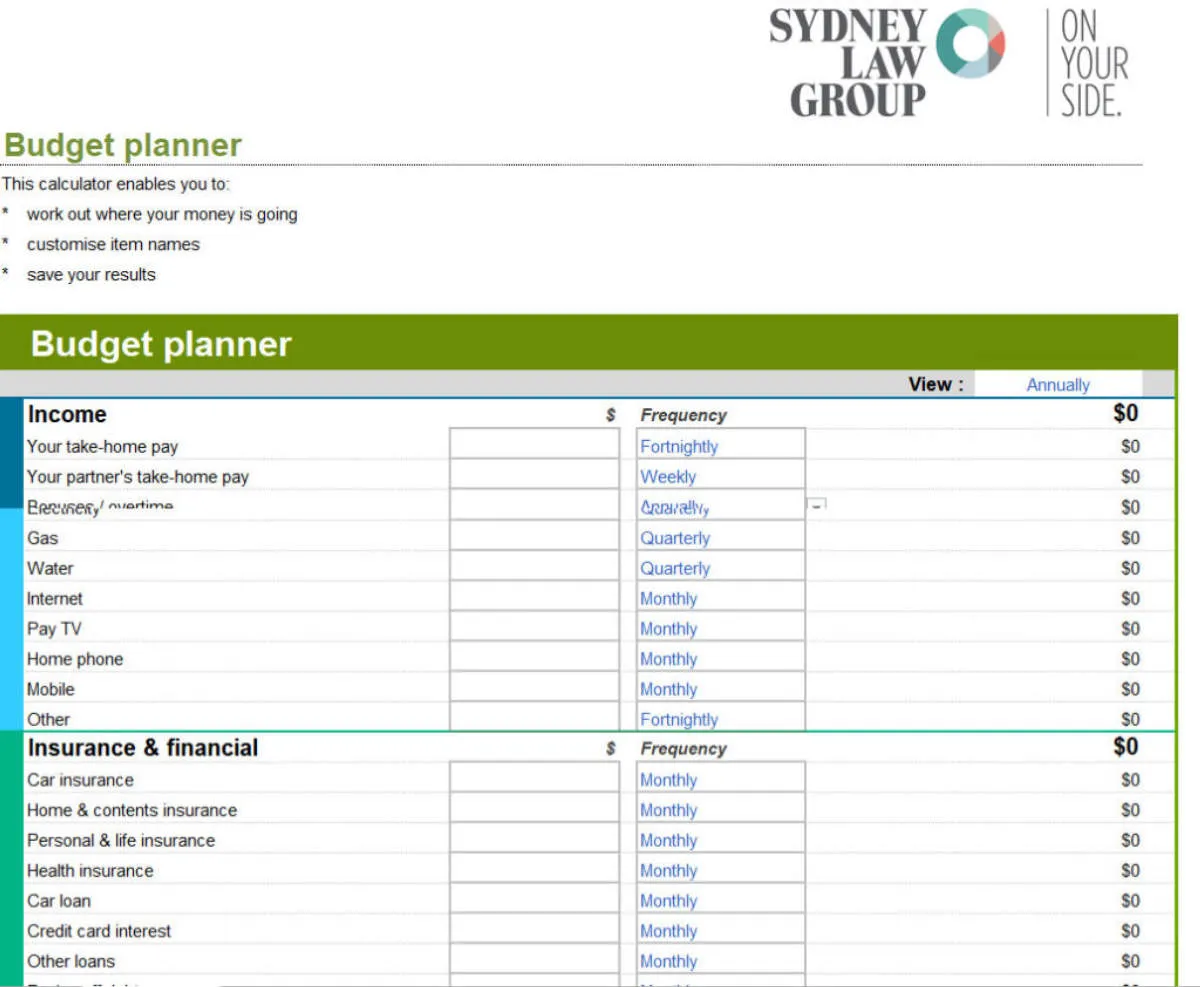
Traditional budgeting often fails because it leaves "leftover" money that is easily spent on non-essential items. Zero-based budgeting is a method where every dollar of your monthly income is assigned a specific "job" before the month begins. This means your income minus your expenses—including savings and debt payments—must equal zero.
For single mothers, this level of granularity is vital. It forces a monthly confrontation with fixed costs (rent/mortgage, utilities) and variable costs (groceries, school activities). When you account for every cent, you identify "leakage"—subscriptions you no longer use, or convenience spending that doesn't align with your goals.
To start, list your total take-home pay. Subtract your "Four Walls" first: food, utilities, shelter, and transportation. Then, move to insurance and debt. Whatever remains is directed toward your emergency fund or long-term savings. This method ensures that even in tight months, your most critical needs are met first.
2. Build a Tiered Emergency Fund
An emergency fund is the only barrier between a single-parent household and high-interest debt when an unexpected car repair or medical bill arises. In 2026, with the cost of services remaining high, a "starter" emergency fund of $1,000 is often insufficient.
Instead, aim for a tiered approach.
- Tier 1: The Safety Net. Aim for one month of essential expenses. This covers immediate crises without needing to use a credit card.
- Tier 2: The Stability Fund. Once high-interest debt is under control, expand this to 3–6 months of expenses.
Keep these funds in a High-Yield Savings Account (HYSA). Unlike traditional checking accounts, HYSAs in 2026 provide a modest but important hedge against inflation, ensuring your liquid cash maintains some purchasing power. Look for accounts that offer no monthly fees and are FDIC-insured.
3. Strategically Manage and Eliminate Debt
Not all debt is created equal, but for a single-income household, consumer debt is a primary obstacle to wealth. High-interest credit cards can compound quickly, eating away at the capital you could be investing.
There are two primary methods to tackle debt:
- The Debt Snowball: Pay off the smallest balance first while making minimum payments on others. This provides a psychological "win" that keeps you motivated.
- The Debt Avalanche: Pay off the debt with the highest interest rate first. This is the most mathematically efficient method, saving you the most money over time.
For single mothers, the choice depends on your temperament. If you feel overwhelmed, the Snowball method can provide the momentum needed to stay the course. However, if your interest rates are exceeding 20%, the Avalanche method is technically superior for reaching stability faster.
4. Maximize Tax Credits and Public Assistance
Tax planning is one of the most effective ways to increase your net annual income. As of 2026, several key provisions are critical for single parents. The Child Tax Credit (CTC) and the Earned Income Tax Credit (EITC) remain the most significant boosters for single-parent households.
It is essential to understand the "Benefits Cliff." This occurs when a small increase in your earned income leads to a total loss of certain public benefits (like SNAP or childcare subsidies), potentially leaving you worse off financially. To navigate this, use tools like the Benefits Cliff Calculator provided by the Federal Reserve to model how raises or new jobs will impact your total household resources.
Additionally, utilize Flexible Spending Accounts (FSA) or Health Savings Accounts (HSA) if offered by your employer. These allow you to pay for childcare and medical expenses with pre-tax dollars, effectively reducing your taxable income.
5. Audit Your Career Path and Skill Set
For a single mother, your greatest asset is your "top-line" income—your ability to earn. If your current trajectory doesn't allow for savings after covering basic needs, it may be time for a strategic career pivot or up-skilling.
In the 2026 job market, many high-paying roles in project management, digital marketing, and healthcare administration offer remote or hybrid flexibility, which is crucial for managing childcare. Research "micro-credentials" or certifications from platforms like Coursera or LinkedIn Learning that can be completed during evening hours.
Networking is equally important. Join professional organizations specifically for women or parents in your industry. Many job openings are filled through the "hidden job market"—referrals that never make it to public job boards.
6. Secure Essential Insurance and Estate Planning
Financial stability is fragile if it isn't protected. As the sole provider, you must have a plan for what happens if you can no longer work or if you pass away unexpectedly.
- Term Life Insurance: Avoid "whole life" or "universal" policies which are often overpriced. A 20-year term policy is usually sufficient to cover your children until they are independent. Aim for a payout that is 10–12 times your annual income.
- Disability Insurance: You are more likely to become disabled than to die during your working years. Ensure you have long-term disability insurance, either through your employer or a private policy.
- A Legal Will: This is the most overlooked step. Without a will, the state decides who raises your children and how your assets are distributed. You can create a basic, legally binding will using reputable online services for a fraction of the cost of a private attorney.
7. Automate Long-Term Wealth Building
Once you have an emergency fund and have managed high-interest debt, you must look toward the future. Many single mothers prioritize their children's college savings over their own retirement. This is a mistake. Your children can get loans for college; you cannot get a loan for retirement.
If your employer offers a 401(k) or 403(b) match, contribute at least enough to get the full match. This is a 100% return on your investment immediately. Beyond that, consider a Roth IRA. In 2026, Roth IRAs remain a powerful tool because contributions are made with after-tax dollars, allowing your investments to grow and be withdrawn tax-free in retirement.
Comparison of Financial Priorities
The following table outlines how to prioritize your incoming funds based on your current financial stage.
| Priority Level | Action Item | Goal | Impact |
|---|---|---|---|
| High | Four Walls | Cover Rent, Food, Utilities | Survival and housing security. |
| High | Starter Emergency Fund | Save $1,000–$2,000 | Prevents new debt during minor crises. |
| Medium | Employer Match | Contribute to 401(k) | Capture "free money" for retirement. |
| Medium | High-Interest Debt | Eliminate CC debt (15%+) | Stops the erosion of your monthly cash flow. |
| Lower | Fully Funded EF | 3–6 months of expenses | Provides long-term peace of mind. |
| Lower | 529 College Plan | Invest for kids' education | Tax-advantaged growth for tuition. |
Frequently Asked Questions
How can I save for an emergency fund when I’m living paycheck to paycheck?
Saving starts with the "pay yourself first" principle. Even $20 per paycheck, when automated, builds the habit of saving. Look for small, recurring costs to cut, such as unused streaming services or premium phone plans. In 2026, many fintech apps offer "round-up" features that invest or save the change from your daily purchases, which can help build a fund passively over time.
Is it better to pay off debt or save for my children's college first?
Prioritize debt repayment and your own retirement first. High-interest debt is a financial emergency that compounds against you. Furthermore, securing your retirement ensures you won't become a financial burden on your children later in life. Once your high-interest debt is gone and you are contributing 15% to retirement, you can then focus on 529 plans or other college savings vehicles.
What should I do if my child support is inconsistent?
Treat inconsistent child support as "bonus" money rather than a core part of your monthly budget. Build your "Four Walls" budget based solely on your guaranteed income. When child support arrives, use it to bolster your emergency fund, pay down debt, or save for future expenses like school clothes or extracurriculars. This prevents a financial crisis when a payment is late or missed.
How much life insurance do I actually need as a single mother?
A general rule of thumb is 10 to 12 times your gross annual income in a term life insurance policy. This amount should be enough to replace your income, pay off the mortgage, and provide a fund for your children’s education. Ensure the term length lasts until your youngest child is at least 22 years old.
Can I still get financial aid for school as a single mother in 2026?
Yes, single mothers are often eligible for significant aid through the FAFSA (Free Application for Federal Student Aid). Your status as an independent student and head of household can lead to a lower Student Aid Index (SAI), increasing your eligibility for Pell Grants, which do not need to be repaid. Many states also offer specific grants for parents returning to the workforce.
Strategic Next Steps
To move toward financial stability today, start by downloading your last three months of bank statements. Categorize every expense to see exactly where your money is going. Your first concrete goal should be to save a $1,500 starter emergency fund while simultaneously paying the minimum on all debts. Once that safety net is in place, choose either the Snowball or Avalanche method to aggressively target your smallest or highest-interest debt. Consistently reviewing your budget on the first of every month will turn these practices into a permanent lifestyle, ensuring a secure future for both you and your children.