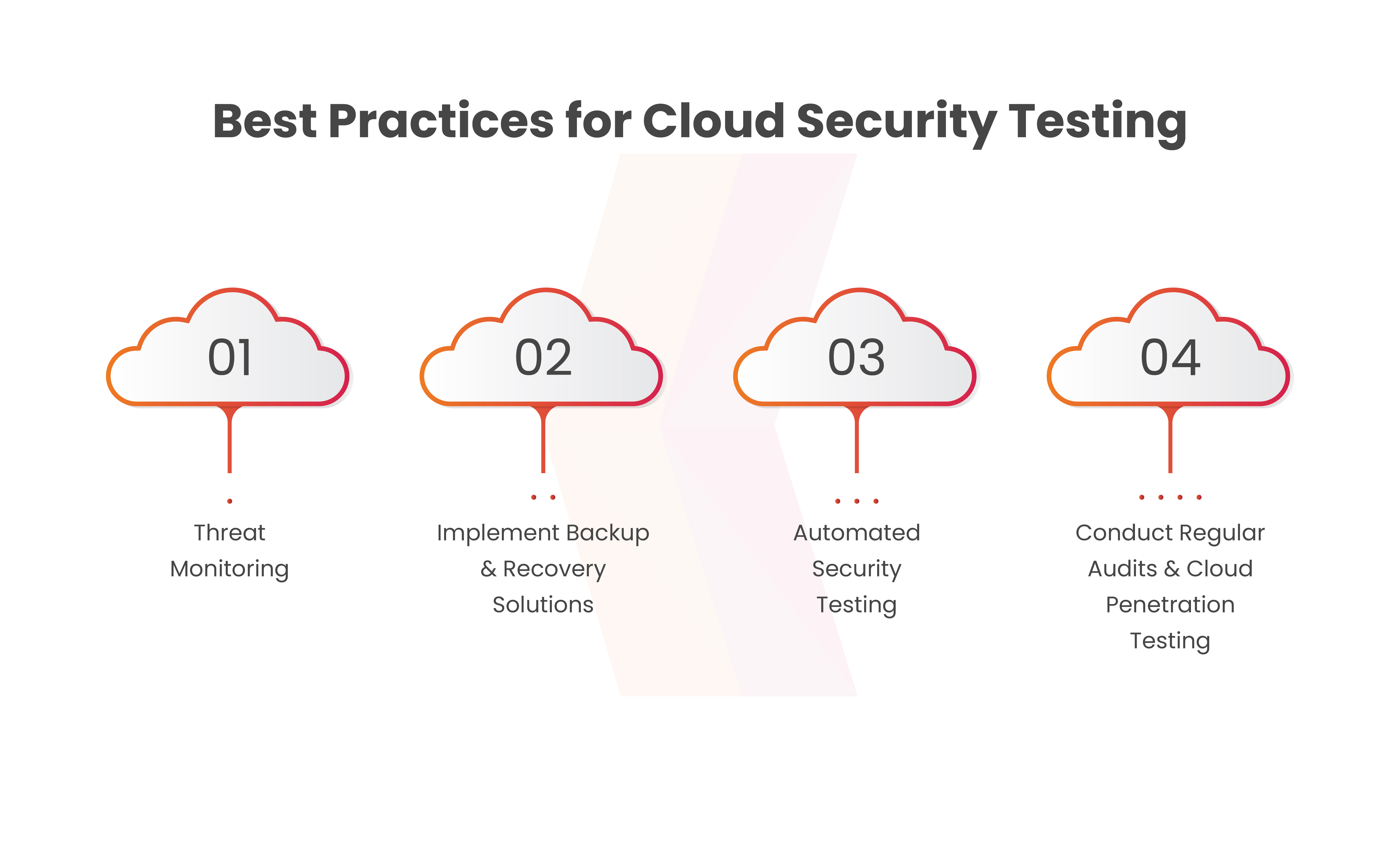
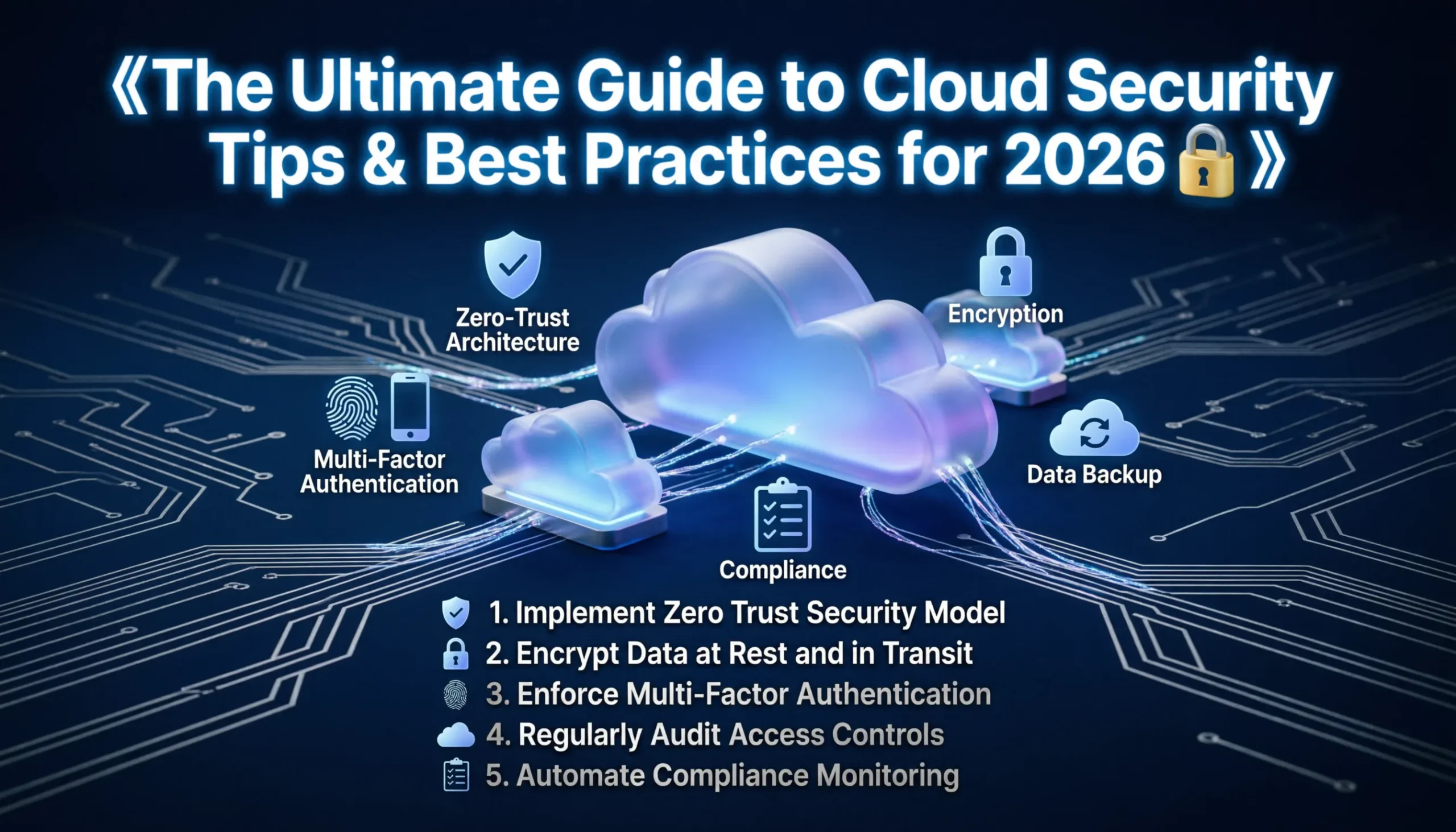
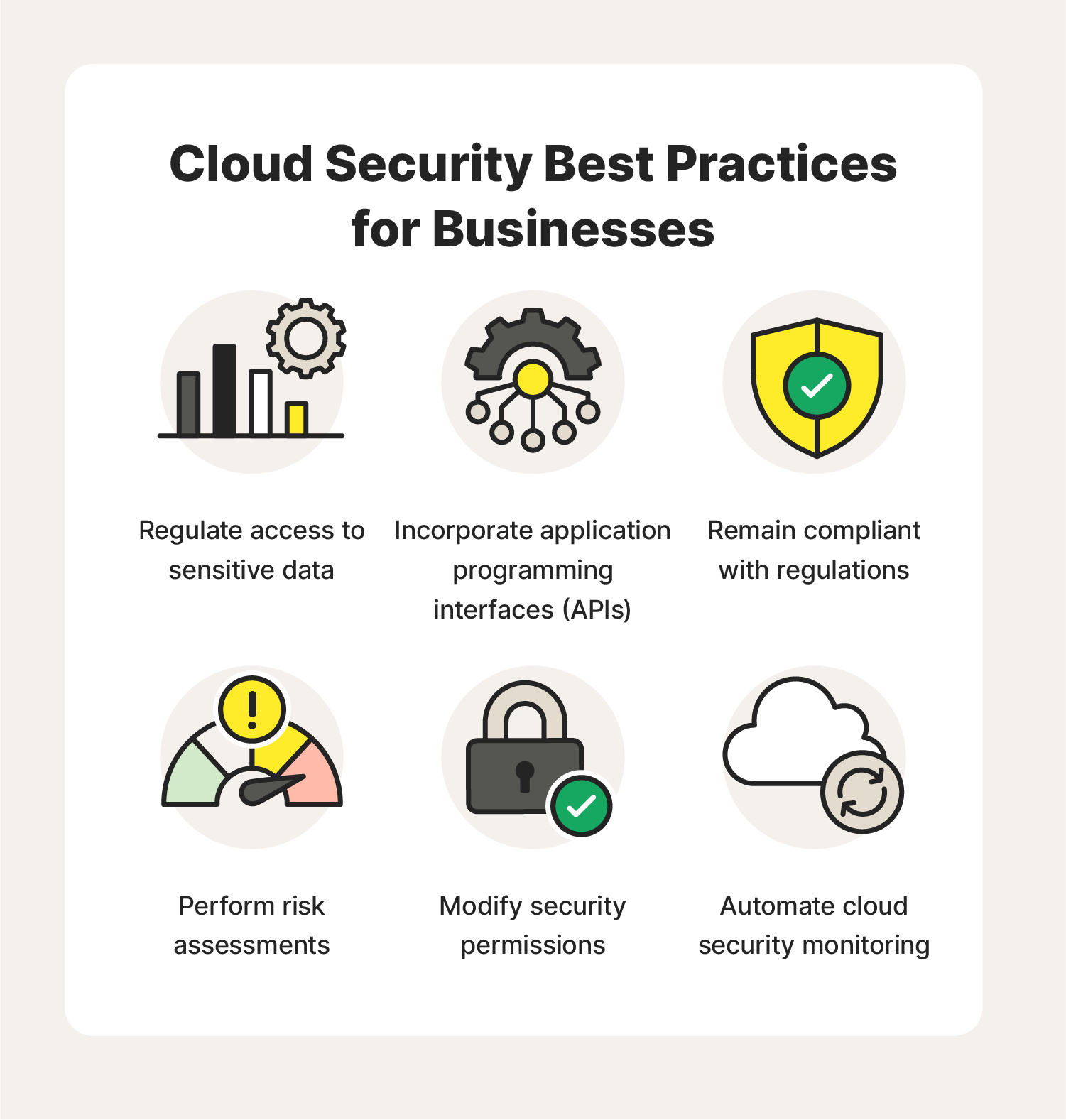
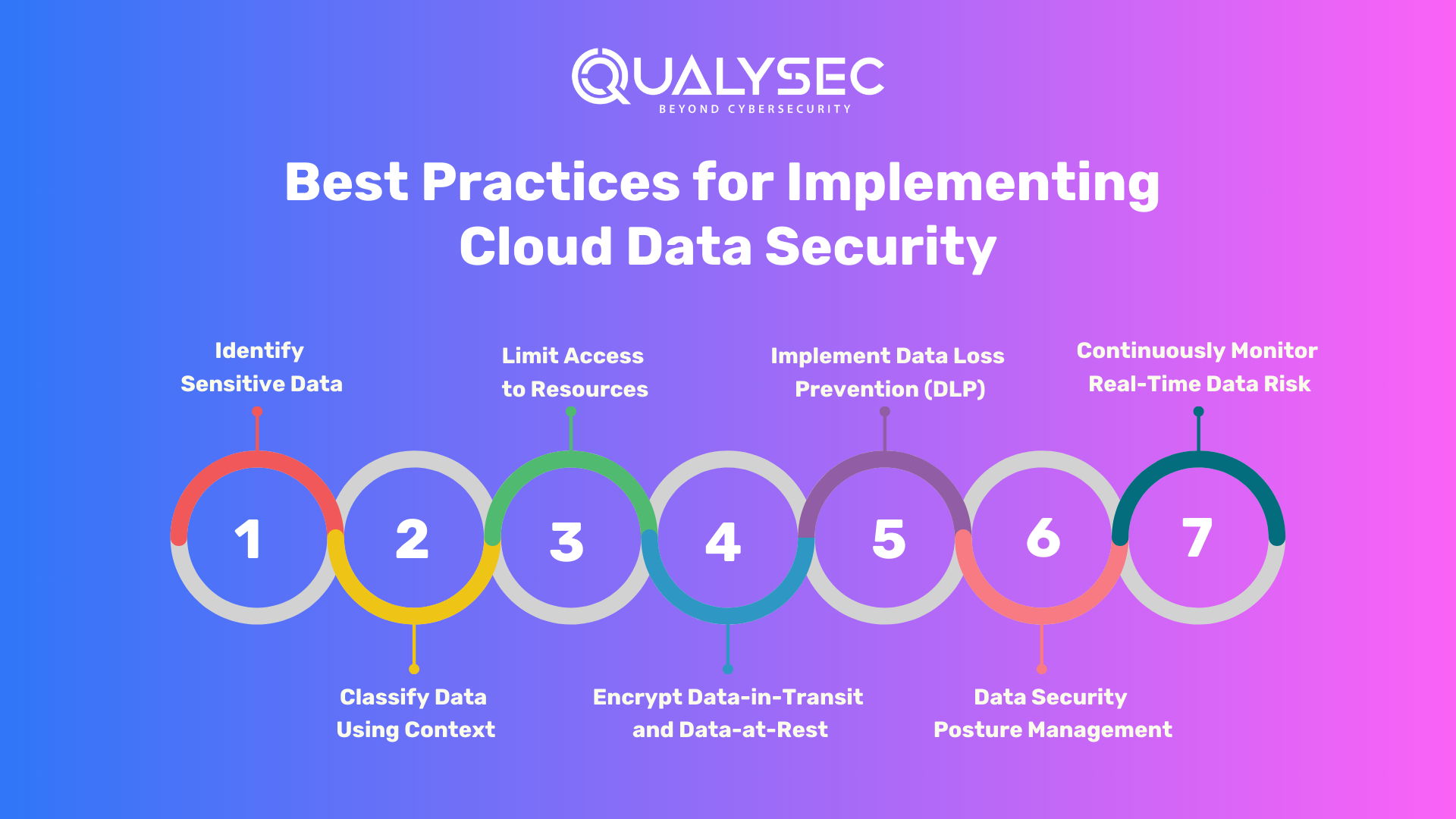
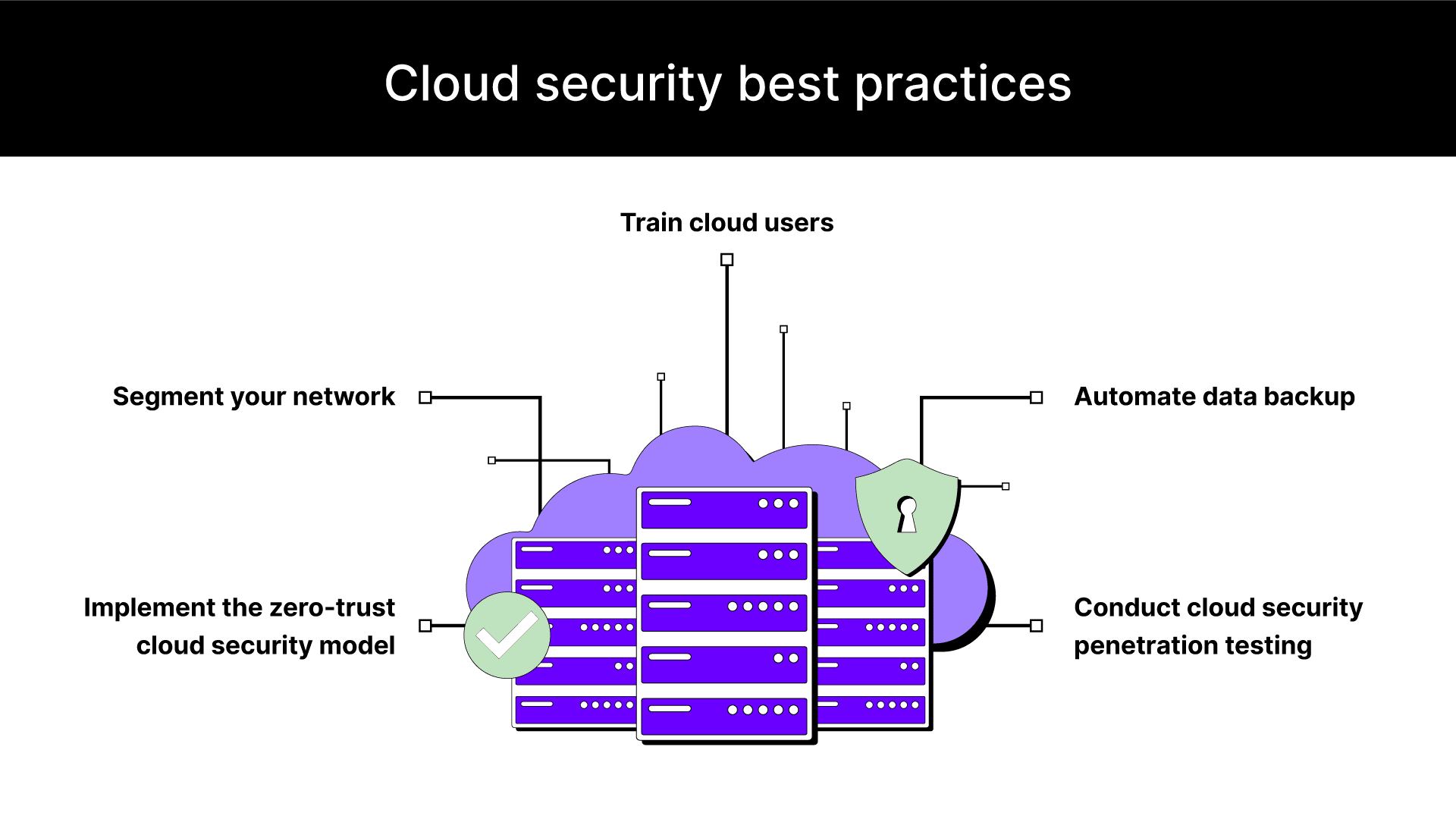
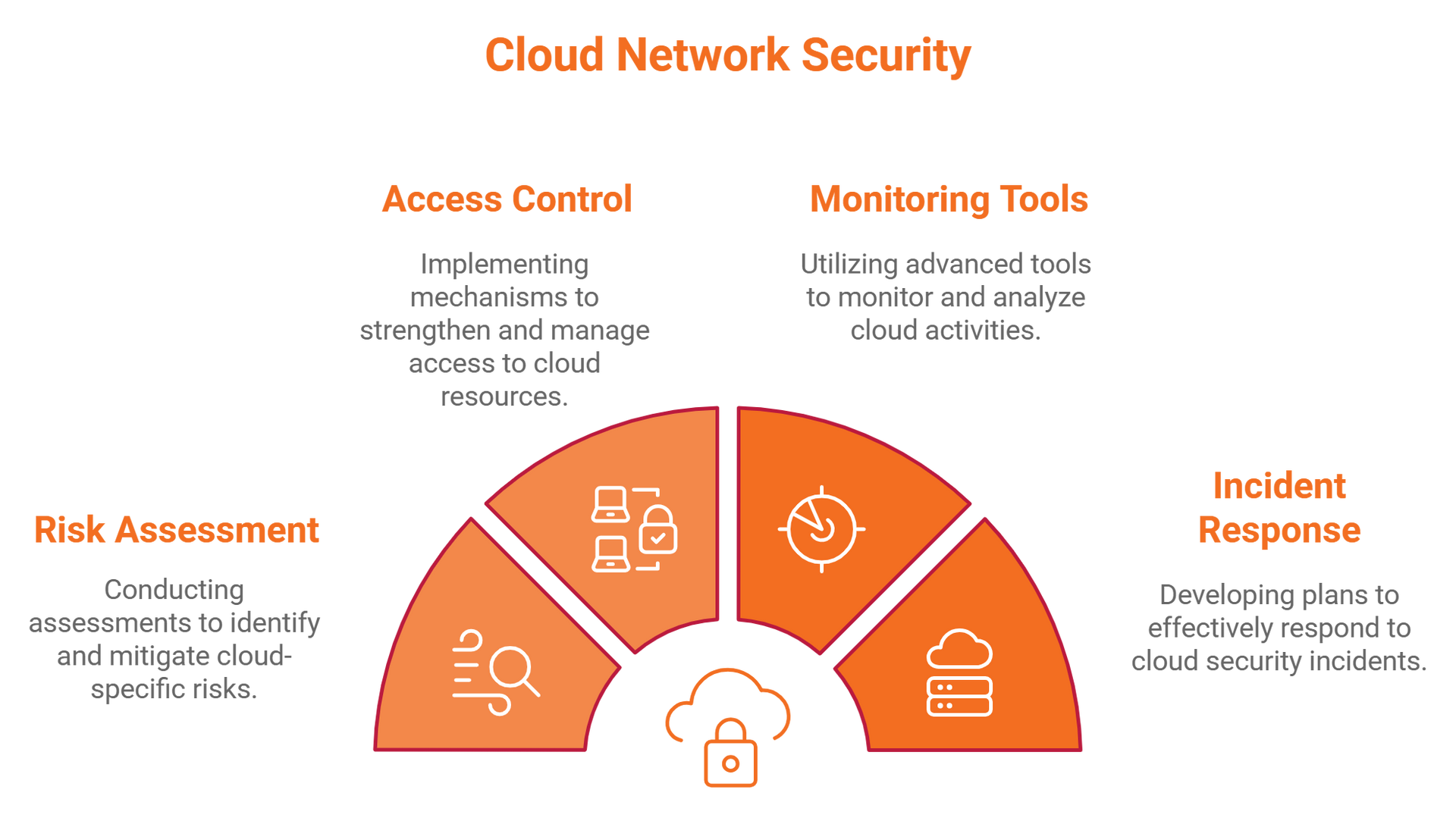
Securing cloud environments requires a multi-layered strategy focused on robust identity management, continuous monitoring, and automated threat detection. Organizations must implement strict access controls, encrypt data both at rest and in transit, maintain shared responsibility alignment, automate compliance checks, and enforce comprehensive logging to mitigate evolving cyber threats effectively.
The landscape of enterprise technology has shifted definitively toward multi-cloud and hybrid infrastructures. While this transition offers unprecedented scalability, agility, and cost efficiencies, it also expands the attack surface for malicious actors. Organizations can no longer rely on traditional perimeter-based security defenses, such as firewalls and internal corporate networks, to safeguard assets residing outside physical company offices.
As modern IT teams navigate complex operational environments, adopting a systematic approach to cloud security is mandatory. Understanding these baseline security mandates ensures that engineering, compliance, and executive teams speak a common language regarding risk reduction and operational resilience.
1. Implement Zero Trust Architecture and Identity Access Management (IAM)
The foundation of modern cloud security rests on the principle of Zero Trust: never trust, always verify. In legacy network models, users inside the corporate perimeter were often granted broad access to internal resources. Zero Trust eliminates this implicit trust by requiring continuous, explicit verification of every user and device attempting to connect to cloud resources, regardless of their location.
Identity and Access Management (IAM) serves as the primary enforcement point for Zero Trust. Organizations must enforce strict identity governance by adhering to the principle of least privilege (PoLP), ensuring that users, services, and applications possess only the minimum permissions necessary to perform their specific functions.
Key IAM Implementation Steps
- Granular Role-Based Access Control (RBAC): Map user roles directly to business functions rather than assigning administrative rights broadly.
- Attribute-Based Access Control (ABAC): Introduce context-aware policies that evaluate device health, geographic location, and time of access before granting entry.
- Regular Access Auditing: Automatically review and revoke orphaned accounts, stale credentials, and over-provisioned service principal keys on a recurring schedule.
Multi-Factor Authentication (MFA) must be enforced universally for all human users, especially privileged administrators. Phishing-resistant MFA methods, such as FIDO2-compliant hardware security keys or cryptographic passkeys, should take precedence over SMS-based or basic push notifications, which remain vulnerable to interception and social engineering.
2. Enforce Robust Data Encryption at Rest and in Transit
Data is the ultimate target of most malicious cyber campaigns. Protecting sensitive workloads requires a comprehensive encryption strategy that secures data across its entire lifecycle—whether it is sitting in object storage databases or moving across public network boundaries.
Encryption at rest ensures that data stored within cloud volumes, relational databases, and backup archives remains unreadable if unauthorized parties gain physical or logical access to the underlying storage media. Cloud service providers (CSPs) offer native Key Management Services (KMS) that allow organizations to generate, rotate, and manage cryptographic keys. For highly regulated industries, Bring Your Own Key (BYOK) or Hold Your Own Key (HYOK) architectures provide an extra layer of control, ensuring the cloud provider cannot decrypt customer data even under legal duress.
Encryption in transit safeguards information as it traverses public internet connections or internal virtual private clouds (VPCs). This is achieved by mandating modern cryptographic protocols like Transport Layer Security (TLS) version 1.3 for all web applications, APIs, and microservice communications. Furthermore, organizations should utilize secure tunneling mechanisms, such as IPsec Virtual Private Networks (VPNs) or dedicated cloud interconnects, when routing traffic between on-premises data centers and public cloud environments.
3. Understand and Master the Shared Responsibility Model
One of the most frequent root causes of cloud security incidents is a fundamental misunderstanding of the Shared Responsibility Model. While cloud providers invest heavily in securing the underlying infrastructure—including physical data centers, hardware, hypervisors, and core networking facilities—the security of everything built on top of that infrastructure remains the sole responsibility of the customer.
| Security Layer | Cloud Provider Responsibility | Customer Responsibility |
|---|---|---|
| Physical Infrastructure | Data centers, hardware, power, environmental controls | None |
| Compute & Virtualization | Host operating systems, hypervisor security, virtualization layers | Guest operating systems, patches, system configurations |
| Network & Firewall | Physical routing, hardware switches, DDoS mitigation infrastructure | Virtual networks, security groups, firewall rules, network segmentation |
| Data & Identity | Storage hardware durability and physical disposal | Data classification, encryption keys, user access, IAM policies, application security |
Failing to delineate these boundaries leads to dangerous configuration gaps. For instance, spinning up an unconfigured relational database instance in the cloud places the burden of patching, network exposure, and password management entirely on the engineering team. Reviewing provider-specific documentation for platforms like Amazon Web Services (AWS), Microsoft Azure, or Google Cloud Platform (GCP) is vital for aligning internal operations with compliance requirements.
4. Maintain Continuous Visibility and Cloud Security Posture Management (CSPM)
Cloud environments are dynamic; compute instances spin up and down automatically, serverless functions execute on demand, and storage buckets are modified programmatically. This ephemeral nature makes manual security audits obsolete. Organizations must deploy Cloud Security Posture Management (CSPM) tools to achieve continuous, real-time visibility across all multi-cloud assets.
CSPM solutions automatically scan infrastructure configurations against established security benchmarks, regulatory frameworks (such as HIPAA, GDPR, and PCI-DSS), and internal organizational baselines. When a misconfiguration occurs—such as an open S3 bucket exposing personally identifiable information (PII) or an overly permissive security group allowing unrestricted inbound SSH traffic (Port 22)—the CSPM platform flags the vulnerability and, in many cases, triggers automated remediation scripts.
Continuous monitoring must also extend to infrastructure-as-code (IaC) templates. Integrating security scanners into CI/CD pipelines allows development teams to catch misconfigurations in Terraform, CloudFormation, or Kubernetes manifests before code is ever deployed to production environments.
5. Implement Comprehensive Logging, Monitoring, and SIEM Integration
Detecting an active breach requires comprehensive telemetry. Without granular logging, security operations centers (SOC) operate blindly, unable to determine the scope of an intrusion or perform effective root cause analysis after an incident occurs.
Effective cloud security requires enabling and centralizing audit logs across all cloud services. Critical logs include:
- API Activity Logs: Records of who made what API call, from which IP address, and at what time (e.g., AWS CloudTrail, Azure Activity Log).
- Network Flow Logs: Telemetry detailing accepted and rejected IP traffic traversing virtual interfaces (e.g., VPC Flow Logs).
- Resource Access Logs: Detailed histories of interactions with storage repositories, databases, and authentication endpoints.
These logs must be streamed in real-time to a centralized Security Information and Event Management (SIEM) platform or extended detection and response (XDR) solution. Security teams should write correlation rules and behavioral analytics queries to flag anomalous activities, such as an administrator account suddenly downloading massive data volumes from an unusual geographic location at 3:00 AM. Furthermore, log archives must be written to immutable, write-once-read-many (WORM) storage to prevent sophisticated attackers from tampering with forensic evidence after compromising a host.
6. Secure the Software Supply Chain and Container Ecosystems
Modern application development relies heavily on third-party open-source libraries, container images, and managed service dependencies. This interconnected software supply chain introduces significant risk, as vulnerabilities in a single upstream package can compromise an entire cloud workload.
Containerization technologies like Docker and orchestration platforms like Kubernetes introduce unique security considerations. Securing container environments requires a life-cycle approach:
- Base Image Verification: Pull container images exclusively from trusted, verified enterprise registries rather than public, uncurated repositories.
- Vulnerability Scanning: Automatically scan container layers and application dependencies for known Common Vulnerabilities and Exposures (CVEs) during the build phase and within the container registry.
- Runtime Protection: Restrict container privileges by running processes as non-root users, leveraging Linux kernel security modules (like AppArmor or SELinux), and enforcing strict network policies within Kubernetes clusters to isolate microservices from one another.
Developers should also implement Software Bills of Materials (SBOMs) to maintain complete transparency into every component embedded within their distributed software packages.
7. Establish and Drill an Incident Response and Disaster Recovery Plan
Despite implementing rigorous preventive controls, organizations must operate under the assumption that a security breach is possible. The speed and effectiveness with which an organization responds to a security incident dictate the ultimate financial and reputational damage incurred.
A cloud-specific Incident Response (IR) plan must account for the unique characteristics of cloud forensics. Unlike physical data centers where an engineer can physically unplug a compromised server, cloud investigations rely on taking snapshot volumes, analyzing ephemeral container logs, and isolating compromised virtual instances via API commands without destroying valuable volatile memory.
Key Elements of Cloud Incident Readiness
- Defined Roles and Responsibilities: Establish a clear chain of command involving security analysts, legal counsel, public relations, and cloud engineering leads.
- Automated Playbooks: Utilize cloud orchestration tools to automate initial containment steps, such as revoking compromised IAM credentials or isolating malicious subnets instantly.
- Regular Tabletop Exercises: Conduct simulation drills that test the organization’s ability to respond to realistic scenarios, such as ransomware deployment, credential theft, or unauthorized data exfiltration.
Complementing the IR plan is a resilient Disaster Recovery (DR) and backup strategy. Organizations must perform regular, automated backups of critical databases and configuration states, storing copies in isolated, geographically separate cloud regions or immutable offline vaults to ensure rapid recovery from destructive attacks.
Frequently Asked Questions
What is the most common cause of cloud security breaches?
Misconfigurations remain the leading cause of cloud security vulnerabilities. Common examples include default administrative credentials left unchanged, overly permissive storage bucket permissions, and unpatched server software. These issues are often preventable through automated posture management and adherence to baseline security frameworks.
How does the Shared Responsibility Model affect my organization?
The Shared Responsibility Model dictates that while the cloud provider secures the underlying global infrastructure, your organization is entirely responsible for securing your data, applications, identity management, and configuration settings. Failing to recognize your specific obligations leaves your workloads vulnerable to exploitation.
Why is Zero Trust important for cloud environments?
Traditional security models relied on secure internal perimeters. Because cloud environments are accessible from anywhere and rely on distributed multi-cloud architectures, the perimeter dissolves. Zero Trust eliminates implicit trust, demanding continuous verification of every user, device, and service attempting access.
What is a CSPM tool and do I need one?
A Cloud Security Posture Management (CSPM) tool automatically monitors your multi-cloud environment for misconfigurations, compliance violations, and security risks. Organizations operating at scale require CSPM solutions because manual auditing cannot keep pace with dynamic, automated cloud resource creation.
How should cloud logs be protected against tampering?
Cloud logs should be streamed immediately to a centralized SIEM platform and stored in immutable, write-once-read-many (WORM) storage buckets. This prevents malicious actors who achieve administrative access from deleting or altering audit trails to cover their tracks.
Next Steps
To elevate your cloud security posture today, initiate a comprehensive audit of your current IAM user permissions and multi-factor authentication enrollment rates. Identify orphaned credentials, remove administrative privileges where least privilege suffices, and verify that all external-facing storage repositories and database instances are properly encrypted and shielded from public exposure.