The property at 6181 Shoreland Drive, located in the Point Place neighborhood of Toledo, Ohio, requires a specialized approach to foundation repair due to its proximity to Maumee Bay. Effective restoration involves stabilizing the structure against hydrostatic pressure and soil erosion using helical piers, interior drainage systems, and high-grade waterproofing membranes to ensure long-term structural integrity in a high-water-table environment.
As of 2026, the structural maintenance of waterfront properties along Shoreland Drive has become increasingly complex. The interaction between the fluctuating levels of Lake Erie and the silty, lacustrine soils of the region creates a unique set of challenges for homeowners and contractors alike. Addressing foundation issues at 6181 Shoreland is not merely a matter of sealing cracks; it is an engineering task that requires an understanding of lateral earth pressure, soil load-bearing capacity, and the specific regulatory environment of Lucas County.
Environmental Challenges Specific to 6181 Shoreland
The geographic positioning of 6181 Shoreland makes it susceptible to several environmental stressors that directly impact foundation health. Understanding these factors is the first step in a successful repair overview.
Soil Composition and Load-Bearing Capacity
The soil in the Point Place area is largely composed of lake-bed deposits, often referred to as lacustrine clay and silt. These soils are characterized by high plasticity and a significant shrink-swell cycle. During periods of heavy precipitation or high lake levels, the clay absorbs water and expands, exerting immense pressure on foundation walls. Conversely, during dry spells, the soil shrinks, leaving voids that can cause the foundation to settle or shift unevenly.
Hydrostatic Pressure and Water Tables
Because the property is situated near the water, the local water table is exceptionally high. This results in significant hydrostatic pressure—the force exerted by standing water against the exterior of the foundation. If the foundation is not properly reinforced or if the drainage system fails, this pressure can cause poured concrete or block walls to bow inward, eventually leading to structural failure.
Seawall and Shoreline Influence
For properties on Shoreland Drive, the condition of the shoreline or any existing seawall is inextricably linked to the foundation. If the shoreline is eroding or if the seawall has been compromised, the soil supporting the house may migrate toward the lake. This lateral movement, known as "creep," can pull a foundation apart, necessitating more than just standard piering—it may require integrated tie-backs and shoreline stabilization.
Identifying Structural Distress Signs
Before embarking on a repair project at 6181 Shoreland, a thorough diagnostic phase is required. Structural distress in this specific corridor typically manifests in several distinct ways:
- Horizontal Wall Cracking: This is the hallmark of hydrostatic pressure. Cracks usually appear mid-way up the basement wall where the pressure is most concentrated.
- Stair-Step Cracking: Common in masonry block foundations, these cracks follow the mortar lines and indicate that one corner or section of the home is settling faster than the rest.
- Door and Window Misalignment: When the foundation shifts, the wooden or steel framing of the house follows. This results in doors that stick, windows that won't open, or gaps in the trim.
- Efflorescence and Seepage: The presence of white, powdery mineral deposits (efflorescence) on the interior walls indicates that water is consistently moving through the concrete, weakening it over time.
Recommended Repair Methodologies for 2026
In the current 2026 technical landscape, the preferred methods for repairing a foundation at 6181 Shoreland prioritize resilience and permanent stabilization over temporary "patch-and-paint" solutions.
Helical Pier Installation
For homes built on soft, silty soils near the lake, helical piers are often superior to traditional push piers. Helical piers consist of steel shafts with screw-like plates that are bored deep into the earth until they reach a competent load-bearing stratum or bedrock. Because they are screwed in rather than pushed using the weight of the house, they provide immediate uplift and tension resistance, which is critical for preventing the house from sliding toward the bay.
Carbon Fiber Reinforcement
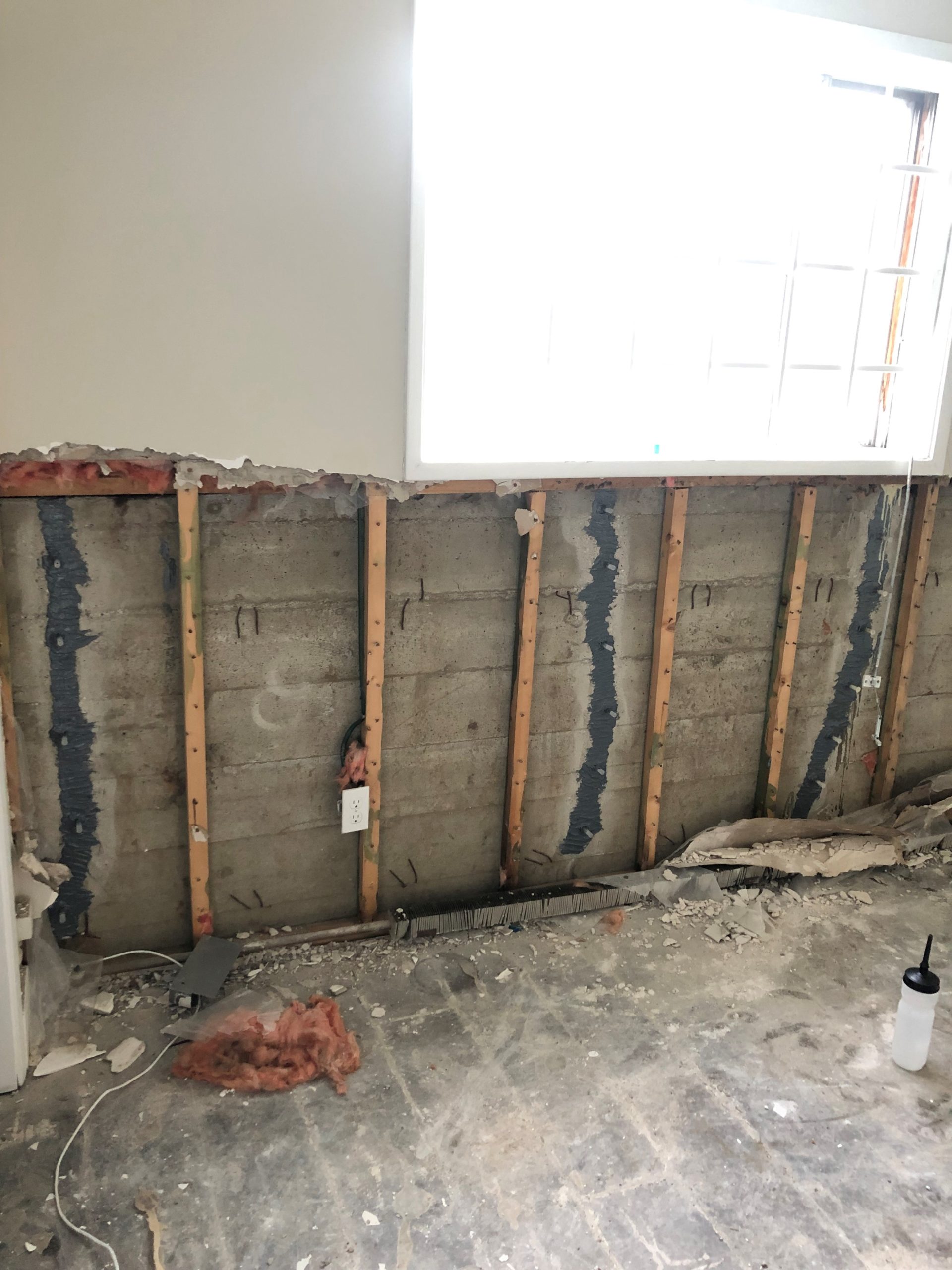
If the foundation walls at 6181 Shoreland are beginning to bow but are still within the 2-inch deflection limit, carbon fiber straps are a highly effective, non-invasive solution. These straps are bonded to the interior of the wall using high-strength epoxy. Carbon fiber is stronger than steel and prevents further inward movement without the need for exterior excavation.
Interior and Exterior Drainage Systems
Managing water is the most critical component of the 6181 Shoreland foundation overview. A dual-approach system is often recommended:
- Interior Sub-floor Drainage: A perforated pipe system installed beneath the basement floor to collect groundwater and direct it to a high-capacity sump pump.
- Exterior Waterproofing: This involves excavating down to the footer, applying a rubberized membrane, and installing a "dimple board" to allow water to drop straight down to the exterior weeping tile, preventing it from ever touching the concrete.
Technical Specifications and Cost Comparisons
The following table outlines the technical considerations and estimated investment for various repair strategies applicable to a property of this type in 2026.
| Repair Method | Primary Purpose | Load Capacity | Estimated Cost (2026) | Durability Expectancy |
|---|---|---|---|---|
| Helical Piers | Vertical Stabilization | 20,000 - 50,000 lbs | $2,800 - $4,500 per pier | Lifetime / Transferable |
| Carbon Fiber Straps | Lateral Reinforcement | High Tensile Strength | $800 - $1,500 per strap | 25 - 50 Years |
| Epoxy/Poly Injection | Crack Sealing | N/A (Non-structural) | $600 - $1,200 per crack | 10 - 15 Years |
| Exterior Waterproofing | Moisture Prevention | N/A | $15,000 - $35,000 (Full) | 30+ Years |
| Wall Anchors | Wall Straightening | High | $1,200 - $2,000 per anchor | Lifetime |
Regulatory and Permitting Requirements in Toledo
Performing foundation work at 6181 Shoreland is subject to the jurisdiction of the City of Toledo Division of Building Inspection. In 2026, the requirements for waterfront structural repairs have become more stringent to ensure flood plain compliance.
The Engineering Requirement
Because Shoreland Drive is in a designated high-water-table zone, any structural repair involving piers or wall stabilization requires a sealed drawing from a licensed State of Ohio Structural Engineer. This report must verify that the proposed repair accounts for the soil's specific shear strength and the home's dead and live loads.
Permit Process
- Application: The contractor or homeowner must submit the engineering plans along with a building permit application.
- Floodplain Review: Because of the proximity to the water, the project may undergo a review by the local floodplain manager to ensure the repairs do not negatively impact water displacement or drainage for neighboring properties.
- Inspections: At a minimum, two inspections are typically required: one after the piers are installed or the excavation is complete but before backfilling, and a final inspection once the site is restored.
The Importance of Professional Soil Testing
A common mistake in the Shoreland area is attempting a foundation repair without a geotechnical report. Soil testing involves taking core samples to determine the "active" depth of the clay and the location of the water table.
For the property at 6181 Shoreland, knowing whether the bedrock is at 40 feet or 90 feet dictates the type of equipment needed and the final cost of the project. In 2026, many specialized contractors use ground-penetrating radar (GPR) to identify underground voids caused by "piping"—the process where water carries soil away through small cracks in the foundation or seawall.
Long-Term Maintenance and Mitigation
Once the foundation at 6181 Shoreland has been stabilized, ongoing maintenance is vital to prevent a recurrence of the issues.
- Gutter and Downspout Management: Downspouts should discharge at least 10 feet away from the foundation. In waterfront areas, it is often best to pipe this water directly into the storm sewer or toward the lake via a bubbler system.
- Grading: The soil surrounding the house should slope away from the foundation at a grade of at least 6 inches over the first 10 feet.
- Sump Pump Redundancy: Given the high water table, a single sump pump is insufficient. A battery-backup system or a secondary water-powered backup pump is essential for times when the power fails during a storm.
FAQs About 6181 Shoreland Foundation Repair
Does homeowners insurance cover foundation repair at 6181 Shoreland? Standard homeowners insurance policies rarely cover foundation repair caused by earth movement, hydrostatic pressure, or "settlement." However, if the damage was the direct result of a sudden pipe burst or a covered peril (like a vehicle striking the house), there may be partial coverage. Most residents in this area rely on specialized flood insurance, but even that typically excludes foundation cracks unless they are a direct result of a catastrophic flood event.
How long does a typical foundation stabilization project take? For a property of this size, a piering and waterproofing project usually takes between 5 and 10 business days. This includes the time required for excavation, the mechanical installation of piers, the application of waterproofing membranes, and the final backfilling and site cleanup.
Can I live in the house during the foundation repair? Yes, in almost all cases, the residents can remain in the home during the repair. Most of the work is performed on the exterior or in the basement. There may be some noise and vibration during the pier driving process, but the home remains structurally safe to occupy unless a total collapse is imminent, in which case the building inspector would have issued a "Do Not Occupy" order.
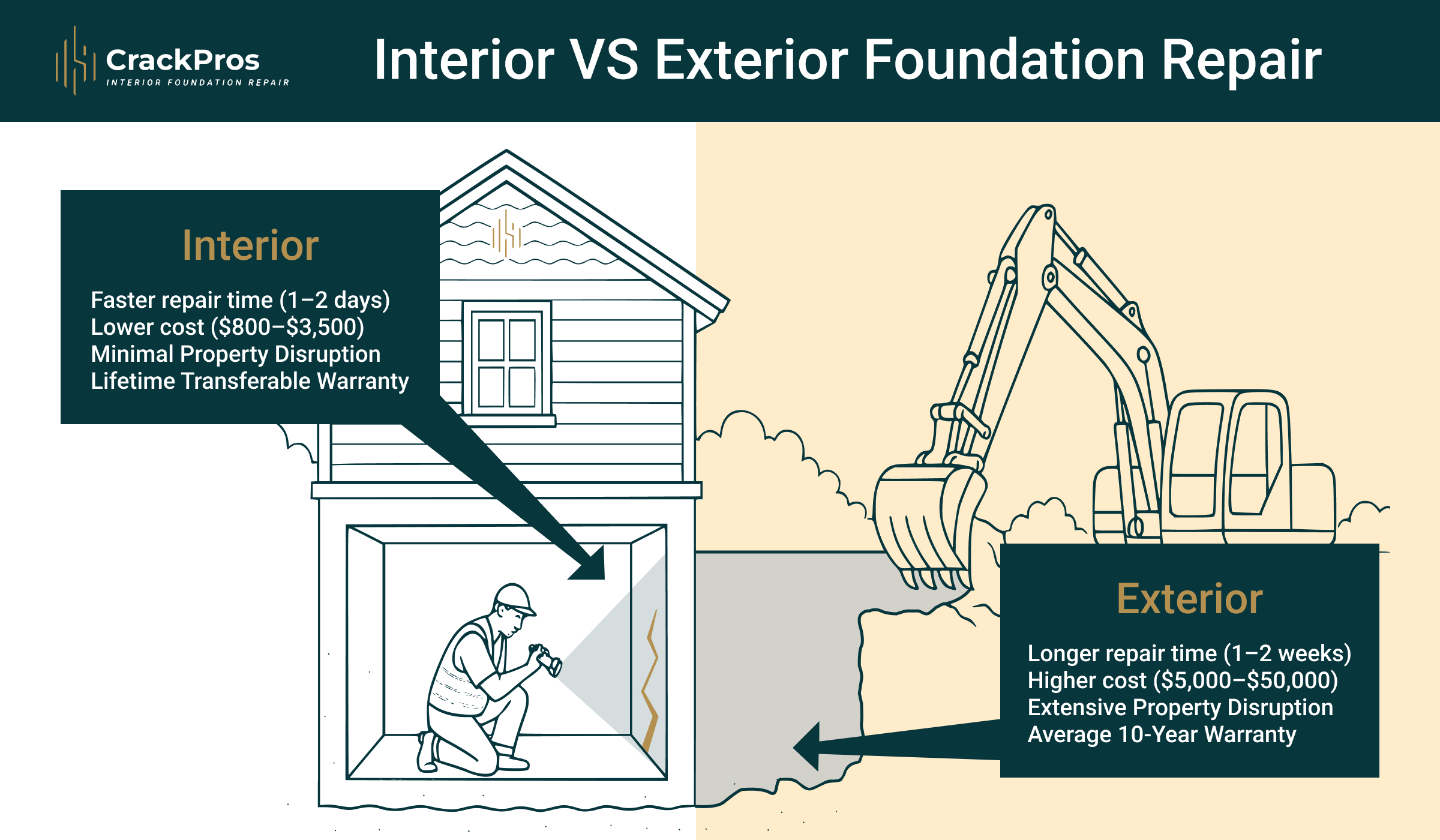
Is it better to repair from the inside or the outside? At 6181 Shoreland, an exterior approach is generally superior for waterproofing because it stops the water before it reaches the wall. However, for structural stabilization (piering), it can often be done from either side. The decision usually depends on the location of landscaping, decks, and interior basement finishing.
What is the "life expectancy" of a foundation repair in this area? Modern repairs involving galvanized steel piers and high-strength polymer membranes are designed to last for the remaining life of the structure. Most reputable Toledo-area contractors provide a transferable lifetime warranty on piering, which is a significant asset when selling a waterfront property.
Next Steps for Structural Restoration
If you are evaluating the structural integrity of 6181 Shoreland or a similar property in the Point Place vicinity, the first step is to commission a non-biased structural engineering report. This ensures that the repair plan is based on physics rather than a sales pitch. Following the report, obtain quotes from contractors who specialize in waterfront foundations and who are familiar with the specific soil conditions of Shoreland Drive. Ensure all contractors are licensed, bonded, and capable of pulling the necessary Lucas County permits.