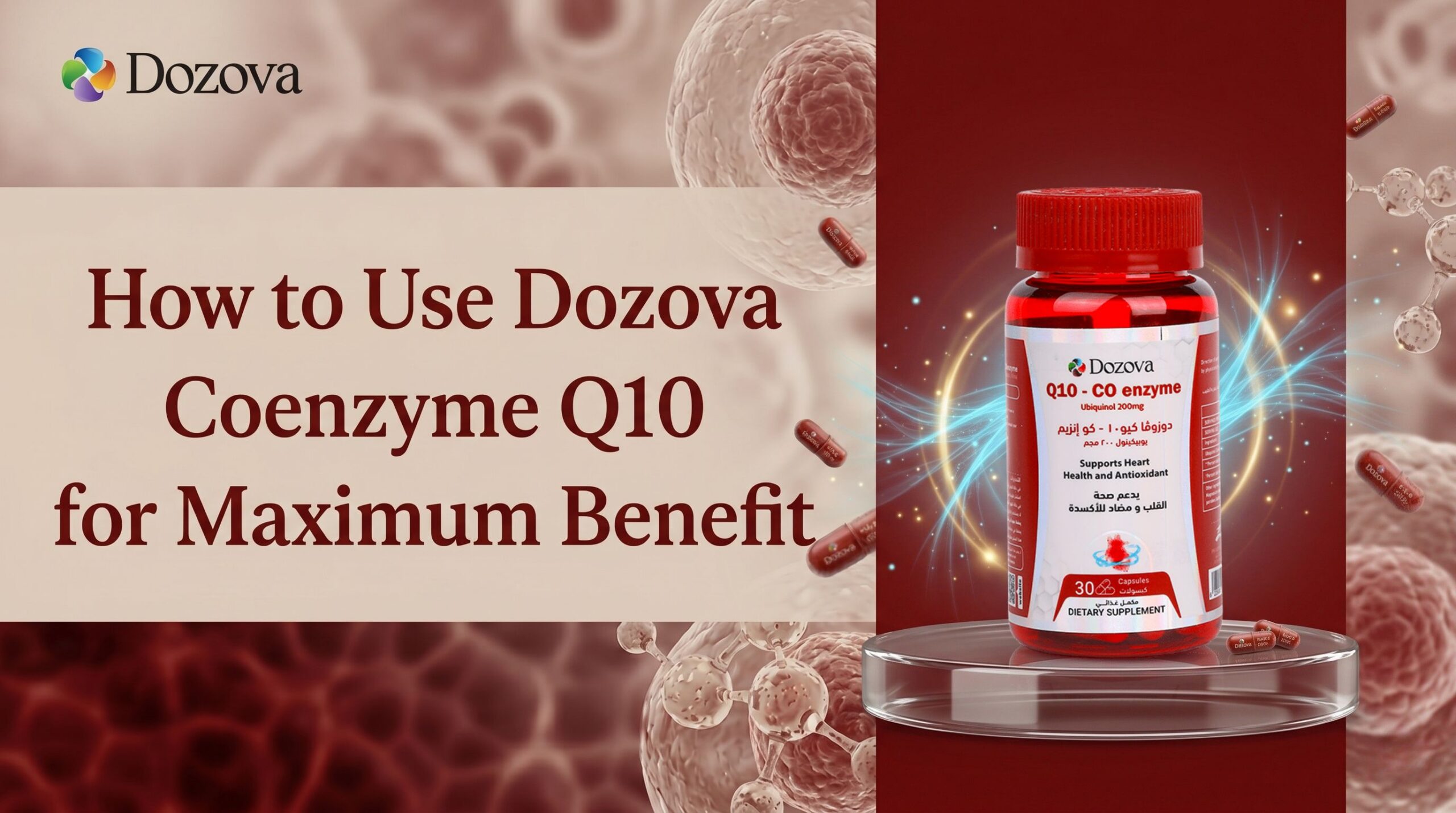
Coenzyme Q10 (CoQ10) is a vital, vitamin-like substance synthesized naturally by the human body and found in every cell, where it plays a critical role in generating cellular energy and neutralizing oxidative stress. Coenzyme Q10 tablets are a popular oral dietary supplement utilized to support cardiovascular wellness, enhance cellular energy production, mitigate oxidative damage, and maintain overall metabolic vitality as natural endogenous synthesis declines with age.
Understanding Coenzyme Q10: What Is It and How Does It Work?
Coenzyme Q10, also known scientifically as ubiquinone, is an essential cofactor in the electron transport chain—the primary metabolic pathway within cellular mitochondria responsible for synthesizing adenosine triphosphate (ATP), the energy currency of the body. Without sufficient levels of CoQ10, cells cannot efficiently convert nutrients into usable energy. Organs with the highest energy demands, such as the heart, liver, kidneys, and skeletal muscles, contain the highest concentrations of this compound.
In addition to its role in bioenergetics, CoQ10 functions as a potent endogenous antioxidant. It protects cellular membranes, proteins, and deoxyribonucleic acid (DNA) from reactive oxygen species and free radicals, which contribute to cellular aging and various systemic dysfunctions. Although the human body manufactures CoQ10 independently, endogenous production peaks during early adulthood and progressively declines thereafter. Furthermore, certain pharmaceutical interventions—most notably statin medications prescribed to manage cholesterol levels—significantly deplete circulating and tissue levels of CoQ10 by inhibiting the mevalonate pathway, which shares a common biosynthetic route with cholesterol and CoQ10. Consequently, healthcare professionals frequently recommend oral CoQ10 supplementation to offset age-related declines or statin-induced depletion.
1. Supporting Cardiovascular Health and Heart Function
The human heart beats approximately 100,000 times per day, demanding a continuous, uninterrupted supply of ATP to sustain its pumping action. Because cardiac tissue maintains the highest density of mitochondria in the human body, it is exceptionally sensitive to fluctuations in CoQ10 availability. Clinical studies indicate that CoQ10 supplementation helps optimize myocardial bioenergetics, thereby supporting individuals managing chronic cardiovascular conditions.
Research into heart failure suggests that administering CoQ10 tablets can help improve clinical symptoms, enhance exercise capacity, and reduce the incidence of major adverse cardiovascular events. By supporting mitochondrial efficiency within the cardiomyocytes (heart muscle cells), CoQ10 assists the heart in pumping blood more effectively against systemic vascular resistance. Furthermore, CoQ10 exhibits modest antihypertensive properties, helping to support healthy endothelial function and arterial elasticity, which contributes to the maintenance of normal blood pressure ranges already within the healthy spectrum.
2. Enhancing Cellular Energy Production and Mitigating Fatigue
Chronic fatigue and generalized lethargy are frequently linked to mitochondrial inefficiency. Because CoQ10 is the linchpin of mitochondrial ATP synthesis, supplementing with CoQ10 tablets can help restore intracellular energy dynamics, particularly in individuals experiencing metabolic sluggishness or age-related fatigue.
Athletes and physically active individuals also utilize CoQ10 to combat exercise-induced oxidative stress and muscle fatigue. Strenuous physical exertion generates high volumes of free radicals that can damage muscle fibers and prolong recovery times. By neutralizing these reactive species and optimizing cellular respiration, CoQ10 supports physical endurance, reduces muscular micro-trauma, and accelerates post-workout recovery. Clinical evaluations of individuals experiencing idiopathic chronic fatigue syndrome have similarly noted measurable improvements in subjective energy levels and physical stamina following consistent CoQ10 supplementation regimens.
3. Providing Powerful Antioxidant Defense Against Oxidative Stress
Oxidative stress occurs when an imbalance exists between the production of free radicals and the body's endogenous antioxidant defense mechanisms. Unchecked free radicals destabilize cellular structures, accelerate cellular senescence, and contribute to the development of numerous chronic health conditions. Ubiquinone and its reduced form, ubiquinol, act as powerful lipid-soluble antioxidants capable of neutralizing free radicals directly at the site of cellular generation.
By scavenging reactive oxygen species within cell membranes and low-density lipoprotein (LDL) cholesterol particles, CoQ10 helps prevent the oxidation of lipids, a primary driver of atherosclerotic plaque formation. This systemic antioxidant activity extends across multiple organ systems, protecting neurovascular tissues, dermal structures, and metabolic pathways from cumulative oxidative wear. Maintaining robust antioxidant defenses via supplementation helps preserve tissue integrity and supports long-term physiological resilience.
4. Supporting Cognitive Health and Neurological Function
The central nervous system consumes approximately twenty percent of the body's total resting energy, rendering the brain exceptionally vulnerable to mitochondrial dysfunction and oxidative damage. Age-related cognitive decline and neurodegenerative processes are frequently characterized by impaired bioenergetics and elevated levels of oxidative stress within neural tissues.
By crossing the blood-brain barrier in sufficient quantities, CoQ10 supports neuronal mitochondrial function and protects brain cells from oxidative injury. Clinical investigations exploring the role of CoQ10 in neurodegenerative conditions—such as Parkinson's disease and Alzheimer's disease—suggest that maintaining adequate CoQ10 levels may help slow functional decline by preserving neuronal energy metabolism and reducing neuroinflammation. While CoQ10 is not a cure for neurodegenerative diseases, its neuroprotective attributes make it a valuable adjunctive compound for supporting long-term cognitive vitality.
5. Alleviating Statin-Induced Myalgia and Muscle Discomfort
Statins are widely prescribed HMG-CoA reductase inhibitors utilized to lower low-density lipoprotein cholesterol and reduce the risk of cardiovascular events. However, a common side effect reported by patients taking statins is myalgia, characterized by muscle weakness, cramps, and generalized discomfort. This adverse effect occurs because statins inhibit not only cholesterol synthesis but also the downstream production of mevalonate, which deprives the body of natural CoQ10 synthesis.
Clinical trials demonstrate that co-administering CoQ10 tablets with statin therapy can significantly reduce the severity of statin-induced muscle pain and improve patient adherence to cardiovascular medication regimens. By replenishing depleted tissue levels of CoQ10, oral supplementation restores mitochondrial function within skeletal muscle tissues, mitigating the metabolic disruptions caused by statin drugs. Patients experiencing unexplained muscle aches while on cholesterol-lowering medications frequently consult physicians regarding the integration of CoQ10 into their daily routine.
Choosing and Using CoQ10 Tablets: Forms, Dosage, and Absorption
Navigating the supplement market requires an understanding of the chemical formulations available, as CoQ10 exhibits notoriously low natural bioavailability due to its high molecular weight and poor water solubility.
Ubiquinone vs. Ubiquinol
- Ubiquinone: The oxidized form of CoQ10. It is the traditional, most widely studied, and most affordable form found in supplements. Once ingested, healthy bodies enzymatically convert ubiquinone into ubiquinol.
- Ubiquinol: The active, reduced antioxidant form of CoQ10. Because it is already converted, it is marketed as having superior absorption, making it particularly beneficial for older adults or individuals with impaired conversion capacity.
Practical Guidelines for Supplementation
- Dosage Ranges: Standard daily dosages typically range from 100 mg to 300 mg, depending on individual health objectives and medical guidance. Higher doses (up to 600 mg or more) are sometimes utilized under clinical supervision for specific therapeutic applications.
- Dietary Fat Co-Ingestion: Because CoQ10 is strictly fat-soluble, tablets or softgels should always be consumed alongside a meal containing dietary fats (such as avocado, olive oil, or nuts) to maximize intestinal absorption.
- Safety and Interactions: CoQ10 is generally well-tolerated with minimal side effects, which may occasionally include mild gastrointestinal distress or insomnia if taken late in the day. However, CoQ10 can interact with anticoagulant medications (such as warfarin) by potentially decreasing their efficacy. Individuals taking prescription medications should consult a healthcare provider before initiating supplementation.
| Feature | Ubiquinone | Ubiquinol |
|---|---|---|
| Chemical State | Oxidized form | Reduced, active antioxidant form |
| Bioavailability | Standard; requires enzymatic conversion in the body | Higher; pre-converted for direct cellular utilization |
| Cost | Generally more economical | Typically more expensive due to specialized stabilization |
| Ideal Audience | Healthy adults seeking general wellness and energy support | Older adults or individuals with compromised metabolic conversion |
Frequently Asked Questions
What is the primary function of Coenzyme Q10 in the human body?
Coenzyme Q10 functions primarily as an essential cofactor in the mitochondrial electron transport chain, driving the production of adenosine triphosphate (ATP) to supply cellular energy. Additionally, it operates as a potent fat-soluble antioxidant that neutralizes free radicals and protects cellular components from oxidative damage.
Can CoQ10 tablets completely replace prescription statin medications?
No. CoQ10 tablets cannot replace statin medications. While CoQ10 is frequently used to alleviate statin-induced muscle discomfort and support overall cardiovascular health, it does not possess the specific pharmacologic mechanism required to lower low-density lipoprotein cholesterol in the same manner as statins. Patients should never alter prescribed medication regimens without medical consultation.
When is the best time of day to take a CoQ10 supplement?
CoQ10 is best taken in the morning or during midday with a meal containing dietary fats. Because CoQ10 is fat-soluble, dietary lipids significantly enhance its absorption in the gastrointestinal tract. Taking the supplement late in the evening is discouraged by some clinicians because its energy-boosting properties can occasionally interfere with sleep patterns.
Are there any side effects associated with CoQ10 tablets?
CoQ10 is well-tolerated by the vast majority of individuals. When side effects do occur, they are typically mild and limited to gastrointestinal symptoms such as nausea, upper abdominal discomfort, or diarrhea. Rarely, individuals may experience mild headaches, dizziness, or skin rashes.
How long does it take to notice the benefits of taking CoQ10?
The timeframe for experiencing noticeable benefits varies based on the individual's baseline status and health goals. For general energy support or recovery, subtle improvements may be observed within two to four weeks of consistent supplementation. For cardiovascular or chronic metabolic support, clinical studies typically evaluate outcomes over a period of eight to twelve weeks.
Final Recommendation
To safely and effectively incorporate Coenzyme Q10 into your wellness routine, begin by consulting a qualified healthcare professional, particularly if you are managing a chronic health condition or taking prescription blood thinners or statins. Select a high-quality supplement from a reputable manufacturer that undergoes independent third-party testing for purity and potency. Commit to taking your chosen tablet alongside a fat-containing meal daily, and monitor your physiological response over an eight-to-twelve-week evaluation window to assess its efficacy in supporting your energy, cardiovascular wellness, and overall vitality.