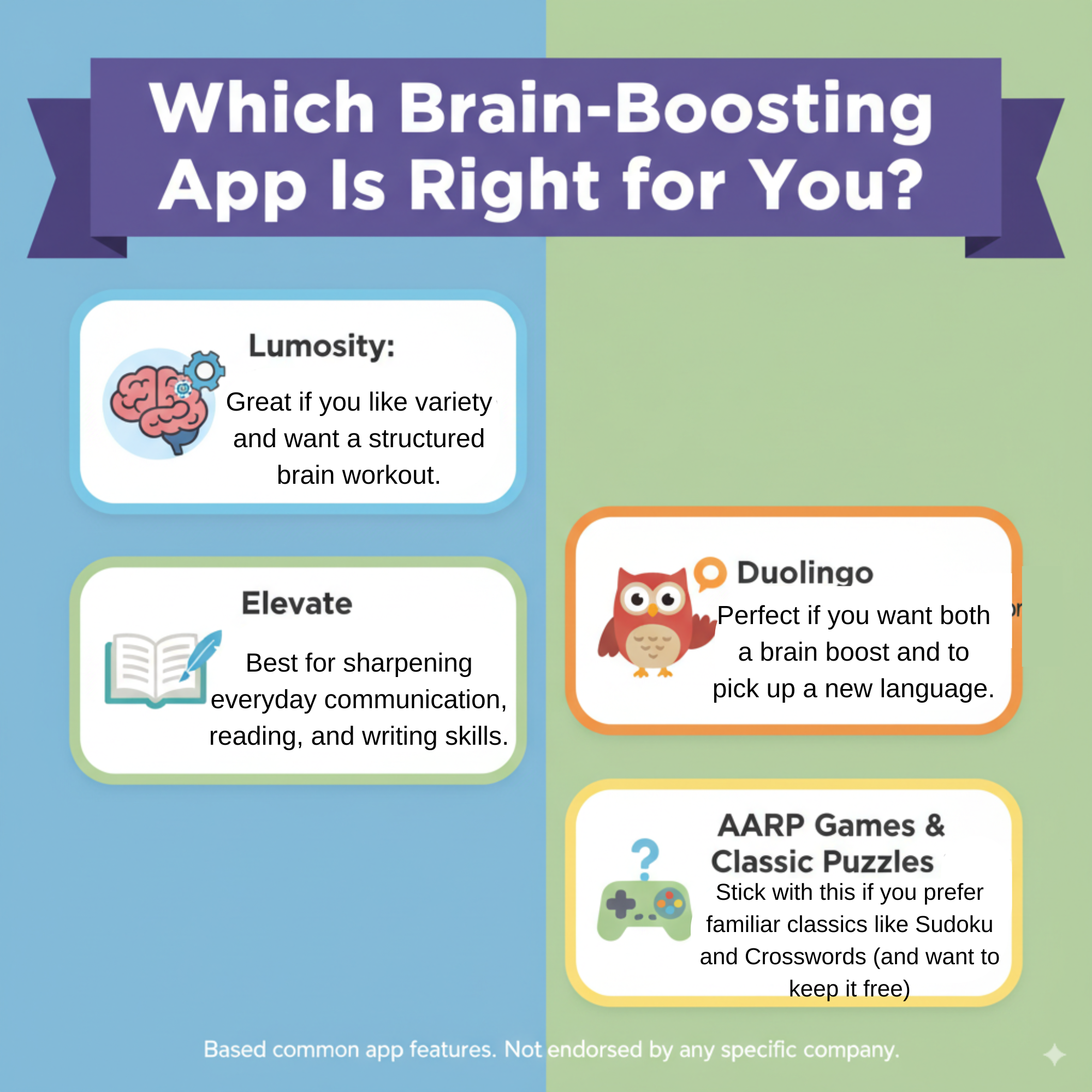
Selecting the right digital platform for cognitive training involves evaluating how different software programs target specific mental faculties such as working memory, processing speed, and executive function. The landscape of digital brain training includes structured programs designed by neuroscientists, gamified interfaces built for daily engagement, and targeted exercises focused on specific cognitive domains. Understanding the distinct design philosophies, cost structures, and underlying mechanisms of these platforms helps users align their mental fitness goals with the appropriate application.
Understanding Digital Cognitive Training
Cognitive training programs operate on the premise that targeted, progressive mental exercises can improve specific aspects of human performance, such as attention span, problem-solving speed, and memory retention. Unlike passive activities like reading or watching television, these applications require active, concentrated participation through adaptive algorithms that adjust difficulty levels based on user performance.
The primary objective of these tools is not necessarily to impart factual knowledge, but rather to challenge fluid intelligence—the ability to think logically and solve problems independently of acquired knowledge. Most platforms focus on discrete cognitive domains, including:
- Working Memory: The capacity to hold and manipulate information over short periods.
- Processing Speed: The rate at which an individual can accurately take in, interpret, and respond to information.
- Flexibility: The mental ability to switch between thinking about two different concepts and to think about multiple concepts simultaneously.
- Problem-Solving: The application of logical reasoning to navigate novel challenges and complex rulesets.
While scientific consensus on the transferability of brain training gains to everyday tasks remains a subject of ongoing research, structured mental exercises offer measurable engagement with logical, linguistic, and spatial challenges.
Key Selection Criteria for Brain Training Apps
Choosing an effective application requires looking past marketing claims to evaluate core functional attributes. A rigorous assessment should account for the following factors:
- Scientific Validation: Look for applications developed in collaboration with academic institutions, cognitive psychologists, or neuroscientists, or those backed by peer-reviewed studies examining the software's specific efficacy.
- Adaptive Difficulty: Effective training scales with user improvement. Static puzzles quickly become rote memorization tasks, whereas adaptive systems continuously modify complexity to maintain an optimal level of cognitive challenge.
- Variety and Balance: A robust application prevents cognitive fatigue by offering a diverse suite of exercises that target different brain regions rather than repeating a single mechanic.
- Progress Tracking: Comprehensive analytics dashboards allow users to monitor performance trends over weeks and months, identifying relative strengths and specific areas requiring further practice.
- Cost and Accessibility: Platforms vary from entirely free ad-supported models to subscription tiers requiring monthly or annual financial commitments. Evaluating offline accessibility and cross-device syncing is also vital for consistent use.
The 5 Best Apps for Brain Exercise
The following applications represent the most prominent and structurally sound options available for mobile and desktop devices. Each serves different user preferences, ranging from clinical-style assessments to gamified daily routines.
1. Lumosity
Lumosity is one of the most widely recognized digital brain training platforms, featuring a library of dozens of scientifically inspired mini-games. Developed with input from visiting researchers and in-house scientists, the platform breaks exercises down into core categories: Speed, Memory, Attention, Flexibility, and Problem-Solving.
- Core Mechanics: Upon registration, users complete a baseline Fit Test to establish initial performance benchmarks across cognitive domains. Daily workouts consist of a curated sequence of games designed to challenge different mental muscles.
- Pros: Highly polished interface, extensive historical data tracking, and a diverse game library that prevents monotony.
- Cons: The free tier is severely restricted, limiting users to a few sessions per day; full access requires a recurring subscription.
2. Peak
Peak focuses on a sleek, minimalist design that packs intense, short-duration workouts into convenient daily routines. Developed with neuroscientists from institutions such as Cambridge and New York University, Peak organizes its exercises into six distinct categories: Memory, Focus, Problem-Solving, Mental Agility, Language, and Emotion.
- Core Mechanics: The app introduces "Peak Workouts," which cycle through rapid-fire challenges designed to test multiple cognitive functions in under ten minutes. It also features "Advanced Training" modules targeting specific skills.
- Pros: Excellent visualization of personal statistics, engaging game design, and short session lengths suited for busy schedules.
- Cons: Subscription paywalls can feel aggressive, and some users may find the rapid pace of games more reflective of motor speed than deep cognitive processing.
3. Elevate
Unlike platforms focused strictly on abstract puzzles and memory grids, Elevate centers its curriculum on communication and practical cognitive skills. The app emphasizes reading comprehension, writing clarity, public speaking vocabulary, mental math speed, and listening accuracy.
- Core Mechanics: Users complete a customized daily training program consisting of three short games tailored to individual skill levels. The app provides detailed performance breakdowns comparing user scores against age-matched demographics.
- Pros: Highly practical skill focus (writing, math, vocabulary), intuitive design, and clear educational utility.
- Cons: Less emphasis on spatial reasoning and visual memory compared to other neuro-gaming apps; heavily text- and language-dependent.
4. CogniFit Brain Fitness
CogniFit takes a more clinical and diagnostic approach to cognitive health. Founded on neurological research, the platform acts as a personalized brain coach that evaluates a wide array of cognitive functions, including hand-eye coordination, naming, inhibition, and spatial perception.
- Core Mechanics: The software begins with a comprehensive cognitive assessment, generating a detailed profile. Based on these results, it automatically prescribes specific training regimens and customized task combinations designed to address identified weaknesses.
- Pros: Deep scientific framework, targeted rehabilitation-style exercises, and detailed cognitive profiling.
- Cons: The interface feels more utilitarian and less gamified than competitors, and full access carries a relatively high subscription cost.
5. Memorado
Memorado focuses heavily on the intersection of cognitive performance and mental well-being, incorporating stress-reduction exercises alongside traditional brain games. The platform targets five key areas: memory, concentration, logic, speed, and reaction.
- Core Mechanics: Users undergo an initial assessment to set personal goals. In addition to logic puzzles and memory matching games, Memorado includes guided breathing exercises and relaxation audio sessions designed to lower stress levels, which indirectly support cognitive function.
- Pros: Holistic approach combining mental workouts with relaxation; clean, appealing aesthetic.
- Cons: Game variety is somewhat smaller than industry giants like Lumosity; subscription required for full access to customized long-term plans.
Feature Comparison of Leading Brain Training Applications
| Application Name | Primary Focus | Scientific Collaboration | Free Tier Availability | Best Suited For |
|---|---|---|---|---|
| Lumosity | Broad cognitive domains (speed, memory, attention) | Yes (In-house and academic researchers) | Limited daily access | General cognitive tracking and diverse puzzle variety |
| Peak | Quick, targeted daily workouts | Yes (Academic partners like Cambridge) | Limited daily access | Fast-paced sessions and clean statistical dashboards |
| Elevate | Practical communication, math, and vocabulary | Internal educational experts | Limited daily access | Improving professional writing, reading, and math skills |
| CogniFit | Clinical-style assessment and rehabilitation | Yes (Neurological research base) | Very limited trial | Detailed cognitive profiling and targeted weakness training |
| Memorado | Cognitive training combined with stress reduction | Internal psychological framework | Limited daily access | Users seeking both mental stimulation and relaxation tools |
Practical Guidelines for Effective Cognitive Training
Maximizing the benefits of brain training applications requires consistency, realistic expectations, and integration with a healthy lifestyle. Adhering to structured usage habits ensures sustainable long-term engagement.
- Establish a Consistent Routine: Short, daily sessions (10 to 15 minutes) are significantly more effective for cognitive engagement than sporadic, multi-hour marathons.
- Avoid Over-Specialization: While excelling at a single favorite game is satisfying, true cognitive challenge comes from rotating through exercises that target unfamiliar domains, such as switching from verbal reasoning to spatial rotation.
- Combine with Physical and Social Health: Digital applications are tools for mental stimulation, not standalone panaceas. Aerobic exercise, adequate sleep, balanced nutrition, and social interaction remain foundational pillars of cognitive vitality.
- Manage Expectations: Brain training apps improve performance on the specific tasks within the application. While they enhance mental agility and reaction times within those frameworks, users should view them as engaging mental hobbies rather than medical treatments for cognitive decline.
Common Pitfalls to Avoid
When incorporating brain training applications into a daily routine, users frequently encounter specific obstacles that hinder progress or lead to unnecessary frustration:
- Chasing High Scores: Obsessing over leaderboard rankings can lead to rote memorization of specific game mechanics rather than genuine engagement with the underlying cognitive challenge. Focus on personal improvement metrics instead.
- Neglecting Subscription Terms: Many applications automatically renew annual subscriptions upon trial expiration. Reviewing billing terms and canceling unwanted trials prior to renewal prevents unexpected charges.
- Ignoring Physical Fatigue: Attempting complex problem-solving tasks while mentally exhausted diminishes performance and creates counterproductive frustration. Training when alert yields better engagement.
Frequently Asked Questions
Can brain training apps prevent cognitive decline or dementia?
Current scientific research does not support the claim that commercial brain training applications can prevent neurodegenerative diseases like Alzheimer's or dementia. While these apps can improve performance on specific tasks and enhance mental engagement, their ability to transfer these gains to broad, real-world cognitive health remains debated within the scientific community.
Are free versions of these apps sufficient for regular use?
Most applications offer limited free tiers—typically restricting users to three games per day. While this is sufficient for casual users who want light daily mental stimulation, unlocking personalized training paths, comprehensive historical analytics, and the full game library generally requires a paid subscription.
How much time should I spend on brain training each day?
Cognitive trainers generally recommend spending 10 to 15 minutes per day. Exceeding this window often leads to mental fatigue, diminishing the quality of focus and problem-solving required to benefit from the exercises.
Do I need an internet connection to use these apps?
Most modern brain training applications require an active internet connection to sync user data, update leaderboards, and deliver fresh content. However, several platforms offer offline modes for basic game suites once the initial application data is downloaded onto the device.
Which app is best for improving vocabulary and writing skills?
Elevate is specifically designed around language mechanics, focusing heavily on reading comprehension, advanced vocabulary acquisition, writing clarity, and grammar correction, making it superior for language-centric goals compared to abstract puzzle apps.
Conclusion
Choosing the ideal brain exercise application depends entirely on personal objectives—whether that involves tracking broad cognitive metrics with Lumosity, honing professional communication skills with Elevate, or pursuing clinical-style assessments through CogniFit. By understanding the cost structures, core mechanics, and scientific frameworks behind each platform, users can select a sustainable tool that fits their daily routine. Maintaining consistent, moderate training habits alongside physical health and adequate rest ensures a balanced and productive approach to lifelong mental fitness.