The 5-5 Vision in cybersecurity law is a strategic and regulatory framework that aligns five core principles of digital sovereignty with five operational pillars of national defense. By 2026, it has become the primary legal standard for nations seeking to balance rigorous internal data control with the demands of a globalized digital economy and international law.
The evolution of cybersecurity law has transitioned from reactive, incident-based regulations to proactive, vision-led frameworks. The 5-5 Vision represents a culmination of this shift, moving beyond mere technical checklists to a holistic legal philosophy. In the current landscape of 2026, legal departments and cybersecurity professionals must understand that the 5-5 Vision is not a static document but a living requirement for cross-border operations, government contracting, and critical infrastructure management.
The Philosophical Foundation of the 5-5 Vision
At its heart, the 5-5 Vision is designed to resolve the tension between the borderless nature of the internet and the territorial nature of traditional law. Historically, cybersecurity law was fragmented, with the EU focusing on privacy (GDPR/NIS2), the US focusing on sector-specific resilience (CISA/NIST), and other regions focusing on state security.
The 5-5 Vision bridges these gaps by establishing a common language for "Digital Jurisprudence." It posits that for a nation or organization to be legally "secure," it must demonstrate adherence to five sovereign principles while maintaining five technical capabilities. This duality ensures that legal compliance is backed by actual defensive capacity, preventing "paper-only" security.
The First "5": The Five Principles of Cyber Sovereignty
The first half of the 5-5 Vision defines the legal boundaries of a state’s or organization’s digital domain. In the legal proceedings of 2026, these principles serve as the benchmark for determining liability and jurisdictional authority.
1. The Principle of Digital Territoriality
This principle asserts that data generated within a specific jurisdiction is subject to the laws of that jurisdiction, regardless of where the server is located. In practice, this has led to a massive increase in "Data Residency" requirements. Legal teams must now ensure that their cloud architectures allow for granular control over where data "lives" and how it is moved. Violation of territoriality is now a major cause of litigation in international trade disputes.
2. The Principle of Non-Interference
Derived from classical international law, this principle forbids entities from using digital tools to interfere in the internal affairs of another state or organization. In cybersecurity law, this translates to strict regulations against state-sponsored corporate espionage and the use of "gray-zone" offensive cyber capabilities. Lawsuits involving the 5-5 Vision often hinge on whether a cyber incident constitutes "interference" versus "legitimate competition."
3. The Principle of Peaceful Use
The 5-5 Vision mandates that cyberspace should be preserved for peaceful development. Legally, this imposes a "duty of care" on technology providers to ensure their products cannot be easily weaponized. In 2026, we see this manifesting as "Safety by Design" laws, where manufacturers can be held legally responsible if their software lacks basic safeguards against malicious exploitation.
4. The Principle of Rule of Law in Cyberspace
This principle demands that all cyber actions be grounded in transparent, predictable legal codes. It rejects the idea of "lawless" digital frontiers. For corporations, this means that internal cybersecurity policies must be as rigorous as their financial auditing processes. The "Rule of Law" principle is frequently used to challenge arbitrary government takedowns of digital services.
5. The Principle of Equitable Cooperation
The final principle acknowledges that no entity is an island. It requires organizations and states to share threat intelligence and cooperate in the prosecution of cybercriminals. Legally, failing to report a known vulnerability that affects the "common good" of the digital ecosystem can now lead to significant negligence claims under the 5-5 framework.
The Second "5": The Five Pillars of Operational Implementation
The second half of the 5-5 Vision moves from philosophy to practice. These are the five technical and operational requirements that a legal entity must fulfill to be considered "compliant" with the vision.
1. Critical Infrastructure Hardening
The law now identifies a broader range of "critical infrastructure" than in the past, including AI training clusters and large-scale data lakes. Under the 5-5 Vision, these entities are legally required to employ "Air-Gap-Equivalent" security for their core logic. This pillar focuses on physical and logical separation of essential services from the public internet.
2. Supply Chain Integrity and Transparency
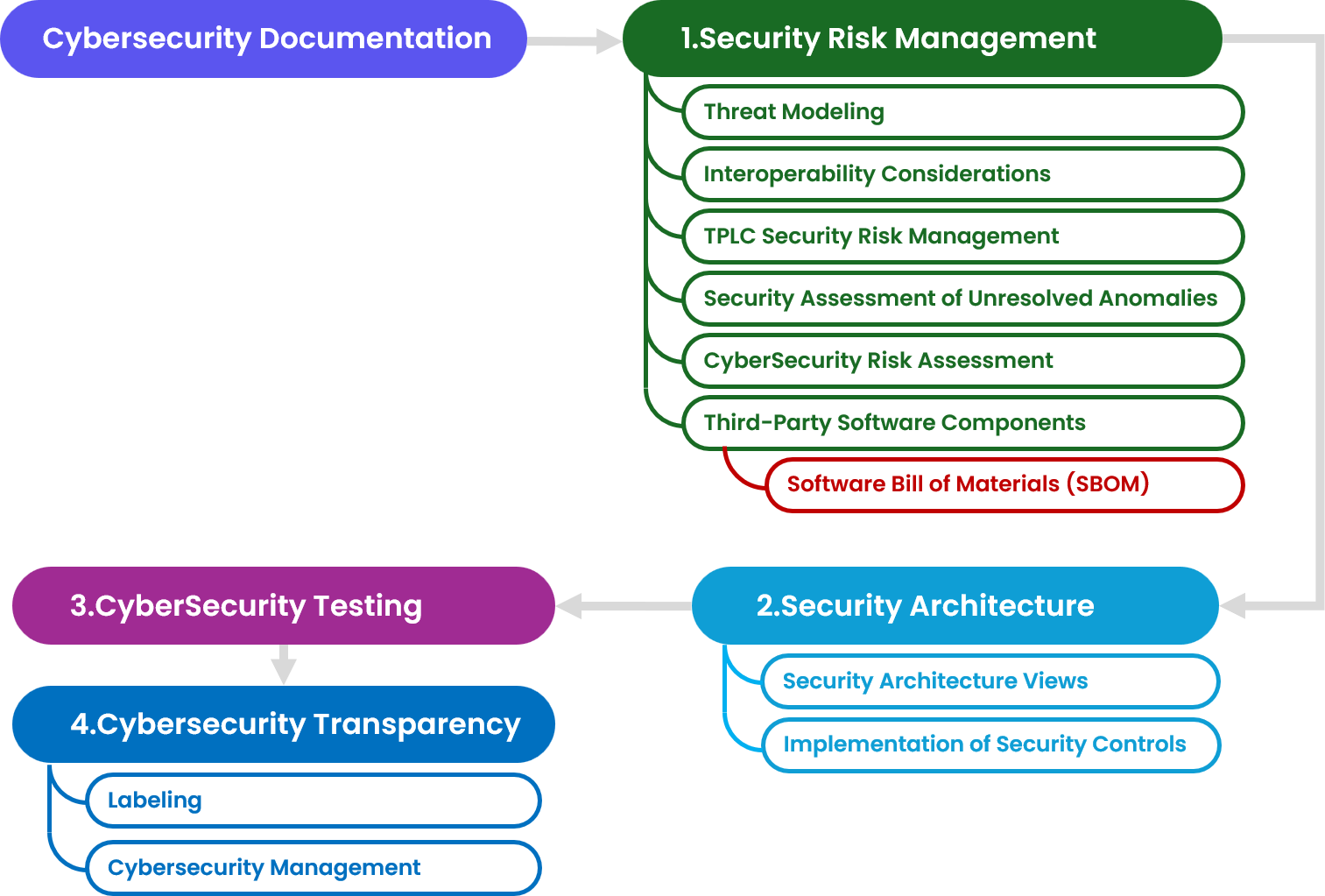
You are legally responsible for the security of your vendors. The 5-5 Vision requires a "Software Bill of Materials" (SBOM) for every piece of software used in a regulated environment. This ensures that if a vulnerability is found in a low-level library (like a modern-day Log4j), the legal chain of responsibility is clear. Contracts in 2026 almost universally include "5-5 Supply Chain Clauses."
3. Real-Time Incident Response and Remediation
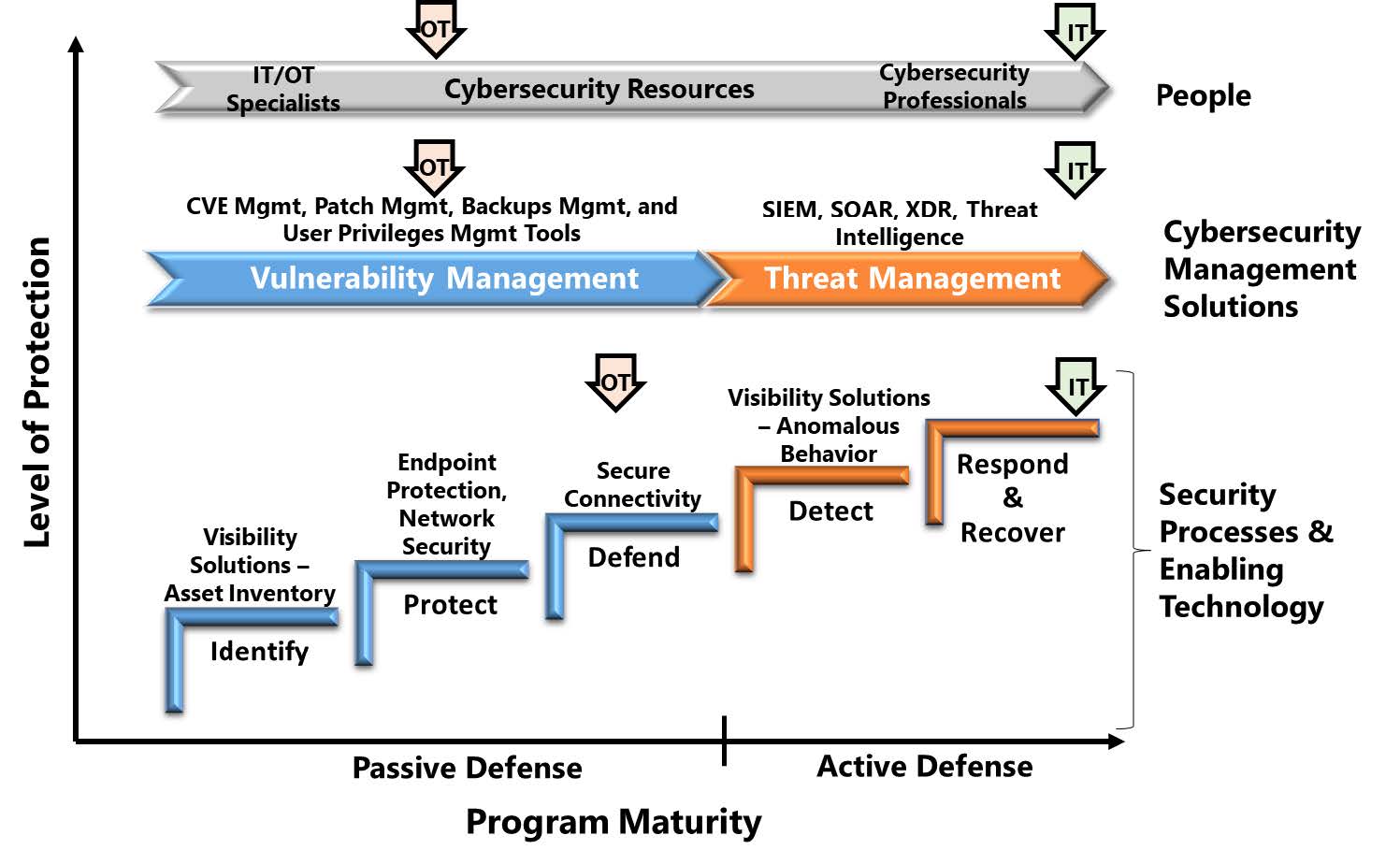
Static defenses are no longer sufficient for legal compliance. The 5-5 Vision mandates that organizations have an "Active Defense" posture. This means they must have the legal and technical authority to intercept and mitigate threats within their own networks in real-time. If an organization's response time exceeds a specific threshold (often 2 hours for critical sectors), they are considered to be in breach of their legal "Duty of Resilience."
4. Human-Centric Security and Ethics
This pillar addresses the "Insider Threat" and the ethical use of AI in security. It requires organizations to conduct regular behavioral risk assessments and to ensure that their automated security tools do not infringe on the rights of employees or users. Legally, this creates a balance between surveillance for security and the right to digital privacy.
5. Standardized Audit and Verification
The 5-5 Vision replaces disparate auditing standards with a unified verification protocol. To be certified under the 5-5 Vision, an organization must undergo an independent, third-party audit that verifies both their adherence to the five principles and their mastery of the five pillars. These audits are now as standard as annual financial reports for publicly traded companies.
Comparing the 5-5 Vision to Traditional Frameworks
| Feature | NIST CSF 2.0 (Historical Context) | EU NIS2 Directive | 5-5 Vision (2026 Standard) |
|---|---|---|---|
| Primary Scope | Voluntary technical framework | Regional regulatory mandate | Global Strategic-Legal framework |
| Jurisdictional Basis | US Federal / Global Voluntary | European Union Member States | Sovereign-aligned Global Jurisprudence |
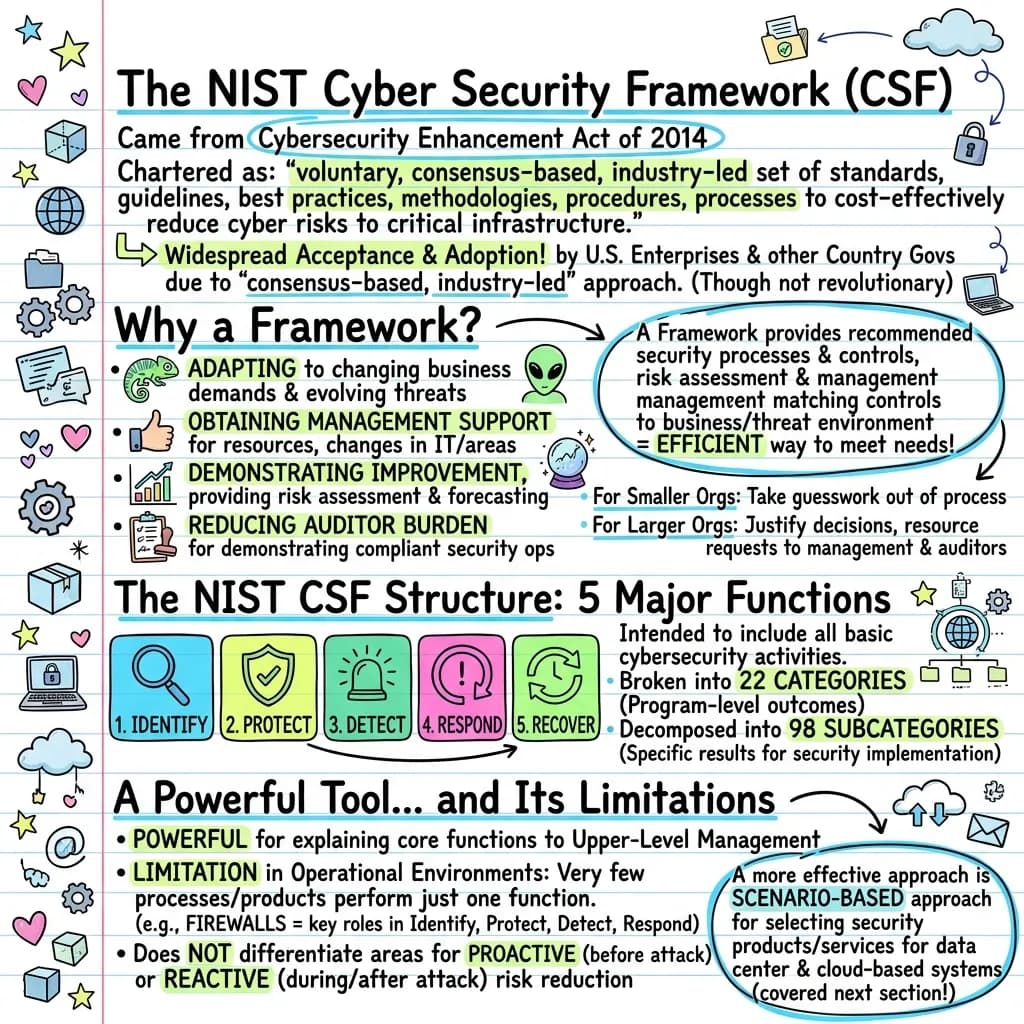
| Core focus | Identify, Protect, Detect, Respond | Resilience of essential entities | 5 Principles (Legal) + 5 Pillars (Ops) |
| Liability Model | Primarily self-regulatory | Heavy fines for non-compliance | Direct liability for "Sovereign Harm" |
| AI Integration | Addressed via separate AI RMF | High-risk AI focus | Integrated into Supply Chain pillar |
| Reporting Duty | Encouraged | Mandatory 24h/72h | Real-time / Immediate Action |
The Legal Implications for Corporations and Counsel
For legal professionals, the 5-5 Vision changes the nature of "due diligence." It is no longer enough to ask, "Is our firewall updated?" Instead, the questions are: "Does our data architecture respect the Principle of Territoriality?" and "Can we prove Supply Chain Integrity back to the source code?"
Contractual Evolution
Contracts now include "5-5 Compliance Certificates" as a prerequisite for partnership. If a vendor cannot demonstrate adherence to the Five Pillars, they are considered a "High-Risk Entity," which can trigger higher insurance premiums or even the termination of existing agreements.
Litigation and Liability
The 5-5 Vision has introduced the concept of "Systemic Digital Negligence." If a company suffers a breach because they ignored the Principle of Equitable Cooperation (e.g., they didn't patch a known vulnerability shared by the community), they can be held liable for damages suffered by their customers and partners. This makes cybersecurity a boardroom issue, as directors can be personally liable for failing to oversee the 5-5 implementation.
Cross-Border Data Transfers
In 2026, transferring data between a 5-5 compliant nation and a non-compliant nation is legally complex. Lawyers must draft "Supplementary 5-5 Addendums" to ensure that data moved to a different jurisdiction is still protected under the original principles. This has effectively created a "Premium Digital Trade Zone" for nations that adhere to the 5-5 Vision.
Implementation Roadmap: Moving Toward Compliance
Adopting the 5-5 Vision is a multi-year journey. Organizations typically follow these steps:
- Legal Mapping: Identify which data sets fall under which "Digital Territory" and map them against the Five Principles.
- Infrastructure Audit: Assess current technical capabilities against the Five Pillars, with a specific focus on Supply Chain and Critical Infrastructure.
- Policy Realignment: Rewrite internal cybersecurity policies to reflect the language of "Digital Sovereignty" and "Equitable Cooperation."
- Verification: Engage a certified 5-5 Auditor to conduct a gap analysis and provide a roadmap for full certification.
- Continuous Monitoring: Implement real-time compliance tools that provide a "Dashboard of Sovereignty" for the legal department.
Common Pitfalls in 5-5 Vision Adoption
Many organizations struggle with the 5-5 Vision because they treat it as a technical problem rather than a legal and strategic one.
- Over-reliance on automation: While AI helps with the Five Pillars, it cannot navigate the nuances of the Five Principles. Legal oversight is essential.
- Ignoring the "Peaceful Use" clause: Companies often focus so much on defense that they accidentally deploy "active" measures that could be legally interpreted as offensive, putting them in violation of international law.
- Fragmented Data Silos: Without a unified data strategy, complying with the Principle of Territoriality becomes impossible, leading to "Compliance Sprawl" and increased costs.
FAQs
What is the primary difference between the 5-5 Vision and the GDPR?
While the GDPR focuses almost exclusively on the privacy rights of individuals, the 5-5 Vision is broader. It encompasses national security, the integrity of the digital economy, and the legal responsibilities of organizations to the broader ecosystem. The 5-5 Vision includes the GDPR’s privacy requirements within its "Human-Centric Security" pillar but adds four other pillars and five legal principles that the GDPR does not cover.
Is the 5-5 Vision legally binding globally?
As of 2026, the 5-5 Vision is not a single global treaty. Instead, it is a "Model Law" that has been adopted by a majority of G20 nations and incorporated into major trade agreements. Adhering to it is often a de facto requirement for doing business in the world's largest economies.
How does the 5-5 Vision impact small and medium enterprises (SMEs)?
SMEs are not exempt, but the "Principle of Proportionality" applies. Smaller organizations are expected to follow the Five Principles but may have simplified requirements for the Five Pillars. However, if an SME is part of the supply chain for a critical infrastructure entity, they must meet the full 5-5 standards.
Can an organization be "partially compliant" with the 5-5 Vision?
In legal terms, no. Because the 5-5 Vision is an integrated framework, failure in one principle or pillar often invalidates the others. For example, you cannot have "Data Territoriality" if your "Supply Chain Integrity" is compromised. Auditors typically issue a "Pass/Fail" or a "Maturity Level" rather than partial credit.
What is the role of AI in the 5-5 Vision?
AI is both a tool and a subject of regulation within the framework. It is used to achieve the "Real-Time Response" pillar, but its use must comply with the "Human-Centric Security and Ethics" pillar. Furthermore, the data used to train AI is subject to the "Digital Territoriality" principle.
Final Recommendation for 2026
For any organization operating in the digital sphere, the 5-5 Vision is the definitive roadmap for the foreseeable future. To remain competitive and legally protected, leadership must move beyond tactical security and embrace this holistic framework. Start by conducting a Legal Sovereignty Audit to determine where your organization stands regarding the five principles. Only then can you effectively deploy the technical pillars required to defend your digital territory.