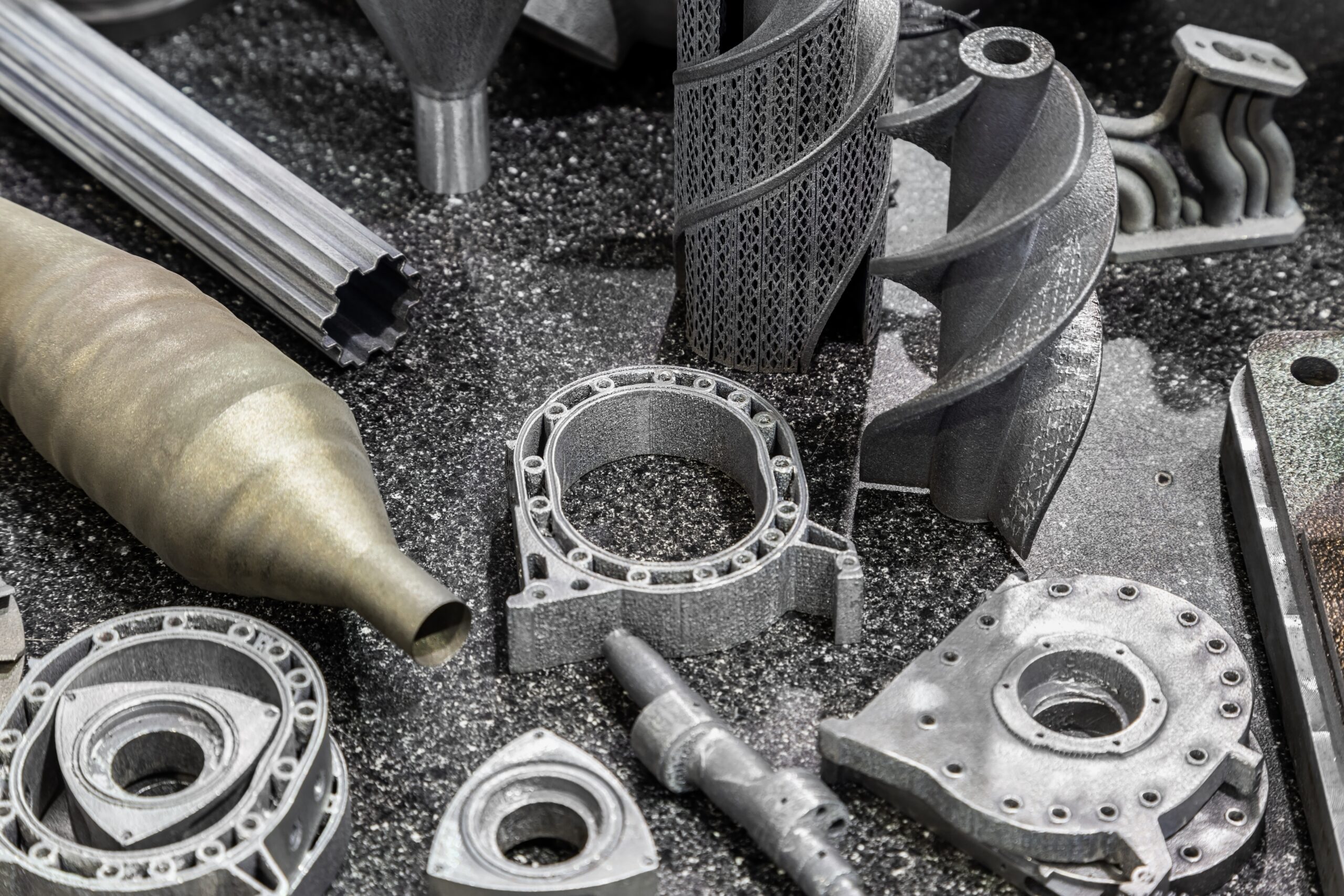
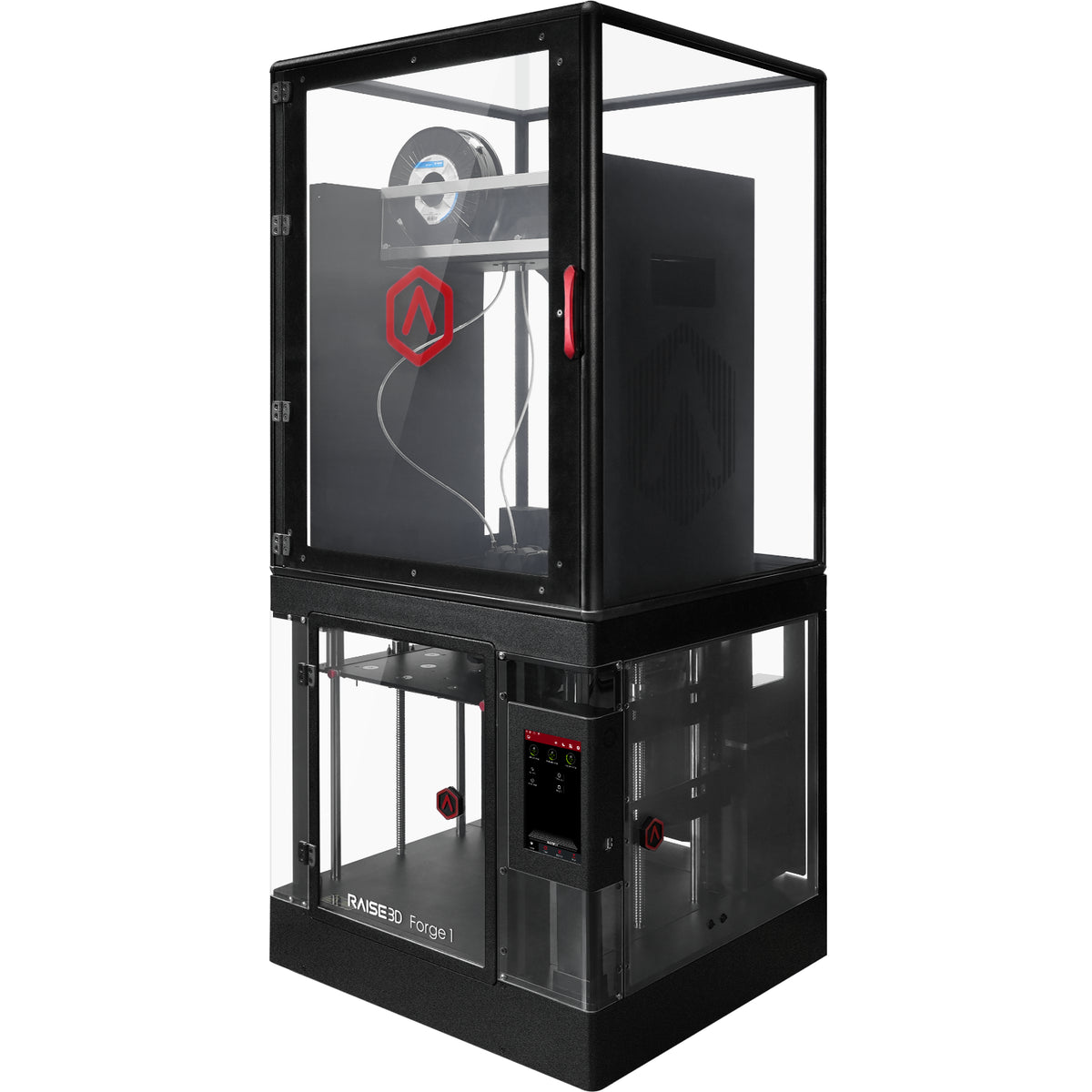
Utilizing a 3D printer for steel involves specialized additive manufacturing technologies such as Selective Laser Melting (SLM), Directed Energy Deposition (DED), and Binder Jetting, which process stainless or tool steel powders or wire into dense metal components. These industrial systems require controlled environments, post-processing heat treatments, and significant capital investment, making them distinct from desktop plastic printing.
Understanding Steel Additive Manufacturing Technologies
The landscape of metal additive manufacturing has evolved rapidly over the past few decades. When examining a 3D printer for steel, it is essential to recognize that consumer-grade fused deposition modeling (FDM) machines cannot print true solid steel. Instead, true metal printing relies on high-energy thermal processes or binder-based systems that fuse or glue microscopic steel particles together before furnace consolidation.
Selective Laser Melting (SLM) and Direct Metal Laser Sintering (DMLS)
SLM and DMLS are powder bed fusion (PBF) technologies. In an SLM system, a high-powered fiber laser selectively melts and fuses fine layers of metallic powder inside a build chamber filled with an inert gas like argon or nitrogen to prevent oxidation.
- Mechanism: A recoater blade spreads a thin layer of steel powder (typically 20 to 50 micrometers thick) across the build platform. The laser traces the cross-section of the CAD model, solidifying the metal. The platform lowers incrementally, and the cycle repeats.
- Material Density: Parts achieve up to 99.9% density, comparable to wrought or cast steel.
- Best Suited For: Complex internal channels, lightweight topology-optimized aerospace brackets, and intricate medical implants.
Directed Energy Deposition (DED)
DED systems melt metal wire or powder as it is deposited through a nozzle onto a multi-axis motion stage or robotic arm.
- Mechanism: A focused thermal energy source—usually a laser, electron beam, or plasma arc—creates a melt pool on a substrate. Simultaneously, steel wire or powder is fed directly into the pool.
- Build Speed: Significantly faster deposition rates than powder bed systems.
- Best Suited For: Large structural components, repairing worn industrial turbine blades, and adding features to existing forged or cast metal bases.
Binder Jetting
Binder Jetting is a powder-based, non-laser technology.
- Mechanism: An inkjet printhead deposits a liquid binding agent onto a bed of steel powder, binding the particles layer by layer to form a "green" part.
- Post-Processing: The green part is fragile and must be placed in a debinding furnace to remove the binder, followed by a high-temperature sintering furnace (or bronze infiltration) to fuse the metal particles together.
- Cost Efficiency: Higher production speeds and lower per-part costs for batch manufacturing compared to laser-based fusion systems.
Technical Specifications and Material Options
Working with a 3D printer for steel requires a deep understanding of metallurgy, particle morphology, and machine parameters. Unlike polymer printing, where changing filament is relatively straightforward, metal printing involves strict material compatibility and safety protocols.
Common Steel Alloys Used in Additive Manufacturing
Different applications demand specific mechanical properties, corrosion resistance, and thermal characteristics. The most frequently utilized steel grades include:
- Austenitic Stainless Steel (316L): Renowned for its excellent corrosion resistance, ductility, and biocompatibility. Widely used in marine, chemical processing, and medical device manufacturing.
- Martensitic Precipitation-Hardening Steel (17-4 PH): Offers a high strength-to-weight ratio, good corrosion resistance, and can be heat-treated to achieve exceptional hardness levels. Commonly used in aerospace and high-stress mechanical components.
- Tool Steels (H13, M2): Characterized by high hardness, abrasion resistance, and thermal fatigue resistance. Ideal for injection molding tool inserts with conformal cooling channels.
Machine Specifications to Evaluate
When selecting or evaluating an industrial steel 3D printing system, engineers and facility managers analyze several core technical metrics:
| Technical Parameter | Powder Bed Fusion (SLM/DMLS) | Directed Energy Deposition (DED) | Binder Jetting |
|---|---|---|---|
| Typical Build Envelope | 250 × 250 × 300 mm | 500 mm to several meters (robotic) | 400 × 400 × 400 mm and up |
| Minimum Layer Thickness | 20 – 50 microns | 100 – 500+ microns | 50 – 100 microns |
| Dimensional Accuracy | High ($\pm 0.05$ mm to $\pm 0.1$ mm) | Moderate ($\pm 0.2$ mm to $\pm 0.5$ mm) | Moderate (shrinks during sintering) |
| Surface Finish ($Ra$) | 5 – 15 micrometers | 20 – 50+ micrometers | 6 – 12 micrometers (post-sintering) |
| Support Structures | Required for overhangs ($<45^\circ$) | Minimal or none required | Self-supporting powder bed |
Infrastructure, Safety, and Operational Requirements
Installing and operating a steel 3D printer extends far beyond purchasing the machine. Facility preparation is rigorous due to the physical and chemical hazards associated with fine metal powders and high-power lasers.
Facility and Environmental Controls
- Power Supply: Industrial metal printers typically require heavy-duty electrical configurations (often 3-phase, 400V–480V) to power high-wattage fiber lasers and heating elements.
- Inert Gas Management: Powder bed systems consume large volumes of argon or nitrogen to maintain an oxygen-deficient atmosphere (often below 0.1% oxygen) to eliminate explosion risks and oxidation during the melt cycle.
- HVAC and Ventilation: Dedicated climate control and specialized explosion-proof ventilation systems are mandatory to manage ambient temperatures and filter airborne particulates.
Health and Safety Protocols
Fine metal powders (under 50 microns) are combustible and pose severe inhalation and skin-contact hazards.
- Personal Protective Equipment (PPE): Operators must wear anti-static clothing, specialized respirators (P100 or certified equivalent), and nitrile gloves.
- Handling Equipment: Vacuum systems used for cleaning excess powder must be certified inert-gas or wet-separation vacuums designed specifically for combustible metal dusts to prevent dust explosions.
Post-Processing Workflows for Steel 3D Prints
As-printed steel components rarely go straight into service. The additive manufacturing process induces high residual thermal stresses, rough surface finishes, and specific microstructures that require multi-step post-processing.
- Printing / Build Complete
- Powder Removal & Recovery
- Stress-Relief Heat Treatment
- Wire EDM / Support Removal
- Secondary Heat Treatment (Optional)
- CNC Machining & Surface Finishing
- Secondary Heat Treatment (Optional)
- Wire EDM / Support Removal
- Stress-Relief Heat Treatment
- Powder Removal & Recovery
1. Stress Relief and Heat Treatment
Before removing a part from its build plate, thermal stress relief is usually performed inside a vacuum or inert-gas furnace. This prevents the component from warping or cracking due to the extreme thermal gradients experienced during laser melting. Subsequent treatments, such as solution annealing or precipitation hardening, achieve the target mechanical hardness and tensile strength.
2. Support Removal and Machining
Parts printed via powder bed fusion require support structures to anchor overhangs to the build plate. These are removed using wire Electrical Discharge Machining (EDM), band saws, or manual grinding. Critical mating surfaces, bearing fits, and threaded holes must then be finished on a multi-axis CNC milling machine to achieve tight tolerances.
3. Surface Improvement
Because as-printed surfaces exhibit layer lines and a degree of roughness, secondary finishing methods are employed. These include bead blasting, chemical polishing, abrasive flow machining for internal channels, and manual hand-polishing for aesthetic or biomedical requirements.
Cost Analysis and Investment Considerations
Adopting steel additive manufacturing requires a thorough financial evaluation that accounts for initial capital expenditure (CapEx) and operational expenditure (OpEx).
- Capital Expenditure: Industrial laser-based steel 3D printers range from $250,000 to over $1,500,000, depending on build volume, laser count, and automation features. Ancillary equipment—such as heat treatment furnaces, sieving stations, powder handling gloveboxes, and CNC finishing centers—adds another $100,000 to $500,000.
- Operational Expenditure: Metal powders range significantly in price depending on alloy purity and particle size distribution, typically costing between $40 and $150 per kilogram. Consumables (lasers, filters, inert gases) and high electrical consumption also contribute to ongoing running costs.
- Economic Viability: Steel 3D printing is most cost-effective for low-to-medium volume production of highly customized, complex, or topology-optimized parts where traditional tooling (like metal casting molds or stamping dies) is economically unfeasible.
Frequently Asked Questions
Can a desktop 3D printer print real steel?
No desktop FDM printer can print solid steel directly. Some desktop machines use metal-filled filaments (composite filaments containing steel powder and a polymer binder). However, these "green" parts must be sent to a third-party facility for debinding and sintering in an industrial furnace to burn away the polymer and fuse the metal particles, resulting in significant shrinkage and porosity.
What is the difference between SLM and Binder Jetting for steel?
SLM uses a high-power laser to melt steel powder layer by layer, producing fully dense parts with high mechanical integrity directly on the machine. Binder Jetting uses an inkjet printhead to deposit a liquid binding agent onto powder, creating a fragile green part that requires subsequent furnace sintering. Binder Jetting is generally faster and better suited for high-volume batch production, while SLM is ideal for high-performance, complex single parts.
How strong are 3D printed steel parts compared to traditionally forged steel?
When processed correctly with optimized laser parameters and proper post-print heat treatment, parts produced via Selective Laser Melting achieve mechanical properties (such as tensile strength and yield strength) that match or exceed traditional cast steel and approach the performance of wrought or forged steel.
What post-processing steps are required for 3D printed steel?
Standard post-processing includes thermal stress-relief annealing while the part is still attached to the build plate, powder recovery and cleaning, wire EDM to separate the part from the plate, support structure removal, secondary heat treatments for hardness, and CNC machining for critical dimensional tolerances.
Is specialized facility ventilation required for steel 3D printers?
Yes. Handling fine metal powders requires specialized extraction systems, explosion-proof vacuum cleaners, and continuous oxygen monitoring. The workspace must prevent the accumulation of combustible metal dusts and protect operators from inhaling fine particulates or toxic fumes.
Conclusion and Next Actions
Investing in or utilizing a 3D printer for steel requires aligning your production goals with the appropriate technology—whether choosing powder bed fusion for intricate internal geometries, DED for large-scale structural repairs, or binder jetting for batch manufacturing. Organizations should begin by conducting a design-for-additive-manufacturing (DfAM) feasibility study on existing components, auditing facility safety and electrical infrastructure, and consulting with certified metal powder suppliers and equipment manufacturers to run benchmark test builds.