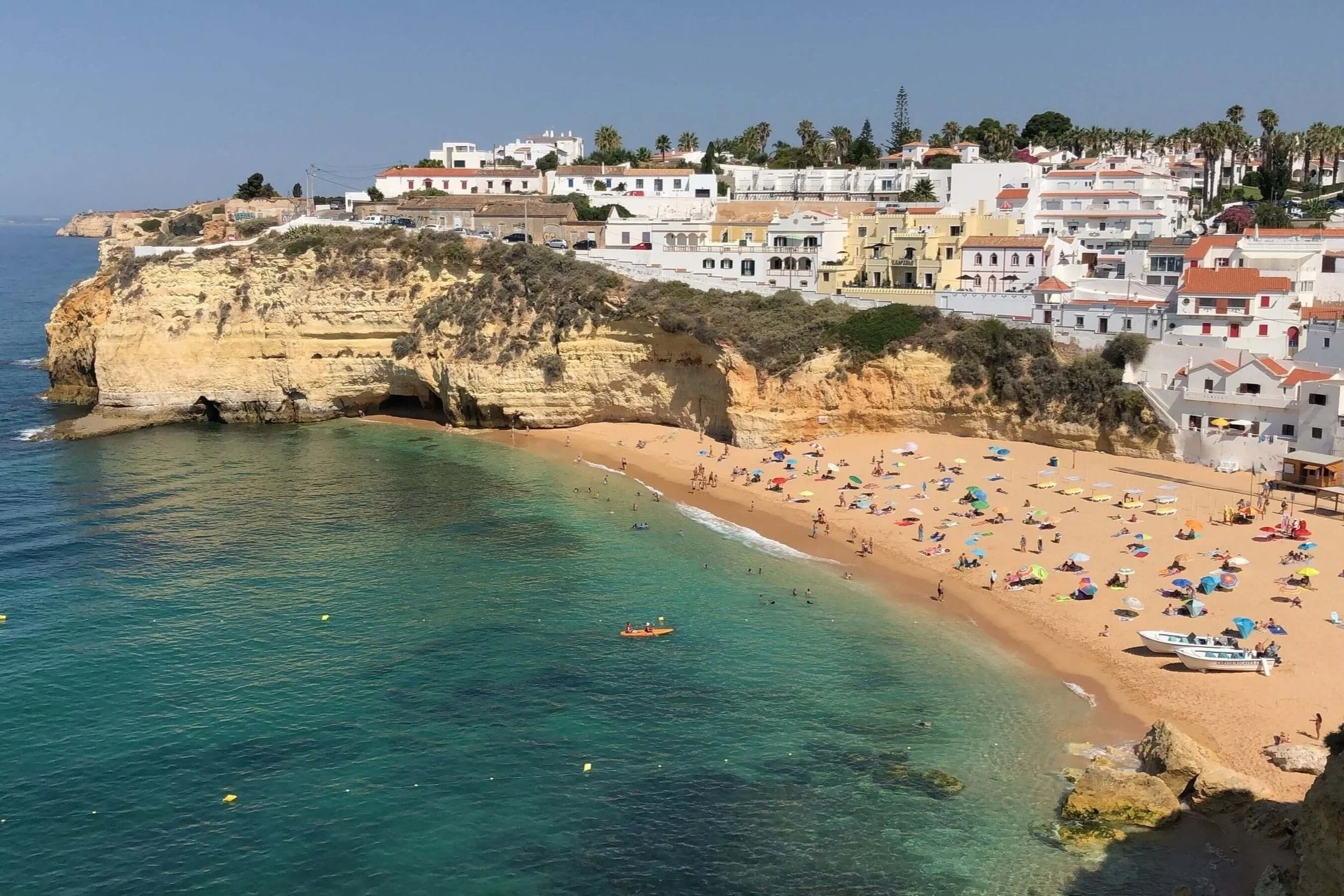
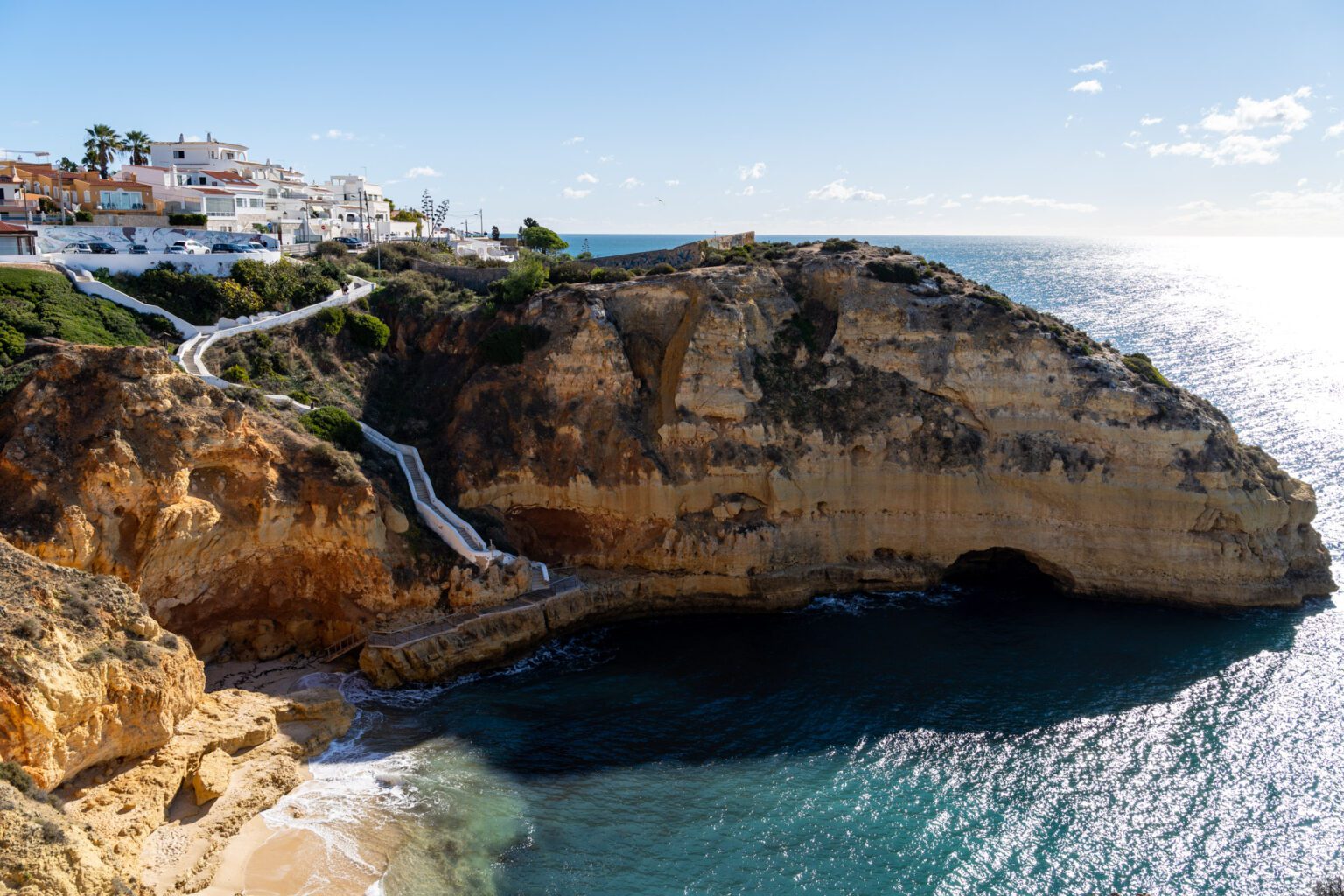
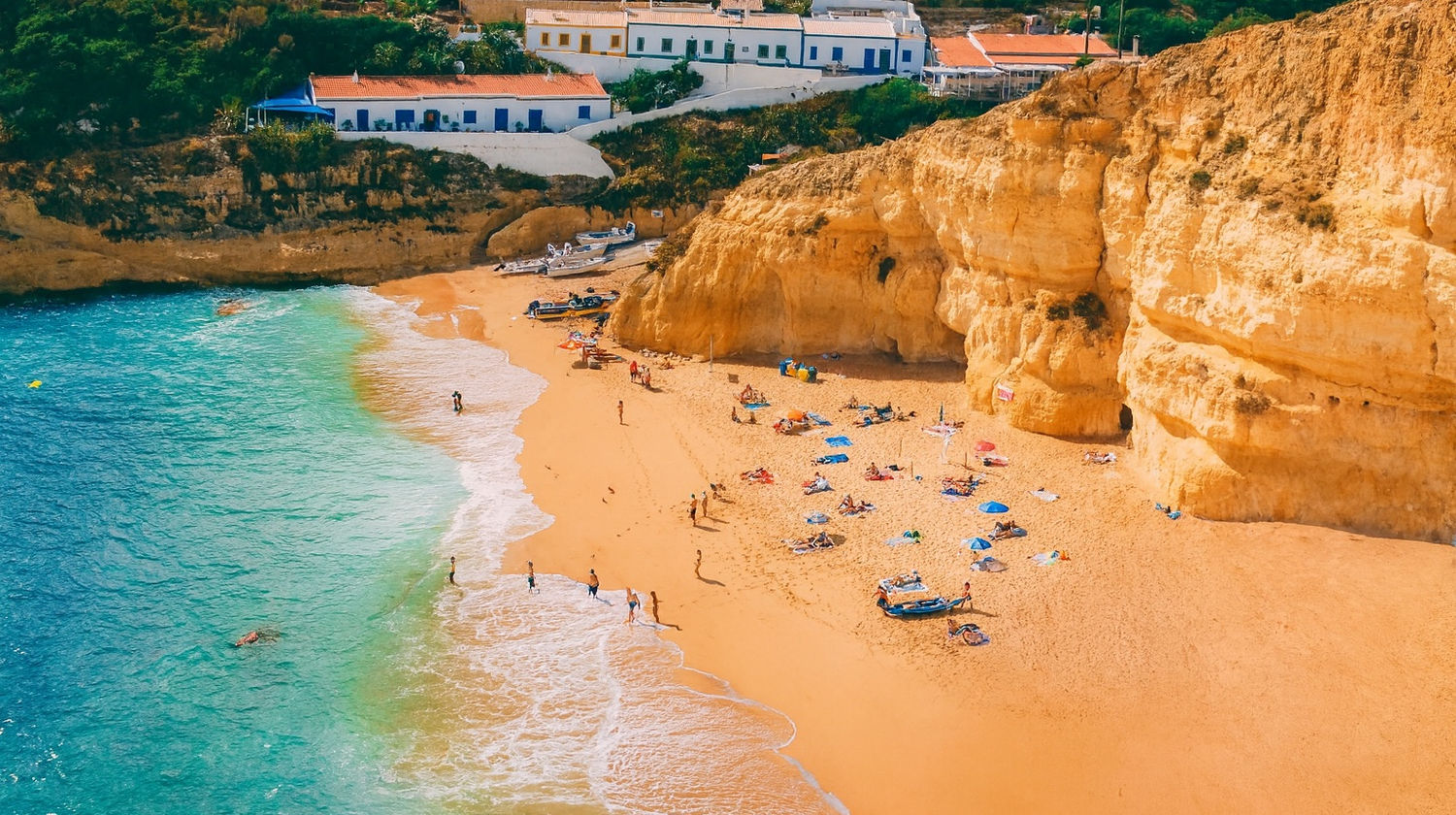
To experience the Algarve’s diverse landscape, the three best places to stay are Lagos for adventure and dramatic scenery, Tavira for authentic Portuguese culture and tranquility, and Albufeira for central convenience and vibrant nightlife. These locations provide strategic bases that cater to families, solo travelers, and luxury seekers alike.
Choosing the right base in Portugal’s southernmost region is the most critical decision for any visitor. The Algarve stretches over 150 kilometers, and while the coastline is united by stunning Atlantic vistas, the character of the towns varies significantly from east to west. In 2026, the region continues to evolve, balancing its massive popularity with a growing commitment to sustainable tourism and improved infrastructure, making the distinction between these hubs more pronounced than ever.
Why Location Choice Defines Your Algarve Experience
The Algarve is traditionally divided into two main areas: the Barlavento (the windward west) and the Sotavento (the leeward east). The western side is famous for its rugged limestone cliffs, turquoise grottoes, and surf-heavy Atlantic swells. The eastern side, stretching toward the Spanish border, is characterized by the calm lagoons of the Ria Formosa, expansive salt marshes, and warmer, shallower waters.
Staying in the wrong town can result in long transit times or an atmosphere that doesn't align with your travel goals. For instance, a traveler seeking quiet historical immersion would likely find the neon lights of central Albufeira overwhelming, while a surfer looking for the best breaks would find the calm barrier islands of Tavira too placid. By focusing on Lagos, Tavira, and Albufeira, you cover the three distinct "personalities" of the Algarve, ensuring a successful trip regardless of your travel style.
1. Lagos: The Best for Adventure and Dramatic Scenery
Lagos remains the crown jewel of the Western Algarve. It manages a rare feat: maintaining a historical, walled-city charm while serving as the primary hub for active travelers and younger crowds. As of 2026, Lagos has solidified its reputation as a premier destination for digital nomads and outdoor enthusiasts who prioritize environmental consciousness alongside leisure.
The Landscape and Beaches
The primary draw of Lagos is its coastline. This is where you find the world-renowned Ponta da Piedade, a series of sandstone cliffs and rock formations that are best explored via kayak or small eco-friendly boat tours. The beaches here are varied:
- Praia Dona Ana: Often cited as one of the most beautiful beaches in the world, it is framed by high cliffs that provide shelter from the wind.
- Meia Praia: A massive, 4-kilometer stretch of sand perfect for those who want space, windsurfing, or a long morning run.
- Praia do Camilo: A smaller, iconic cove reached by a long wooden staircase, offering crystal-clear water ideal for snorkeling.
Who Should Stay Here?
Lagos is the quintessential choice for active travelers and younger couples. If your itinerary includes surfing (with easy access to the west coast’s Sagres and Arrifana), cliff-top hiking along the Fisherman’s Trail, or vibrant but sophisticated nightlife, Lagos is unmatched. The town center is pedestrian-friendly, filled with artisan shops and "petiscos" (Portuguese tapas) bars that stay lively well into the night without the aggressive commercialism found in other hubs.
Logistics and Practicalities
Lagos is the final stop on the Algarve railway line. In 2026, the electrification of this line has made rail travel from Faro more efficient, though a car remains useful for exploring the hidden "secret" beaches of the Costa Vicentina to the west. Parking in the city center can be challenging during peak summer months, so selecting accommodation with dedicated parking or staying slightly outside the historical walls is recommended.
2. Tavira: The Best for Culture, Calm, and Authenticity
If the west is about the drama of the Atlantic, the east is about the rhythm of the Mediterranean. Tavira is widely considered the most architecturally beautiful town in the Algarve. Spanning the Gilão River, it features a Roman bridge, dozens of historic churches, and houses adorned with traditional "tesoura" (scissor) roofs.
The Ria Formosa and Island Beaches
Unlike Lagos, the beaches in Tavira are not at your doorstep; they are located on the Ilha de Tavira, a barrier island separated from the mainland by the Ria Formosa Natural Park. This requires a short, scenic ferry or water taxi ride.
- Ilha de Tavira: This beach stretches for kilometers. Even in the height of August, a 15-minute walk away from the ferry drop-off point will lead you to near-total solitude.
- Barril Beach: Accessible via a charming miniature train (or a walk through the marshes), this beach is famous for the "Anchor Cemetery" (Cemitério das Âncoras), a memorial to the region's defunct tuna fishing industry.
Who Should Stay Here?
Tavira is the top choice for couples, retirees, and families with young children who prefer calm waters and a slower pace of life. It is a haven for those who want to avoid the "resort" feel. The dining scene here focuses on local catches—specifically octopus (polvo) and razor clam rice—rather than international fast food. It is also an excellent base for birdwatchers and nature photographers due to the proximity of the salt pans where flamingos are frequently spotted.
The 2026 Perspective on Eastern Algarve
In 2026, Tavira has become a leader in "slow tourism." There are stricter regulations on new large-scale developments, preserving its skyline. While it is quieter than Lagos or Albufeira, its proximity to the Spanish border (only 30 minutes away) makes it a fantastic base for cross-border day trips to Seville or Huelva.
3. Albufeira: The Best All-Rounder and Central Hub
Albufeira is the most famous destination in the Algarve, and for good reason. It offers the highest density of accommodation, from budget-friendly apartments to five-star luxury resorts. While it is often associated with "The Strip" and high-energy nightlife, Albufeira is geographically split into two distinct areas that cater to very different needs.
Old Town vs. Areias de São João (The Strip)
- The Old Town (Centro Antigo): This area retains its traditional white-washed charm, with cobblestone streets leading down to Praia dos Pescadores. It is family-oriented, filled with restaurants, and hosts frequent outdoor concerts and festivals.
- The Strip: Located a few kilometers away, this is the center of the Algarve’s party scene. It is packed with themed bars, clubs, and late-night eateries, making it the go-to for stag/hen parties and younger groups looking for a high-intensity holiday.
Strategic Centrality
The biggest advantage of Albufeira is its location. Being in the center of the Algarve means you are never more than an hour's drive from either the Spanish border or the rugged cliffs of Sagres. It is also the closest major hub to the Benagil Cave, perhaps the most photographed natural site in Portugal. Most organized boat tours and excursions depart from Albufeira Marina, providing easy access to dolphin watching and coastal exploration.
Who Should Stay Here?
Albufeira is the best choice for first-time visitors and large families who want everything within reach. If you do not plan to rent a car, Albufeira provides the best infrastructure for taxis, ride-sharing services, and public buses. It also offers the most variety for those with specific accessibility needs, as many of its newer resorts are built with modern mobility standards in mind.
Comparing the Top Three Algarve Destinations
The following table provides a quick reference to help you decide which of these three hubs aligns with your specific travel requirements for 2026.
| Feature | Lagos (West) | Tavira (East) | Albufeira (Central) |
|---|---|---|---|
| Primary Vibe | Adventurous & Trendy | Traditional & Peaceful | Energetic & Convenient |
| Beach Type | Cove beaches & Cliffs | Long sandbanks & Islands | Wide sandy beaches |
| Water Temp | Cooler (Atlantic) | Warmer (Mediterranean influence) | Moderate |
| Nightlife | Busy but sophisticated | Quiet & Low-key | High-energy & Diverse |
| Best For | Surfers, Hikers, Nomads | Couples, Nature lovers | Families, First-timers |
| Transport Hub | Train terminus | Moderate bus/train links | Major highway/bus hub |
| Cost Profile | Mid-to-High | Mid-range | Wide range (Budget to Luxury) |
Essential Travel Logistics for 2026
Planning a trip to the Algarve in 2026 requires an understanding of the region's updated infrastructure and environmental policies. The Portuguese government has implemented several initiatives to manage the high volume of tourists while protecting the delicate coastline.
Transportation and Accessibility
Faro International Airport (FAO) remains the primary entry point. By 2026, the expansion of green transport options has made it easier to reach your accommodation without a private car:
- Electric Vehicle (EV) Infrastructure: The Algarve now boasts a comprehensive network of charging stations. If you are renting a car, an EV is a highly viable and often cheaper option due to tax incentives.
- The Algarve Line (Comboios de Portugal): The regional train connects Lagos to Vila Real de Santo António (near Spain). While reliable, it does not always stop near the beaches. You will often need a short Uber or Bolt ride from the station to your hotel.
- Ride-Sharing: Apps like Bolt and Uber are ubiquitous in Albufeira and Lagos but can be harder to find in Tavira during the off-season.
Sustainability and the "Tourist Tax"
In 2026, most municipalities in the Algarve have implemented a small nightly tourist tax (usually between €1 and €2 per person). These funds are directed toward beach cleaning, cliff stabilization, and the maintenance of hiking trails like the Seven Hanging Valleys Trail. Travelers are encouraged to use eco-certified tour operators, especially for boat trips to Benagil or the Ria Formosa, to minimize the impact on marine ecosystems.
Avoiding Common Mistakes when Booking
To ensure a seamless stay, avoid these three common pitfalls:
- Confusing "Albufeira" with "The Strip": Many travelers book accommodation labeled "Albufeira" only to find they are in the middle of a loud party district when they wanted a quiet family holiday. Always check the proximity to Rua da Oura if you want to avoid (or be near) the nightlife.
- Underestimating the Wind: The Western Algarve (Lagos and Sagres) can be significantly windier than the East. If you are sensitive to wind or traveling with young children who might be bothered by blowing sand, Tavira or central Albufeira are safer bets.
- Ignoring the Tides: In the Eastern Algarve (Tavira), the beauty of the lagoons changes drastically with the tide. If you book a boat tour or plan a day on the islands, check the tide charts to ensure you aren't stuck with a long walk across mudflats during low tide.
Frequently Asked Questions
Which of these three is closest to Faro Airport?
Albufeira is the closest, approximately 40 minutes by car. Tavira is about 35-40 minutes in the opposite direction (east). Lagos is the furthest, taking roughly 1 hour and 15 minutes via the A22 toll highway.
Can I visit all three in one trip?
Yes, it is possible if you have at least 10 days. A popular itinerary is to spend 3 days in Tavira for relaxation, 4 days in Albufeira for central excursions, and 3 days in Lagos for coastal hiking and surfing.
Is the water warm enough for swimming in the Algarve?
The water temperature in the Algarve is cooler than the Mediterranean. In 2026, summer temperatures average between 19°C and 22°C. The waters around Tavira and Monte Gordo (East) are consistently 2-3 degrees warmer than those in Lagos.
Do I need a car to stay in these areas?
In Albufeira, a car is not strictly necessary due to high taxi availability. In Lagos, a car is helpful but not essential if you stay near the town center. In Tavira, you can manage without a car for local activities, but you will need one if you want to explore the surrounding white-washed villages like Santa Luzia or Cacela Velha.
What is the best month to visit in 2026?
May, June, and September remain the "sweet spots." The weather is warm enough for the beach, but the crowds are manageable, and accommodation prices are significantly lower than in July and August.
Final Recommendation
For the traveler who wants the iconic Algarve experience of cliffs and grottoes, choose Lagos. If you seek peace, tradition, and a deep dive into Portuguese culture, make Tavira your home base. If you are looking for maximum convenience, a central location for day trips, or a lively resort atmosphere, Albufeira is the ideal choice. Regardless of which you choose, the Algarve's improved 2026 infrastructure ensures that the rest of this stunning coastline is never too far away.