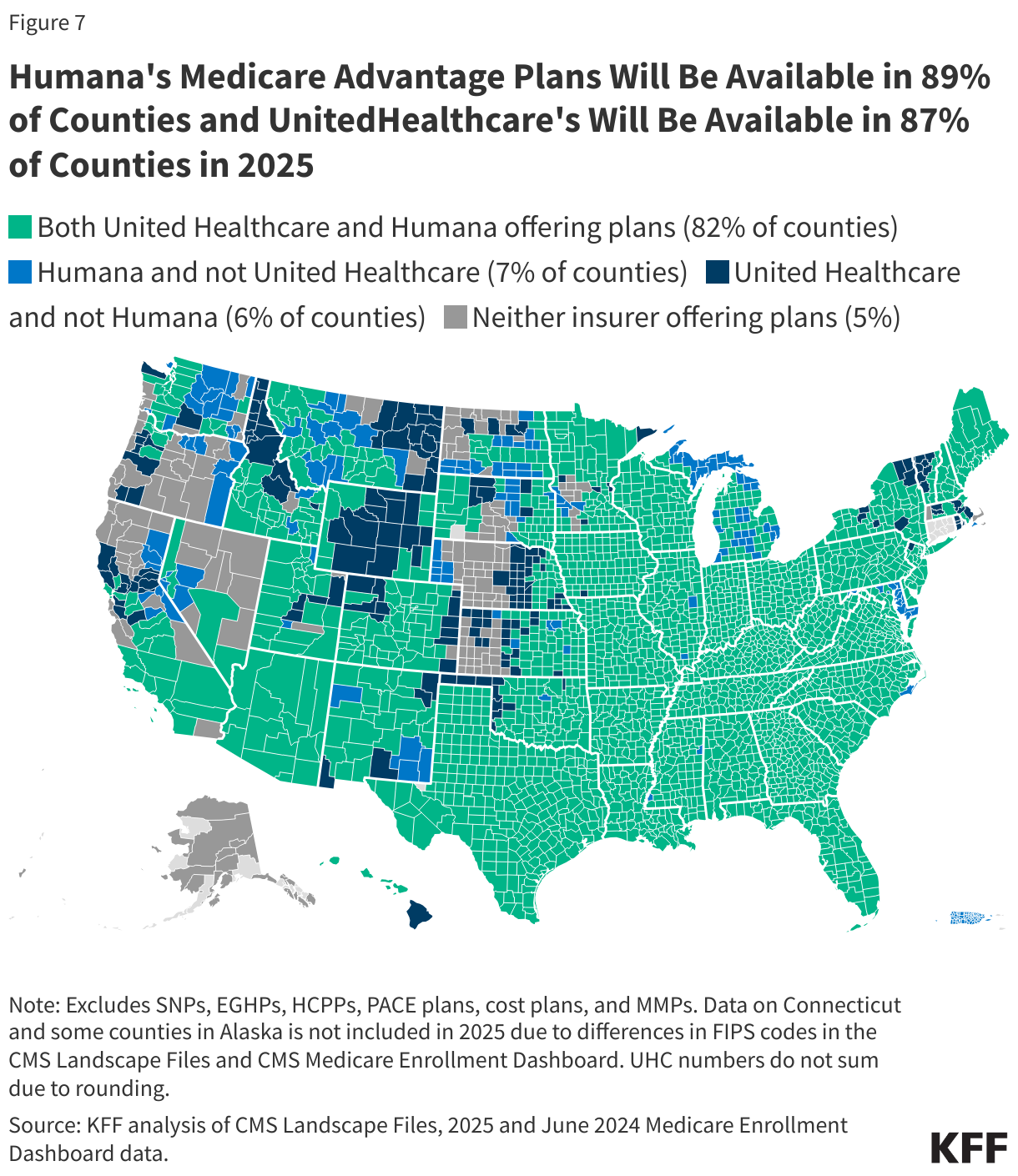
Accessing and interpreting your 2025 Humana plan documents is essential for managing healthcare costs and verifying coverage details for the 2025 benefit year. These documents—primarily the Evidence of Coverage, Summary of Benefits, and Drug Formulary—serve as the legal contract between the member and Humana, outlining specific rights, responsibilities, and financial obligations.
As we move through 2026, many members find themselves needing to reference their 2025 Humana plan documents to resolve outstanding claims, prepare for tax filings, or compare their previous coverage against their current 2026 benefits. Because Medicare Advantage and Prescription Drug Plans (PDP) undergo annual regulatory updates, the 2025 plan year represented a significant shift in out-of-pocket protections and prescription drug costs. Understanding the nuances of these archived documents is critical for accurate financial planning and healthcare advocacy.
The Core 2025 Humana Plan Documents Defined
When Humana issues a plan, it produces a suite of documents designed to satisfy federal transparency requirements and provide members with a roadmap for their care. For the 2025 plan year, these documents were structured to reflect the implementation of key provisions of the Inflation Reduction Act (IRA).
The Evidence of Coverage (EOC)
The Evidence of Coverage is the most comprehensive document you will receive. Often exceeding 200 pages, the 2025 EOC acts as the definitive legal contract. It details exactly what the plan covers, how much you pay (copayments and coinsurance), and the rules you must follow to obtain services.
In the 2025 Humana EOC, you will find specific chapters dedicated to:
- Medical Benefits Chart: A line-by-line breakdown of services, from inpatient hospital stays to durable medical equipment (DME).
- Grievances and Appeals: The specific multi-step process for challenging a coverage denial or a payment dispute from the 2025 service year.
- Member Rights: Your legal protections under both Humana policy and federal Medicare law.
The Summary of Benefits (SB)
The Summary of Benefits is a condensed version of the EOC. It is designed for quick comparison. In the 2025 version, Humana utilized this document to highlight "Star Ratings" and core cost-sharing features like primary care physician (PCP) visit costs versus specialist visits. If you are reviewing 2025 documents to understand why a specific bill was generated, the SB is often the fastest way to verify the expected copay.
The Annual Notice of Change (ANOC)
While technically sent in late 2024, the ANOC is the "bridge" document for the 2025 plan year. It summarizes the differences between your 2024 coverage and your 2025 coverage. This is particularly useful in 2026 when trying to identify when a specific benefit—such as a dental allowance or a specific drug tier—changed its structure.
Accessing Your 2025 Humana Documents in 2026
Even though the 2025 plan year has concluded its primary enrollment cycle, Humana maintains an archive of these documents for member reference. Accessing them digitally is the most efficient method, though paper copies can still be requested for historical record-keeping.
Digital Retrieval via MyHumana
The MyHumana portal serves as the primary repository for member-specific data. To find your 2025 documents:
- Log in to your account on the Humana website.
- Navigate to the "Documents & Forms" section.
- Use the Year Filter to select "2025."
- Download the PDF versions of your EOC and Formulary.
For those who were not Humana members in 2025 but are researching the company's historical plan performance, Humana provides a public "Plan Search" tool. By entering a zip code and selecting the 2025 plan year, you can view the generic Summary of Benefits for any plan offered in that region.
Requesting Physical Copies
Under federal law, insurance providers must provide plan documents in accessible formats. If you require a physical copy of a 2025 document for a legal proceeding, an appeal, or personal records, you can contact Humana’s customer service. Be prepared to provide your 2025 Member ID number, as the customer service representative will need to verify which specific plan variation you were enrolled in, as benefits vary significantly by county and plan type (e.g., Gold Plus HMO vs. Choice PPO).
Key 2025 Policy Shifts Reflected in Documentation
The 2025 plan year was a landmark year for Medicare Advantage and Part D plans. If you are reviewing your 2025 Humana documents, you will notice several specific updates that were not present in earlier years. These changes were largely driven by the Inflation Reduction Act of 2022.
The $2,000 Part D Out-of-Pocket Cap
One of the most significant entries in the 2025 Humana plan documents is the $2,000 cap on out-of-pocket spending for prescription drugs. Prior to 2025, Medicare beneficiaries faced a "donut hole" or coverage gap that could lead to much higher costs. The 2025 EOC reflects the elimination of the coverage gap phase, moving members directly from the initial coverage phase to a catastrophic phase where they owe $0 for covered Part D drugs once the $2,000 threshold is met.
The Medicare Prescription Payment Plan (M3P)
The 2025 documents introduced a new voluntary program known as the Medicare Prescription Payment Plan. This program allowed members to spread their out-of-pocket drug costs over the course of the calendar year rather than paying a large sum at the pharmacy counter. Your 2025 EOC contains a specific section explaining the eligibility and "smoothing" mechanics of this payment option.
Insulin and Vaccine Cost Protections
By 2025, Humana's plan documents solidified the $35 monthly cap for a one-month supply of each covered insulin product. Additionally, the 2025 Summary of Benefits confirms that most Part D-covered vaccines (such as the Shingles vaccine) were available at a $0 copay, provided the member met the plan's eligibility criteria.
| Document Feature | 2025 Humana Plan Impact | Purpose for Review in 2026 |
|---|---|---|
| Part D MOOP | Capped at $2,000 for the year | Verifying 2025 drug spend for tax deductions or reimbursement |
| Drug Formulary | Included new biosimilars and tier shifts | Checking if a 2025 medication was covered before a 2026 change |
| Network Status | Defined HMO vs. PPO provider lists | Resolving "Out-of-Network" billing disputes from 2025 |
| Extra Benefits | Dental, Vision, and Hearing allowances | Auditing the "use it or lose it" benefits from the 2025 cycle |
| M3P Program | Monthly payment smoothing option | Reviewing historical payment schedules for 2025 pharmacy bills |
Navigating the 2025 Humana Drug Formulary
The Drug Formulary is perhaps the most frequently consulted document outside of the EOC. This list identifies every brand-name and generic drug covered by the plan. In 2025, Humana utilized a multi-tier structure (typically 5 or 6 tiers) to determine cost-sharing.
Understanding Tier Structures
- Tier 1 (Preferred Generic): The lowest copayment, often $0 at preferred pharmacies.
- Tier 2 (Generic): Low-cost generics with slightly higher copayments than Tier 1.
- Tier 3 (Preferred Brand): Moderate copayments for brand-name drugs without generic equivalents.
- Tier 4 (Non-Preferred Drug): Higher cost-sharing for drugs that Humana has not designated as "preferred."
- Tier 5 (Specialty Tier): High-cost medications, often requiring coinsurance (a percentage of the cost) rather than a flat copay.
In 2025, many "specialty" medications were subject to the new $2,000 out-of-pocket cap. If you are reviewing a 2025 formulary today, look for the "Requirements/Limits" column. This column indicates if a drug required Prior Authorization (PA), Step Therapy (ST), or had Quantity Limits (QL). Discrepancies in these requirements are often the root cause of 2025 claim denials.
Pharmacy Networks in 2025
Humana plan documents for 2025 also distinguished between "Preferred" and "Standard" pharmacies. Members using preferred cost-sharing pharmacies (often including major retailers like Walmart, Publix, or Humana’s own CenterWell Pharmacy) typically saw significantly lower out-of-pocket costs. If you are auditing 2025 expenses, ensure you are comparing the pharmacy used against the "Pharmacy Directory" document associated with your 2025 plan.
Financial Protections: MOOP and Deductibles
When reviewing the 2025 Humana overview, the Maximum Out-of-Pocket (MOOP) limit is the most critical figure for financial safety. The MOOP is the absolute limit a member would pay for "covered" medical services (Part A and Part B) during the 2025 calendar year.
Medical MOOP vs. Part D MOOP
It is a common mistake to confuse the medical MOOP with the drug cap.
- Medical MOOP: This applies to doctor visits, hospital stays, and lab tests. For 2025, Humana’s MOOP limits varied by plan but were legally capped by CMS (Centers for Medicare & Medicaid Services) at $9,350 for in-network services, though many Humana plans set this limit much lower (e.g., $3,400 to $6,700).
- Part D Cap: As mentioned, this was $2,000 for 2025. This is separate from the medical MOOP.
Once a member reached their 2025 MOOP, Humana was required to pay 100% of covered medical expenses for the remainder of that year. If you find that you paid for services after hitting this limit in 2025, your plan documents provide the framework for requesting a refund.
Practical Steps for Resolving 2025 Discrepancies
If your review of the 2025 Humana plan documents reveals an error in how a claim was processed or how a benefit was applied, you must act based on the procedures outlined in the "Appeals and Grievances" section of the EOC.
- Identify the Document Source: Find the specific page in the 2025 EOC or Summary of Benefits that supports your claim.
- Check the Timeline: Medicare generally allows 60 days from the date of the "Notice of Denial" to file an appeal. However, if you are discovering an error during a 2026 audit, you may still be able to file a grievance or request a reopening of the claim if there is "good cause" for the delay.
- Gather Evidence: Collect receipts, provider notes, and the 2025 formulary listing for the drug or service in question.
- Contact CenterWell or Humana Member Services: Use the phone number on the back of your 2025 Member ID card (which may differ from your 2026 card).
Common Mistakes When Reading 2025 Documents
Interpreting insurance jargon can lead to costly errors. When reviewing your 2025 overview, avoid these common pitfalls:
- Assuming 2026 Rules Apply Backwards: Do not use your 2026 benefits to judge a 2025 bill. Medical networks change, and a doctor who was "In-Network" in 2026 might have been "Out-of-Network" in 2025.
- Ignoring Supplemental Riders: Some Humana members purchased "Optional Supplemental Benefits" (OSB) for 2025, such as enhanced dental or vision. These are often documented in a separate flyer or an addendum to the EOC. If you don't see your dental coverage in the main EOC, look for the OSB addendum.
- Misinterpreting "Coinsurance": If your 2025 document lists "20% coinsurance" for a procedure, this is 20% of the Medicare-approved amount, not 20% of the provider’s "sticker price."
Frequently Asked Questions
Where can I find my 2025 Humana Member ID number?
Your 2025 Member ID number is located on the physical ID card issued for that year. If you have discarded the card, the number can be found on any Explanation of Benefits (EOB) sent to you during 2025. You can also retrieve this information by calling Humana and providing your Social Security number and date of birth to verify your identity for the 2025 enrollment period.
Is the 2025 Humana Drug Formulary the same for every plan?
No. Humana offers various types of plans, including HMO, PPO, and Private Fee-for-Service (PFFS). Each plan may have a different formulary. While many share the same basic list of drugs, the "Tiers" and "Preferred Pharmacy" rules can vary significantly. Always ensure the formulary you are viewing matches the specific 2025 plan name (e.g., "Humana Choice H5216-123") found on your EOC.
What should I do if my 2025 documents say a drug was covered, but I was charged full price?
First, verify that you were at a network pharmacy and that any "Prior Authorization" requirements were met. If the 2025 formulary confirms coverage without restrictions and you were charged incorrectly, you should file a Request for Reimbursement. This process is detailed in Chapter 7 of most 2025 Humana EOCs. You will likely need to submit a paper claim form along with your 2025 pharmacy receipts.
Why does my 2025 Evidence of Coverage mention "Catastrophic Coverage" if the gap is gone?
The 2025 plan year redesigned the "Catastrophic Phase." Under the 2025 rules, once you reached the $2,000 out-of-pocket threshold, you entered the Catastrophic Phase, but unlike previous years where you might still pay a small percentage, the 2025 version reduced your cost-sharing to $0 for all covered Part D drugs. The term remains in the documents because it defines the legal threshold for the plan's 100% payment responsibility.
Can I still switch to a 2025 plan if I find it had better documents?
No. Because we are currently in 2026, the 2025 plan year is closed for enrollment. You can only enroll in 2026 plans. The 2025 documents are for reference, historical claims, and auditing purposes only. If you find that a 2025 benefit was superior, you may look for 2026 plans with similar structures during the next Annual Enrollment Period (AEP).
Final Recommendation for Members
If you are currently managing healthcare tasks in 2026, take thirty minutes to download and save a digital copy of your 2025 Humana Evidence of Coverage and 2025 Summary of Benefits. Having these files organized on your computer or in a dedicated cloud folder ensures you can quickly verify historical coverage if a provider sends a delayed bill or if you need to justify a medical expense to the IRS. For immediate assistance with 2025 document interpretation, contact Humana’s specialized customer service line, as they maintain historical records for several years to assist with long-term member care coordination.