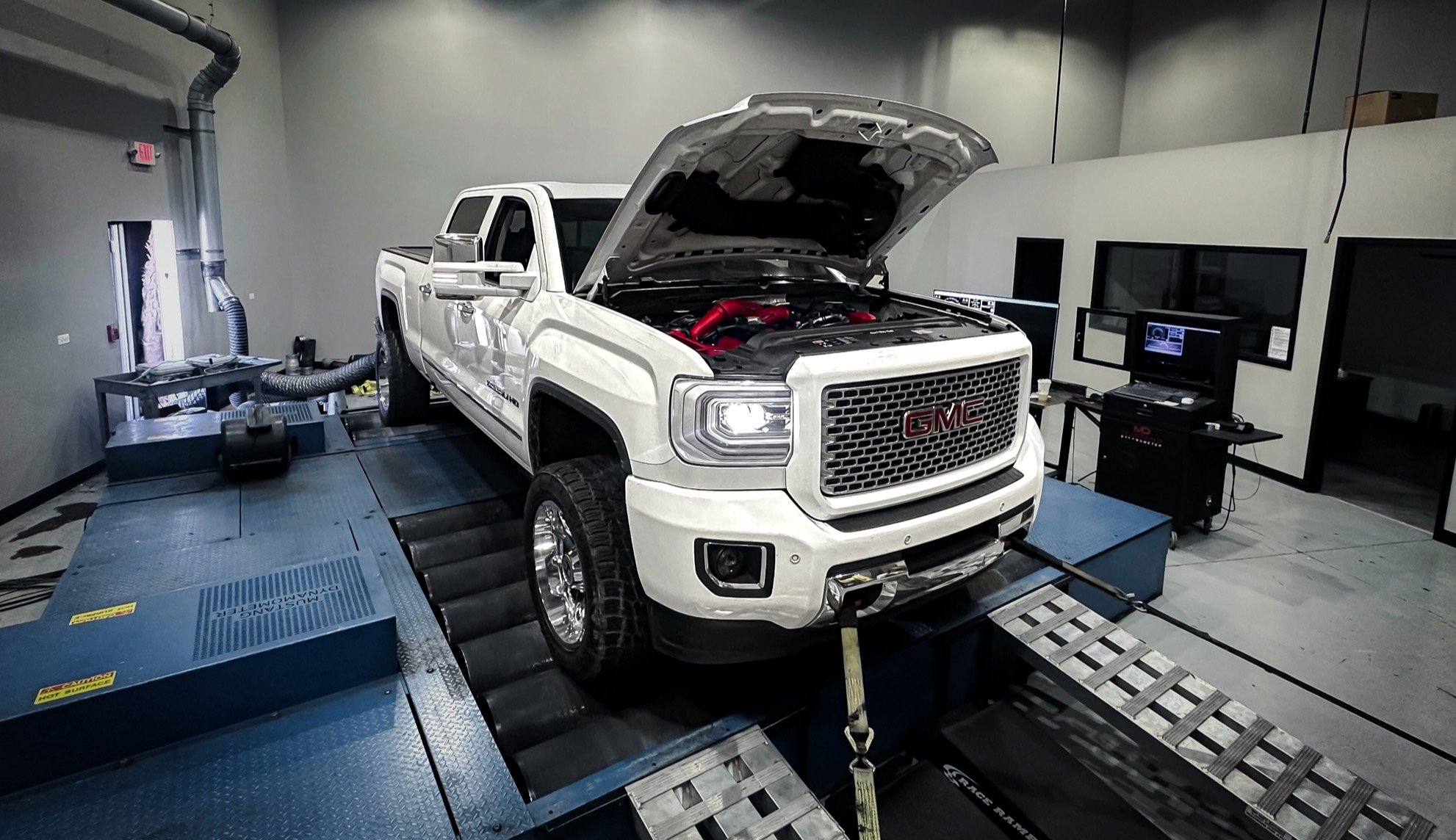
The 2018 Chevrolet Silverado and GMC Sierra 2500HD and 3500HD trucks feature the 6.6-liter L5P Duramax V8 turbo-diesel engine, which generates 445 horsepower at 2,800 RPM and 910 lb-ft of torque at 1,600 RPM when paired with the Allison 6-speed automatic transmission.
Choosing a heavy-duty truck often comes down to the numbers, and for truck enthusiasts and commercial operators alike, horsepower and torque ratings represent the ultimate measure of capability. For the 2018 model year, General Motors equipped its heavy-duty line of Chevrolet Silverado and GMC Sierra 2500HD and 3500HD trucks with a thoroughly modern diesel powerplant. Understanding the specifics of the 2018 Duramax HP ratings requires a close look at the engineering behind the L5P engine, its integration with the Allison transmission, and how these figures translate into real-world towing, hauling, and daily driving performance.
Understanding the 2018 L5P Duramax Engine Architecture
The 2018 Duramax diesel engine, designated internally as the L5P, represented a major evolution from the previous generation LML engine. Introduced for the 2017 model year and carrying fully into 2018, the L5P was engineered to deliver significantly higher power outputs while simultaneously meeting stringent global emissions regulations and improving durability under heavy loads.
At the core of the L5P is a robust cast-iron engine block paired with aluminum cylinder heads. Engineers redesigned the rotating assembly, incorporating stronger forged steel connecting rods and micro-alloy forged steel crankshafts to handle the massive cylinder pressures generated by high-output diesel combustion. The pistons were also redesigned with a robust combustion bowl and oil-spray cooling under the crown to manage thermal stress during extended towing intervals.
The fuel system underwent a complete transformation. The 2018 Duramax utilizes a high-pressure common-rail fuel injection system supplied by Denso, operating at pressures up to 30,000 psi (2,000 bar). This ultra-high pressure atomizes diesel fuel into a fine mist, promoting cleaner, more complete combustion. This precision delivery contributes directly to the engine's impressive power output while optimizing fuel efficiency and reducing engine noise and vibration compared to older diesel architectures.
Official Power Ratings: Horsepower and Torque
When General Motors released the 2018 heavy-duty truck lineup, the numbers published for the 6.6L V8 turbo-diesel engine established a new benchmark for the brand. The official factory output specifications for the 2018 Duramax engine are:
- Horsepower: 445 hp at 2,800 RPM
- Torque: 910 lb-ft at 1,250 to 1,600 RPM
To fully understand these figures, it is helpful to look at where torque is delivered in the RPM band. The peak torque of 910 lb-ft arrives at an exceptionally low 1,600 RPM, with a vast majority of that pulling power available just off idle. This characteristic means heavy loads begin moving smoothly without requiring high engine speeds, reducing strain on the drivetrain and making trailer maneuvering much more controllable.
| Engine Specification | 2018 Duramax 6.6L L5P V8 Turbo-Diesel |
|---|---|
| Displacement | 406 cu in (6.6 liters) |
| Aspiration | Variable Vane Turbocharger (VGT) |
| Horsepower | 445 hp @ 2,800 RPM |
| Torque | 910 lb-ft @ 1,600 RPM |
| Fuel System | Direct Injection, Common Rail (Denso) |
| Block Material | Cast Iron |
| Head Material | Aluminum |
| Transmission Pairing | Allison 1000 6-Speed Automatic |
The Variable Vane Turbocharger and Air Induction
Air management plays a critical role in generating 445 horsepower from a displacement of 6.6 liters. The 2018 Duramax features an electronically controlled, variable vane turbocharger (VGT) mounted directly to the top valley of the engine block.
Unlike fixed-geometry turbochargers that rely on wastegates to bleed off excess boost, the VGT adjusts the angle of its internal vanes dynamically based on engine load, speed, and throttle position. At lower RPMs, the vanes close down to accelerate exhaust gas flow across the turbine wheel, virtually eliminating turbo lag and bringing peak torque on instantly. As engine speed increases, the vanes open up to maintain optimal boost pressure and prevent over-boosting, ensuring consistent power delivery across the entire rev range.
The induction system also incorporates a massive functional hood scoop on HD models. This cold-air intake design channels ambient, dense air directly into the air filter housing, lowering intake temperatures and improving volumetric efficiency during heavy towing when engine compartment heat soak is most severe.
Transmission Pairing: The Allison 6-Speed Automatic
Power figures on paper only tell part of the story; how that power reaches the rear wheels or all four wheels determines real-world capability. For 2018, GM paired the L5P Duramax exclusively with the heavy-duty Allison 1000 six-speed automatic transmission.
The Allison transmission is renowned in the commercial and heavy-duty pickup segments for its durability and intelligent shift programming. Features integrated into the 2018 powertrain calibration include:
- Tow/Haul Mode: Alters shift schedules to reduce shift cycling when pulling heavy loads, holding gears longer to utilize engine braking on descents.
- Diesel Exhaust Brake: Utilizes the variable vane turbocharger to create backpressure in the exhaust manifold, slowing the vehicle without putting excessive wear on the physical service brakes.
- Manual Shift Control: Allows drivers to manually select gears via a rocker switch on the column shifter, providing precise control when navigating steep mountain grades or off-road job sites.
Emissions Equipment and Thermal Management
Generating high horsepower and torque in a modern diesel requires managing exhaust emissions and engine temperatures strictly. The 2018 Duramax features a comprehensive emissions control suite, which includes:
- Diesel Exhaust Fluid (DEF) Injection: Selectlve Catalytic Reduction (SCR) system that sprays DEF into the exhaust stream to neutralize nitrogen oxide (NOx) emissions.
- Diesel Particulate Filter (DPF): Captures microscopic soot particles from the exhaust and periodically burns them off through active regeneration cycles.
- Exhaust Gas Recirculation (EGR): Cools and routes a controlled portion of exhaust gases back into the intake to lower combustion temperatures and reduce NOx formation at the source.
Thermal management was a major engineering focus for the L5P generation. Previous Duramax iterations occasionally faced cooling capacity limitations under extreme sustained loads in high ambient temperatures. The 2018 model addressed this with a high-capacity radiator, a powerful electronically controlled engine cooling fan, and optimized airflow routing through the front fascia and hood scoop, ensuring the engine maintains safe operating temperatures even when towing near its maximum gross combined weight rating (GCWR).
Real-World Towing and Performance Implications
With 445 horsepower and 910 lb-ft of torque on tap, the 2018 Duramax-equipped Silverado and Sierra 2500HD/3500HD trucks are capable of handling heavy commercial trailers, large livestock trailers, and massive fifth-wheel RVs.
Maximum conventional towing capacities for properly equipped 2018 models generally exceed 14,000 to 20,000 pounds depending on cab configuration, axle ratio, and whether the truck is a 2500 or 3500 dual-rear-wheel variant. Fifth-wheel and gooseneck towing capacities stretch even further, often surpassing 23,000 pounds.
The primary advantage of the L5P's torque curve during towing is effortless acceleration from a stop and confident passing power on multi-lane highways. Drivers do not need to push the engine to high RPMs to merge into fast-moving traffic; the torque peak at 1,600 RPM delivers immediate thrust with minimal throttle input.
Common Modifications and Aftermarket Tuning Considerations
While the stock output of 445 horsepower satisfies the vast majority of owners, a robust aftermarket exists for diesel enthusiasts looking to extract more power. However, modifying a 2018 Duramax requires understanding the complexities of the factory control systems.
- ECM Tuning: Because the engine control module (ECM) on 2018 models is encrypted by GM for security and emissions compliance, tuning often requires specialized unlocking procedures or secondary control modules.
- Emissions Integrity: Altering or removing factory emissions equipment (commonly referred to as "deleting" the DPF and EGR) remains a subject of regulatory scrutiny and may violate federal or state environmental laws for on-highway vehicles.
- Drivetrain Limits: Increasing horsepower significantly beyond the stock 445 hp rating can exceed the design thresholds of factory driveline components, particularly the transmission clutches and output shafts, necessitating upgraded heavy-duty internal parts.
Frequently Asked Questions
What is the factory horsepower of a 2018 Duramax?
The 2018 Chevrolet and GMC 6.6L L5P Duramax diesel engine produces a factory-rated 445 horsepower at 2,800 RPM.
How much torque does the 2018 Duramax produce?
The engine generates 910 lb-ft of torque, with peak torque delivered across a wide band starting from 1,250 up to 1,600 RPM.
What transmission comes with the 2018 Duramax?
It is paired exclusively with the Allison 1000 six-speed automatic transmission, featuring integrated tow/haul mode and a factory exhaust brake.
Is the 2018 Duramax an L5P engine?
Yes, the 2018 model year utilizes the L5P engine code, which introduced a stronger block, high-pressure common-rail fuel system, and a hood air-induction system compared to older generations.
Can the 2018 Duramax horsepower be increased with a tuner?
Yes, aftermarket tuners can increase output, but owners should account for factory computer encryption, emissions regulations, and the mechanical limits of the stock transmission before installing performance modifications.
Practical Recommendations for Buyers and Owners
For prospective buyers evaluating a used 2018 Chevrolet Silverado or GMC Sierra with the Duramax diesel, verifying the service history is essential. Ensure that regular fuel filter changes, oil services, and cooling system maintenance have been performed according to manufacturer guidelines. When inspecting a truck for purchase, check the engine hours relative to the odometer reading to gauge whether the vehicle spent excessive time idling in commercial fleets. For current owners, utilizing high-tier ultra-low sulfur diesel fuel and maintaining clean DEF fluid will ensure the emissions system and high-pressure fuel injectors operate reliably for hundreds of thousands of miles.