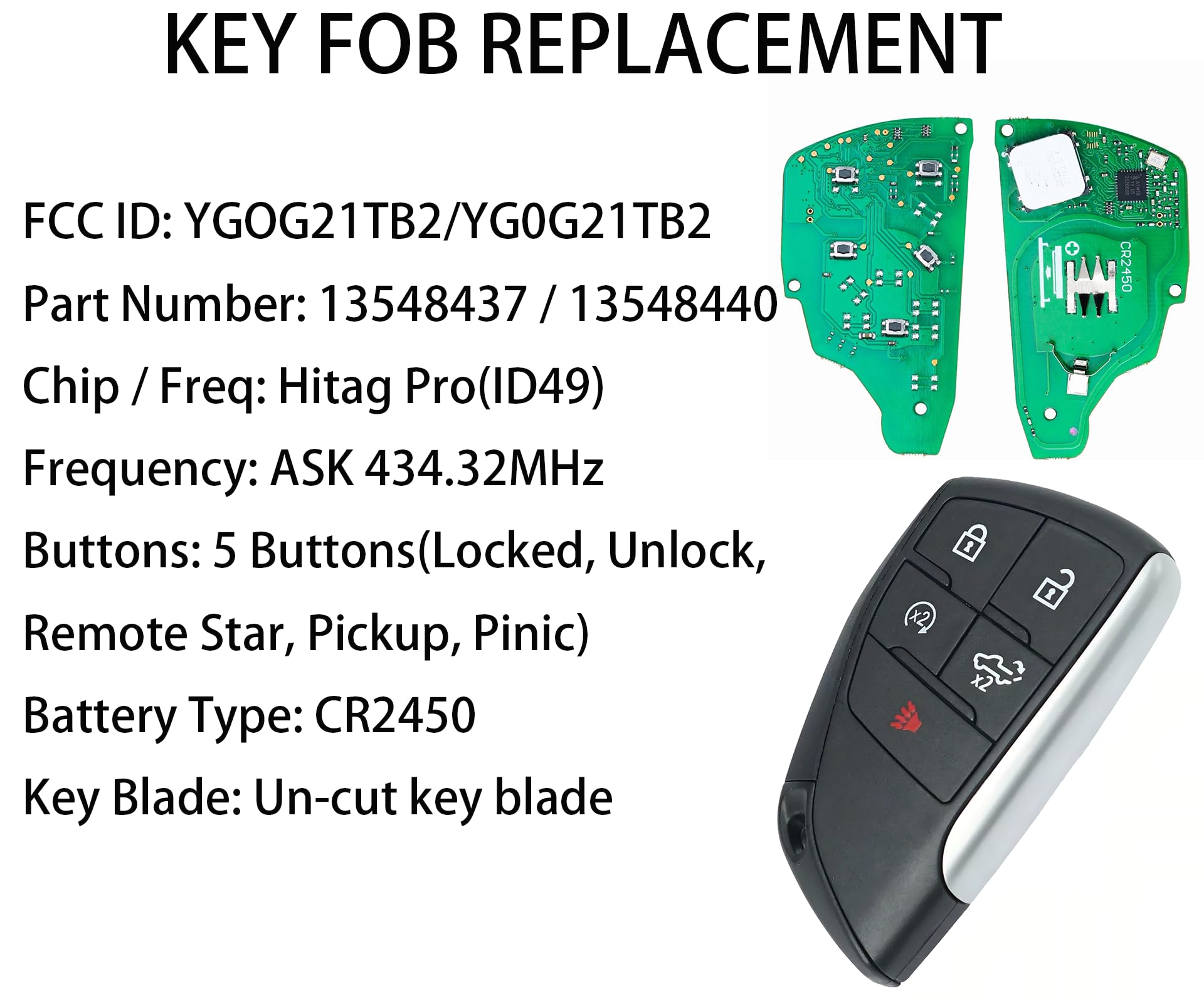
Programming a replacement key for a 2017 Chevrolet Silverado depends on whether you possess an existing working key and whether you are using a standard transponder key or a key fob with remote functions. While older vehicles often allowed independent onboard programming sequences using a combination of ignition turns and door locks, the 2017 model year relies on more advanced theft-deterrent systems (PassLock or equivalent immobilizer technology) that generally require specialized diagnostic equipment, an authorized locksmith, or a dealership trip unless specific onboard ignition programming criteria are met.
Understanding the 2017 Chevrolet Silverado Ignition and Security System
The 2017 Chevrolet Silverado utilizes sophisticated vehicle security architecture integrated into the Body Control Module (BCM) and the Powertrain Control Module (PCM). When you insert a key into the ignition or bring a key fob near the vehicle, the transponder chip inside the key communicates via radio frequency with a transponder amplifier surrounding the ignition cylinder or a remote receiver module.
Transponder Keys vs. Keyless Remote Fobs
It is essential to distinguish between the physical mechanical cut of the key, the integrated transponder chip (which allows the truck to start), and the Remote Keyless Entry (RKE) transmitter (which locks and unlocks the doors remotely).
- Mechanical Blade: Cuts the physical metal to turn the ignition lock cylinder and door locks.
- Transponder Chip (ID48 or similar high-security chip): Must be programmed to the truck’s immobilizer system; otherwise, the engine will crank but will not start, or it will cut fuel supply immediately after starting.
- RKE Transmitter: Controls the lock, unlock, panic, and remote start features. On many General Motors vehicles of this era, programming a new key using an existing working key will automatically program the remote buttons, whereas blank-slate programming (when zero working keys are present) requires diagnostic scan tools to register both the immobilizer and the remote functions.
Prerequisites Before Attempting Key Programming
Before purchasing replacement parts or attempting any programming procedures for your 2017 Silverado, verify the following prerequisites to avoid wasted time and money:
- Verify Key Blank Compatibility: Ensure the replacement key matches the exact blade profile and transponder chip type specified for the 2017 Silverado (typically utilizes a GM high-security laser-cut blade style or standard mechanical blade depending on trim level like WT, LT, or LTZ).
- Check for Existing Working Keys: Determine if you have one working key, two working keys, or zero working keys. This dictates whether you can use onboard programming methods or if you need professional diagnostic programming equipment.
- Battery Voltage Check: Ensure the truck's battery voltage is stable (above 12.2 volts). Low voltage can interrupt electronic handshakes between the BCM and the programming tool, corrupting module memory during the procedure.
- Professional Locksmith or Dealership Contact: Have a backup plan if self-programming or manual onboard methods fail, ensuring you know local automotive locksmith availability and pricing.
Programming Methods for 2017 Silverado Keys
Depending on how many working keys you currently possess, you will fall into one of two primary scenarios for adding a new key to your 2017 Chevrolet Silverado.
Scenario A: You Have Two Working Keys (Onboard Customer Programming)
If you already possess two uniquely programmed, fully functioning keys that currently start the vehicle, General Motors provides an onboard procedure to add a third key without external diagnostic tools.
- Insert the First Working Key: Insert one of your current working keys into the ignition switch and turn it to the ON / RUN position (engine off). Leave it in this position for approximately 5 seconds.
- Turn Off and Remove: Turn the key back to the LOCK / OFF position and remove it from the ignition.
- Insert the Second Working Key: Within 5 seconds of removing the first key, insert the second working key into the ignition. Turn it to the ON / RUN position for approximately 5 seconds.
- Turn Off and Remove: Turn the second key back to LOCK / OFF and remove it.
- Insert the New Unprogrammed Key: Within 5 seconds of removing the second key, insert the new, unprogrammed key into the ignition and turn it to ON / RUN. Leave it in this position until the security light turns off (usually within 10 seconds).
- Test the Key: Turn the ignition off, remove the new key, and test it by attempting to start the engine and operate the remote lock/unlock functions.
Scenario B: You Have Zero or One Working Key (Diagnostic Programming Required)
If you have only one working key, or if you have lost all keys entirely, the onboard customer programming sequence will not work. The truck's BCM requires an authorized programming tool connected to the OBD-II (On-Board Diagnostics) port underneath the driver's side dashboard.
- Automotive Locksmith Services: Many mobile and storefront locksmiths carry advanced computer diagnostic programmers capable of interfacing with 2017 GM security systems. They can cut the blade from the VIN or an existing key and program the transponder chip on-site.
- Dealership Programming: Chevrolet dealerships use the ACDelco TDS (Technical Data Subscription) and GDS2 software to program keys directly to the vehicle's secure database. This option is typically the most expensive but guarantees software compatibility.
- Advanced DIY Scan Tools: Certain high-end, bidirectional automotive diagnostic tablets (such as advanced Autel, Launch, or Topdon units) feature IMMO (immobilizer) programming capabilities. However, these often require a paid manufacturer subscription or an active internet connection to bypass GM security gateways.
Comparison of Key Programming Options
| Programming Method | Requirements | Average Cost | Time Required | Risk Level |
|---|---|---|---|---|
| Onboard Method | 2 working keys + new uncut/cut key | $10 – $30 (Key cost only) | 5 – 10 Minutes | Low (If instructions are followed precisely) |
| Automotive Locksmith | Vehicle present + blank key | $100 – $250 | 20 – 45 Minutes | Low (Handled by a professional) |
| Chevrolet Dealership | Proof of ownership + vehicle | $200 – $400+ | 1 – 2 Hours | Lowest (Official OEM equipment) |
| DIY OBD-II Scan Tool | Professional-grade IMMO tool | $300 – $1,000+ (Tool cost) | 30 – 60 Minutes | Moderate (Risk of module lockout if incorrect) |
Common Mistakes and Troubleshooting
When attempting to program a key for a 2017 Silverado, several common pitfalls can disrupt the process and leave the security system locked out.
- Rushing the Timing Sequences: During the two-key onboard method, exceeding the 5-second window between key swaps will cause the BCM to abort the programming mode. If this happens, you must wait until the security light stops flashing and restart the sequence from the beginning.
- Using Low-Quality Aftermarket Chips: Cheap replacement keys purchased online often contain low-grade transponder chips that fail to communicate reliably with the Silverado’s receiver. Always purchase keys with verified chip types (such as Texas Instruments or Phillips crypto chips designated for GM vehicles).
- Security Lockout Mode: If multiple incorrect programming attempts are made using faulty tools or wrong procedures, the truck's security system may enter a timed lockout mode. During this lockout, the security indicator light remains illuminated, and the vehicle will not accept any programming commands for 10 to 30 minutes while the ignition remains in the ON position.
- Ignition Cylinder Wear: Over time, high-mileage 2017 Silverados can experience internal wear within the mechanical ignition lock cylinder, causing the key not to turn fully to the RUN position, which prevents proper electrical contact for programming.
Frequently Asked Questions
Can I program a 2017 Silverado key fob myself without any working keys?
No. If you have zero working keys, you cannot use the onboard manual programming method. The vehicle's security computer requires a secure handshake via an OBD-II diagnostic tool operated by a locksmith or dealership to clear old keys and register new ones.
What should I do if the security light stays on after programming?
A solid or flashing security light indicates that the transponder chip was not successfully recognized by the immobilizer system. Turn the ignition off, remove the key, wait two minutes, and retry the programming sequence. If it fails again, the key chip may be incompatible or defective.
Do aftermarket key fobs work reliably on a 2017 Silverado?
Yes, many high-quality aftermarket key fobs work well, provided they operate on the correct radio frequency (typically 315 MHz or 433 MHz depending on regional specifications) and feature a compatible transponder chip. However, professional locksmiths often prefer programming OEM keys to avoid configuration errors.
Can a locksmith program a smart key or push-to-start fob for a 2017 Silverado?
Yes. Equipped automotive locksmiths carry specialized programming computers that can program both standard physical ignition keys and push-to-start proximity fobs for properly equipped 2017 Silverado trim levels.
Will programming a new key erase my old missing keys?
When programming a key using the two-key onboard method, existing keys remain programmed in the system. However, if a locksmith or dealer programs a key using diagnostic software (especially when replacing lost keys), they can often perform a "add key" function or a "erase all keys" function for enhanced security if a key was stolen.
Next Steps and Professional Recommendation
If you currently have two working keys, purchasing an unprogrammed blank online and utilizing the onboard manual programming sequence is the most cost-effective approach. If you are starting with zero working keys or your onboard attempt fails due to timing errors or chip incompatibility, contact a certified local automotive locksmith. Providing your Vehicle Identification Number (VIN) ahead of time allows the locksmith to cut the mechanical blade accurately and arrive prepared with the correct diagnostic equipment to program your 2017 Chevrolet Silverado efficiently.