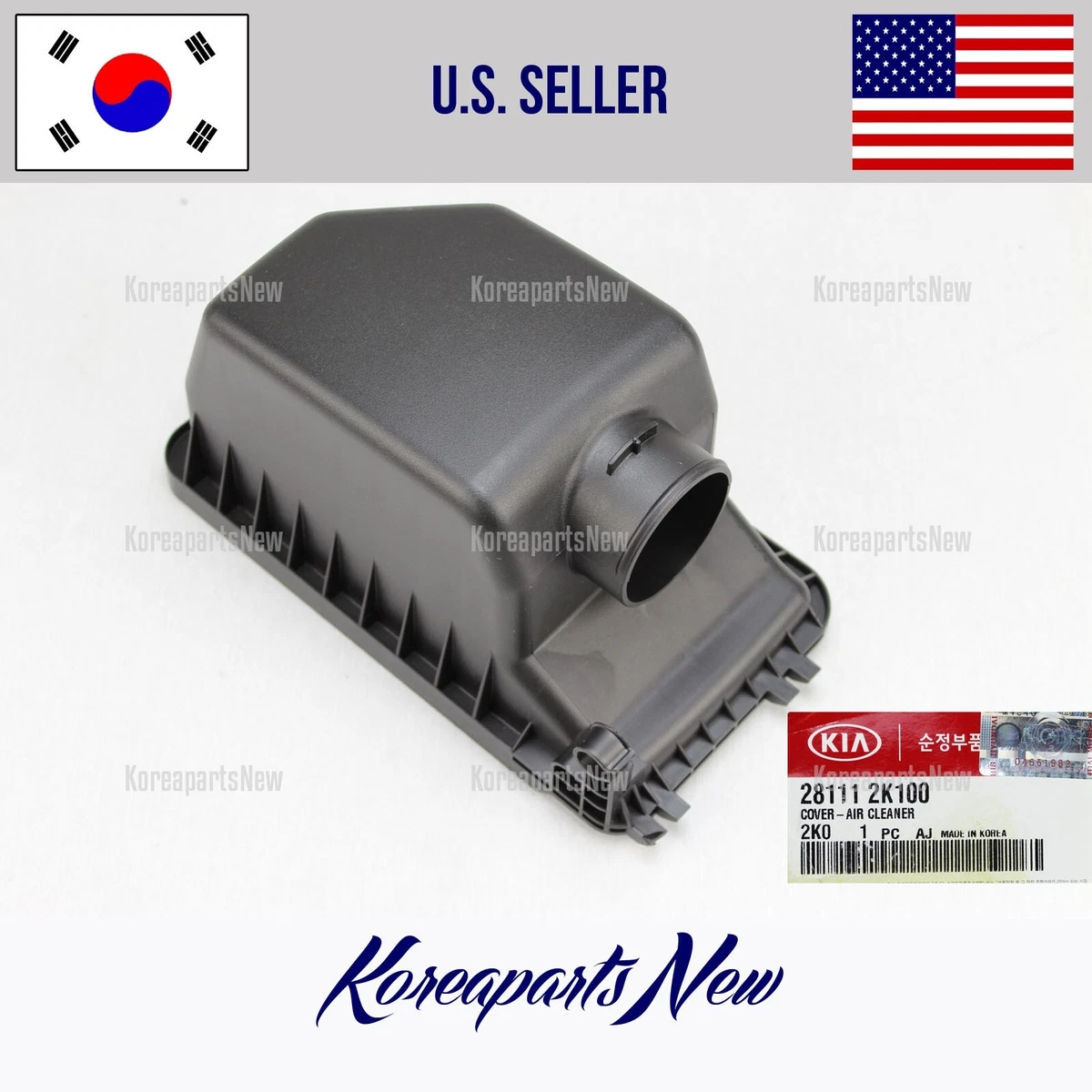
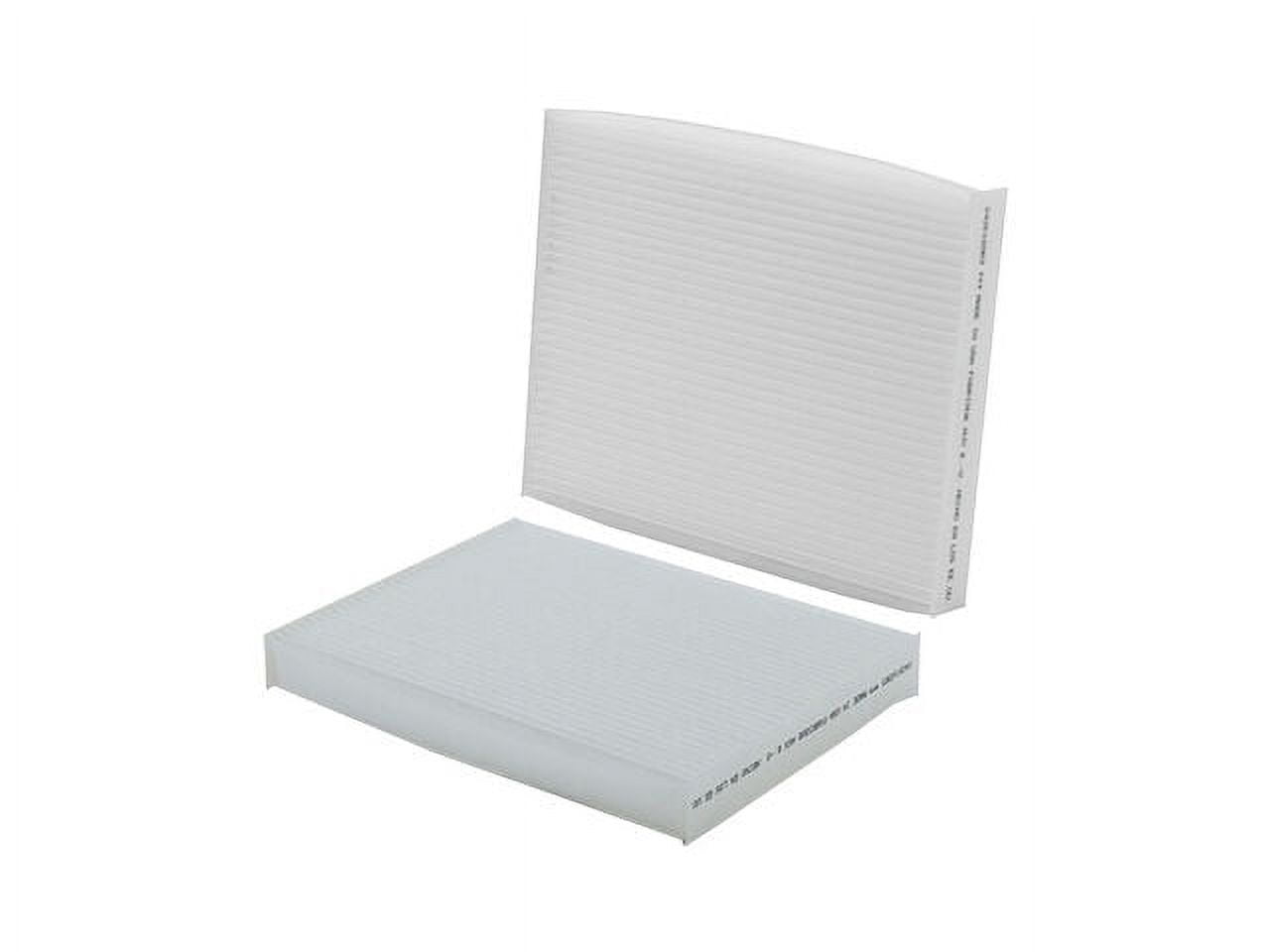
To maintain a 2016 Kia Soul, you must manage two distinct air filters: the engine air filter (typically part number 28113-B2000) and the cabin air filter (typically part number 97133-B2000). Both filters should be inspected every 7,500 to 15,000 miles and replaced at least every 30,000 miles, though dusty environments in 2026 may necessitate more frequent changes to preserve fuel efficiency and interior air quality.
The 2016 Kia Soul, a standout model in the second generation (PS) of Kia’s iconic "box car," relies heavily on clean air for both its mechanical longevity and passenger comfort. Whether you own the 1.6L GDI base engine or the 2.0L GDI found in the Plus (+) and Exclaim (!) trims, the air filtration systems are designed for high efficiency but require consistent owner intervention. As we navigate 2026, many of these vehicles have surpassed the 100,000-mile mark, making the integrity of the filtration housing and the quality of replacement media more critical than ever to avoid costly sensor failures or engine wear.
Understanding the Dual Filtration System
It is a common misconception among new owners that a vehicle has only one "air filter." In reality, the 2016 Kia Soul utilizes two separate systems that serve entirely different purposes. Disambiguating these is the first step in proper vehicle maintenance.
The Engine Air Filter: The Engine’s Lungs
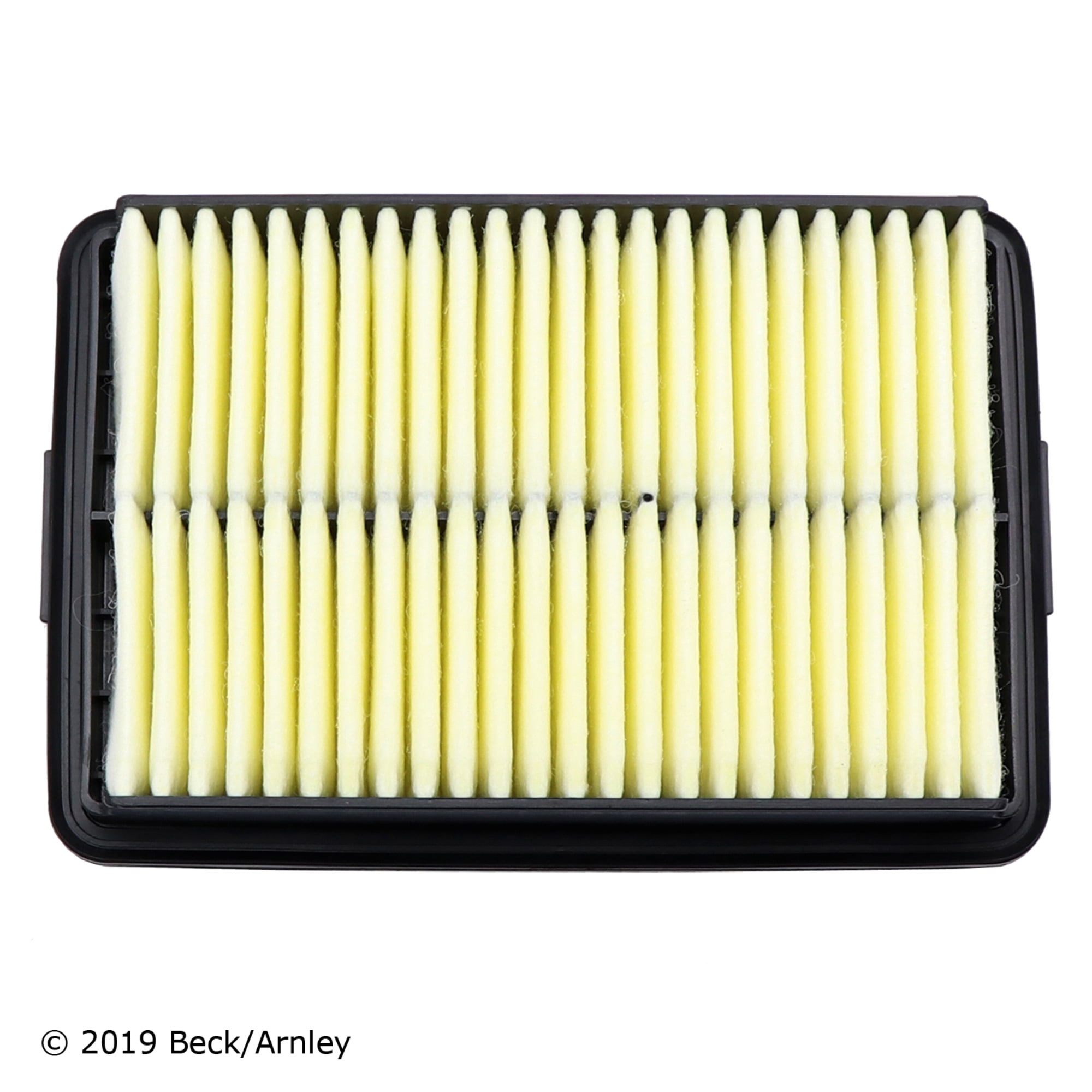
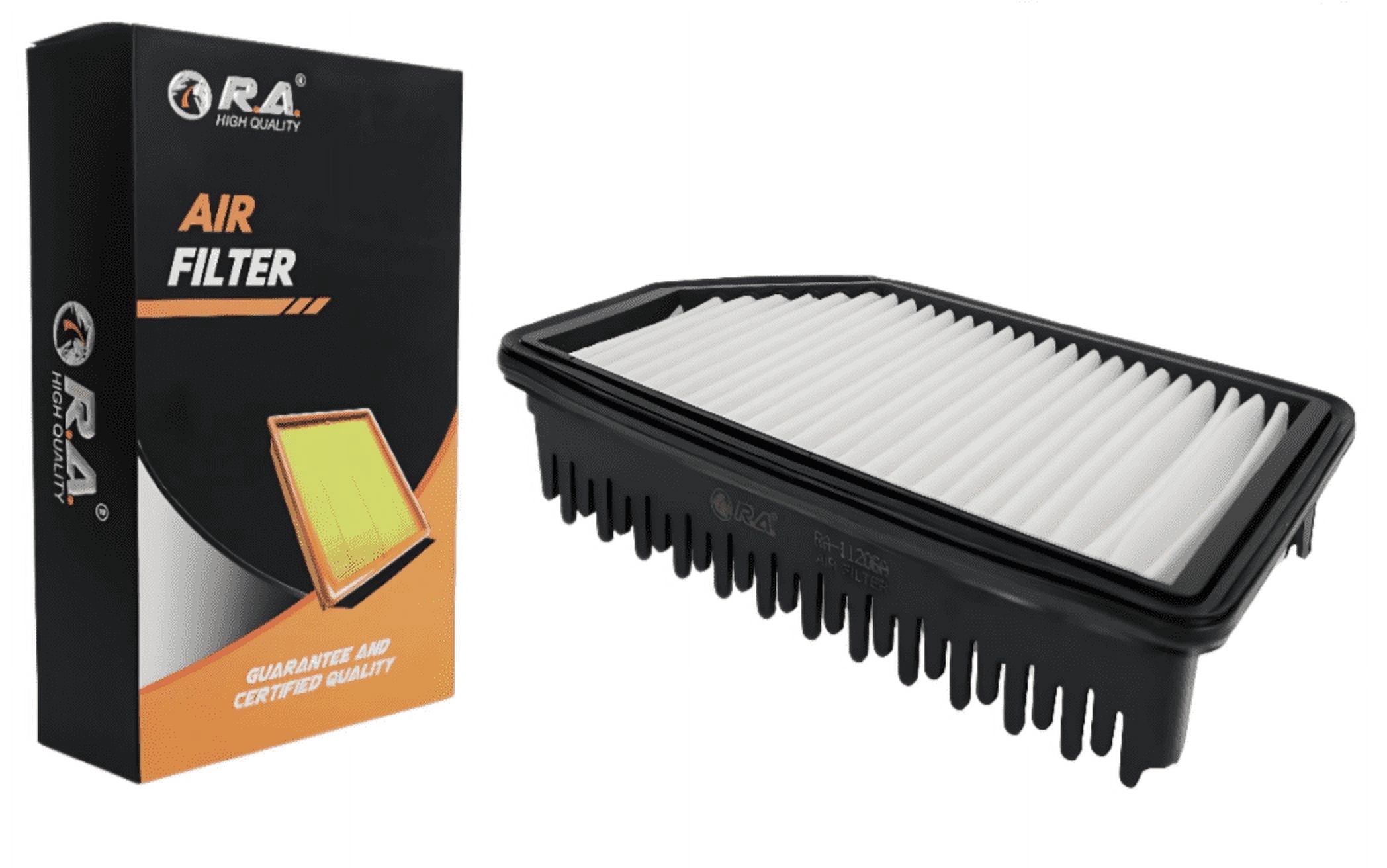
The engine air filter is located under the hood, housed in a black plastic pressurized box on the driver’s side of the engine bay. Its primary role is to prevent particulate matter—dust, pollen, sand, and road debris—from entering the combustion chamber. In a Gasoline Direct Injection (GDI) engine like those in the 2016 Soul, clean air is vital. If particulates bypass the filter, they can score cylinder walls, foul spark plugs, and lead to premature wear of the piston rings. Furthermore, a clogged filter restricts airflow, forcing the engine to work harder and potentially skewing the air-fuel ratio, which reduces miles per gallon (MPG).
The Cabin Air Filter: Environmental Protection
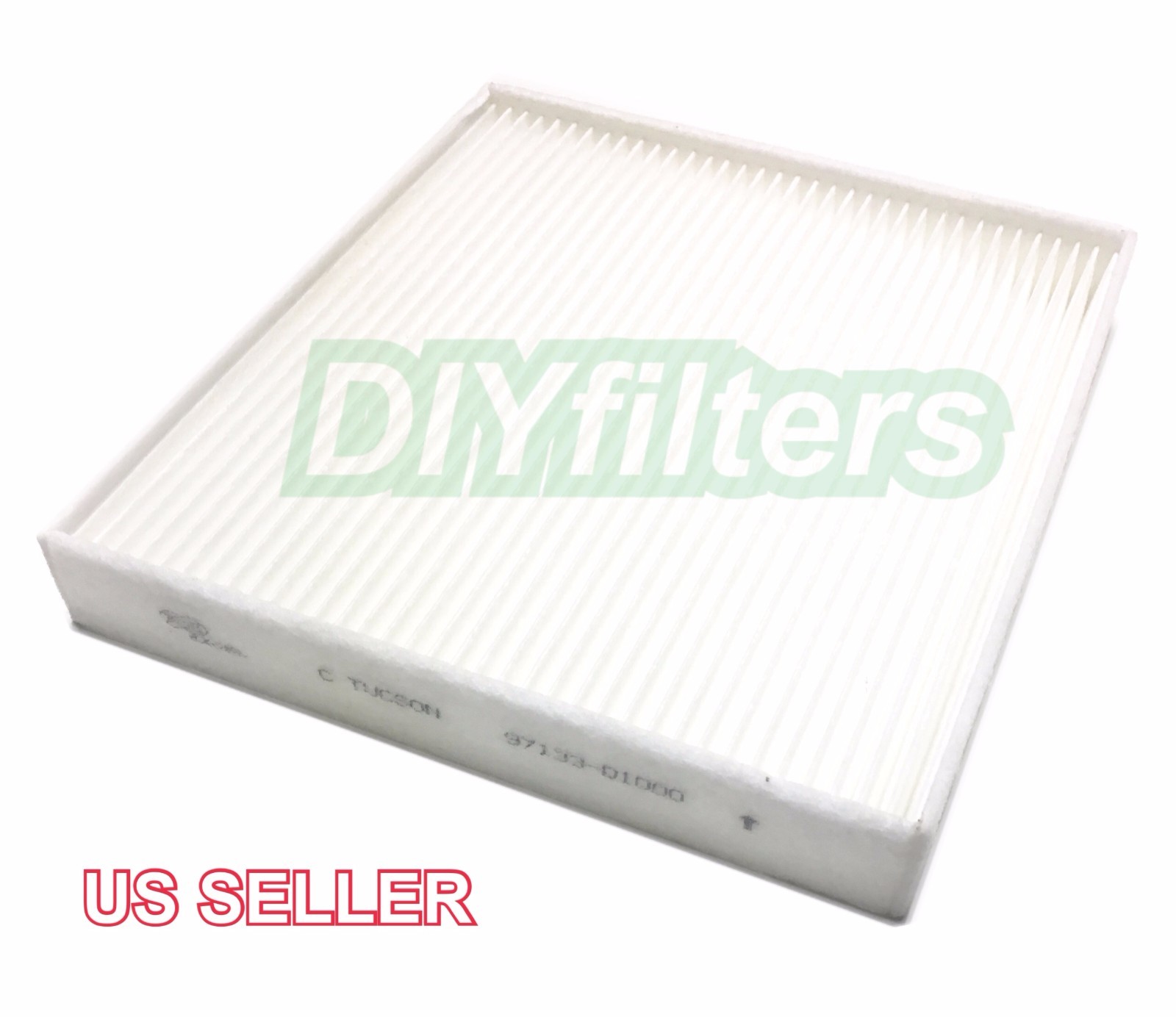
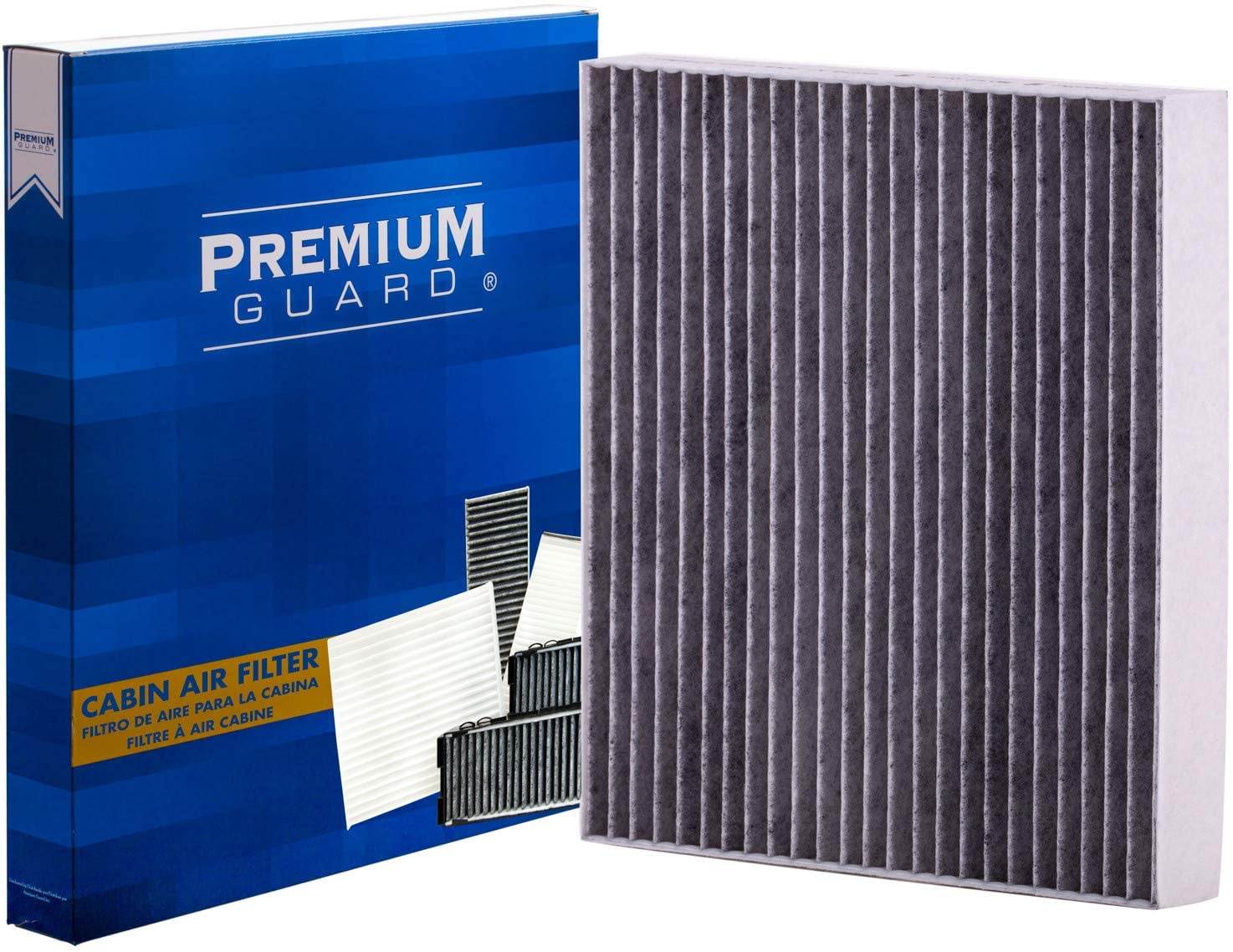
The cabin air filter, often referred to as the "dust and pollen filter," is located behind the glove compartment. This filter does not affect the engine’s performance; instead, it treats the air you breathe. It scrubs the air coming through the HVAC (Heating, Ventilation, and Air Conditioning) system. For drivers in 2026 dealing with urban smog or seasonal allergens, a high-quality HEPA or carbon-activated cabin filter is essential for preventing respiratory irritation and keeping the interior of the Soul free of "musty" odors caused by mold growth on the AC evaporator.
Technical Specifications and Part Identification
Identifying the correct part for a 2016 Kia Soul is straightforward, but you must be aware of the different trim levels. While the engine filters are largely interchangeable across the 1.6L and 2.0L variants for this specific year, checking the OEM (Original Equipment Manufacturer) specifications ensures a perfect seal.
| Filter Type | OEM Part Number | Common Aftermarket Equivalent | Primary Function |
|---|---|---|---|
| Engine Air Filter | 28113-B2000 | Fram CA11442, Wix 49021 | Protects engine combustion chamber |
| Cabin Air Filter | 97133-B2000 | Bosch 6056C, TYC 800158P | Purifies interior passenger air |
| High Performance | N/A | K&N 33-3015 (Engine Only) | Increased airflow/reusable media |
Material Composition
Most standard filters for the 2016 Kia Soul use a pleated paper (cellulose) media. The pleats increase the surface area of the filter, allowing it to trap more dirt without significantly "choking" the airflow. High-end aftermarket cabin filters may include a layer of activated carbon, which is chemically treated to neutralize odors and gases like nitrogen dioxide or ozone.
Step-by-Step: Replacing the Engine Air Filter
The 2016 Kia Soul is lauded by DIY mechanics for its tool-free engine air filter design. You do not need a wrench or screwdriver to complete this task, making it one of the easiest maintenance items to perform at home.
- Preparation: Ensure the vehicle is parked on a level surface and the engine is turned off and cool to the touch. Pop the hood using the release lever inside the cabin (lower left dash) and secure it with the prop rod.
- Locate the Air Box: Look to the right of the engine (driver's side). You will see a large black plastic rectangular box connected to a thick rubber intake hose.
- Release the Clips: There are two metal tension clips on the side of the box. Flip these clips outward and downward. They will snap open, releasing the tension on the lid.
- Access the Filter: Gently lift the top of the air box cover. You do not need to disconnect the intake hose; there is usually enough flexibility to lift the lid 3-4 inches.
- Remove and Inspect: Pull the old filter out. Hold it up to a bright light. If you cannot see light through the pleats, or if there is visible debris like leaves or insects, it must be replaced.
- Clean the Housing: Before inserting the new filter, use a damp cloth or a vacuum to remove any loose sand or debris from the bottom of the air box. This prevents immediate contamination of the new filter.
- Installation: Insert the new filter (28113-B2000). It is keyed to fit only one way; ensure the rubber gasket around the edge of the filter sits flush in the groove.
- Seal the Box: Lower the lid and re-engage the metal clips. You should hear a distinct "snap" as they lock back into place.
Step-by-Step: Replacing the Cabin Air Filter
The cabin air filter is slightly more hidden but equally accessible. This process involves "dropping" the glovebox to reach the HVAC intake.
- Empty the Glovebox: Remove all items from the glove compartment to prevent them from falling out.
- Remove the Stoppers: Open the glovebox. On the left and right interior walls, you will see circular plastic stoppers. Rotate these counter-clockwise about 90 degrees and pull them out.
- Unhook the Dampener: On the outer right side of the glovebox, there is a small plastic arm (the dampener) that allows the box to open smoothly. Pull this arm outward away from the pin it sits on. The glovebox will now hang down toward the floorboard.
- Open the Filter Door: Behind the glovebox area, you will see a long, narrow plastic strip. This is the filter access door. Squeeze the tabs on the right side of this door and pull it toward you.
- Swap Filters: Slide the old cabin filter out. Note the airflow arrow printed on the side of the filter. Usually, the arrow should point downward on the 2016 Kia Soul.
- Reassemble: Slide the new filter in, snap the access door back on, reattach the dampener arm, and screw the stoppers back into place by turning them clockwise.
The Importance of Maintenance Intervals in 2026
In 2026, the average 2016 Kia Soul is a "mature" vehicle. Maintenance intervals that were once suggestions are now mandatory for vehicle survival. Standard manufacturer guidelines suggest a change every 30,000 miles, but this does not account for modern environmental stressors.
Severe Driving Conditions
If you operate your Soul in any of the following conditions, you should halve your replacement interval (every 15,000 miles):
- Urban Environments: High levels of soot and brake dust from heavy traffic.
- Arid Regions: Excessive sand and fine dust that can quickly saturate paper media.
- High Humidity: Moisture can cause paper filters to "blind" or clog more quickly, and it encourages mold growth in cabin filters.
Impact on Fuel Economy and Performance
A severely restricted engine air filter can reduce fuel economy by up to 10% in older vehicles, though modern GDI engines like the Soul's are better at compensating by adjusting timing. However, the "hidden cost" is the strain on the fuel system and the potential for a "rich" running condition that can damage the catalytic converter—a repair that costs significantly more than a $20 air filter.
Comparison: OEM vs. Aftermarket Filters
When shopping for a 2016 Kia Soul air filter, you will encounter three main categories of products:
1. Genuine Kia OEM Filters
These are the exact parts used by the factory. They offer the most reliable fitment and are guaranteed to meet the micron-rating requirements of the GDI engine. In 2026, these are still readily available at dealerships or through authorized online portals like Kia Parts Now.
2. Standard Aftermarket (Disposable)
Brands like Fram, Wix, and Purolator offer excellent alternatives. These are often cheaper than OEM and can be found at any local auto parts store. The "Wix 49021" is particularly well-regarded for the 2016 Soul due to its high pleat count and sturdy gasket.
3. High-Performance Reusable Filters
K&N is the leader in this space. These filters use oiled cotton gauze instead of paper. While they allow for higher airflow—which can slightly improve throttle response—they require a cleaning and re-oiling kit every 50,000 miles. Some owners prefer the "buy it once" nature of these filters, though they require more maintenance effort.
Troubleshooting Common Issues
Musty Smell in the Cabin: If you replace the cabin filter and still notice a foul odor when the AC is on, the evaporator core may have bacterial growth. Use an automotive HVAC foaming cleanser through the drain tube to resolve this.
Reduced Power or Hesitation: If the engine feels sluggish during acceleration, check the engine air filter first. A filter clogged with a plastic bag or excessive leaves can starve the engine of oxygen, causing the ECU to pull timing and reduce power.
Check Engine Light (P0171/P0172): While rare from a filter alone, an improperly seated air filter box can allow "unmetered" air to enter the system, confusing the Manifold Absolute Pressure (MAP) sensor and triggering a lean or rich code. Always ensure the air box clips are fully engaged.
Frequently Asked Questions
Does the 2016 Kia Soul 1.6L use the same filter as the 2.0L?
Yes, for the 2016 model year, both the 1.6L GDI and the 2.0L GDI engines utilize the same air filter housing and the same part number (28113-B2000). This simplifies part sourcing for Soul owners regardless of their trim level.
Can I just blow out my old air filter with compressed air?
While this might remove large debris like leaves, it is not a recommended long-term solution. Compressed air can create microscopic tears in the paper media or drive fine dust deeper into the fibers, actually reducing the filter's effectiveness. Given the low cost of a new filter, replacement is always the safer option.
How do I know which way the cabin filter arrow should point?
For the 2016 Kia Soul, the air flows from the top down through the HVAC unit. Therefore, the "Air Flow" arrow on your new cabin filter should be pointing toward the floor of the car. If the filter is installed upside down, it may be less efficient and could cause more noise from the blower motor.
Will an aftermarket air filter void my Kia warranty?
No. Under the Magnuson-Moss Warranty Act, a manufacturer cannot void your warranty simply because you used an aftermarket part, provided the part is functionally equivalent to the OEM spec. However, if an improperly installed filter causes direct damage (e.g., a reusable filter’s oil fouling a sensor), that specific repair may not be covered.
How often should I check the filters if I live in a city with high pollution?
In high-pollution urban areas, it is wise to inspect both filters every 5,000 to 7,500 miles (essentially at every oil change). Cabin filters in particular can become grey and clogged with soot much faster in stop-and-go city traffic.
Final Recommendation
For the 2016 Kia Soul, the most cost-effective and beneficial maintenance routine is to replace both air filters annually or every 15,000 miles, whichever comes first. Opt for a Genuine Kia Engine Filter to ensure the best protection for your GDI engine, and consider an Activated Carbon Cabin Filter (such as the Bosch HEPA series) to maximize the air quality inside the vehicle. These simple, tool-free tasks are the most effective way to protect your engine's health and your own respiratory comfort as the vehicle continues to age.