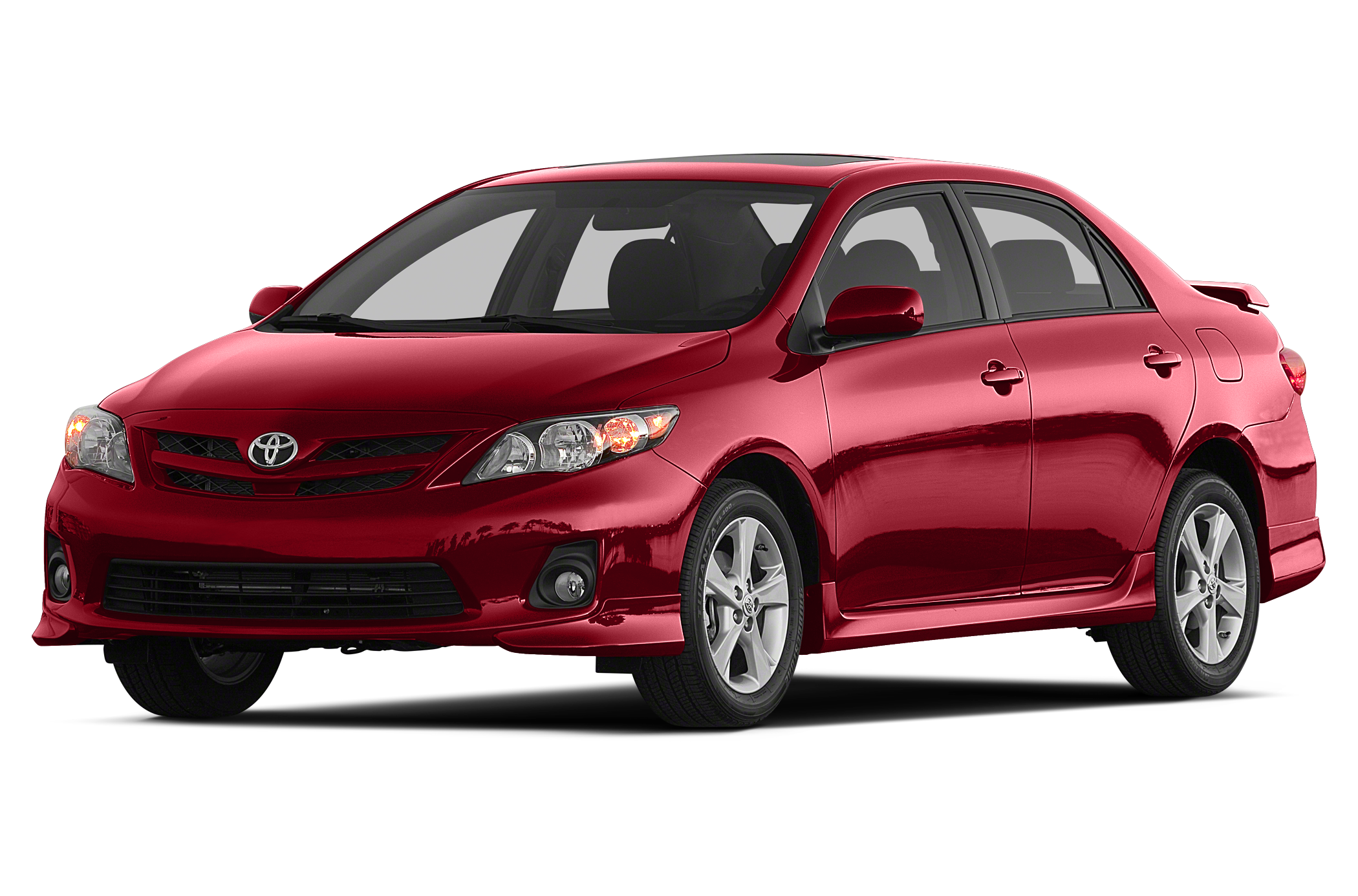
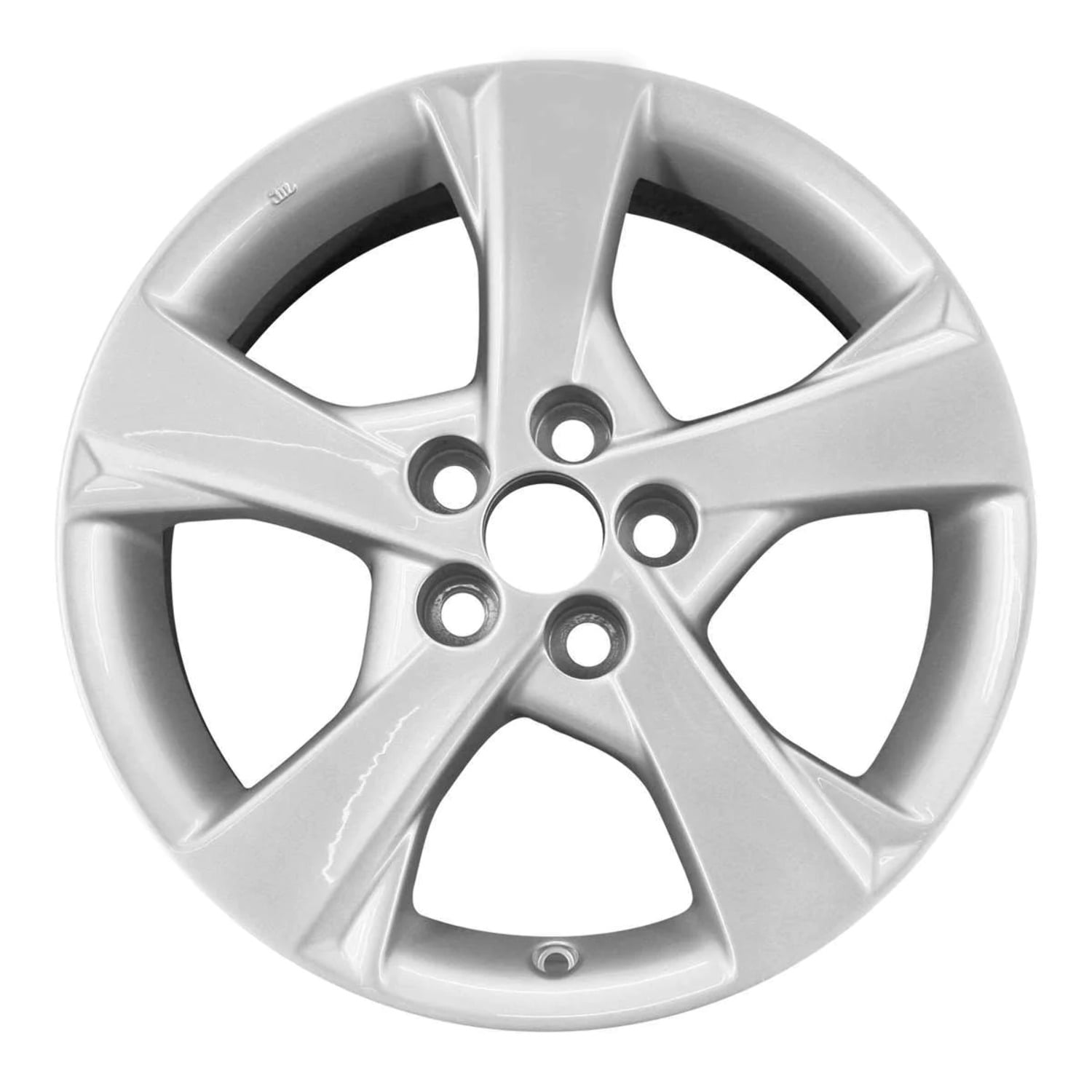
The 2013 Toyota Corolla features a 5x100 mm bolt pattern, a 54.1 mm center bore, and M12 x 1.5 wheel studs requiring 76 lb-ft (103 Nm) of torque. Factory wheel sizes range from 15x6.0 inches to 17x7.0 inches with positive offsets between +39 mm and +45 mm, paired with 195/65R15, 205/55R16, or 215/45R17 tires.
2013 Toyota Corolla Wheel and Tire Specifications at a Glance
The tenth-generation Toyota Corolla (chassis code E140/E150) was manufactured with distinct factory configurations depending on the trim package (L, LE, or S). The following reference table outlines the original equipment manufacturer (OEM) technical standards for each trim level.
| Trim Level | OEM Wheel Size | Wheel Material | Offset (ET) | Bolt Pattern (PCD) | Center Bore | OEM Tire Size | Cold Inflation Pressure |
|---|---|---|---|---|---|---|---|
| Corolla L | 15 x 6.0 J | Stamped Steel | +39 mm | 5x100 mm | 54.1 mm | 195/65R15 | 32 PSI (2.2 bar) |
| Corolla LE | 16 x 6.5 J | Steel or Cast Alloy | +39 mm to +45 mm | 5x100 mm | 54.1 mm | 205/55R16 | 32 PSI (2.2 bar) |
| Corolla S | 16 x 6.5 J | Machined Alloy | +39 mm | 5x100 mm | 54.1 mm | 205/55R16 | 32 PSI (2.2 bar) |
| Corolla S (Opt.) | 17 x 7.0 J | Cast Alloy | +45 mm | 5x100 mm | 54.1 mm | 215/45R17 | 32 PSI (2.2 bar) |
| Spare (All) | 16 x 4.0 T | Stamped Steel | +40 mm | 5x100 mm | 54.1 mm | T135/80D16 | 60 PSI (4.2 bar) |
Fastener Specifications and Hub Geometry
Understanding wheel fitment requires knowing the structural mounting parameters of the vehicle hub assembly. Replacing or servicing wheels on a 2013 Corolla requires adherence to four fixed structural dimensions: Pitch Circle Diameter (PCD), hub center bore, fastener thread engagement, and clamping torque.
Bolt Pattern (Pitch Circle Diameter)
The 2013 Toyota Corolla utilizes a 5x100 mm bolt pattern (also designated as 5x3.94 inches). This means the hub has five lug studs arranged equidistant from one another along an imaginary circle with a 100-millimeter diameter.
Many larger Toyota passenger vehicles—such as the Camry, RAV4, and Avalon—rely on a 5x114.3 mm (5x4.5 inch) bolt pattern. Consequently, factory wheels from a Camry or RAV4 will not bolt directly onto a 2013 Corolla without hub adapters. Using wheel adapters to change bolt patterns is generally discouraged for daily street driving because adapters alter wheel offset, increase strain on wheel bearings, and introduce secondary failure points.
Center Bore and Hub-Centric Fitment
The center bore of the 2013 Corolla measures precisely 54.1 millimeters. The vehicle employs a hub-centric design, meaning the machined lip projecting from the center of the wheel hub physically supports the center bore of the wheel. This metal-to-metal interface bears the vehicle's dynamic road loads and centers the wheel assembly perfectly on the axle axis.
If installing aftermarket wheels, the wheel's center bore is frequently larger (such as 73.1 mm) to allow universal fitment across multiple vehicle brands. In this scenario, hub-centric rings (sizing 73.1 mm to 54.1 mm) must be placed inside the wheel bore before mounting. Operating aftermarket wheels without hub-centric rings forces the lug studs to bear both shear weight and radial centering, leading to persistent steering-wheel vibrations at highway speeds (55–70 mph) and potential stud failure.
Lug Nut Threads, Seat Styles, and Socket Size
- Thread Dimensions: M12 x 1.5 (metric 12 mm nominal diameter with a 1.5 mm thread pitch).
- Hex Head Size: 21 mm (13/16 inch socket).
- OEM Fastener Types:
- Factory Alloy Wheels: Require a Mag-Style lug nut with an attached flat washer. The barrel shank slides into the wheel's lug opening, while the flat washer distributes clamping force against the aluminum face.
- Factory Steel Wheels: Utilize an open-ended or closed 60-degree conical (acorn) seat nut, which centers against the stamped indentations in the steel wheel face.
Using conical aftermarket lug nuts on OEM Toyota alloy wheels—or using factory flat-washer mag nuts on aftermarket wheels requiring a 60-degree conical seat—is hazardous. An incorrect seat style creates improper seating contact, leading to loose lug nuts, damaged wheel bolt holes, or detached wheels during operation.
Torque Specifications and Tightening Pattern
The factory wheel lug torque specification for the 2013 Toyota Corolla is 76 lb-ft (103 Nm).
To ensure flat, undistorted mating against the brake rotor and hub face:
- Thread all five lug nuts by hand first to prevent cross-threading.
- Snug the nuts lightly while the vehicle is raised.
- Lower the vehicle until the tires touch the ground enough to resist spinning.
- Use a calibrated click-type mechanical torque wrench set to 76 lb-ft.
- Tighten the lugs in a five-point star sequence (1-3-5-2-4) to evenly distribute the clamping force across the brake rotor surface.
Over-torquing with an pneumatic impact gun can warp the front brake rotors, gall the wheel stud threads, or stretch the studs past their yield point. Conversely, under-torquing can lead to backing off of the fasteners. Recheck and re-torque the lug nuts after 50 to 100 miles following any wheel removal.
Trim Level Wheel and Tire Breakdowns
Toyota equipped the 2013 Corolla with wheel packages tailored to the intended market segment of each trim level.
Corolla L (Base Model)
The entry-level Corolla L prioritizes ride compliance, durability, and cost-effective tire replacement.
- Wheel Dimensions: 15 x 6.0 J
- Wheel Type: Stamped steel wheel with full 7-spoke plastic wheel cover
- Offset: +39 mm
- Tire Size: P195/65R15 89H
- Practical Dynamic: The tall tire sidewall (approximately 5.0 inches of rubber) provides superior shock absorption against potholes, roadway seams, and rough pavement. Replacement tires in the 195/65R15 dimension remain among the most affordable and widely manufactured consumer sizes.
Corolla LE
The mid-tier LE trim balances utility with enhanced exterior styling and modest cornering stability.
- Wheel Dimensions: 16 x 6.5 J
- Wheel Type: Stamped steel with 5-tri-spoke composite covers, or an optional 5-split-spoke painted cast alloy wheel
- Offset: +39 mm (steel) to +45 mm (alloy)
- Tire Size: P205/55R16 89H
- Practical Dynamic: The 16-inch wheel setup lowers the tire aspect ratio, firming up steering response during lane changes without creating excessive cabin road noise or ride harshness.
Corolla S
The Corolla S represents the sport-styled package within the tenth-generation lineup.
- Standard Wheel Dimensions: 16 x 6.5 J twin-spoke alloy wheels (+39 mm offset) with P205/55R16 tires.
- Optional Wheel Package: 17 x 7.0 J dark-accented cast alloy wheels (+45 mm offset) paired with lower-profile P215/45R17 87W high-performance all-season tires.
- Practical Dynamic: The 17-inch setup reduces sidewall deflection during high lateral G-forces, sharpening turn-in precision. However, the thinner sidewall increases the wheel's vulnerability to pothole damage and transfers slightly more road vibration into the passenger cabin.
Wheel Offset (ET) and Scrub Radius Explained
Wheel offset—stamped on the inner barrel or spokes as "ET" (from the German Einpresstiefe)—defines the distance in millimeters between the hub-mounting surface and the true centerline of the wheel width.
Outer Edge Centerline Inner Edge | | | | Positive | | | Offset (+) | | |<-------------------------->| | | [Hub Mount] | |
The 2013 Corolla's OEM Offset Range (+39 to +45 mm)
Every factory 2013 Corolla wheel has a positive offset. This places the mounting plate toward the outside (street-facing side) of the wheel barrel, tucking the tire cleanly underneath the inner wheel well and fender liner.
- On factory 6.0-inch and 6.5-inch wide rims, an offset of +39 mm positions the assembly precisely inside the front MacPherson strut tower and rear semi-independent torsion beam suspension.
- On the optional 7.0-inch wide sport rims, the offset increases to +45 mm, pulling the wheel face slightly inward to keep the wider outer tire shoulder safely clear of the outer sheet-metal fender lip.
Consequences of Deviating from Factory Offset
- Offset Below +35 mm (Too Low / Pushed Outward): An aggressive negative shift pushes the wheels outward toward the edge of the fender. While this creates a wider track, offsets under +35 mm alter the vehicle’s scrub radius, making steering heavier, increasing tramlining (following roadway ruts), and risking tire contact with the plastic fender liner on full-lock steering turns.
- Offset Above +45 mm (Too High / Pulled Inward): An offset greater than +45 mm moves the inner rim flange and tire sidewall closer to the front MacPherson strut housing, brake lines, and steering tie rods, risking mechanical rubbing under full suspension compression.
Upgrading Wheels: Plus-Sizing Limits and Aftermarket Criteria
Vehicle owners upgrading from stock steel wheels or installing summer wheel sets must maintain overall tire rolling diameter. Significant changes to rolling diameter will alter speedometer readings, confuse the transmission shift logic, and disrupt the Anti-lock Braking System (ABS) and Vehicle Stability Control (VSC).
The overall rolling diameter of standard 2013 Corolla tire packages sits between 24.9 inches and 25.0 inches (632 mm to 635 mm). When "plus-sizing" to larger diameter wheels, sidewall height must decrease proportionally to keep total tire diameter within 1.5% of factory spec.
Proven Plus-Sizing Configurations
| Plus Sizing Step | Wheel Specifications | Optimal Tire Dimension | Diameter Variance |
|---|---|---|---|
| Stock (Baseline) | 15 x 6.0 ET39 | 195/65R15 | 0.0% (25.0 in / 635 mm) |
| Plus 1 Upgrade | 16 x 6.5 or 16 x 7.0 ET40 | 205/55R16 | -0.4% (24.9 in / 632 mm) |
| Plus 2 Upgrade | 17 x 7.0 or 17 x 7.5 ET42 | 215/45R17 | -1.2% (24.7 in / 627 mm) |
| Plus 2 Alternative | 17 x 7.0 or 17 x 7.5 ET40 | 225/45R17 | +0.4% (25.1 in / 638 mm) |
| Plus 3 Upgrade | 18 x 7.5 ET40 to ET42 | 225/40R18 | +0.4% (25.1 in / 637 mm) |
Fitment Thresholds for the 2013 Corolla Platform
- Maximum Practical Rim Width: 8.0 inches. Widths exceeding 8.0 inches require precise offset calculations (+35 to +38 mm) and may rub against the inner plastic liners on full-lock turns.
- Maximum Wheel Diameter: 18 inches. While 19-inch wheels can physically mount if equipped with ultra-low-profile 225/35R19 tires, the exceptionally thin sidewalls (around 3.1 inches) result in a brittle ride, poor rim protection against road hazards, and accelerated shock-absorber wear.
- Suspension Clearance: If lowering springs or coilovers are fitted, an offset of +38 to +42 mm on a 7.5-inch wide wheel is the safest configuration to avoid rubbing both the inner suspension strut bodies and outer sheet metal.
Tire Pressure Monitoring System (TPMS) Considerations
The 2013 Toyota Corolla is equipped with a direct Tire Pressure Monitoring System. Each factory wheel (excluding the compact temporary spare) contains an internal valve-stem-mounted TPMS sensor transmitting radio frequency data on the 315 MHz band.
Preserving or Transferring Sensors
- Reusing Factory Sensors: If transferring OEM sensors from old wheels to replacement rims, technicians must install a new TPMS service rebuild kit (including fresh rubber grommets, retaining nuts, valve cores, and valve caps) to prevent slow pressure leaks at the stem.
- Installing New Sensors: If building a dedicated winter or second wheel set, install four new aftermarket 315 MHz sensors pre-programmed for tenth-generation Toyota protocols.
The In-Cabin TPMS Initialization Button
The 2013 Corolla includes a TPMS reset button mounted below the steering column on the lower dashboard panel. This button is designed for pressure baseline initialization, not sensor registration:
- Adjust all four cold tires to the specified placard pressure (typically 32 PSI).
- Switch the ignition key to the "ON" position (engine off).
- Press and hold the TPMS reset button until the low tire pressure dashboard light blinks slowly three times.
- Leave the ignition ON for several minutes to allow the Electronic Control Unit (ECU) to store the baseline.
Important Note: If entirely new sensors with new electronic serial IDs are installed, the Corolla ECU must be programmed with the four new sensor identification codes using a bi-directional scan tool or specialized tire pressure tool via the OBD-II diagnostic port. The under-dash button cannot independently read or learn new electronic IDs.
Common Wheel Servicing Mistakes to Avoid
Servicing wheels on a 2013 Corolla is straightforward, but improper practices can lead to component failure, uneven wear, or structural damage.
- Mixing Mag Washers and Conical Seats: Using OEM Toyota mag-style washer lugs on an aftermarket wheel with a conical seat leads to insufficient contact surface. The washer will distort, the wheel will not clamp centered, and the lugs will quickly loosen during transit.
- Using Lubricants on Wheel Studs: Applying motor oil, anti-seize, or grease to the M12 x 1.5 wheel studs alters the friction coefficient. Tightening a lubricated fastener to 76 lb-ft can increase clamping force by 20% to 40% beyond engineered limits, stretching the steel studs past their yield point and causing bolt shear. Wheel studs must always be torqued clean and dry.
- Forgetting Hub Centricity on Aftermarket Rims: Installing wheels with a 67.1 mm, 72.6 mm, or 73.1 mm center bore without 54.1 mm aluminum or polycarbonate hub-centric rings will cause persistent steering wheel shimmy between 60 and 70 mph, regardless of tire balance.
- Over-Torquing with Air Guns: Unregulated pneumatic tools easily output over 150 lb-ft of torque. On the 2013 Corolla, this distorts the relatively thin front vented brake rotors, resulting in brake pedal pulsation under deceleration within a few thousand miles.
Frequently Asked Questions
Can I install wheels from a newer 2014–2019 Toyota Corolla?
Yes. The 2014 through 2019 Corolla (eleventh generation) shares the identical 5x100 mm bolt pattern, 54.1 mm center bore, and M12 x 1.5 thread pitch. Factory 15, 16, and 17-inch wheels from this subsequent generation bolt directly onto the 2013 model without modification, maintaining identical clearance and offset compatibility.
Will wheels from a Toyota Camry fit a 2013 Corolla?
No. Almost all Toyota Camry models feature a 5x114.3 mm (5x4.5 inch) bolt pattern, which does not match the Corolla’s smaller 5x100 mm pattern. They cannot be bolted up without using bolt-on hub adapters, which are not recommended for everyday driving.
What is the compact spare tire size and pressure for a 2013 Corolla?
The OEM temporary spare tire is size T135/80D16 mounted on a 16x4.0-inch steel wheel. It must be inflated to 60 PSI (4.2 bar). This emergency spare has a maximum speed rating of 50 mph (80 km/h) and is designed solely for short-distance transport to a repair facility.
Why do my aftermarket wheels vibrate after balancing?
If the tires have been road-force balanced and the suspension components are in good condition, the issue is almost always a center bore mismatch. If the aftermarket wheel’s center bore is larger than 54.1 mm and installed without hub-centric adapter rings, the wheel is resting eccentrically on the studs rather than on the center axle hub.
Does the 2013 Corolla utilize wheel bolts or wheel studs with lug nuts?
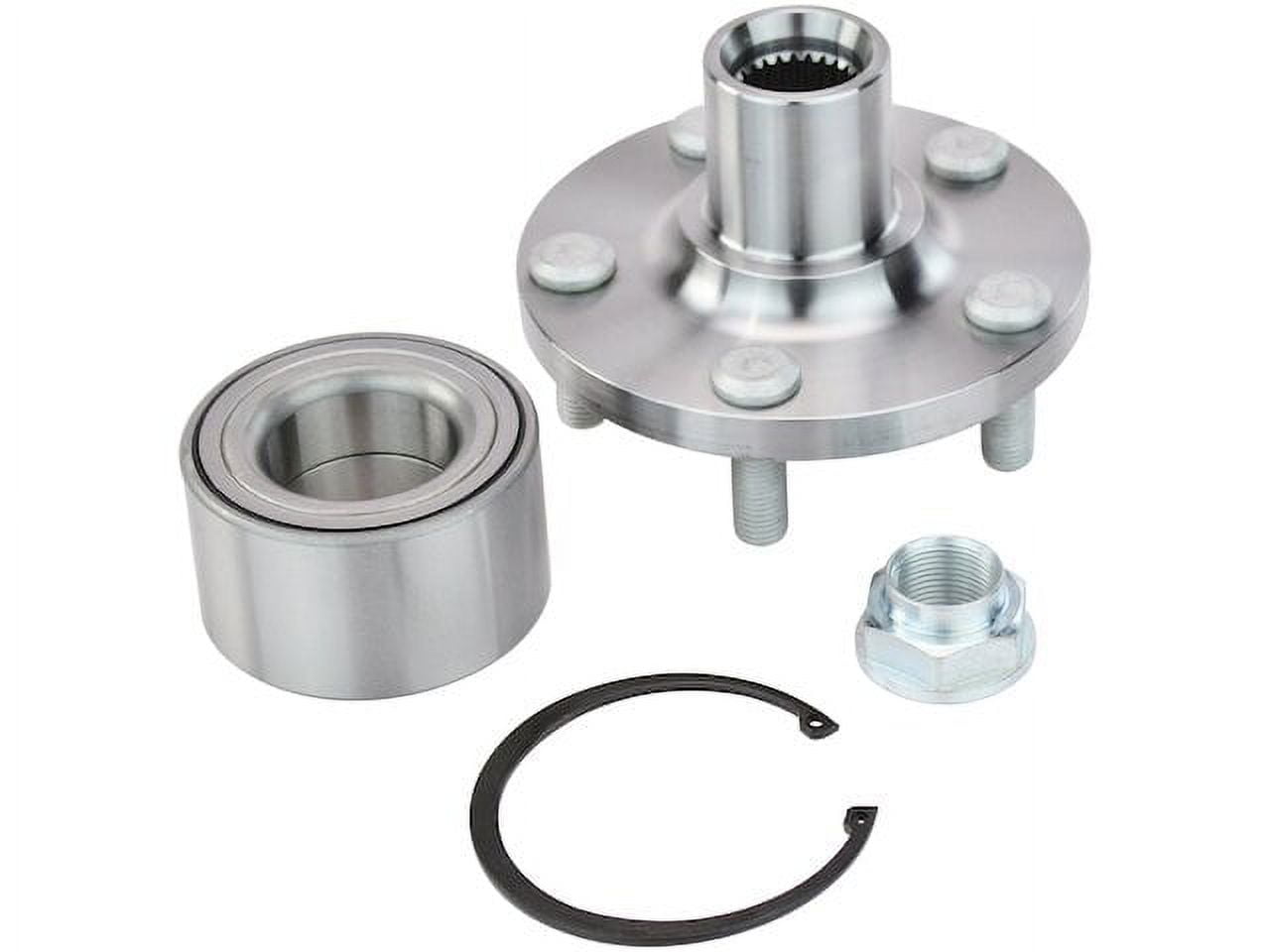
The 2013 Corolla uses pressed-in wheel studs extending outward from the hub assembly, secured by separate lug nuts. If a stud breaks or strips due to over-tightening, it can be driven out from the back of the hub assembly and replaced individually without buying a complete wheel bearing hub.
Practical Recommendation
When purchasing replacement wheels or winter wheel assemblies for your 2013 Toyota Corolla, prioritize an exact fitment: 5x100 mm bolt pattern, 54.1 mm center bore, and an offset between +39 mm and +45 mm. If you choose aftermarket wheels with a universal center bore, purchase a set of 54.1 mm hub-centric rings alongside the wheels. Finally, verify that your lug nut style matches your wheel’s seat—flat mag-style for OEM alloys and 60-degree conical nuts for aftermarket or steel wheels—and tighten all fasteners with a calibrated torque wrench to 76 lb-ft (103 Nm) in a five-point star sequence.