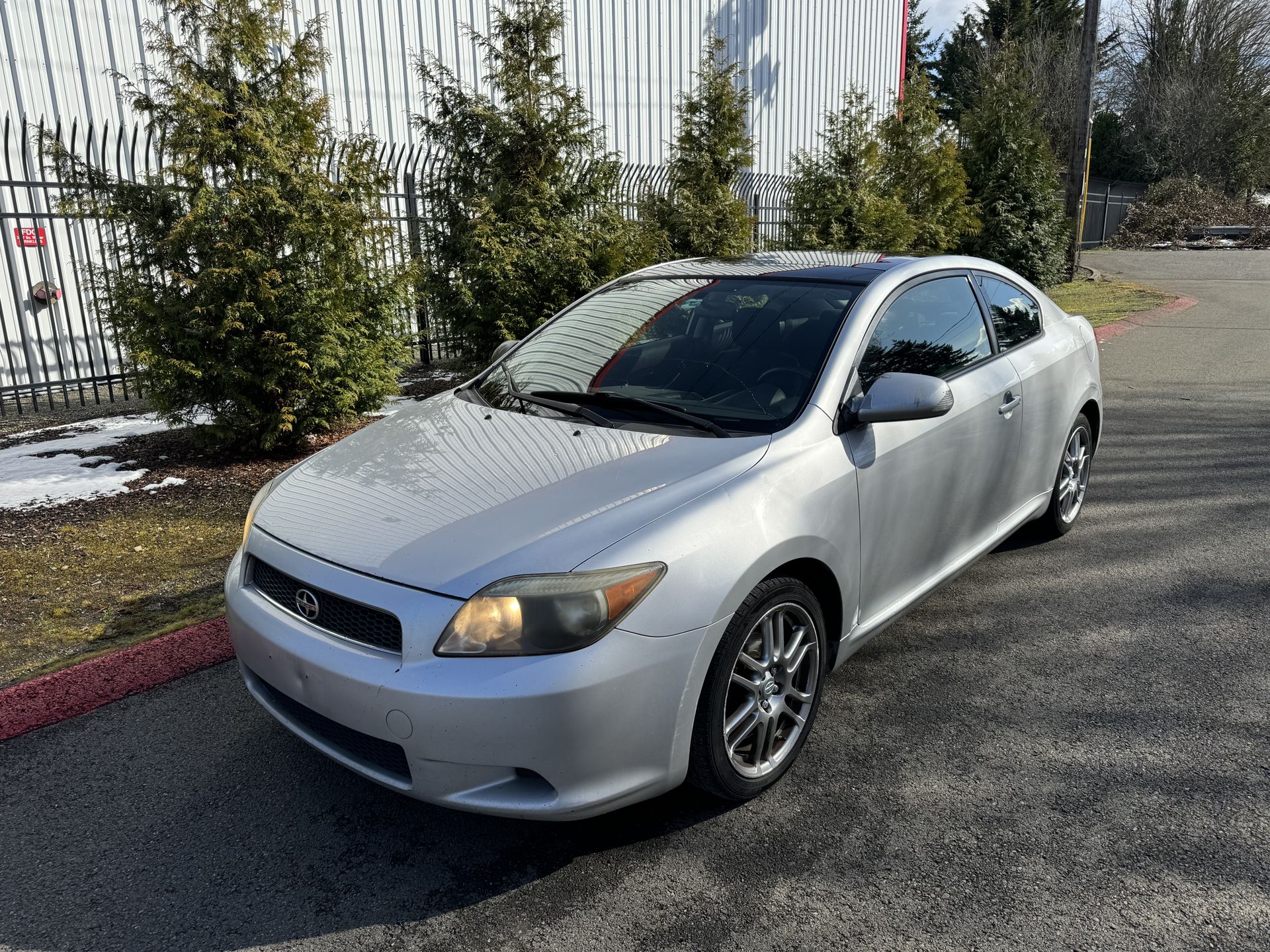
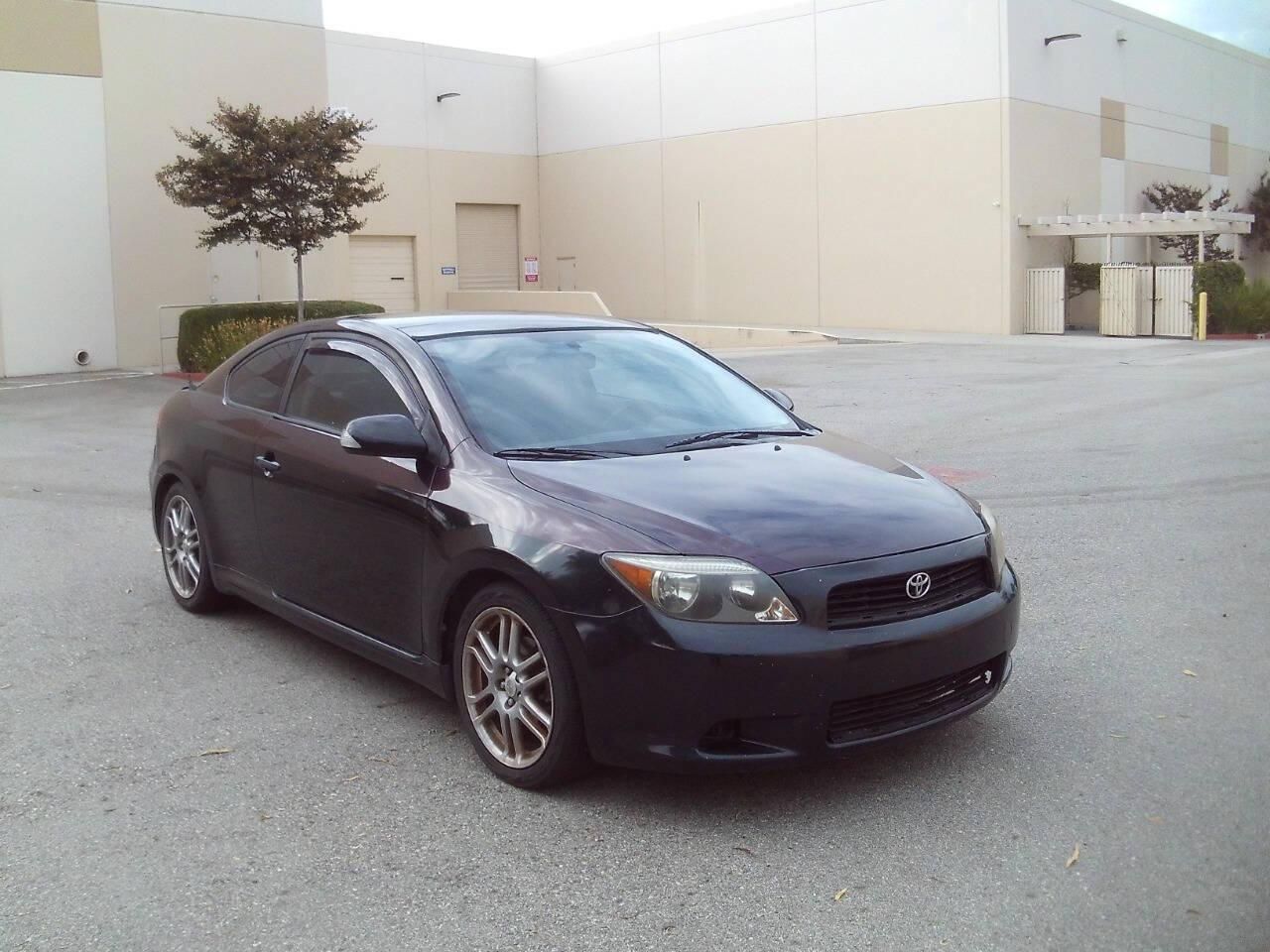
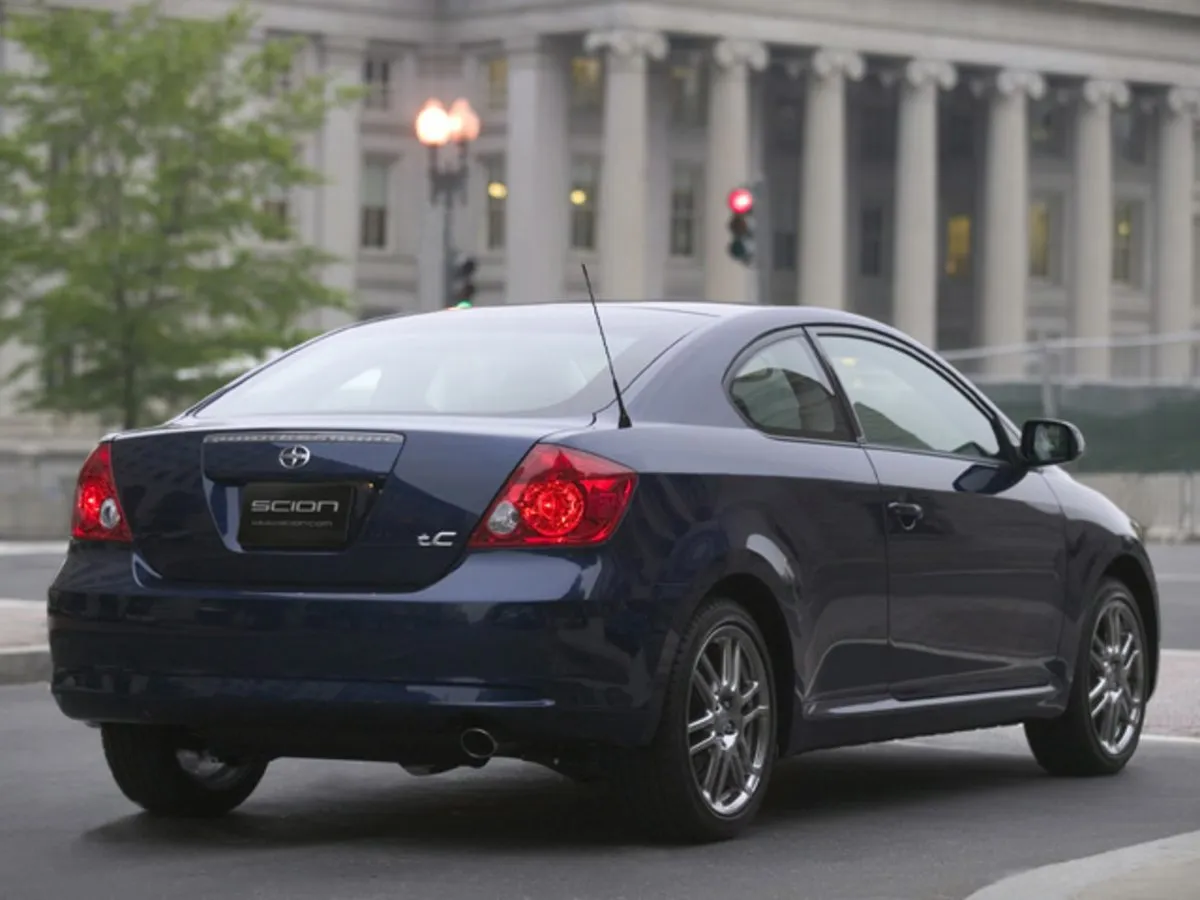
The 2007 Scion tC offers a combined fuel economy rating of approximately 23 to 24 miles per gallon (MPG). Equipped with a 2.4-liter 4-cylinder engine, it delivers 21 MPG in city conditions and 28 to 29 MPG on the highway, depending on the transmission type. These figures represent EPA-standard estimates, which vary significantly based on vehicle maintenance, driving habits, and road conditions.
Understanding the Powertrain Dynamics
The 2007 Scion tC was engineered as a sport-compact coupe, prioritizing a balance between daily drivability and accessible performance. At the heart of its efficiency profile is the 2.4-liter, 16-valve 4-cylinder DOHC engine (2AZ-FE). This engine was a staple in the Toyota/Scion lineup during the mid-2000s, praised for its reliability and relatively uncomplicated mechanical design.
The fuel economy of this vehicle is fundamentally dictated by how this 2.4-liter engine interacts with its two available transmission options: a 5-speed manual and a 4-speed automatic. Because the 5-speed manual allows the driver to control the shift points and engine load more precisely, it often achieves slightly better highway efficiency. In contrast, the 4-speed automatic, while providing smoother convenience in stop-and-go traffic, lacks the additional gear ratios found in modern vehicles, which would otherwise allow the engine to spin at lower RPMs during high-speed cruising.
Official EPA Estimates vs. 2026 Real-World Expectations
When the 2007 Scion tC was first released, the Environmental Protection Agency (EPA) utilized testing protocols that have since been updated to better reflect modern driving behaviors. Prospective owners or current drivers evaluating their fuel economy in 2026 must recognize that these original ratings are estimates, not guarantees.
For the 2007 model, the EPA ratings were generally cited as follows:
- 5-Speed Manual: 21 MPG city / 29 MPG highway / 24 MPG combined.
- 4-Speed Automatic: 21 MPG city / 28 MPG highway / 23 MPG combined.
In 2026, a 19-year-old vehicle will rarely match these original manufacturer ratings unless it has been meticulously maintained. Mechanical wear, such as degraded oxygen sensors, carbon buildup in the intake manifold, or a failing catalytic converter, can cumulatively reduce fuel efficiency by 5% to 15%. When monitoring fuel economy today, drivers should calibrate their expectations to account for the natural aging of engine components and emission systems.
Factors Influencing Fuel Consumption
Several variables influence the fuel economy of a 2007 Scion tC beyond the factory specifications. As a vehicle ages, the efficiency of fuel combustion is heavily reliant on the integrity of the ignition and intake systems.
Ignition and Air Intake Efficiency
The 2AZ-FE engine relies on a multi-port fuel injection system and coil-on-plug ignition. Worn spark plugs increase the demand on the ignition coils, leading to incomplete combustion and wasted fuel. Furthermore, the mass airflow (MAF) sensor is a critical component that often becomes contaminated with dust and oil vapors over nearly two decades of operation. If the MAF sensor sends inaccurate data to the Engine Control Unit (ECU), the car may run "rich" (using more fuel than necessary to maintain the air-fuel ratio), significantly degrading MPG.
Rolling Resistance and Aerodynamics
Tire choice and inflation pressure play an oversized role in the fuel economy of older vehicles. If the vehicle is equipped with high-friction performance tires rather than low-rolling-resistance tires, the engine must overcome more rotational resistance, directly impacting fuel consumption. Additionally, any modifications—such as aftermarket spoilers, roof racks, or lowered suspension—change the aerodynamic profile of the car. Because the 2007 tC has a relatively flat rear profile, any drag added to the exterior significantly hampers highway efficiency.
Driving Habits and Traffic Density
The "city" portion of the EPA rating assumes a specific cycle of acceleration and braking. Drivers who habitually accelerate aggressively from stoplights or maintain high speeds on the highway (above 70 mph) will see a disproportionate drop in efficiency compared to a modern vehicle with a more advanced transmission. Given the 4-speed automatic's gearing, the tC’s engine RPMs rise quickly at highway speeds, meaning speed control is the most effective tool for optimizing range.
Comparative Efficiency Analysis
To understand how the 2007 Scion tC compares to its peers from the same era, it is helpful to view the statistics alongside other common compact coupes of the mid-2000s.
| Vehicle Model (2007) | Engine | Transmission | Combined MPG |
|---|---|---|---|
| Scion tC | 2.4L I4 | 5-Speed Manual | 24 |
| Scion tC | 2.4L I4 | 4-Speed Auto | 23 |
| Honda Civic Coupe | 1.8L I4 | 5-Speed Manual | 30 |
| Hyundai Tiburon | 2.0L I4 | 5-Speed Manual | 23 |
| Mitsubishi Eclipse | 2.4L I4 | 5-Speed Manual | 22 |
As seen in the table, the Scion tC offered competitive performance for its class, though it trailed the highly efficient Honda Civic. The tC was marketed more toward "sportiness" than strict economy, which explains why its fuel efficiency is moderate rather than class-leading.
Maintenance Checklist for Fuel Optimization
If you are attempting to restore or maintain the fuel economy of a 2007 Scion tC in 2026, focus on these specific technical areas:
- Oxygen Sensor Replacement: The upstream O2 sensor is responsible for adjusting fuel trim. If it is sluggish due to age, the engine will default to a rich mixture.
- Air Filter Integrity: Ensure the engine air filter is clean. Restricted airflow causes the engine to work harder to draw in oxygen, increasing pumping losses.
- Transmission Fluid: For those with the 4-speed automatic, ensure the transmission fluid is at the correct level and color. A slipping transmission or inefficient torque converter lock-up will cause excessive fuel waste.
- Alignment and Tire Pressure: A vehicle that is not properly aligned "scrubs" tires against the pavement, increasing drag. Keep tires inflated to the manufacturer’s suggested PSI found on the door jamb sticker.
- Coolant Temperature: The engine thermostat must open and close correctly. If the engine runs too cold, the ECU will remain in an "open loop" state, injecting more fuel to warm the engine than is actually required.
Common Misconceptions
One common myth regarding the 2007 Scion tC is that the addition of aftermarket cold-air intakes or performance exhaust systems will improve fuel economy. While these parts are often marketed as "performance-enhancing," they rarely improve MPG in real-world driving. In many cases, these modifications cause the ECU to read air intake levels incorrectly or create a drone effect at highway speeds that encourages lower-gear driving, which ultimately lowers fuel efficiency.
Another misconception is that using premium-grade gasoline in the standard 2AZ-FE engine will provide better mileage. The engine of the 2007 tC is designed for 87-octane regular gasoline. Using premium fuel provides no benefit to power or efficiency unless the engine is knocking due to carbon buildup or timing issues, which should be addressed through mechanical repair rather than higher-cost fuel.
Practical Steps for Real-Time Monitoring
To accurately track your fuel economy, avoid relying on the vehicle's aging dashboard instrumentation. Use the "miles per tank" method:
- Fill your fuel tank until the pump clicks off.
- Reset your trip odometer to zero.
- Drive until the tank is at least 1/2 empty.
- Refill the tank at the same pump if possible.
- Divide the number of miles driven by the number of gallons added to the tank.
This calculation provides a baseline. If you find your result is significantly below 20 MPG in mixed driving, it is time to inspect the fuel system for leaks, verify that the fuel injectors are not clogged, and check for "drag" in the braking system, such as a sticking brake caliper, which acts as a constant anchor on the vehicle's movement.
Suitability and Next Actions
The 2007 Scion tC remains a robust, reliable vehicle, but it is not a high-efficiency machine by 2026 standards. It is best suited for individuals who value the Toyota-engineered reliability of the 2AZ-FE platform and are comfortable with moderate fuel costs.
For those seeking to improve their current economy, begin with a comprehensive tune-up. Replacing old spark plugs, cleaning the mass airflow sensor, and ensuring your tires are properly inflated can often recover 1–3 MPG in older vehicles. If you are currently in the market for a used tC, ensure the pre-purchase inspection includes a scan for "pending" engine codes—even if the check engine light is off, a failing catalytic converter might already be impacting your future fuel consumption.