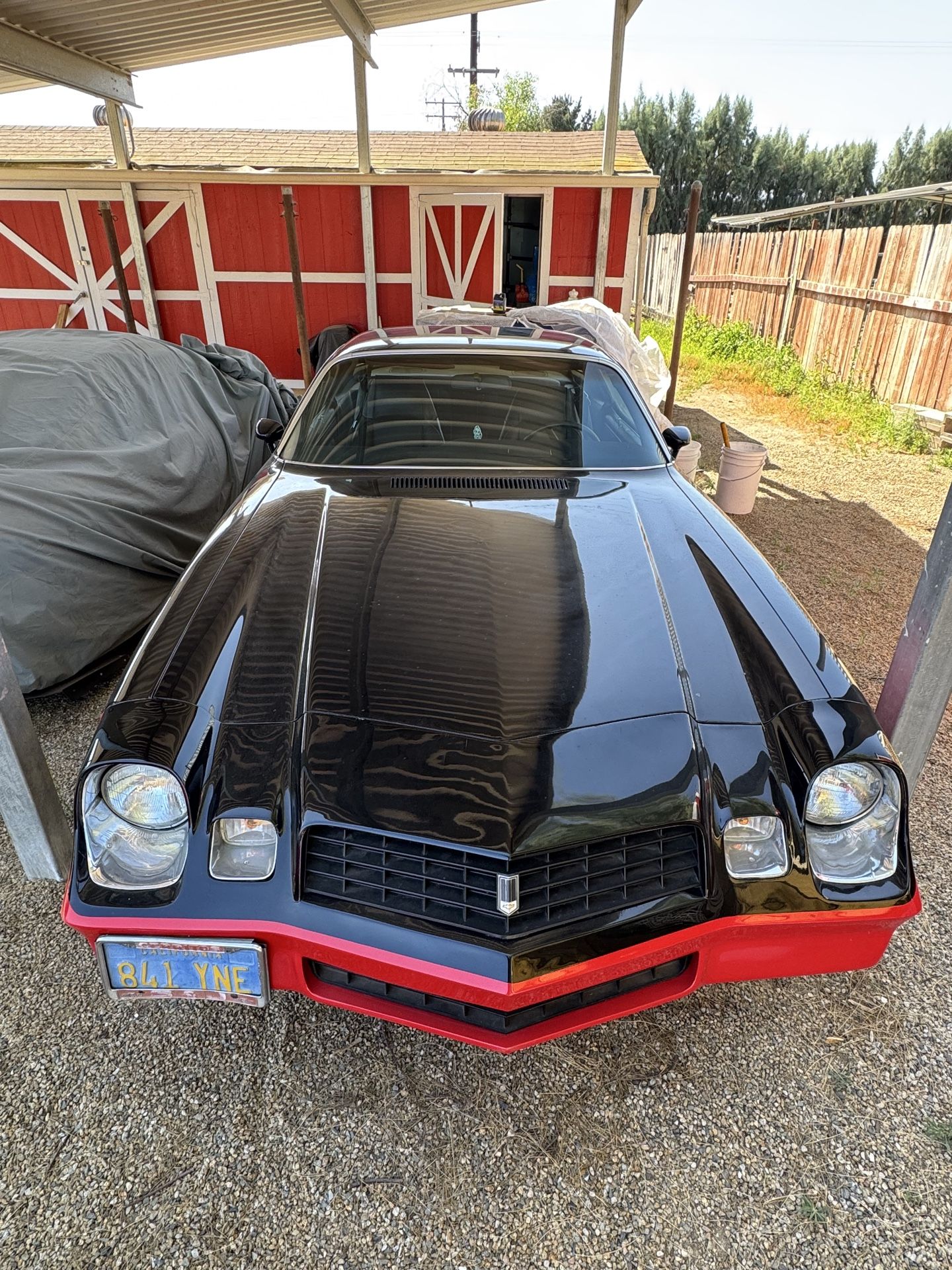
The 1978 Chevrolet Camaro Rally Sport (RS) represents a pivotal intersection of late-seventies aesthetic restyling and the fading era of the classic F-body muscle car. As a distinctive appearance package rather than a standalone performance trim, the 1978 RS featured unique two-tone paint schemes, blacked-out exterior trim, and specific badging that distinguished it from the base model, Type LT, and Z28 variants, offering enthusiasts a factory-customized look during a period of transition for American performance vehicles.
The Evolution of the F-Body: Context for the 1978 Model Year
To understand the 1978 Camaro Rally Sport, one must first recognize the structural environment of the late 1970s. By 1978, the second-generation Camaro had already been in production for eight years, a remarkably long lifecycle for a pony car platform. This longevity was not a sign of stagnation, but rather a reflection of the car’s fundamental success in terms of handling and structural rigidity.
The 1978 model year introduced a significant exterior revision: the transition from chrome-plated steel bumpers to body-colored, molded urethane bumpers for both the front and rear. This shift was more than just a cosmetic change; it represented a move toward a more integrated, aerodynamic design philosophy that defined the final years of the second-gen platform. Within this landscape, the Rally Sport package was designed to capture a younger, style-conscious demographic who wanted the aggressive look of a street-bred machine without necessarily requiring the heavy-duty suspension and engine output associated with the Z28.
Distinguishing the Rally Sport Package
The 1978 Rally Sport was primarily an appearance-based option code (RPO Z85). Unlike the Z28, which carried specific engine and handling requirements, the RS package could be applied to several different base engine configurations, making it a highly accessible aesthetic choice.
Exterior Styling and Two-Tone Finish
The most immediate identifier of the 1978 RS is the specific two-tone paint application. The upper body panels—including the roof, hood, and rear deck—were finished in a secondary color, while the lower body panels featured a primary hue. This design element was accentuated by bold accent stripes that demarcated the color transition along the beltline of the vehicle.
Black-Out Treatment
In an era where chrome trim was still the standard for many domestic vehicles, the RS package embraced a more modern, performance-oriented aesthetic by applying a "black-out" treatment to various exterior components. This included:
- Window moldings and drip rails.
- The area around the taillights and the rear license plate housing.
- Specific sections of the grille assembly.
- Side mirrors and door handles (varying by production date).
This monochromatic approach was meant to convey a "stealth" look, which contrasted sharply with the bright, high-contrast aesthetics of the mid-70s.
Unique RS Badging and Graphics
The Rally Sport identity was reinforced through dedicated exterior badging. These decals were typically placed on the nose and rear of the car, ensuring that the package was identifiable from every angle. The font used for the "RS" badging during this period became iconic for the late second-generation Camaro, serving as a subtle mark of distinction for collectors today.
Technical Specifications and Engine Options
Because the Rally Sport package was an appearance trim, the mechanical heart of the vehicle remained tied to the buyer’s engine selection from the standard Camaro menu. In 1978, Chevrolet offered several powertrain options, ranging from economy-minded six-cylinders to the more robust small-block V8s.
Engine Configurations
Buyers of the 1978 RS could typically select from the following:
- 250 cubic-inch (4.1L) Inline-Six: The standard base engine, focused on fuel economy and moderate daily driving, delivering approximately 110 horsepower.
- 305 cubic-inch (5.0L) V8: A popular choice for those wanting the "V8 sound" and moderate power, rated at approximately 145 horsepower.
- 350 cubic-inch (5.7L) V8: The performance pinnacle for non-Z28 models, providing more torque and acceleration potential, typically rated at 170 horsepower.
Transmission and Drivetrain
Transmission options included the standard three-speed manual (on base engines), a four-speed manual with overdrive capabilities in specific configurations, or the widely chosen TH350 three-speed automatic transmission. The rear-end gearing was typically optimized for highway cruising rather than drag strip performance, consistent with the emission-conscious tuning of the 1978 manufacturing cycle.
Comparison of Camaro Trims (1978)
Understanding the RS package requires context regarding how it sat alongside other 1978 variants. The following table illustrates the primary differences in the 1978 lineup.
| Feature | Base Camaro | Rally Sport (RS) | Type LT | Z28 |
|---|---|---|---|---|
| Primary Goal | Economy/Base | Aesthetics | Luxury/Comfort | Performance |
| Exterior Trim | Chrome/Standard | Black-out Trim | Brightwork/Chrome | Performance Graphics |
| Paint | Standard | Two-Tone | Monotone/Metallic | Monotone/Stripes |
| Suspension | Standard | Standard | Soft-Ride | Heavy-Duty/Sport |
| Wheels | Steel/Hubcaps | Rally Wheels | Luxury Hubcaps | Z28 Alloy Wheels |
Requirements for Collectors and Restoration
For those looking to purchase or restore a 1978 Camaro Rally Sport in 2026, verification of authenticity is paramount. Because the RS was an appearance package, the original trim tag (located on the cowl panel under the hood) is the primary source of verification.
Identifying Genuine RS Models
- Check the Trim Tag: Look for the specific "Z85" code or evidence of the RPO (Regular Production Option) on original documentation like the build sheet or the original dealer invoice.
- Verify Paint Codes: The factory two-tone paint combinations were specific. Authentic RS models will show distinct paint codes for the upper and lower body sections.
- Inspect Original Hardware: Many aftermarket "clones" exist. Authentic RS cars often retain specific blacked-out trim pieces that are increasingly difficult to source as high-quality reproductions.
Common Restoration Challenges
- Urethane Bumpers: The transition to body-colored bumpers in 1978 brought about issues with paint adhesion on flexible plastic. Over decades, these bumpers are prone to cracking or "spider-webbing" of the paint.
- Rust Areas: The F-body platform is notorious for rust in the lower quarters, wheel arches, and the floor pans near the rear leaf spring mounts.
- Trim Availability: While mechanical parts are plentiful due to the 350 engine's ubiquity, specific exterior black-out trim pieces for the RS are specialized and may require sourcing from salvage cars or specialized restoration suppliers.
Practical Performance and Daily Driving
From the perspective of a 2026 driver, the 1978 Camaro RS offers a vintage experience that differs significantly from modern sports cars. It lacks the electronic aids, advanced tire compounds, and braking systems of contemporary vehicles.
Handling and Ride Quality
The steering is characterized by the recirculating-ball system common to the era, which provides significant feedback but lacks the precision of modern rack-and-pinion setups. The ride is firm yet composed, typical of the "touring" feel that Chevrolet aimed for with the Camaro. Owners often upgrade the sway bars or shock absorbers to sharpen the handling, which can be done without compromising the car's originality.
Maintenance Considerations
- Fuel Requirements: The engines of 1978 were tuned for the gasoline formulations and emissions standards of that era. Today's ethanol-blended fuels can be harsh on fuel system components, such as rubber fuel lines and carburetor gaskets. Using a fuel additive or updating the fuel system to be ethanol-compatible is a recommended step for long-term reliability.
- Braking Systems: The front disc/rear drum setup is adequate for casual cruising, but owners frequently perform brake overhauls with high-performance pads or, in some cases, power-assisted disc conversions to improve safety in modern traffic.
Frequently Asked Questions
Is the 1978 Rally Sport a high-performance muscle car?
No. While the RS has the muscular styling of the late second-generation Camaro, it was an appearance package. Its performance is entirely dependent on the engine chosen at the time of purchase. It is best categorized as a stylish cruiser rather than a dedicated high-performance drag racer.
Can I turn a base Camaro into an RS clone?
Yes, it is possible to replicate the RS look by installing the correct two-tone paint scheme, adding the black-out trim pieces, and applying the RS badging. However, for collectors, an original, documented Z85 Rally Sport will always hold a higher market value than an aftermarket clone.
What is the most common issue with 1978 Camaro bodywork?
The most common issue is the degradation of the body-colored urethane bumpers. Due to their composition, they often develop cracks or paint peeling over time. Finding original, undamaged bumpers in 2026 is becoming increasingly difficult and expensive.
Are replacement parts easy to find for a 1978 RS?
Yes. Because the 1978 Camaro shares the vast majority of its mechanical components (engine, transmission, suspension) with millions of other GM vehicles of that era, mechanical parts are widely available. Cosmetic and trim-specific pieces are more challenging but are supported by a robust aftermarket enthusiast community.
Should I daily drive a 1978 Rally Sport in 2026?
While the 1978 Camaro is mechanically robust enough for occasional driving, it is not recommended for daily use in 2026 due to the lack of modern safety features like airbags, ABS, and side-impact protection. Furthermore, the fuel economy of the small-block V8 engines is significantly lower than modern vehicles, and parts for specific exterior trim can be costly to replace if damaged in daily traffic.
Recommendation for Next Actions
If you are pursuing the purchase of a 1978 Camaro Rally Sport, your first step should be to request a clear, high-resolution photograph of the trim tag located on the driver's side of the cowl area. Research the specific paint codes provided on that tag against official 1978 Chevrolet paint charts to confirm if the car maintains its factory-correct two-tone color scheme. If you currently own an RS, prioritize a thorough inspection of the rear frame rails and floor pan, as these are critical areas for structural integrity that often hide long-term corrosion. For mechanical peace of mind, upgrading the fuel system components to handle modern ethanol fuel is the most prudent step for ensuring the vehicle remains roadworthy for the long term.