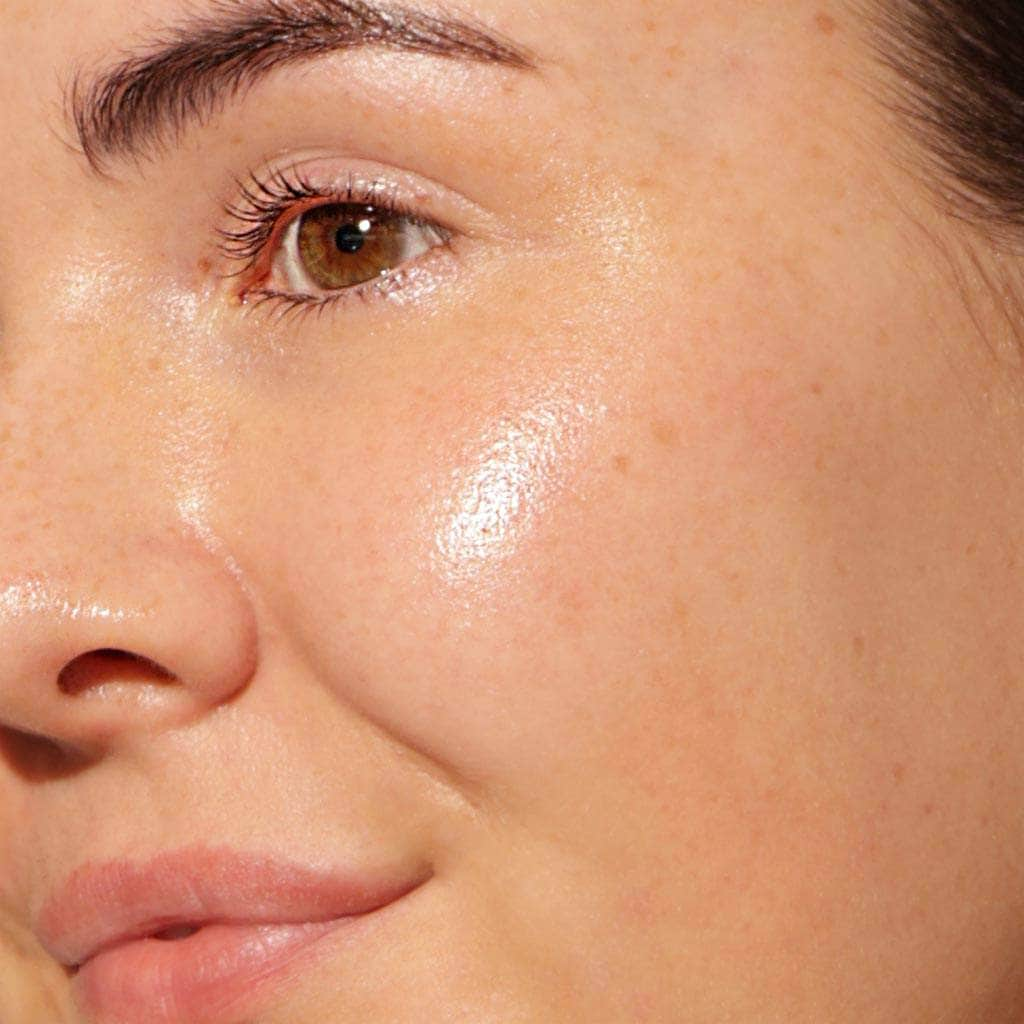
Choosing a facial cream with SPF 30 is a fundamental daily step that bridges advanced skincare hydration with broad-spectrum ultraviolet protection, safeguarding the skin barrier, preventing premature photoaging, and reducing cumulative sun damage without requiring a heavy, dedicated sunscreen layer.
Integrating sun protection into a daily skincare regimen is one of the most effective decisions an individual can make for long-term skin health. While traditional sunscreens are frequently viewed as heavy, greasy, or reserved exclusively for beach days, modern cosmetic science has transformed sun protection through multi-functional formulations. Among these, facial creams formulated with SPF 30 have emerged as an optimal choice for daily wear.
A facial cream with SPF 30 combines the emollient, hydrating, and nourishing properties of a traditional moisturizer with a scientifically measured level of ultraviolet (UV) defense. Understanding the specific mechanisms and benefits of this dual-purpose product can help demystify daily sun protection and encourage consistent habits that preserve skin integrity across every season.
Understanding SPF 30: What the Numbers Mean
Sun Protection Factor, commonly known as SPF, is a measure of how well a sunscreen or protective cosmetic will protect skin from ultraviolet B (UVB) rays—the type of radiation responsible for sunburns and a primary contributor to skin cancer. Contrary to a common misconception, SPF is not a measure of time, but rather a measure of protection relative to skin that has no protection at all.
When applied correctly and generously, an SPF 30 formulation allows approximately 3.3 percent of UVB photons to strike the skin, filtering out roughly 96.7 percent of incoming UVB radiation. Higher SPF numbers offer marginally greater percentages—SPF 50 blocks approximately 98 percent—but the incremental gain diminishes rapidly past SPF 30.
Furthermore, broad-spectrum protection is a critical designation. While SPF measures defense against UVB rays, ultraviolet A (UVA) rays penetrate deeper into the dermis, driving collagen degradation, elastosis, and hyperpigmentation. A quality facial cream with SPF 30 must carry a "broad-spectrum" label, ensuring it defends against both UVA and UVB wavelengths.
1. Effective Defense Against Cumulative UVB Damage
Daily exposure to ultraviolet B radiation adds up over time. Even short durations outdoors—such as walking to a car, sitting near a sunny window, or running errands—expose the facial skin to cumulative UVB rays.
A facial cream with SPF 30 provides a reliable baseline shield against these intermittent exposures. By blocking nearly 97 percent of UVB rays, the cream prevents the microscopic cellular damage that accumulates over years, reducing the likelihood of acute sunburns and chronic structural harm to the epidermis.
2. Mitigation of Deep UVA Photoaging
While UVB rays cause surface redness and burns, UVA rays penetrate deeper into the skin matrix, targeting fibroblasts and degrading collagen and elastin fibers. This process is known as photoaging.
Choosing a broad-spectrum facial cream with SPF 30 ensures that UVA protection is built directly into your morning routine. This continuous barrier slows down the enzymatic breakdown of structural proteins, helping to maintain skin firmness, elasticity, and smooth texture over decades.
3. Prevention of Premature Fine Lines and Wrinkles
The mechanical action of smiling, squinting, and talking naturally creates dynamic expression lines. However, when combined with UV-induced collagen breakdown, these lines turn into permanent static wrinkles far earlier in life.
By shielding the skin from daily solar radiation, SPF 30 facial creams prevent the environmental oxidative stress that accelerates wrinkle formation. Consistent use preserves the skin’s underlying support network, keeping expression lines soft and delaying the onset of deep facial creasing.
4. Reduction of Hyperpigmentation and Dark Spots
Melasma, sun spots, and post-inflammatory hyperpigmentation are heavily exacerbated by exposure to sunlight. UV radiation stimulates melanocytes—the pigment-producing cells in the skin—causing them to overproduce melanin in localized areas.
Applying an SPF 30 facial cream every morning acts as a protective shield for those prone to uneven skin tone or stubborn dark spots. It prevents existing marks from darkening further and stops new pigment patches from forming, supporting a more uniform and luminous complexion.
5. Streamlined Daily Skincare Routines
Modern lifestyles demand efficiency. Layering a separate serum, a heavy moisturizer, a dedicated sunscreen, and a primer can feel cumbersome, time-consuming, and prone to pilling under makeup.
A facial cream with SPF 30 merges hydration and sun protection into a single, elegant step. This consolidation simplifies morning routines, making compliance significantly easier for individuals who might otherwise skip sunscreen due to lack of time or product fatigue.
6. Enhanced Cosmetic Elegance and Comfort
Older generations of sunscreens were notorious for leaving a thick, chalky white cast, clogging pores, and creating an oily shine. Contemporary facial creams with SPF 30 utilize micronized minerals, advanced chemical filters, and lightweight emollients that absorb rapidly into the skin.
These modern formulas are engineered to feel invisible, weightless, and non-greasy. They sit comfortably on the face all day, serving as an ideal canvas for liquid foundation, tinted moisturizers, or powders without altering the finish of makeup.
7. Preservation of the Skin Barrier
The skin barrier—composed of lipids, ceramides, and corneocytes—protects against transepidermal water loss and environmental irritants. Unprotected UV exposure damages these delicate intercellular lipids, leading to chronic dehydration, sensitivity, and inflammation.
Many facial creams with SPF 30 are simultaneously infused with barrier-repairing ingredients like hyaluronic acid, ceramides, glycerin, and niacinamide. This dual action not only defends against external radiation but also actively reinforces the skin’s natural moisture barrier.
8. Broad Compatibility with Active Ingredients
Many effective skincare treatments—such as retinoids, alpha-hydroxy acids (AHAs), beta-hydroxy acids (BHAs), and vitamin C—increase the skin's photosensitivity. Using these actives without adequate daytime protection can lead to severe irritation, redness, and paradoxical hyperpigmentation.
A facial cream with SPF 30 serves as the necessary safety net for active ingredient users. It allows individuals to reap the skin-renewing benefits of chemical exfoliants and retinoids without compromising their dermal safety during daylight hours.
9. Protection Against Indoor Blue Light and Environmental Stressors
While formulated primarily for ultraviolet defense, many advanced SPF 30 facial creams incorporate antioxidants and physical blockers that mitigate the effects of environmental stressors, including pollution and high-energy visible (HEV) blue light emitted from digital screens.
Although blue light penetrates less deeply than UV radiation, research indicates it can still contribute to oxidative stress and hyperpigmentation, particularly in deeper skin tones. A protective facial cream helps neutralize these modern ambient hazards.
10. Cost-Effective Multi-Tasking Investment
Purchasing separate high-end moisturizers and premium sunscreens can strain a personal budget. A two-in-one facial cream with SPF 30 optimizes skincare expenditures by combining two essential products into a single purchase.
This financial efficiency does not compromise performance; users receive targeted hydration and broad-spectrum protection simultaneously, often reducing product waste and clutter on the vanity.
11. Encouragement of Consistent, Year-Round Habits
A common pitfall in sun protection is seasonal inconsistency—wearing sunscreen only during summer months or sunny beach trips. However, up to 80 percent of UV rays penetrate cloud cover, and UVA radiation remains constant throughout winter, rainy days, and snowy landscapes.
Because a facial cream with SPF 30 functions primarily as a daily moisturizer, users naturally apply it 365 days a year, regardless of the weather forecast. This behavioral shift ensures uninterrupted protection against silent, year-round environmental aging.
12. Suitability Across Diverse Skin Types and Tones
Historically, mineral-based sunscreens presented significant challenges for deeper skin tones due to an unavoidable white cast. Similarly, heavy chemical formulas frequently triggered breakouts in acne-prone or sensitive skin.
Today's market offers specialized facial creams with SPF 30 tailored to specific dermatological profiles—including oil-free formulations for oily skin, fragrance-free mineral options for reactive skin, and sheer chemical blends that blend invisibly across all complexions.
| Skin Concern / Type | Recommended SPF 30 Formulation Feature | Key Ingredient to Look For |
|---|---|---|
| Oily / Acne-Prone | Oil-free, non-comedogenic, matte finish | Niacinamide, Silica, Zinc Oxide |
| Dry / Dehydrated | Rich emollient cream, humectant-heavy | Hyaluronic Acid, Ceramides, Glycerin |
| Sensitive / Reactive | Mineral (physical) filters, fragrance-free | Titanium Dioxide, Centella Asiatica |
| Hyperpigmentation | Broad-spectrum with antioxidant boost | Vitamin C, Tranexamic Acid, Licorice Root |
Practical Application Tips for Maximum Efficacy
Even the most advanced facial cream with SPF 30 will fail to deliver its advertised protection if applied incorrectly. To maximize the performance of your daily cream, adhere to these professional application guidelines:
- Measure Correctly: Dermatologists generally recommend applying roughly a nickel-sized amount of product to cover the face, neck, and ears adequately. Under-application drastically reduces the effective SPF rating.
- Apply as the Final Skincare Step: Apply your facial cream with SPF 30 after water-based serums and lighter treatments have absorbed, but before applying decorative makeup.
- Allow Absorption Time: Give the cream 3 to 5 minutes to form an even, protective film across the skin surface before layering foundation or stepping outdoors.
- Reapply When Necessary: If you are outdoors for extended periods, swimming, or sweating heavily, standard daytime moisturizers with SPF must be reapplied or supplemented with a dedicated sunscreen every two hours.
Frequently Asked Questions
Is SPF 30 enough for full-day facial protection?
SPF 30 is generally sufficient for standard daily activities, such as office work, indoor routines, and brief outdoor exposure, blocking approximately 96.7 percent of UVB rays. However, if you are spending continuous hours exposed to direct sunlight, reapplication every two hours is mandatory, or you should transition to a dedicated, water-resistant outdoor sunscreen.
Can a facial cream with SPF 30 replace my regular moisturizer?
Yes. Most facial creams with SPF 30 are formulated with nourishing humectants, emollients, and occlusives designed to provide adequate daily hydration. If you have extremely dry skin, you may choose to layer a lightweight hydrating serum underneath your SPF cream.
Does SPF 30 prevent the skin from tanning completely?
No sunscreen blocks 100 percent of UV radiation. An SPF 30 cream blocks roughly 96.7 percent of UVB rays, meaning a small fraction still penetrates the skin. While it significantly reduces tanning and protects against cellular damage, minor color development can still occur over prolonged exposure.
Can I use my SPF 30 facial cream around the eye area?
It depends on the specific formulation. Mineral-based SPF creams (using zinc oxide or titanium dioxide) are generally less irritating to the delicate eye area than chemical filters. Always check product labels, and discontinue use if stinging or watering occurs.
Do I need to wear an SPF 30 facial cream on cloudy days?
Yes. Up to 80 percent of ultraviolet radiation penetrates through clouds and fog. Furthermore, UVA rays—which cause premature aging—pass readily through window glass and cloud cover, making daily application essential regardless of the weather.
Next Actions and Final Recommendations
Selecting and committing to a daily facial cream with SPF 30 is one of the single most impactful habits for preserving skin health, texture, and youthfulness. Begin by assessing your unique skin type—whether oily, dry, sensitive, or combination—and select a formulation that meets your textural preferences and hydration requirements. Patch-test any new product on your jawline for 48 hours to ensure compatibility, and make daily application a non-negotiable final step in your morning routine.