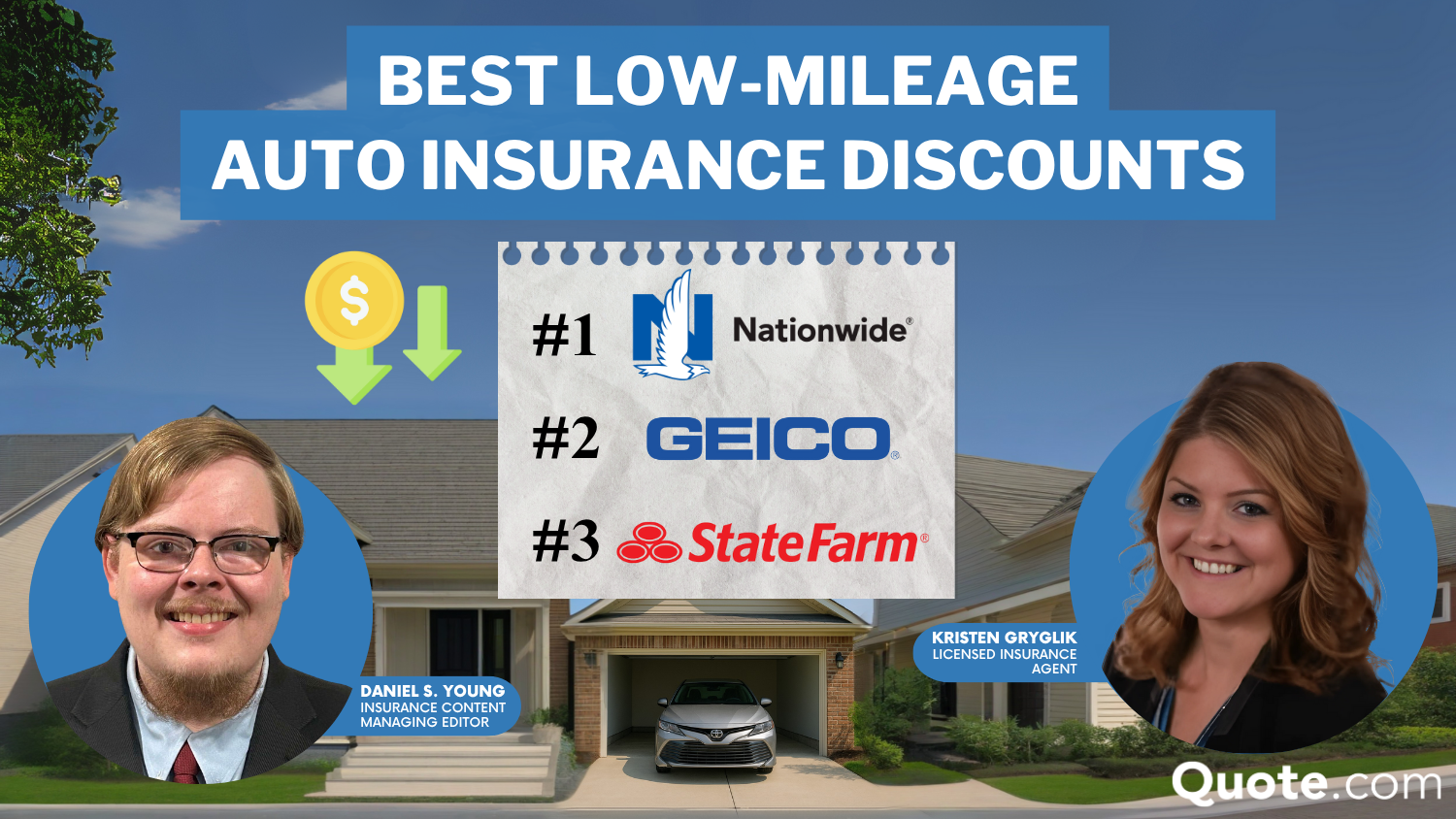
For older drivers who drive infrequently, specialized auto insurance policies structured around low annual mileage and vehicle age can yield substantial savings. These plans often combine pay-per-mile frameworks with senior-specific discounts, designed for drivers over a certain age who maintain clean driving records but travel short distances for errands, medical appointments, and social visits.
Understanding the Intersection of Age, Mileage, and Auto Insurance
Auto insurance pricing models have historically relied heavily on historical risk assessments, which group drivers by age, gender, and zip code. For senior citizens, these broad actuarial categories can sometimes result in higher premiums despite decades of safe driving experience. However, modern underwriting practices increasingly recognize that annual mileage is one of the most accurate predictors of claim frequency. If a vehicle is driven less, the statistical probability of being involved in a collision decreases proportionally.
When insurance providers evaluate senior auto plans, they look closely at vehicle utilization. A vehicle that is a decade old and driven only a few thousand miles per year presents a fundamentally different risk profile than a commuter vehicle navigating heavy traffic daily. Recognizing this, specialized low-mileage programs leverage telematics, annual odometer verifications, or per-mile billing structures to pass those reduced risk savings directly to the consumer.
Core Structures of Low Mileage Auto Plans
Low mileage auto programs generally fall into two distinct structural categories. Understanding how each operates is essential for determining which format aligns best with a senior driver's lifestyle and vehicle usage patterns.
1. Traditional Low-Mileage Discount Policies
Traditional carriers offer percentage-based discounts to policyholders who pledge to keep their annual mileage below a specific threshold—typically 7,500, 5,000, or sometimes 3,500 miles per year.
- Verification: Odometer readings are submitted annually, either via a photo upload, a formal inspection, or a certified repair shop record.
- Pricing Model: Standard fixed-rate premium structure, but discounted by 10% to 30% depending on the agreed-upon mileage cap.
- Suitability: Best for seniors who prefer a predictable, fixed monthly or semi-annual bill without tracking devices plugged into their vehicle.
2. Pay-Per-Mile (Usage-Based) Insurance
Pay-per-mile programs decouple insurance pricing from fixed monthly assumptions. The policy is calculated using a base rate plus a per-mile charge.
- Verification: A small plug-in device (OBD-II port adapter) or a smartphone application tracks exact miles driven each month.
- Pricing Model: Highly dynamic. If a car sits in the garage for a month, the policyholder pays only the low base fee for that month.
- Suitability: Ideal for seniors who drive exceptionally little—such as under 500 miles a month—and want direct financial correlation between car usage and insurance costs.
Eligibility Requirements and Prerequisites
Qualifying for a specialized low-mileage senior auto plan requires meeting specific criteria set by underwriting departments. While exact thresholds vary by carrier and state regulations, several universal prerequisites govern approval:
- Age Thresholds: Many senior-specific discounts become accessible starting at age 55, 60, or 65, depending on the state and insurer.
- Annual Mileage Caps: To qualify for low-mileage tiers, the vehicle must generally remain under 7,500 miles annually, with maximum savings realized under 5,000 miles.
- Vehicle Age and Condition: While "10-year" references often describe vehicles in this age bracket (e.g., a decade-old car), insurance availability depends on the vehicle's safety features, market value, and insurability. Comprehensive and collision coverage on a 10-year-old car must be weighed against its actual cash value.
- Driving Record: Clean driving histories—free of major at-fault accidents and moving violations over the preceding three to five years—maximize eligibility for the deepest tier of discounts.
- Defensive Driving Course Completion: Many states mandate insurance discounts for seniors who complete an approved mature driver improvement course, which can be stacked with low-mileage savings.
Comparative Overview of Plan Structures
| Plan Feature | Traditional Low-Mileage Discount | Pay-Per-Mile (Telematics) Program | Standard Auto Insurance |
|---|---|---|---|
| Billing Predictability | Fixed monthly/annual premium | Variable monthly bill based on miles driven | Fixed monthly/annual premium |
| Mileage Verification | Annual odometer reading | Continuous tracking (OBD-II device or app) | None required |
| Best For | Driving 5,000–7,500 miles/year | Driving under 4,000 miles/year | Commuters and heavy vehicle usage |
| Potential Savings | 10% to 30% off standard rates | Up to 40% or more for ultra-low mileage | Minimal or none for low usage |
| Privacy Considerations | Minimal data collection | Continuous GPS and mileage tracking | Minimal data collection |
Evaluating Coverage Needs for Older Vehicles
When insuring a vehicle that is approximately ten years old, policyholders must perform a cost-benefit analysis regarding physical damage coverages (Comprehensive and Collision).
The Actual Cash Value Dilemma
As vehicles age, their market value depreciates. If a ten-year-old sedan has low mileage, its market value may be higher than an identical model with standard high mileage, but it will still be lower than a brand-new vehicle. If the cost of comprehensive and collision coverage—plus the deductible—approaches or exceeds 10% of the car's actual cash value, policyholders often consider dropping physical damage coverage to save money. However, this decision must be weighed against the driver's financial ability to replace or repair the vehicle out of pocket following an incident.
Essential Liability Limits
Regardless of vehicle age or low mileage, liability limits should never be compromised to save money. Seniors should maintain adequate bodily injury and property damage liability limits to protect personal assets in the event of an unforeseen collision. Uninsured and underinsured motorist coverage remains a critical component, protecting the driver if they are hit by an inadequately insured motorist.
Steps to Secure and Maintain a Low Mileage Senior Plan
Navigating the transition to a low-mileage senior auto plan involves a structured process of evaluation, application, and ongoing compliance.
- Audit Current Driving Habits: Review past vehicle registration renewals, maintenance records, or oil change receipts to calculate an accurate estimate of annual mileage over the past two to three years.
- Shop Multiple Carriers: Request quotes from both traditional national insurers that offer low-mileage discounts and specialized usage-based insurance providers.
- Compare Verification Methods: Determine whether you are comfortable installing a telematics tracking device in the vehicle's OBD-II port or if you prefer submitting an annual photo of the odometer.
- Inquire About Stackable Discounts: Ask insurance agents if low-mileage discounts can be combined with other senior-friendly reductions, such as paperless billing, defensive driving course completion, anti-theft device discounts, or multi-policy (bundling) discounts.
- Monitor and Maintain Compliance: If using a telematics program, ensure the tracking device remains connected. For traditional plans, calendar the annual odometer reporting date to prevent policy adjustments or loss of discounts.
Common Misconceptions and Pitfalls
Several misconceptions surround low-mileage insurance programs for seniors, which can lead to unexpected expenses or denied claims if not understood properly.
- "Low mileage means no risk": While lower mileage reduces collision exposure, weather, theft, and uninsured motorists remain constant threats. Liability coverage remains essential even if a car is driven only once a week.
- Underestimating annual mileage: Guessing mileage too low to secure the absolute lowest tier can backfire. If an odometer audit reveals actual mileage far exceeded the estimated cap, the insurer may retroactively adjust the premium or deny discount renewals.
- Overlooking device battery drain: Some plug-in telematics devices draw minimal power from the vehicle's battery. For cars driven infrequently—such as once every two weeks—a plugged-in device can occasionally contribute to battery drain over extended periods of inactivity.
Frequently Asked Questions
What qualifies as "low mileage" for senior auto insurance?
Most insurance companies define low mileage as driving fewer than 7,500 miles per year, with the highest tier of discounts typically reserved for drivers logging fewer than 5,000 or even 3,500 miles annually.
Do I have to install a tracking device in my car?
It depends on the insurer. Traditional insurance companies usually verify mileage through annual odometer readings, photos, or maintenance records. Pay-per-mile insurance companies generally require a small plug-in device or a smartphone application to track monthly miles.
Can low-mileage discounts be combined with mature driver discounts?
Yes. In many jurisdictions, insurance providers allow policyholders to stack low-mileage discounts with discounts earned from completing state-approved defensive driving courses or maintaining a spotless driving record.
What happens if I exceed my estimated mileage cap on a traditional plan?
If you exceed your estimated mileage cap, the insurer will typically adjust your rate at the policy renewal period to reflect your actual usage tier. It is always best to notify your insurer if your driving habits change mid-policy.
Is comprehensive and collision coverage necessary for a 10-year-old vehicle?
It depends on the vehicle's market value and your financial tolerance for risk. If the combined cost of comprehensive and collision premiums and your deductible is close to the total value of the car, many drivers choose to drop physical damage coverage while keeping mandatory liability insurance.
Recommended Next Actions
Review your most recent vehicle service records or state inspection certificates to check your current odometer reading. Contact your current insurance provider to inquire if they offer a low-mileage discount tier or a pay-per-mile alternative, and compare their rates against dedicated usage-based insurers to secure the most favorable premium for your driving habits.