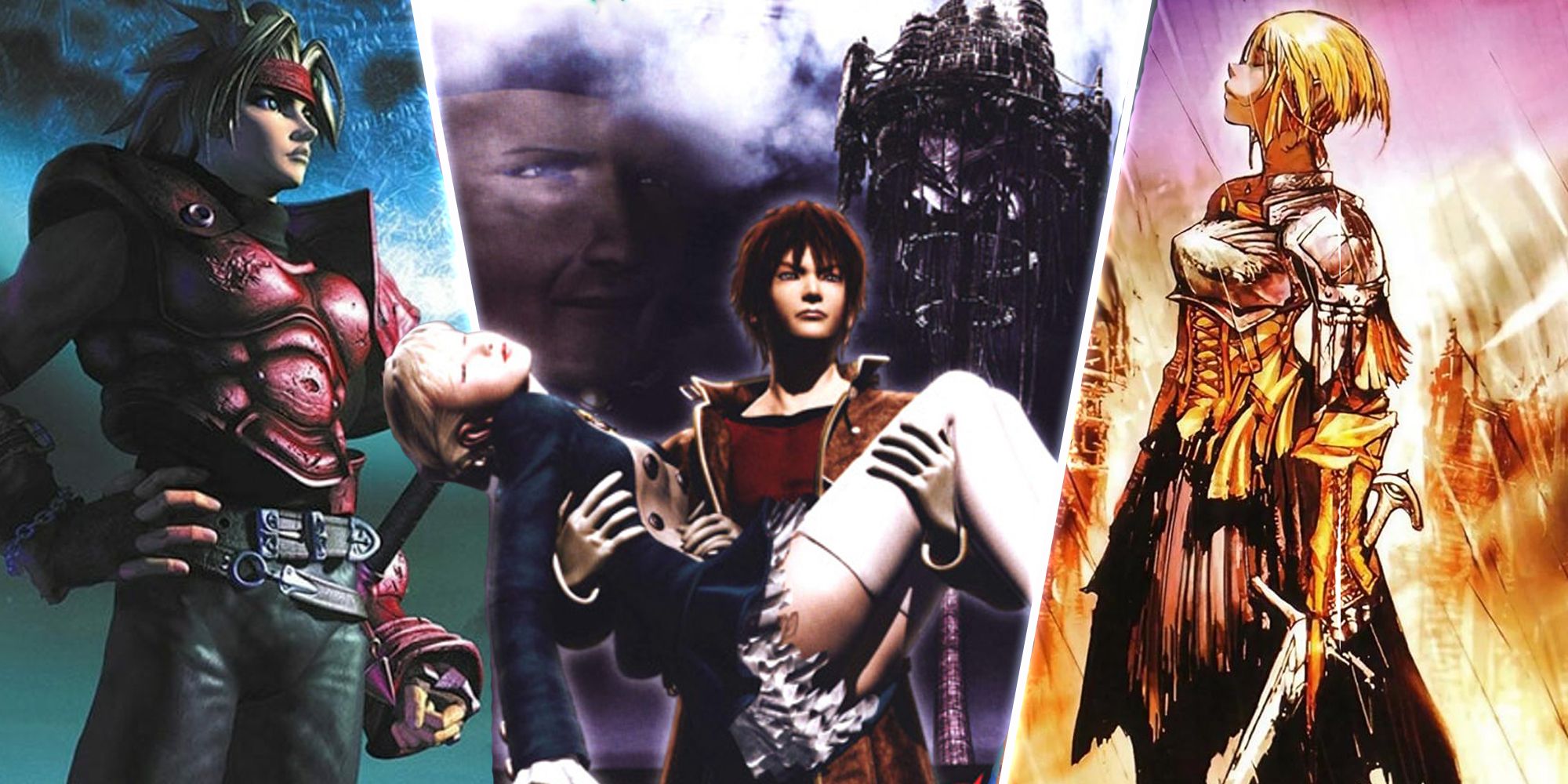
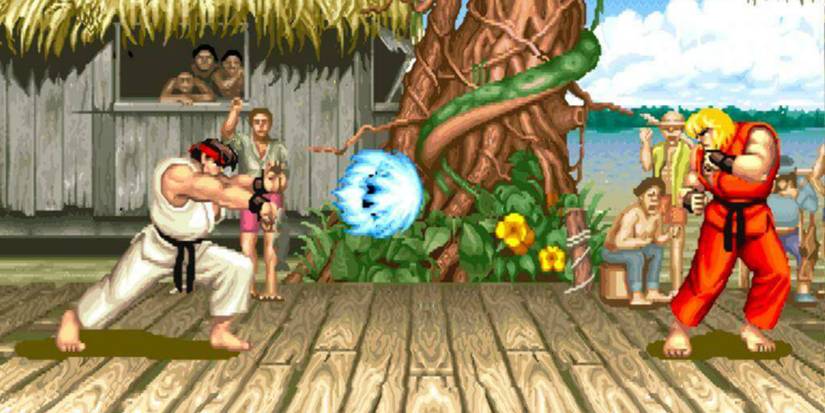
Defining the 10 greatest games of the 1990s requires balancing historical impact, technical innovation, and enduring playability. This decade served as the industry's most transformative era, bridging the gap between simple sprite-based arcade experiences and the complex, immersive 3D worlds that define modern gaming. The following selections represent titles that fundamentally shifted design paradigms and remain influential in 2026.
1. Super Mario World (1990)
As the launch title for the Super Nintendo Entertainment System (SNES), Super Mario World set the gold standard for platforming design. Its integration of Yoshi as a mechanic added a layer of depth to navigation, while the expansive, interconnected overworld map invited exploration rather than linear progression. Its tight, responsive controls and vibrant, color-rich aesthetic defined the 16-bit era.
2. The Legend of Zelda: A Link to the Past (1991)
This title perfected the top-down action-adventure formula. By introducing the "Dark World" mechanic—a parallel dimension that forced players to toggle between realities to solve puzzles—Nintendo established a blueprint for world-building that many developers still emulate today. The sophisticated inventory management and non-linear dungeon progression remain benchmarks for the genre.
3. Doom (1993)
Id Software’s Doom is arguably the most significant PC title of the 90s. Beyond its pioneering use of 3D-like depth and lighting, it popularized the first-person shooter (FPS) genre and established the importance of networked "deathmatch" multiplayer. The game’s source-available philosophy fostered a massive modding community that kept the engine relevant for decades.
4. Chrono Trigger (1995)
Developed by the "Dream Team" of industry titans, Chrono Trigger remains the pinnacle of the Japanese Role-Playing Game (JRPG) genre. Its time-travel narrative allowed for multiple endings and meaningful player agency, while its combat system bypassed random encounters in favor of on-map enemies. Its storytelling efficiency—eliminating filler to focus on character development—set a standard for narrative pacing.
5. Super Mario 64 (1996)
Transitioning a mascot character to a fully realized 3D environment was a monumental technical challenge, and Super Mario 64 solved it by introducing the analog control stick as a standard necessity. By prioritizing freedom of movement and vertical exploration, the game taught an entire generation of players how to navigate 3D space, influencing the design of every platformer that followed.
6. Final Fantasy VII (1997)
Final Fantasy VII brought cinematic ambition to the RPG format. Utilizing pre-rendered backgrounds paired with real-time 3D character models, the game delivered a level of visual spectacle previously unseen on home consoles. Its mature themes, complex materia system, and memorable protagonist cast solidified the popularity of Japanese gaming in the global mainstream market.
7. GoldenEye 007 (1997)
While FPS games were primarily a PC domain, GoldenEye 007 proved that the genre could thrive on consoles through clever control optimization and objective-based mission design. Its split-screen multiplayer became a cultural touchstone, cementing the game’s status as a quintessential communal experience for a generation of console gamers.
8. Half-Life (1998)
Half-Life revolutionized narrative delivery in video games by abandoning cutscenes entirely. By keeping the player in control during every story event, Valve created a seamless, immersive atmosphere that established the "environmental storytelling" trope. The integration of scripted AI interactions and physics-based interactions paved the way for modern tactical shooters.
9. The Legend of Zelda: Ocarina of Time (1998)
Expanding on the lessons learned from Super Mario 64, Ocarina of Time demonstrated how to translate the sprawling, epic scope of an action-adventure game into 3D. Features like "Z-targeting"—the ability to lock onto an enemy—became an industry standard, fundamentally changing how third-person combat functioned in three-dimensional space.
10. StarCraft (1998)
Blizzard’s masterpiece refined the Real-Time Strategy (RTS) genre by introducing three distinct, perfectly balanced factions: the Terran, Zerg, and Protoss. Its professionalization of competitive multiplayer through the Battle.net service laid the groundwork for the modern esports ecosystem. Its strategic depth continues to challenge players in tournaments around the world in 2026.
Comparative Overview of 90s Gaming Milestones
| Game Title | Primary Contribution | Genre |
|---|---|---|
| Super Mario World | Level design and exploration | Platformer |
| Doom | FPS mechanics and modding | FPS |
| Super Mario 64 | Analog 3D movement | Platformer |
| Half-Life | Immersive, scripted narrative | FPS |
| StarCraft | Faction balance and esports | RTS |
The Legacy of the 90s in 2026
The games listed above were not merely popular in their time; they established the technical and artistic frameworks that current-generation hardware still utilizes. As developers in 2026 continue to experiment with procedural generation and advanced AI, they often return to these 90s titles to study their economy of design—where every mechanic served a specific, clear purpose without unnecessary bloat.
Frequently Asked Questions
Why are these specific games considered the greatest? These titles were chosen based on "innovation impact." They did not just sell well; they changed how games were made and played. For instance, Ocarina of Time changed camera systems, while Doom changed network play.
Are these games still playable on modern systems? Yes. Through official digital storefronts, legacy hardware re-releases, and community-maintained source ports, these titles remain highly accessible. Many have been optimized for high-resolution displays and modern control schemes.
Did PC or console games have a larger impact in the 90s? The impact was symbiotic. PCs drove technological advancements (like 3D acceleration), while consoles drove mass-market accessibility and refined user interfaces. The 90s saw the two platforms move closer together in design philosophy.
How do 90s games compare to the complexity of 2026 titles? Modern games prioritize fidelity and expansive, persistent worlds. 90s games, constrained by limited memory, prioritized tight gameplay loops and intentional design. The "greatness" of the 90s often stems from this necessity-driven focus.
Where can I find these games today? Most are available on current-generation subscription services (like Nintendo Switch Online) or distribution platforms like Steam and GOG.com, which offer compatibility patches for modern operating systems.
Recommended Next Action
To truly appreciate the evolution of these titles, select one game from the list that you have never played and attempt to play it using original hardware or a stable, authentic emulation environment. Pay attention to the "tutorialization" of the first level; you will often find that the game teaches you its core mechanics through environmental cues rather than explicit text boxes, a masterclass in design that remains relevant today.