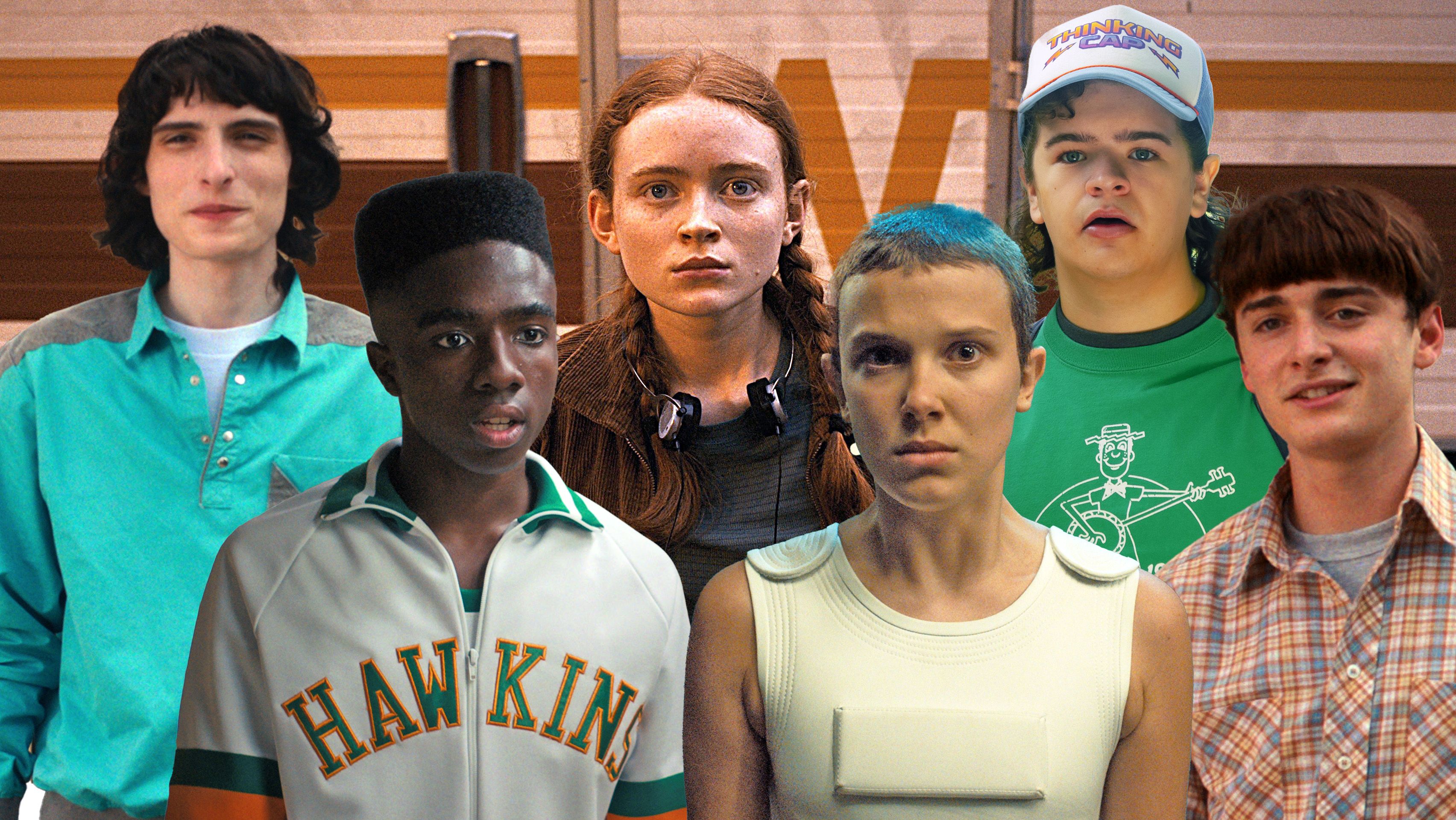
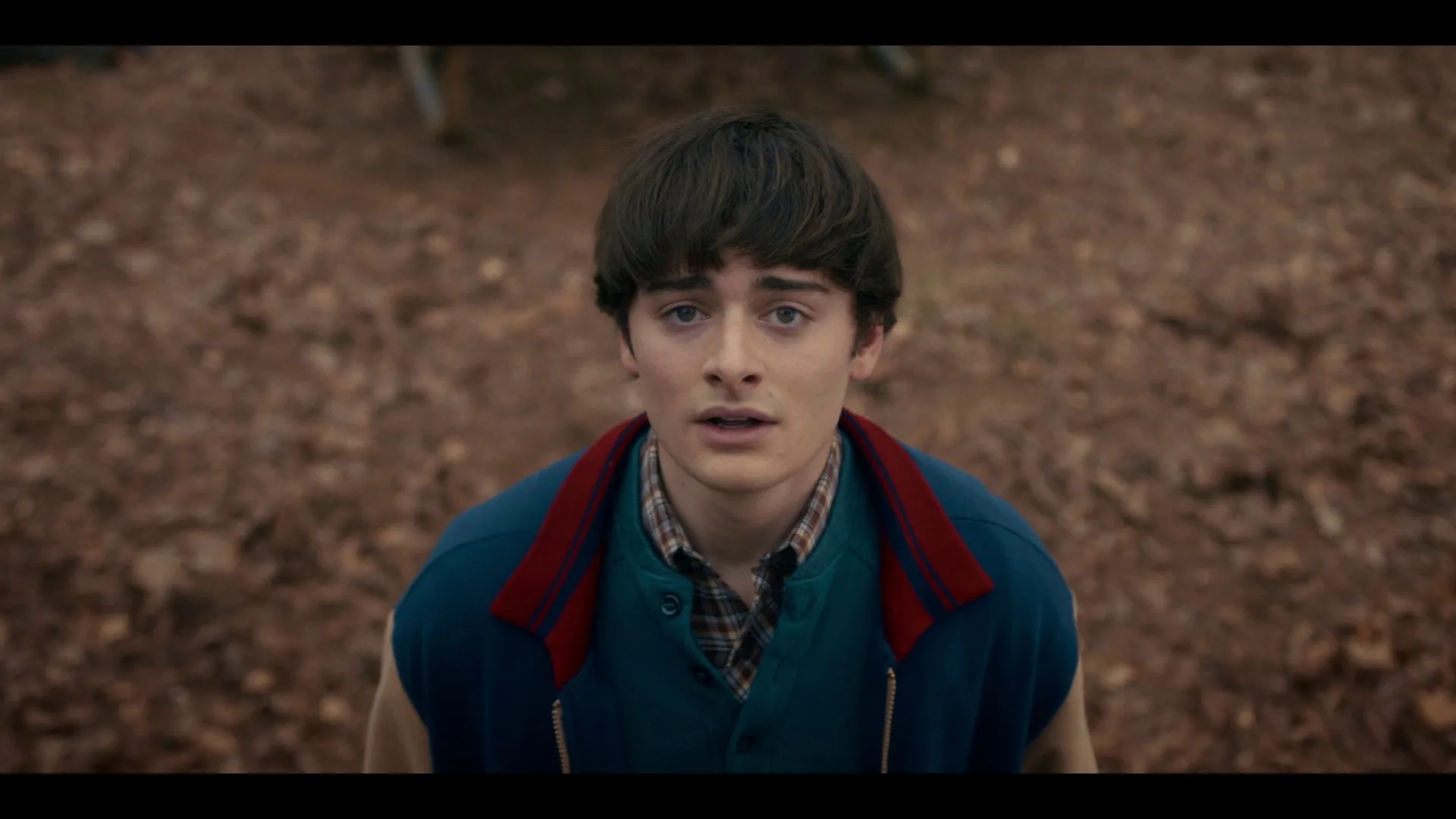
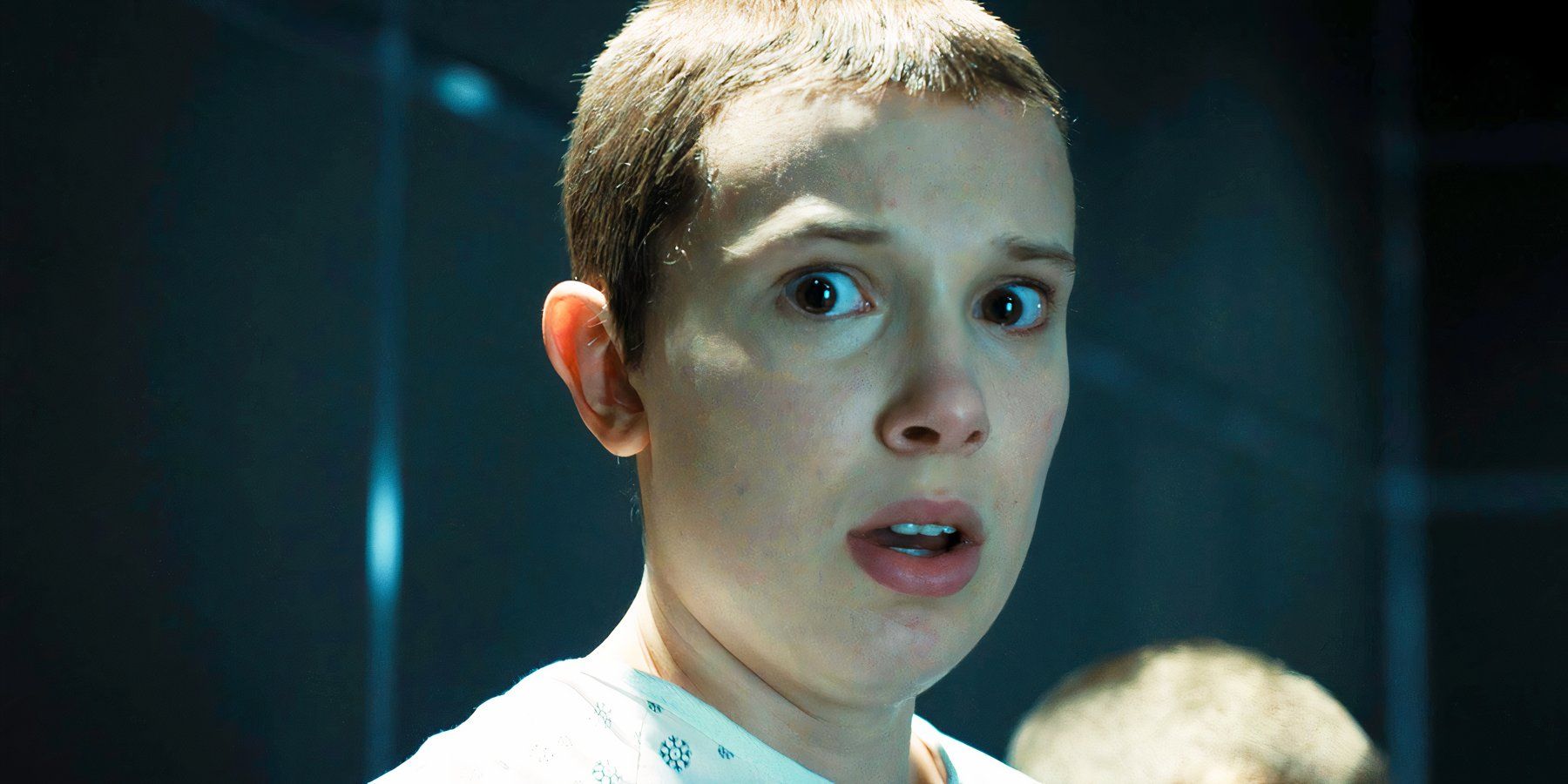
The phrase "Stranger Things who is one" typically refers to the identity of Subject One within the sinister scientific hierarchy of Hawkins National Laboratory. Within the lore of the Netflix science fiction series Stranger Things, Subject One is none other than Henry Creel, also known as Peter Ballard, and ultimately transformed into the terrifying supernatural entity Vecna.
Introduction to Subject Numbers in Hawkins National Laboratory
The mysterious numbering system used inside Hawkins National Laboratory forms the foundational backbone of the mythology surrounding Eleven and her supernatural peers. Long before Eleven—designated as Subject 011—walked the sterile corridors of Dr. Martin Brenner's facility, a series of other children possessed by or exhibiting extraordinary psychokinetic and telepathic abilities were subjected to rigorous, often cruel experimentation.
Understanding who "One" is requires a deep dive into the complex history of the laboratory, the psychological trauma inflicted upon these children, and the dark origins of the Upside Down. Dr. Martin Brenner, often referred to by the children as "Papa," utilized these subjects to explore espionage, telekinesis, and dimensional travel during the height of the Cold War. However, the true catalyst for the horrors seen throughout the series traces back directly to the very first subject admitted into the program: Henry Creel.
The Origin of Henry Creel: The Boy Behind the Number
Before he became Subject One, Henry Creel was a normal yet deeply troubled young boy living in Hawkins, Indiana, during the 1950s. Portrayed primarily by Jamie Campbell Bower as an adult and Raphael Luce as a child, Henry moved into a seemingly picturesque suburban home with his parents, Victor and Virginia Creel, and his sister, Alice.
From an early age, Henry exhibited a profound detachment from humanity and a dark fascination with predators, particularly black widow spiders. He discovered that he possessed immense telekinetic abilities, allowing him to manipulate his environment, create terrifying auditory and visual hallucinations, and probe deeply into the repressed traumas and fears of those around him.
The Tragic Massacre of the Creel Household
Henry's growing resentment toward human hypocrisy and conventional society culminated in a horrific act of domestic violence. Believing that his family was just as flawed and trapped by societal illusions as everyone else, Henry used his psychokinetic powers to murder his mother and sister in cold blood.
During the attacks, the family members experienced classic signs of what would later become known as Vecna's curses: visions of a grandfather clock, severe nasal bleeding, and eventual fatal skeletal deformation. Although Henry attempted to kill his father, Victor Creel, as well, the intense exertion of his powers caused him to slip into a profound coma. Victor Creel was subsequently arrested and blamed for the murders, spending decades locked away in Pennhurst Mental Hospital, while Henry was quietly taken into custody by Dr. Martin Brenner.
Henry Creel Becomes Subject One
Recognizing the boy's unprecedented mental fortitude and raw psychic strength, Dr. Brenner took Henry under his wing and established the experimental program at Hawkins National Laboratory. Because Henry was the first individual brought into the facility for systematic study and weaponization, he was designated as Subject One.
However, Henry's immense power presented a unique challenge for Dr. Brenner. Unlike the children who would come after him, Henry possessed a deeply formed, unyielding ideology and a sadistic personality that could not be easily controlled. To curb his destructive potential and ensure compliance within the laboratory walls, Brenner implanted a specialized tracking and suppression device—a Soteria chip—into Henry's neck.
Life Within the Laboratory Corridors
As an adult, Henry was stripped of his name and integrated into the facility's staff under the guise of an orderly named Peter Ballard. In this role, he interacted closely with the younger subjects of the program, including a young Jane (who would later become Eleven).
While other orderlies and guards treated the children with clinical detachment or outright cruelty, Peter played a sympathetic confidant to Eleven. He manipulated her by sharing his own perceived mistreatment by Dr. Brenner, teaching her how to harness her powers more effectively by channeling her deep-seated pain, anger, and feelings of isolation rather than relying strictly on positive emotions or focus.
The Climax: Eleven Versus One
The tension within Hawkins National Laboratory reached its boiling point in 1979, forming the pivotal backstory explored in the fourth season of the series. Believing that Eleven trusted him, Henry convinced her to use her powers to remove the Soteria chip embedded in his neck, which had been severely limiting his abilities.
Once free of the suppression device, Henry's full power was unleashed. In a brutal, bloody sequence, he massacred nearly all the guards, researchers, and fellow test subjects inside the laboratory, leaving a trail of devastation across the facility.
When Eleven realized the true scope of Henry's sadistic nature and refused to join him in his mission to wipe out humanity and remake the world in his image, a titanic psychic duel ensued. Utilizing her own painful memories of her mother and her fierce desire to protect others, Eleven overpowered Henry, pushing him through a tear in spacetime and casting him directly into the volatile, electrical storms of the dimension that would later be named the Upside Down.
| Subject Designation | Actor / Portrayal | Fate / Status | Significance to Lore |
|---|---|---|---|
| Subject 001 | Jamie Campbell Bower / Raphael Luce | Transformed into Vecna | The original test subject, architect of the Hawkins lab massacre, and primary antagonist of Season 4. |
| Subject 011 | Millie Bobby Brown / Martie Blair | Survived and escaped | The protagonist who accidentally opened initial dimensional gates and defeated One in 1979. |
| The Other Children | Various child actors | Deceased | Used by Dr. Brenner to test psychic capabilities; slaughtered by Subject One in 1979. |
Evolution into Vecna
The environment of the dimension where Henry was cast was harsh, primordial, and saturated with exotic energy and particulate matter. Over years of exposure, his physical body was horribly mutated, fused with the organic tendrils and hive-mind structure of the dimension.
He emerged from this transformation not merely as a human with psychic abilities, but as Vecna—a monstrous, humanoid creature capable of controlling the Demogorgons, the Mind Flayer particles, and every living organism within the Upside Down. Vecna's ultimate goal shifted from terrestrial misanthropy to total dimensional convergence, seeking to bridge the barrier between the Upside Down and Hawkins to destroy humanity once and for all.
Frequently Asked Questions
Who is Subject One in Stranger Things?
Subject One is Henry Creel, a powerful psychic individual who murdered his family in the 1950s, became Dr. Martin Brenner's first test subject, and was later transformed into the villain Vecna after being defeated by Eleven.
How is Peter Ballard connected to Henry Creel?
Peter Ballard is the false identity that Henry Creel assumed while working as an orderly inside Hawkins National Laboratory. He used this disguise to befriend Eleven and manipulate her into removing his power-suppressing chip.
Why did Henry Creel kill his family?
Henry despised human society, viewing everyday people as hypocritical, mundane, and trapped by artificial rules. He believed his extraordinary abilities made him a superior predator, prompting him to punish his family for their perceived flaws.
How did Henry become Vecna?
After Eleven overpowered Henry in their 1979 psychic duel, she banished him through a portal into the dark dimension. The hostile environment severely burned and mutated his flesh, fusing him with the local hive mind to create Vecna.
What is the Soteria chip?
The Soteria chip is a medical device implanted by Dr. Martin Brenner into Henry Creel's neck to suppress his psychokinetic abilities and maintain control over him within the laboratory walls.
Practical Guidance for Viewers and Researchers
For viewers attempting to piece together the dense chronological lore of Stranger Things, understanding the timeline of Subject One is essential. The narrative pivots heavily on the events of 1979, bridging the gap between the early experimental era of the laboratory and the modern suburban horrors experienced by the main cast in Hawkins. When analyzing the progression of the series, keep track of how Henry's manipulation tactics mirror the psychological trauma inflicted upon later test subjects, providing a cohesive thematic thread across all seasons.