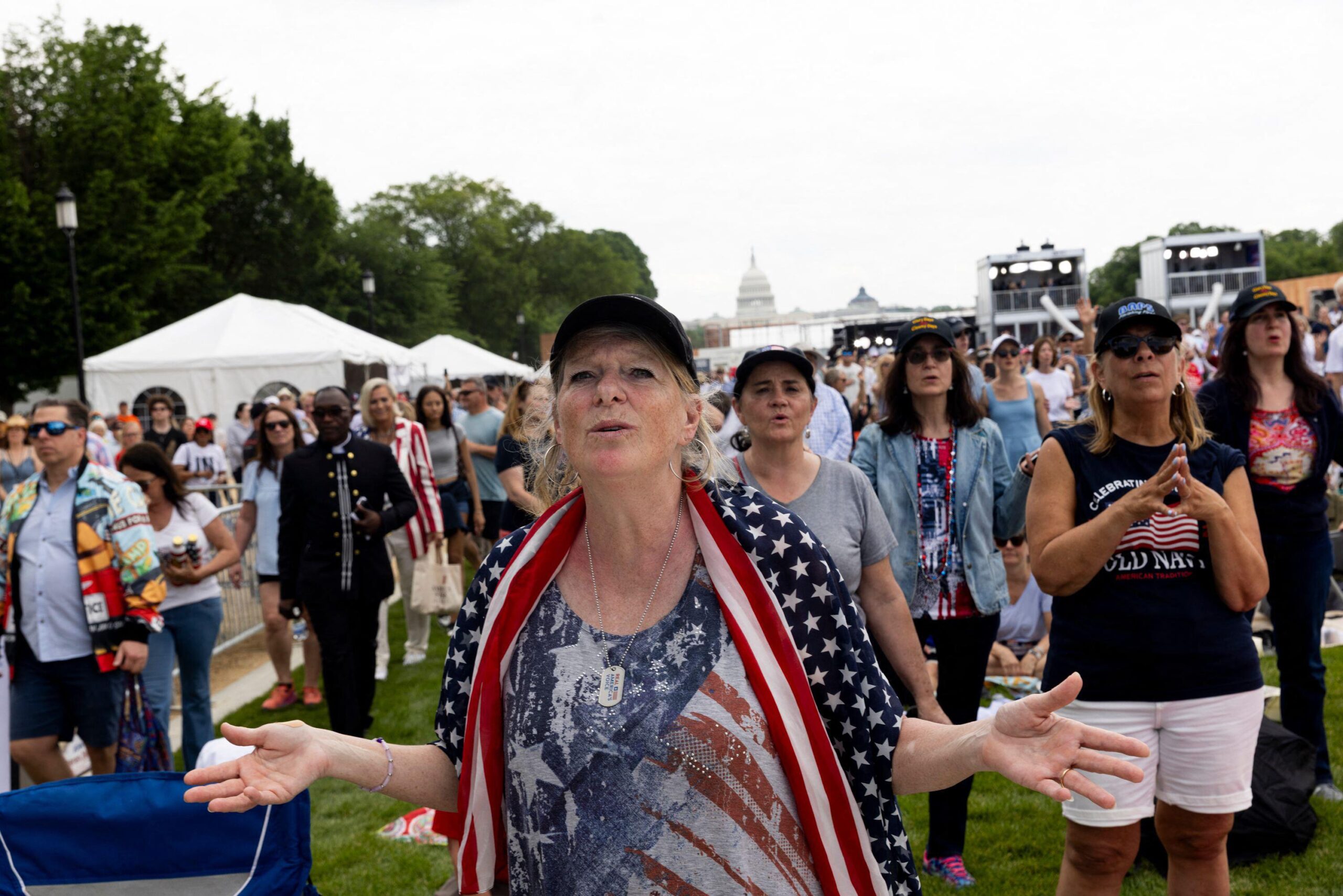
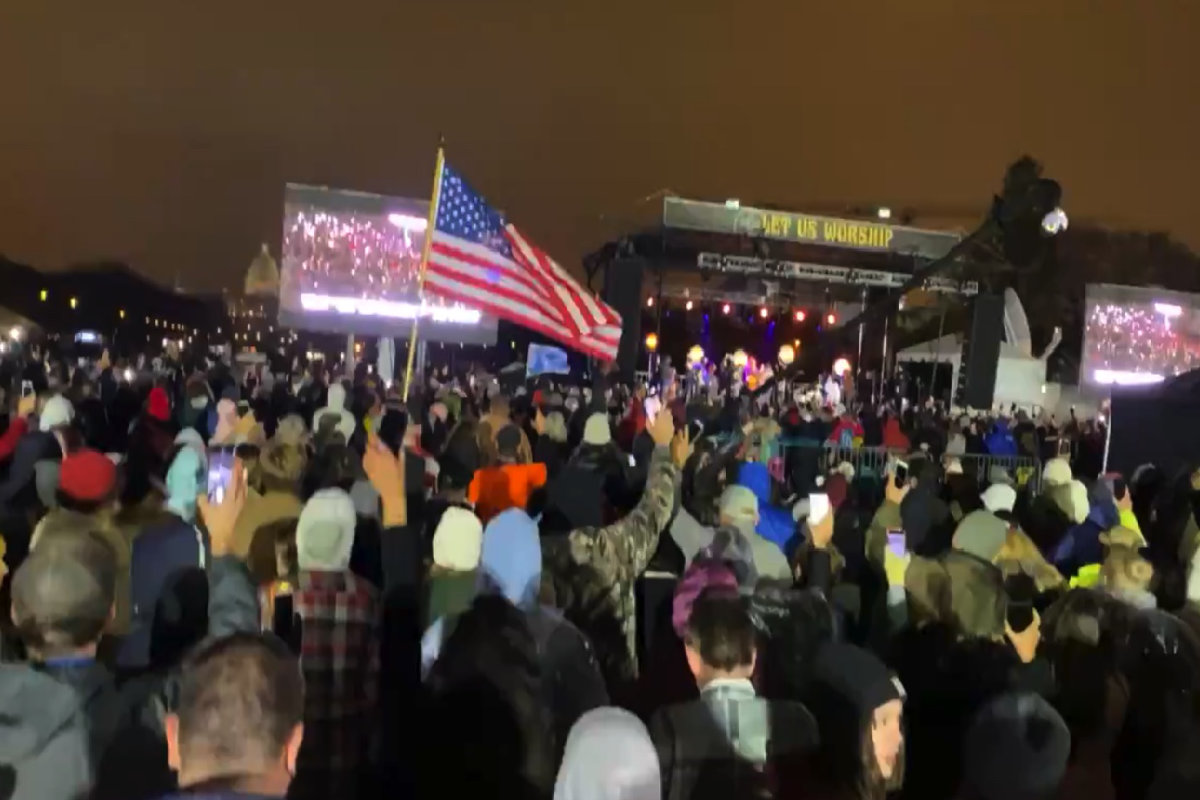
The National Mall prayer event 2026 serves as a major public gathering in the United States capital, bringing together citizens, faith leaders, and organizations for synchronized religious observances, community fellowship, and public worship on federal grounds.
Large-scale public gatherings on the National Mall require extensive coordination with federal agencies, adherence to constitutional guidelines regarding religious expression on public property, and careful logistical planning. Understanding the operational framework, historical context, permitting processes, and security protocols associated with this assembly helps participants, researchers, and event organizers navigate the complexities of hosting or attending major events within the historic center of Washington, D.C.
Historical Context of Prayer Events on the National Mall
The National Mall has long served as a prominent venue for civic assembly, political demonstration, and religious expression. From historic civil rights marches to large-scale faith rallies, the federal parkland managed by the National Park Service (NPS) provides a symbolic backdrop for expressions of national unity and shared beliefs.
Religious assemblies on the National Mall operate under specific federal guidelines that balance the First Amendment right to freedom of speech and assembly with the management responsibilities of the federal government. Historically, gatherings focusing on prayer and national reflection have drawn participants from across the United States, utilizing temporary infrastructure such as staging, sound systems, and seating arrangements to accommodate thousands of attendees.
Organizers of such events must engage with historical precedents established by previous large-scale religious and civic gatherings. These precedents dictate how crowd management, environmental protection of the turf, and amplification limits are handled by federal authorities. Recognizing this background provides a clear baseline for how modern events are structured and administered.
Permitting, Regulations, and Federal Oversight
Hosting an event of significant size on federal property within the United States capital requires navigating a rigorous regulatory environment. The National Park Service, specifically the National Capital Region office, oversees the issuance of permits for demonstrations and special events on the National Mall.
The National Park Service Permitting Process
To secure authorization for the National Mall prayer event 2026, organizers must submit a Special Use Permit or Demonstration Permit application well in advance of the proposed dates. This process involves:
- Submitting a detailed application outlining the expected attendance, duration, and specific locations within the Mall boundaries.
- Providing comprehensive site plans that detail the placement of temporary structures, including stages, lighting towers, audio equipment, and first-aid stations.
- Complying with environmental impact assessments to ensure that heavy foot traffic or temporary infrastructure does not cause permanent damage to protected turf and historical monuments.
- Coordinating with the United States Park Police (USPP) to establish comprehensive security and crowd-control measures.
First Amendment and Regulatory Compliance
Because public prayer events on federal property fall under protected expressive activity, the permitting process is content-neutral. Regulators evaluate applications based on logistics, safety, scheduling conflicts with other permitted events, and potential wear on the grounds rather than the ideological or religious nature of the assembly. Organizers must adhere strictly to federal regulations concerning commercial activity, signage limits, and sound amplification thresholds to maintain their permit status.
Logistical Infrastructure and Crowd Management
Managing a large-scale public assembly on the National Mall involves coordinating complex logistical elements to ensure the safety and comfort of attendees while preserving the integrity of the surrounding federal property.
Site Layout and Staging
The layout of the event area typically revolves around a central stage or focal point designed for speakers, prayer leaders, and musical performers. Because the National Mall spans a linear park from the United States Capitol to the Lincoln Memorial, selecting the exact sector requires balancing visibility, acoustic requirements, and proximity to public transportation hubs. Temporary flooring solutions or ground-protection mats are frequently deployed to prevent turf degradation during high-capacity gatherings.
Crowd Flow and Transportation
With thousands of participants expected to converge on downtown Washington, D.C., transportation planning is a critical component of event execution. Attendees typically rely on the Washington Metropolitan Area Transit Authority (WMATA) Metrorail system, utilizing stations such as Smithsonian, Federal Triangle, L'Enfant Plaza, and Capitol South. Event organizers coordinate with transit officials to monitor station congestion and provide clear pedestrian routes that bypass restricted construction zones or federal security perimeters.
| Logistical Area | Primary Responsibility | Key Considerations |
|---|---|---|
| Site Permitting | National Park Service (NPS) | Spatial allocation, environmental protection, and scheduling coordination. |
| Public Safety | U.S. Park Police & Local Agencies | Perimeter security, emergency medical services, and traffic control. |
| Transportation | WMATA and City Transit Officials | Metrorail capacity, bus rerouting, and pedestrian pathways. |
| Infrastructure | Event Producers and Contractors | Staging, audio-visual setups, portable sanitation, and waste management. |
Security, Safety, and Medical Preparedness
Public safety is paramount for any high-attendance gathering on federal land. The United States Park Police, working in conjunction with the Metropolitan Police Department of the District of Columbia and federal security agencies, establish multi-layered safety protocols for major events on the National Mall.
Emergency Response and Medical Triage
Large public assemblies require dedicated on-site medical infrastructure. Event planners coordinate with local emergency medical services (EMS) and volunteer medical corps to establish first-aid stations, hydration points, and rapid-response pathways for ambulances. Clear signage and communication channels ensure that medical personnel can navigate dense crowds without delay in the event of an emergency.
Communication and Lost-and-Found Protocols
Coordinating communication among event staff, security personnel, and attendees relies on established command centers. Organizers typically publish safety guidelines, prohibited items lists, and emergency contact procedures through official event channels to keep participants informed before and during the gathering.
Frequently Asked Questions
What is the purpose of the National Mall prayer event 2026?
The event serves as a public gathering for individuals and faith groups to engage in collective prayer, worship, and community reflection on federal parkland in Washington, D.C., operating under approved public assembly permits.
Who regulates events held on the National Mall?
The National Park Service, a bureau of the U.S. Department of the Interior, manages permitting and oversight for all demonstrations and special events held on the National Mall alongside the U.S. Park Police.
Are permits required to host a prayer gathering on federal property in Washington, D.C.?
Yes. Any organized gathering, demonstration, or special event expecting a designated number of participants or utilizing temporary infrastructure on federal parkland requires an approved permit from the National Park Service.
How do attendees typically travel to events on the National Mall?
Most participants utilize the Metrorail system managed by WMATA, arriving at nearby stations such as Smithsonian or Federal Triangle, complemented by regional bus services and designated pedestrian walkways.
Where can official updates regarding event schedules and guidelines be found?
Official updates, regulatory notices, and logistical announcements are distributed through the National Park Service special events portal and authorized organizing committees managing the specific gathering.
Practical Recommendations for Attendees and Organizers
For participants planning to attend the National Mall prayer event 2026, preparation ensures a smooth and safe experience. Attendees should monitor local weather forecasts, wear comfortable walking shoes, and utilize public transit to avoid downtown traffic congestion and limited parking availability near the National Mall. Bringing essential items such as water, identification, and weather-appropriate clothing helps manage the demands of an outdoor, all-day gathering.
For organizers, early engagement with the National Park Service permitting office remains the single most critical step in successful event execution. Securing required logistical vendors, coordinating transit plans with city officials, and establishing transparent lines of communication with security agencies ensure compliance with federal regulations and a safe environment for all participants.