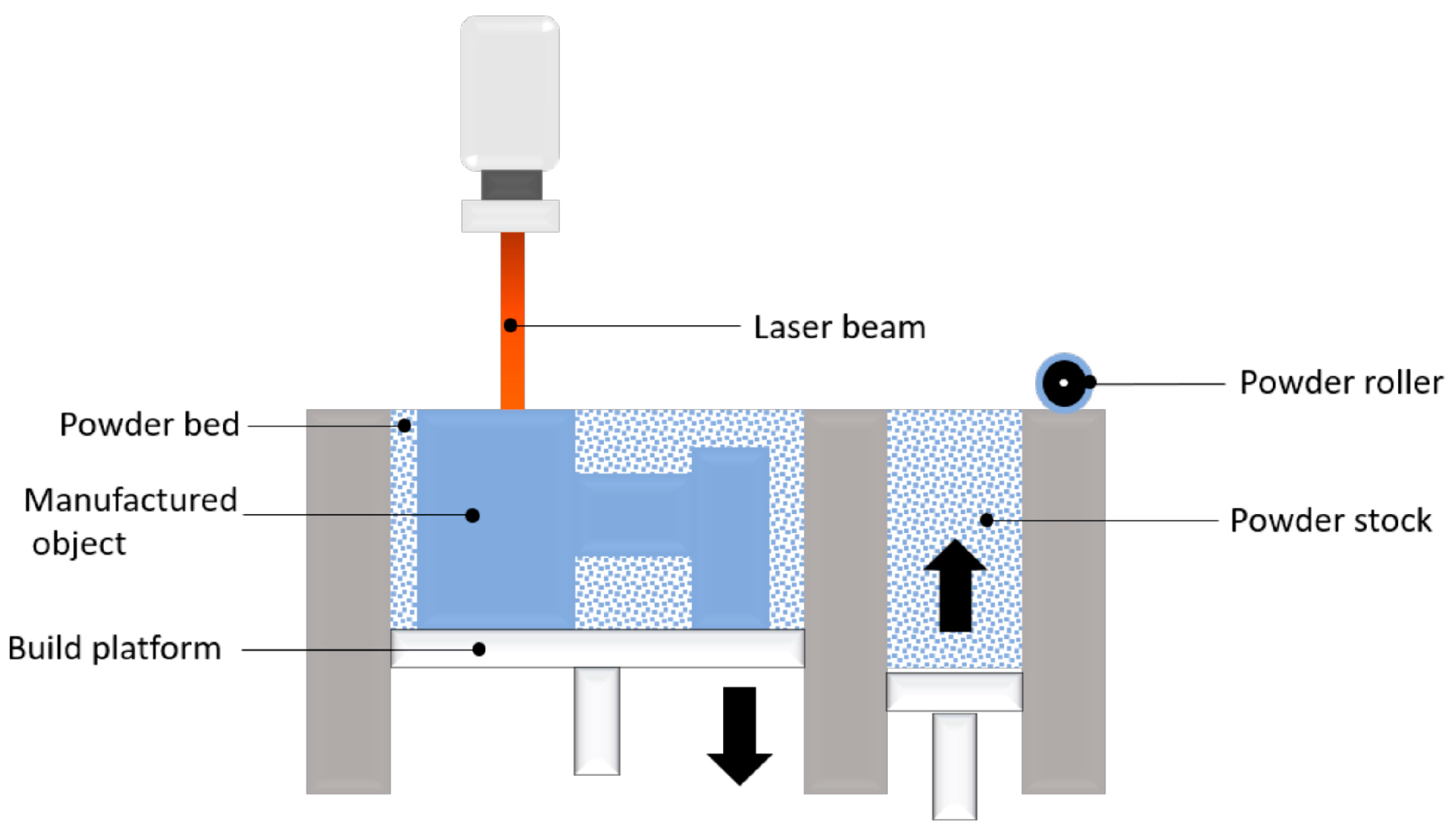
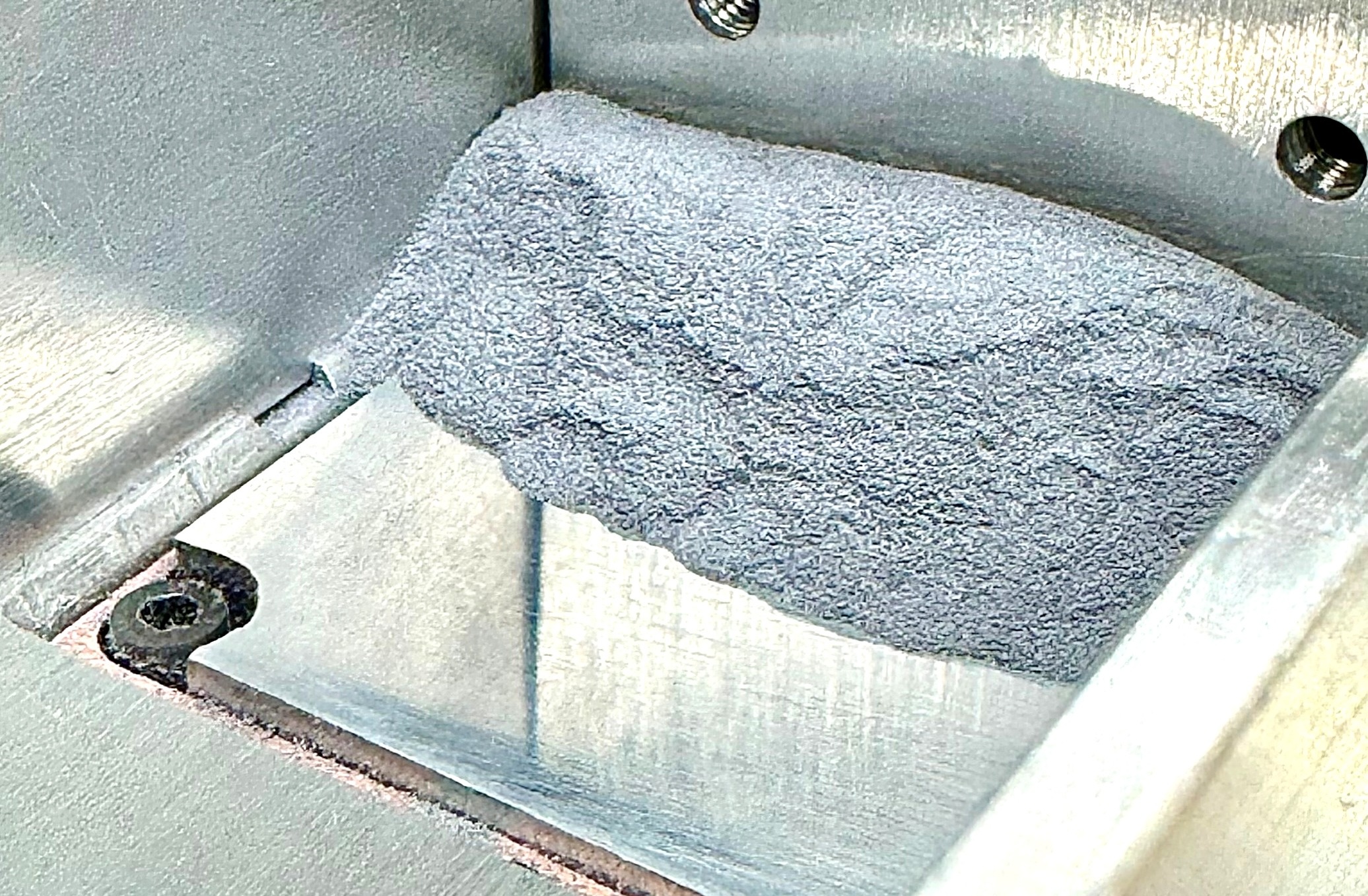
3D printer metal powder use involves binding or fusing fine metallic particles layer-by-layer to create complex industrial components. This comprehensive process requires specialized handling equipment, precise laser or electron beam systems, and strict post-processing protocols to achieve structural integrity, mechanical strength, and exact geometric tolerances across aerospace, medical, and automotive applications.
Introduction to Additive Manufacturing with Metal Powders
The landscape of modern manufacturing has experienced a fundamental shift with the maturation of metal additive manufacturing (AM). Moving far beyond the realm of rapid prototyping for plastic mockups, metal 3D printing now enables the production of end-use production parts, highly customized medical implants, and lightweight aerospace components featuring internal geometries that are completely impossible to manufacture through traditional machining or casting. At the heart of this technology is metal powder—a specialized, highly engineered feedstock that determines the mechanical properties, surface finish, and overall quality of the printed artifact.
Understanding the lifecycle of metal powders used in 3D printing requires an appreciation of materials science, metallurgy, and precise environmental control. Unlike bulk metals, which are shaped through subtraction or deformation, metal powders must flow uniformly, absorb laser or electron beam energy predictably, and fuse into dense, defect-free metallic structures. This overview examines the core characteristics of these powders, the primary printing technologies that consume them, safety and handling protocols, and the ongoing operational considerations required for successful industrial deployment.
Core Characteristics and Production of Metal Powders
The performance of any metal 3D printed component begins long before the build file reaches the printer; it starts with the morphology and metallurgy of the powder feedstock itself. High-quality metal powders must meet stringent criteria regarding particle size distribution, morphology, flowability, and chemical purity.
Manufacturing Methods: Gas and Water Atomization
The vast majority of metal powders utilized in additive manufacturing are produced through atomization processes. In gas atomization, a molten stream of metal is broken up by high-pressure inert gas jets—typically argon or nitrogen—resulting in spherical particles with minimal internal porosity. Spherical morphology is critical because it ensures optimal flowability, allowing the powder to spread smoothly across the build platform in thin, uniform layers.
Water atomization utilizes high-pressure water jets instead of gas. While it is more cost-effective and produces higher yields of certain alloy types, water atomized powders often exhibit irregular, jagged shapes. These irregular shapes reduce flowability, though they can be beneficial for specific binder jetting applications where green strength is prioritized over high packing density.
Particle Size Distribution (PSD)
Particle size distribution dictates both the layer thickness achievable during printing and the final surface roughness of the component.
- Laser Powder Bed Fusion (L-PBF): Typically utilizes finer powders, ranging from 15 to 45 micrometers ($\mu m$), to resolve intricate features and maintain tight tolerances.
- Electron Beam Powder Bed Fusion (EB-PBF): Frequently uses coarser powder cuts, ranging from 45 to 105 $\mu m$, to prevent particle charging and scattering under the influence of the electron beam.
- Directed Energy Deposition (DED) and Binder Jetting: Often employ broader distributions, such as 50 to 150 $\mu m$, optimized for higher deposition rates or specific powder-spreading dynamics.
Major Metal Powder Printing Technologies
Different additive manufacturing technologies interact with metal powders in distinct ways, influencing the choice of material, machine architecture, and post-processing requirements.
Laser Powder Bed Fusion (L-PBF)
Also known as Selective Laser Melting (SLM) or Direct Metal Laser Sintering (DMLS), L-PBF uses one or more high-powered lasers to selectively melt and fuse microscopic metallic particles layer by layer in a tightly controlled inert gas environment. As the laser scans the cross-section of the CAD model, the metal powder melts and rapidly solidifies. This rapid cooling rate—often exceeding $10^5$ to $10^6$ Kelvin per second—results in fine microstructures with exceptional mechanical strength, frequently surpassing traditionally cast equivalents.
Electron Beam Powder Bed Fusion (EB-PBF)
EB-PBF replaces the laser source with an electron beam operating in a high vacuum. The entire build chamber is preheated to high temperatures, which significantly reduces residual thermal stresses within the printed components. Because the process occurs in a vacuum, highly reactive or oxidation-prone materials—such as titanium aluminides—can be processed with minimal risk of contamination. Furthermore, EB-PBF builds faster than many laser-based systems, making it a preferred choice for large-scale production of orthopedic implants and aerospace structural brackets.
Binder Jetting
In metal binder jetting, a liquid binding agent is selectively jetted onto a bed of metal powder to form a "green" part layer by layer. Once the printing process concludes, the fragile green part undergoes debinding and high-temperature sintering in a furnace. During sintering, the binder is burned off, and the metal particles fuse together, densifying the component. This technology offers exceptionally high build speeds and eliminates the need for complex support structures during printing, though post-sintering shrinkage must be accounted for in the initial CAD design.
| Technology | Primary Particle Size Range | Typical Applications | Key Advantage |
|---|---|---|---|
| Laser Powder Bed Fusion (L-PBF) | 15 – 45 $\mu m$ | Aerospace brackets, complex internal cooling channels | High resolution, fine microstructures |
| Electron Beam Powder Bed Fusion (EB-PBF) | 45 – 105 $\mu m$ | Medical orthopedic implants, titanium components | Low residual stress, high build rates |
| Binder Jetting | 20 – 100 $\mu m$ | Automotive components, high-volume production parts | High throughput, no support structures needed |
| Directed Energy Deposition (DED) | 50 – 150 $\mu m$ | Large structural repair, hybrid manufacturing | Rapid deposition rates, large build envelopes |
Commonly Used Metal Alloys in Additive Manufacturing
Not all metals are easily adapted to additive manufacturing. The alloy's thermal conductivity, melting range, and laser/electron absorption characteristics dictate its printability. The most widely adopted metal powder families include:
Titanium Alloys
Titanium alloys, most notably Ti-6Al-4V (Grade 5 and Grade 23), are prized for their high strength-to-weight ratio, exceptional corrosion resistance, and biocompatibility. They are heavily utilized in aerospace for structural airframe components and in medicine for hip and knee replacements, spinal cages, and dental fixtures.
Nickel-Based Superalloys
Superalloys such as Inconel 718 and Inconel 625 maintain their mechanical strength, creep resistance, and surface stability at extreme temperatures. These materials are indispensable in the aerospace and energy sectors, where they are used to print rocket engine combustion chambers, turbine blades, and gas turbine components.
Stainless Steels and Tool Steels
Martensitic and austenitic stainless steels (such as 316L and 17-4PH) offer robust corrosion resistance and mechanical versatility at a lower cost than titanium or nickel alloys. Tool steels, like H13, are frequently used to print injection molds with conformal cooling channels, drastically reducing cycle times in plastic injection molding.
Aluminum Alloys
Aluminum powders, including AlSi10Mg, provide lightweight solutions with good thermal conductivity and dynamic strength. While aluminum's high reflectivity and thermal conductivity present challenges during laser melting, properly optimized process parameters yield reliable parts for automotive housings and aerospace brackets.
Safety, Handling, and Environmental Controls
Working with fine metal powders introduces unique occupational health, safety, and environmental challenges that require rigorous facility design and personal protective equipment (PPE).
Flammability and Explosion Hazards
Many fine metal powders—particularly reactive metals like titanium, aluminum, and magnesium—are combustible. In a finely divided state suspended in air, these powders form explosive dust clouds if exposed to an ignition source such as a spark, static electricity, or open flame. Facilities must implement explosion-proof electrical systems, specialized grounded vacuum cleaning equipment, and inert gas purging systems (using argon or nitrogen) in powder handling areas.
Health and Toxicity Concerns
Inhaling fine metal particulates poses severe health risks. Elements such as cobalt, nickel, and chromium are known sensitizers or carcinogens. Operators must wear appropriate respiratory protection (such as powered air-purifying respirators or supplied-air hoods), protective garments, and nitrile gloves during powder loading, removal, and sieving operations. Dedicated ventilation systems, laminar flow containment booths, and wet-vacuum cleaning protocols are mandatory to prevent airborne migration of dust.
Powder Recycling and Quality Degradation
To maintain economic viability, unused powder recovered from the build chamber is routinely sieved and blended with virgin powder for reuse. However, repeated thermal exposure, moisture absorption, and oxidation can degrade powder morphology. Facilities must monitor particle size distribution, apparent density, and chemical composition (especially interstitial oxygen and nitrogen levels) to ensure recycled powder continues to meet strict aerospace or medical specifications.
Frequently Asked Questions
What is the difference between gas-atomized and water-atomized metal powders?
Gas-atomized powders are produced using inert gas jets, resulting in spherical particles with high flowability and low porosity, ideal for powder bed fusion. Water-atomized powders use water jets, yielding irregular particle shapes that are more cost-effective and suited for applications like binder jetting where particle spherical perfection is less critical.
Can unused metal powder be reused indefinitely?
No. Each time metal powder is exposed to laser or thermal energy during a build cycle, it experiences micro-structural changes, oxidation, and potential contamination. Facilities establish a "refresh rate"—mixing a specific ratio of recycled powder with virgin powder—and routinely test the feedstock for chemical purity and particle size distribution.
Why is an inert gas atmosphere required during metal 3D printing?
At elevated temperatures, molten reactive metals like titanium, aluminum, and stainless steel react rapidly with oxygen, forming brittle oxide inclusions that degrade mechanical strength. Using an inert gas shield (argon or nitrogen) prevents oxidation and maintains the metallurgical integrity of the printed part.
How are support structures removed from metal 3D printed parts?
Because metal printing involves extreme thermal gradients, parts require support structures to anchor them to the build plate and dissipate heat. These supports are typically removed via wire electrical discharge machining (EDM), CNC machining, band saws, or manual grinding, followed by thermal heat treatments to relieve residual stresses.
What post-processing steps are necessary after metal 3D printing?
Most metal 3D printed components require a sequence of post-processing steps before deployment, including stress-relief heat treatment while still on the build plate, support removal, hot isostatic pressing (HIP) to eliminate internal micro-voids, CNC machining of critical mating surfaces, and surface finishing treatments like bead blasting or electropolishing.
Conclusion and Next Actions
The utilization of 3D printer metal powders has transformed from an experimental laboratory technique into a cornerstone of advanced digital manufacturing. Success in this domain relies heavily on understanding the intricate relationships between powder characteristics, machine parameters, metallurgical behaviors, and safety protocols.
Organizations looking to adopt or expand their metal additive manufacturing capabilities should begin by auditing their specific application requirements, ensuring facility compliance with strict metal dust safety regulations, and establishing rigorous powder qualification and recycling protocols to guarantee consistent part performance.