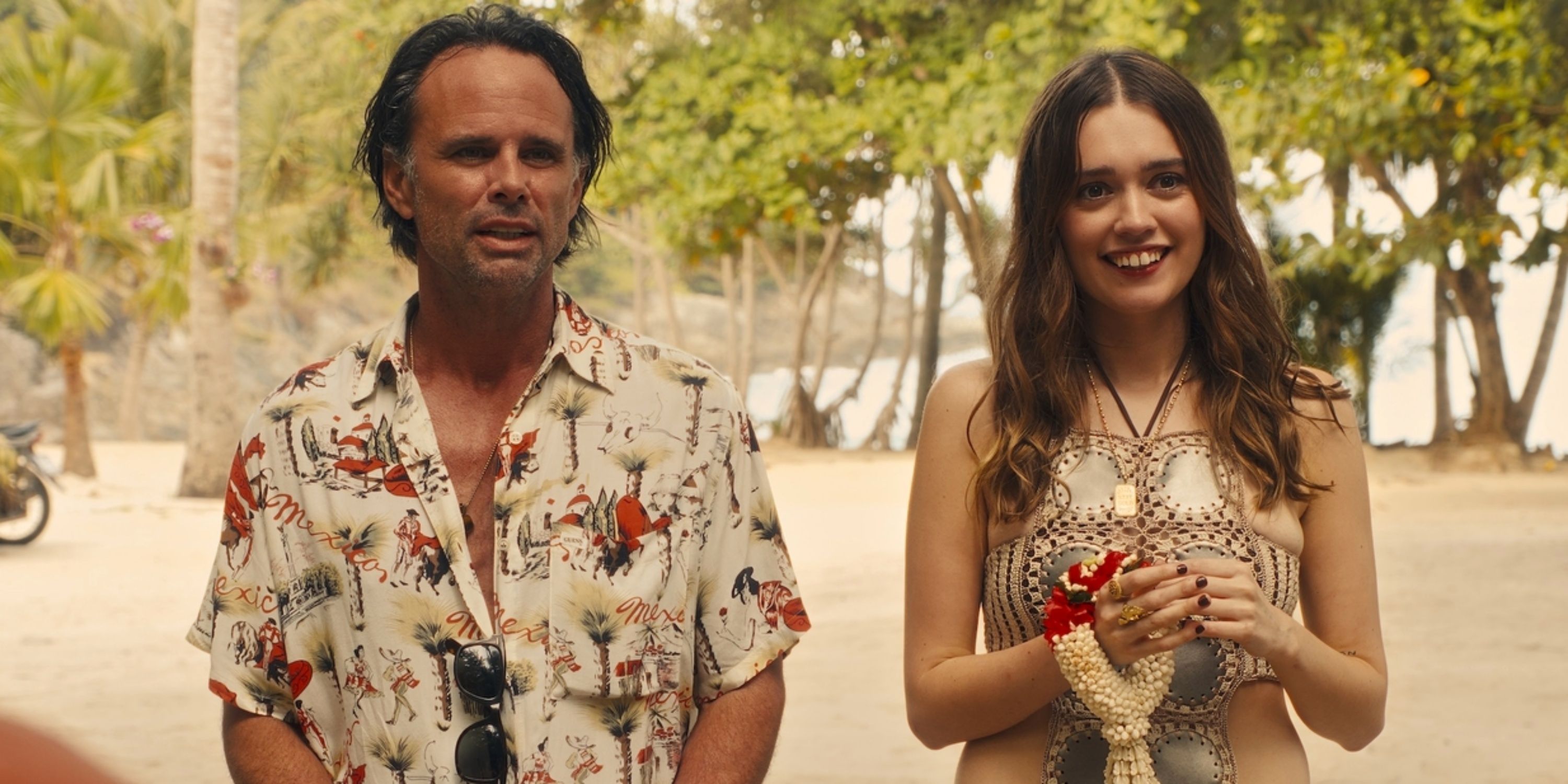
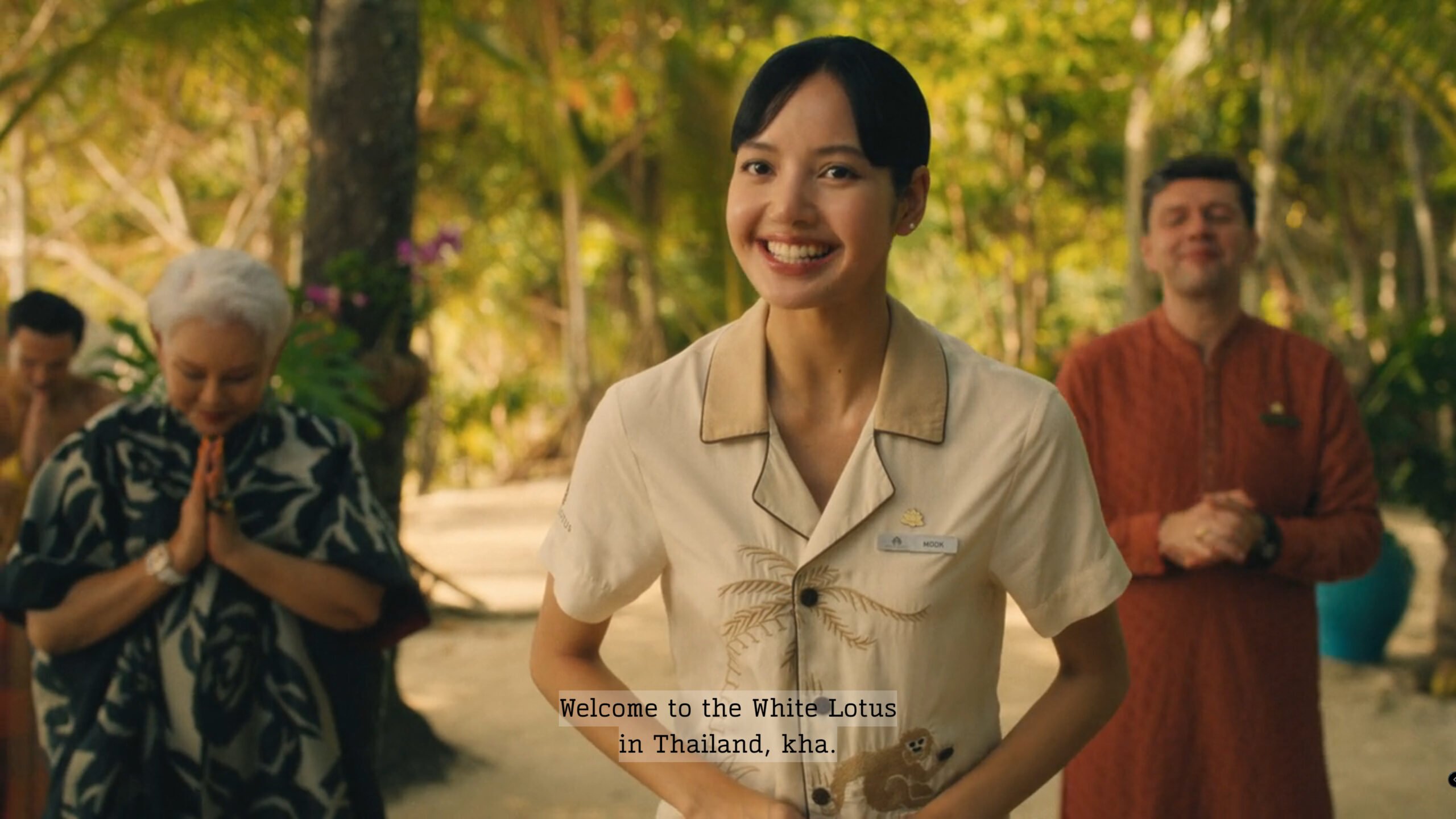
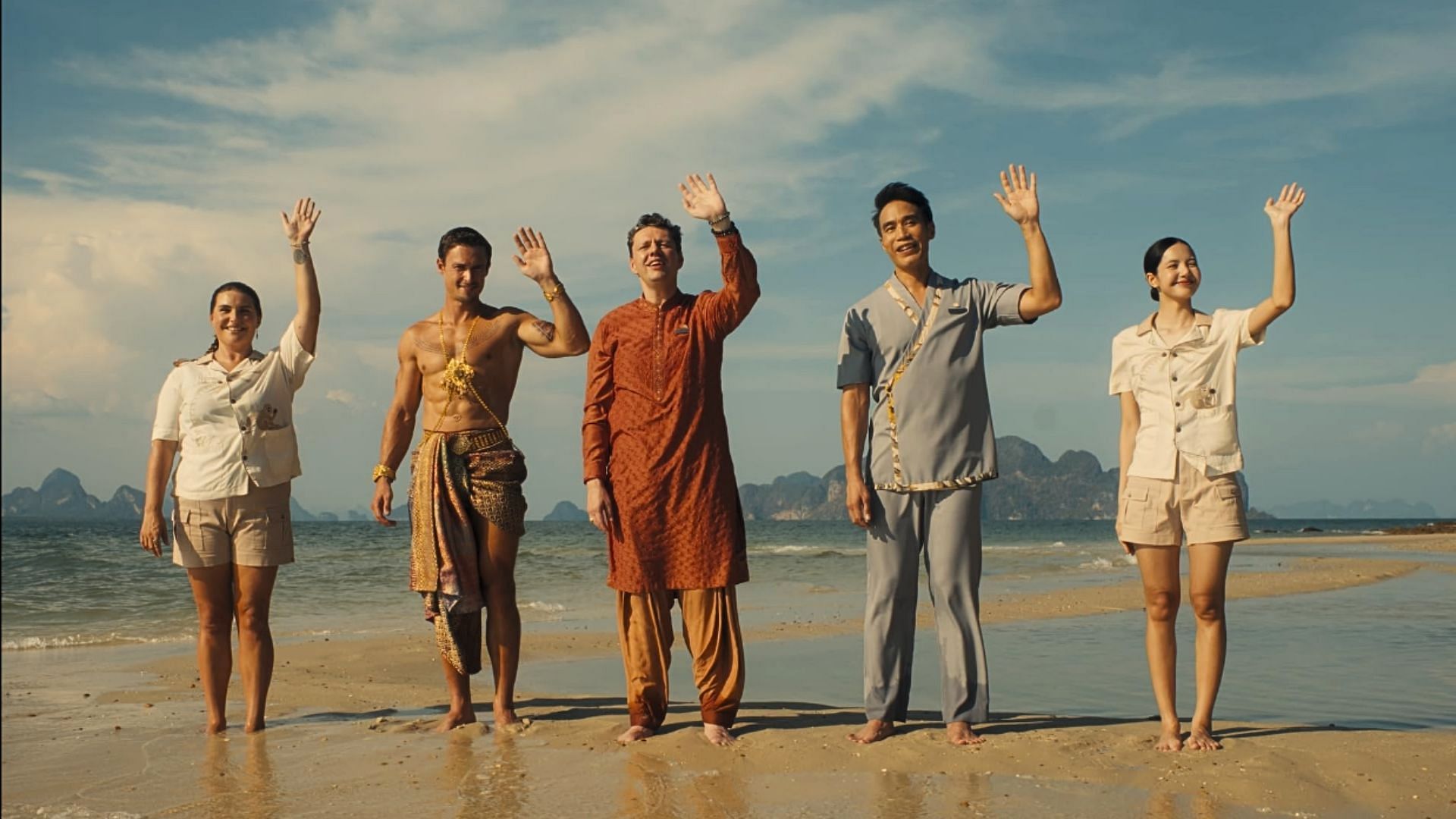
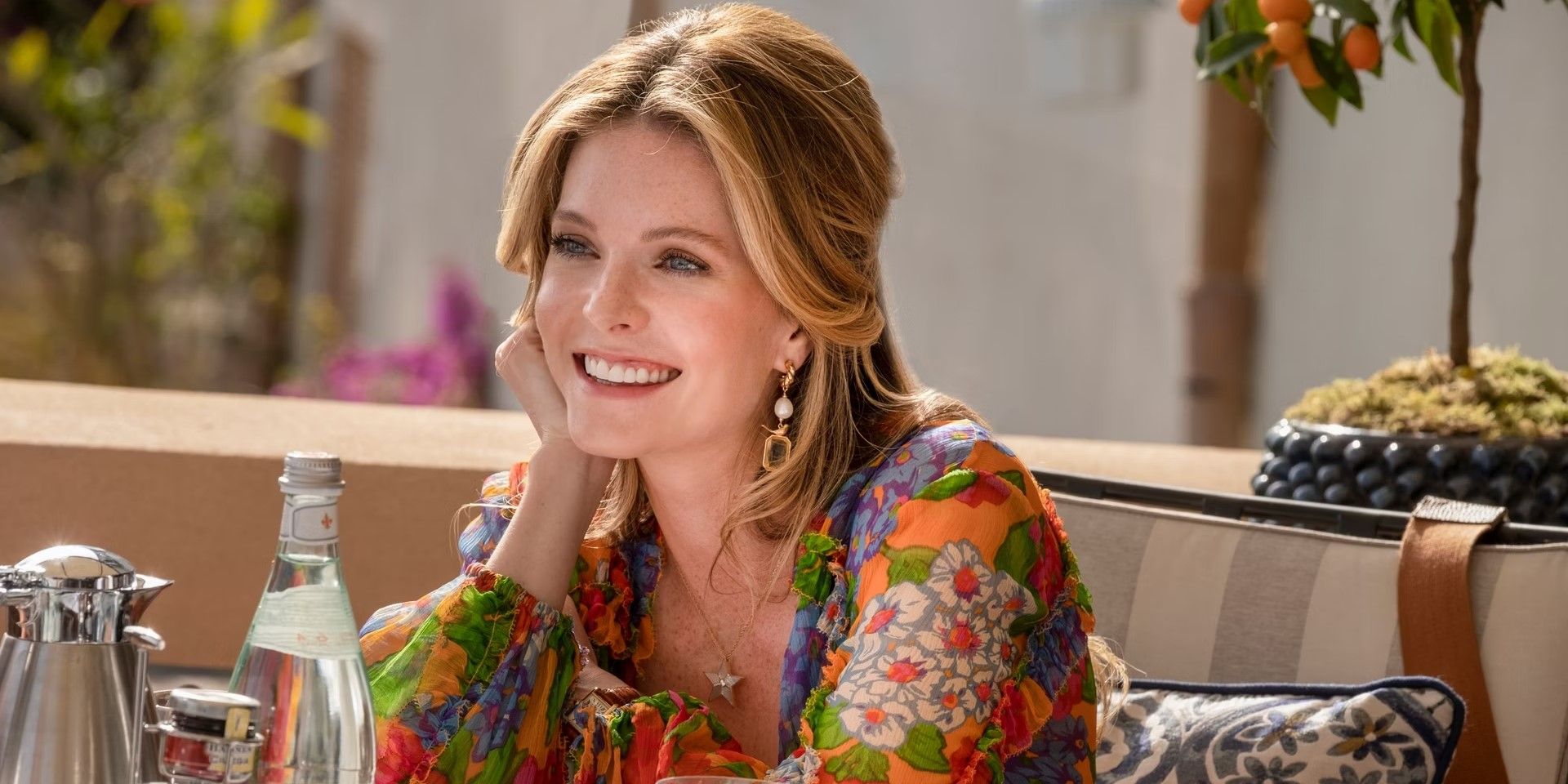
The standout sartorial element in The White Lotus Season 3 centers on the evolving visual language of the resort guests, particularly through the use of vibrant, locally inspired prints and structured silhouettes that contrast sharply with the lush, spiritual backdrop of Thailand. These specific dress details serve as critical markers of character development, signaling themes of excess, superficiality, and the jarring intersection of Western tourism with Eastern tradition.
The Significance of Costume Design in The White Lotus
Costume design in Mike White’s The White Lotus is never incidental; it is an extension of the script. As the series moves from the Italian Riviera to the coastal and jungle resorts of Thailand, the fashion shifts to reflect a more humid, exotic, and potentially treacherous environment. The key dress details analyzed here underscore the fundamental tension of the show: the arrival of wealthy, often detached individuals into a culture they attempt to consume through their aesthetic choices.
In previous seasons, the wardrobe relied heavily on high-end luxury labels that projected status and boredom. Season 3 adopts a slightly different methodology. While the luxury remains, the pieces are carefully curated to highlight how the characters are out of place. The deliberate choice of patterns, fabrics that react to the tropical climate, and cuts that emphasize mobility—or a lack thereof—allows the audience to track character arcs without a line of dialogue being spoken.
Decoding the Primary Dress Aesthetic: Fabric and Print
The central design detail that anchors the third season is the integration of "resort maximalism." Unlike the muted, classic linens of previous locales, the dresses in the Thailand-based season feature intricate, high-contrast botanical and geometric prints.
The materiality of these garments is essential to the production. Costume designers utilized breathable, high-quality silks and cotton blends that catch the light in specific ways during the outdoor scenes. When a character wears a heavy, structured dress amidst the natural beauty of the Thai landscape, the costume acts as a visual irritant, highlighting their refusal to adapt to the local environment. Conversely, when a character wears flowing, airy garments, it often signals an attempt—sometimes genuine, often performative—to integrate with their surroundings.
Character-Specific Narrative Signaling
Every major character’s dress choices provide a narrative clue about their internal state. When analyzing the most prominent dresses of the season, consider the following technical breakdown:
- Color Palette Displacement: Characters often wear colors that exist in total opposition to the background. In the jungle settings, the deliberate use of bright, saturated primary colors serves to make the characters look like intruders in a natural, serene environment.
- Structural Formality: The inclusion of rigid tailoring, such as structured shoulders or corseted bodices, highlights the "uncomfortable" nature of these individuals. These details suggest that even on vacation, the characters are burdened by their own societal expectations and psychological baggage.
- Embellishment and Ornamentation: The specific placement of gold hardware or delicate beading on dresses is used to indicate the character's level of entitlement. The more ornate the dress, the more insulated the character is from the reality of the people serving them.
Comparative Analysis: Season 3 vs. Previous Cycles
To understand why the dress details in Season 3 feel distinct, one must compare them to the established visual language of the franchise’s history.
| Feature | Season 1 (Hawaii) | Season 2 (Sicily) | Season 3 (Thailand) |
|---|---|---|---|
| Dominant Motif | Tropical/Resort Casual | Old World Opulence | Botanical Maximalism |
| Primary Fabric | Linen and Jersey | Silk and Lace | Technical Silk and Organdy |
| Color Scheme | Earth Tones/Florals | Jewel Tones/Black | Saturated Brights/Neons |
| Symbolic Intent | Colonial Entitlement | European Romanticism | Cultural Displacement |
The Role of Accessories in Completing the Look
No dress in The White Lotus functions in a vacuum. The styling—the specific jewelry, the choice of footwear, and the way the garment is layered—is essential. In Season 3, the accessories often tell a darker story than the dresses themselves. For instance, the use of oversized, statement eyewear paired with intricate dresses reinforces the idea of the characters as "observers" who are fundamentally incapable of truly seeing their environment. They look, but they do not perceive.
Furthermore, the transition from day wear to evening wear provides a roadmap for the tension of the series. The evening dresses in the third season tend to be more constrained, indicating that when the sun goes down, the "polite" veneer of the resort guests begins to crack, leading to the series' trademark interpersonal conflicts.
Common Misinterpretations of Style Choices
Viewers often mistake the fashion in The White Lotus for simple "resort style" or trend-chasing. This is a primary error in analysis. The costume team is not tasked with selling a trend; they are tasked with building a facade for a character. If a dress looks "tacky" or "over-the-top," it is intentional. It is a criticism of the character’s taste, their wealth, and their lack of self-awareness.
When observing the key dress details, ask yourself: Why is this character wearing this specific piece in this specific situation? The answer is rarely about the character wanting to look pretty; it is almost always about the character wanting to signal their dominance, their vulnerability, or their desire to be somewhere—or someone—else.
Technical Limitations and Production Considerations
It is worth noting that shooting in the Thai climate presents significant challenges for costume departments. Fabrics must be treated to prevent visible perspiration, and colors must be tested to ensure they do not wash out under the harsh, tropical sun. The technical detail in the dress construction—hidden reinforcements, moisture-wicking linings, and color-fast dyes—is a testament to the high-budget production standards required to keep these garments looking pristine, even when the characters wearing them are falling apart.
Frequently Asked Questions
1. Is the fashion in the show intended to be a reflection of current 2026 luxury trends? No. While the show is contemporary, the wardrobe is bespoke to the characters. The costume department prioritizes narrative consistency over current runway trends, meaning the dresses are designed to stand the test of time as storytelling devices rather than seasonal fashion statements.
2. Why do the characters wear such vibrant colors in the jungle? The high-contrast, vibrant colors are a deliberate visual choice to emphasize the friction between the Western travelers and the natural environment. It highlights their status as outsiders who refuse to blend in or respect the local aesthetic.
3. Do the dress details change as the mystery of the season unfolds? Yes. You will notice that as tensions rise toward the finale, the clothing becomes more disheveled, or conversely, more armor-like. The "details"—the crispness of a collar, the perfection of a hem—begin to fray, mirroring the psychological unraveling of the protagonists.
4. Can these styles be replicated for everyday wear? While the individual pieces are often high-fashion, the principle of "resort maximalism" can be translated into personal style by focusing on breathable fabrics with bold, saturated prints. However, the intent behind the White Lotus aesthetic is one of performative wealth, which serves as a cautionary style lesson rather than an aspirational one.
Recommendation for Further Observation
For those interested in the craft behind the screen, focus your attention on the secondary characters in Season 3. While the leads often wear the most dramatic pieces, the supporting cast's clothing serves as a "background noise" that establishes the socioeconomic hierarchy of the resort. Observe the dresses worn during the larger group dinner scenes; note how the placement of patterns and the varying lengths of hemlines serve to visually segment the guests into cliques and factions. This is where the most subtle, yet effective, character work is found.