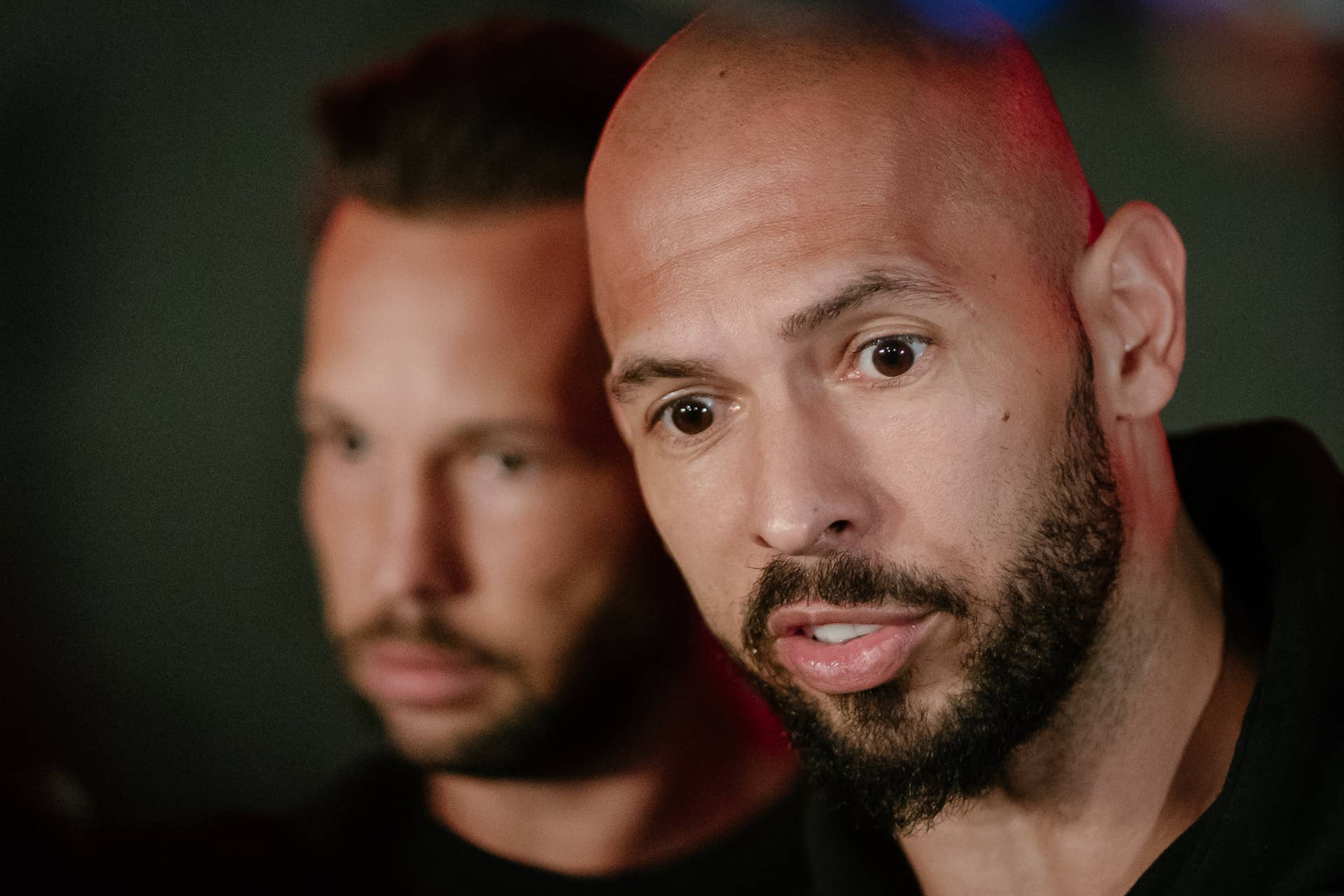
Andrew and Tristan Tate are biracial, born to an African American father and a white British mother. Their father, Emory Tate, was a renowned American chess International Master, while their mother, Eileen Tate, is of English descent. Consequently, the brothers identify as mixed-race, possessing both Black and European ancestry.
The Family Background of Andrew and Tristan Tate
To understand the ethnic identity of the Tate brothers, one must look closely at their immediate genealogy. Andrew (Emory Andrew Tate III) and his younger brother Tristan were born in the United States before moving to the United Kingdom during their childhood. Their heritage is a blend of two distinct cultural and racial backgrounds, which has played a significant role in their public personas and personal narratives.
Who Was Emory Tate?
The primary source of the brothers' Black heritage is their father, Emory Andrew Tate Jr. Born in Chicago in 1958, Emory Tate was a formidable figure in the world of professional chess. He was an African American man who earned the title of International Master in 1993. Beyond his racial identity, Emory was celebrated for his immense intellect and his service in the United States Air Force, where he excelled as a linguist.
Emory Tate was a dominant force in the U.S. Armed Forces Chess Championship, winning it five times. His reputation in the chess community was that of a "tactical genius" who often defeated Grandmasters despite not holding the highest title himself. For Andrew and Tristan, their father represents a "warrior-poet" archetype—a man who was ethnically Black, intellectually superior, and physically capable. Andrew frequently cites his father’s discipline and mental toughness as the foundation for his own "Top G" philosophy.
Who is Eileen Tate?
The brothers' mother, Eileen Tate (formerly Ashleigh), is a white British woman. Following the dissolution of her marriage to Emory Tate, Eileen moved the family from the United States to her hometown of Luton, England. This move was a pivotal moment in the brothers' lives, transitioning them from an American environment to a British working-class setting.
Eileen worked as a catering assistant to support her children in Luton. While the brothers often speak about the hardships of growing up in a low-income household in the UK, they maintain a protective stance regarding their mother’s privacy. Her English heritage is the source of their British citizenship and their distinct accents, which often blend American and English inflections.
Navigating Biracial Identity: The Brothers' Perspective
The question of whether the Tate brothers are Black is often raised because their physical appearance can be ambiguous to those unfamiliar with their parentage. As biracial individuals, they occupy a space that includes both Black and white experiences. However, their self-identification is nuanced.
Andrew Tate’s Stance on Race
Andrew Tate has addressed his ethnicity multiple times in interviews and social media broadcasts. He identifies as biracial but often emphasizes his father’s lineage when discussing his genetics, strength, and intelligence. He has used his Black heritage to counter accusations of racism or to navigate conversations about social dynamics.
Andrew’s approach to race is largely individualistic. He often argues that "merit" and "capability" supersede racial categorization. While he acknowledges his African American roots, he does not typically align himself with modern sociopolitical movements associated with Black identity in the West. Instead, he presents himself as a "citizen of the world," leveraging his mixed heritage to appeal to a global audience across diverse cultures, from the Middle East to Eastern Europe.
Tristan Tate’s Public Persona
Tristan Tate generally mirrors his brother’s sentiments regarding their heritage. Like Andrew, he acknowledges his biracial background while focusing more on his lifestyle, business ventures, and the "Tate" family name. For both brothers, the "Tate" brand is built more on the legacy of their father’s character than on a specific racial advocacy.
The Impact of Upbringing in Luton, England
The brothers' racial identity cannot be separated from the environment in which they were raised. Luton is known for being a multicultural town with a significant immigrant population. Growing up as biracial American-born children in a predominantly white and South Asian working-class British environment provided the brothers with a unique social lens.
In many of their podcasts, they describe being "outsiders" twice over—once for being American in England, and once for being biracial in a society that, at the time, was still navigating the complexities of integration. This sense of "otherness" likely contributed to their drive to achieve high levels of financial and social status. They have frequently stated that they did not feel "white enough" for some or "black enough" for others, leading them to create an identity based on personal achievement rather than group belonging.
Comparison of the Tate Brothers' Profiles
As of 2026, the brothers remain prominent figures in digital media. While they share the same heritage, their career trajectories and public roles have slight variations.
| Feature | Andrew Tate | Tristan Tate |
|---|---|---|
| Full Name | Emory Andrew Tate III | Tristan Tate |
| Date of Birth | December 1, 1986 | July 15, 1988 |
| Place of Birth | Washington D.C., USA | Chicago, Illinois, USA |
| Primary Ethnicity | Biracial (Black/White) | Biracial (Black/White) |
| Father's Nationality | American (African American) | American (African American) |
| Mother's Nationality | British (White English) | British (White English) |
| Athletic Background | 4x Kickboxing World Champion | Professional Kickboxer |
| Key Influence | Strategic business/Philosophy | Media presence/Business ops |
Common Misconceptions Regarding Their Race
There are several reasons why the public frequently asks about the Tate brothers' race. These misconceptions often stem from their physical appearance, their accents, and their geographical locations.
Physical Appearance and "Passing"
In various lighting or depending on their tan, the brothers may appear more or less "white-passing" to some viewers. This ambiguity is common among biracial individuals with one Black parent and one white parent. Because they do not fit a singular stereotype of what a Black or white man "should" look like, viewers often search for clarification regarding their roots.
The Impact of Their American and British Accents
Because the brothers moved to the UK as children, their accents are a unique hybrid. This linguistic mix can confuse audiences about their origin. People often assume that "Black" identity is synonymous with a specific cultural dialect, and when the brothers speak with mid-Atlantic or Estuary English accents, it creates a cognitive dissonance for those relying on racial tropes.
Religion and Cultural Affiliation
Andrew Tate’s conversion to Islam in recent years has added another layer to the discussion. In the global public consciousness, Islam is sometimes incorrectly conflated with specific ethnicities (Middle Eastern or North African). Consequently, some people assume the brothers have Arab or North African heritage, which is factually incorrect. Their connection to the Islamic world is religious and cultural, not genealogical.
The Legacy of Emory Tate in the 21st Century
The influence of Emory Tate on his sons is perhaps the most documented aspect of their heritage. As an African American man who broke barriers in the highly competitive and often exclusionary world of international chess, Emory provided a blueprint for his sons.
Emory was known for his "adventure" in chess—he played with a risky, attacking style that prioritized flair and victory over safety. This "attacking" mindset is evident in how Andrew and Tristan approach business and social media. They view their father’s Black heritage not just as a racial category, but as a lineage of "intellectual combat."
The brothers have often shared stories of their father’s struggles, including his lack of financial wealth despite his genius. They have positioned their own pursuit of extreme riches as a way to honor a father who, in their eyes, was a "king" without a "kingdom." This narrative is a central pillar of their brand and explains why they are so vocal about their father's ethnicity and life story.
Cultural Context of Biracial Identity in Media
The Tate brothers' rise to fame occurred during a time when racial identity is a frequent topic of public discourse. Their ability to move between different cultural spheres—identifying with their African American father’s struggle while also navigating the white-majority spaces of European kickboxing and business—has been a strategic advantage.
In the United States, biracial individuals with one Black parent have historically been identified as Black under the "one-drop rule," a legacy of Jim Crow-era laws. In the United Kingdom, the identification is often more fluid, with "mixed-race" being a standard census category. The brothers represent this transatlantic shift in how race is perceived. They are a product of both the American racial history and the British class system.
Summary of Ethnic and National Identity
To summarize the factual basis of their identity:
- Racial Identity: Biracial (Mixed-race).
- Paternal Heritage: African American (via Emory Tate).
- Maternal Heritage: White British (via Eileen Tate).
- National Identity: Dual American and British roots, though they primarily operate as global citizens with significant ties to Romania and the Middle East as of 2026.
Frequently Asked Questions
Are the Tate brothers 100% Black?
No, the Tate brothers are not 100% Black. They are biracial, meaning they have ancestors from more than one racial group. Their father was Black (African American) and their mother is white (British).
What is the nationality of the Tate brothers' parents?
Their father, Emory Tate, was an American citizen. Their mother, Eileen Tate, is a British citizen. Because of this, the brothers have historically had connections to both the United States and the United Kingdom.
Does Andrew Tate speak about his Black heritage?
Yes, Andrew Tate frequently speaks about his father, Emory Tate, and credits him for his mindset and success. He acknowledges his Black heritage, particularly when discussing his father’s achievements in chess and the U.S. Air Force.
Why do some people think the Tate brothers are not Black?
Some people may be confused by the brothers' skin tone, accents, or the fact that they grew up in a predominantly white area of England. Additionally, their public focus on "success" and "masculinity" often transcends traditional racial conversations, leading to questions about their background.
Who is Janine Tate?
Janine Tate is the younger sister of Andrew and Tristan. Like her brothers, she is biracial. However, she lives a much more private life in the United States and is reportedly not close to her brothers due to differences in their worldviews and public conduct.
Is Andrew Tate's mother still alive in 2026?
As of 2026, Eileen Tate has remained out of the public eye. The brothers have historically supported her financially but have kept details regarding her current life and health private to protect her from the intense media scrutiny they face.
Next Actions and Verification
For those seeking to verify the heritage of the Tate brothers, the most authoritative sources remain the documented history of Emory Tate's chess career and the brothers' own biographical interviews. You can explore archives from the United States Chess Federation (USCF) to see the records of Emory Tate Jr., which confirm his identity and professional standing.
To better understand their cultural background, researching the socio-economic history of Luton, England, in the 1990s and 2000s provides context on the environment that shaped their perspective as biracial youth. While the brothers' public personas are controversial, their ethnic background is a well-documented matter of public record.