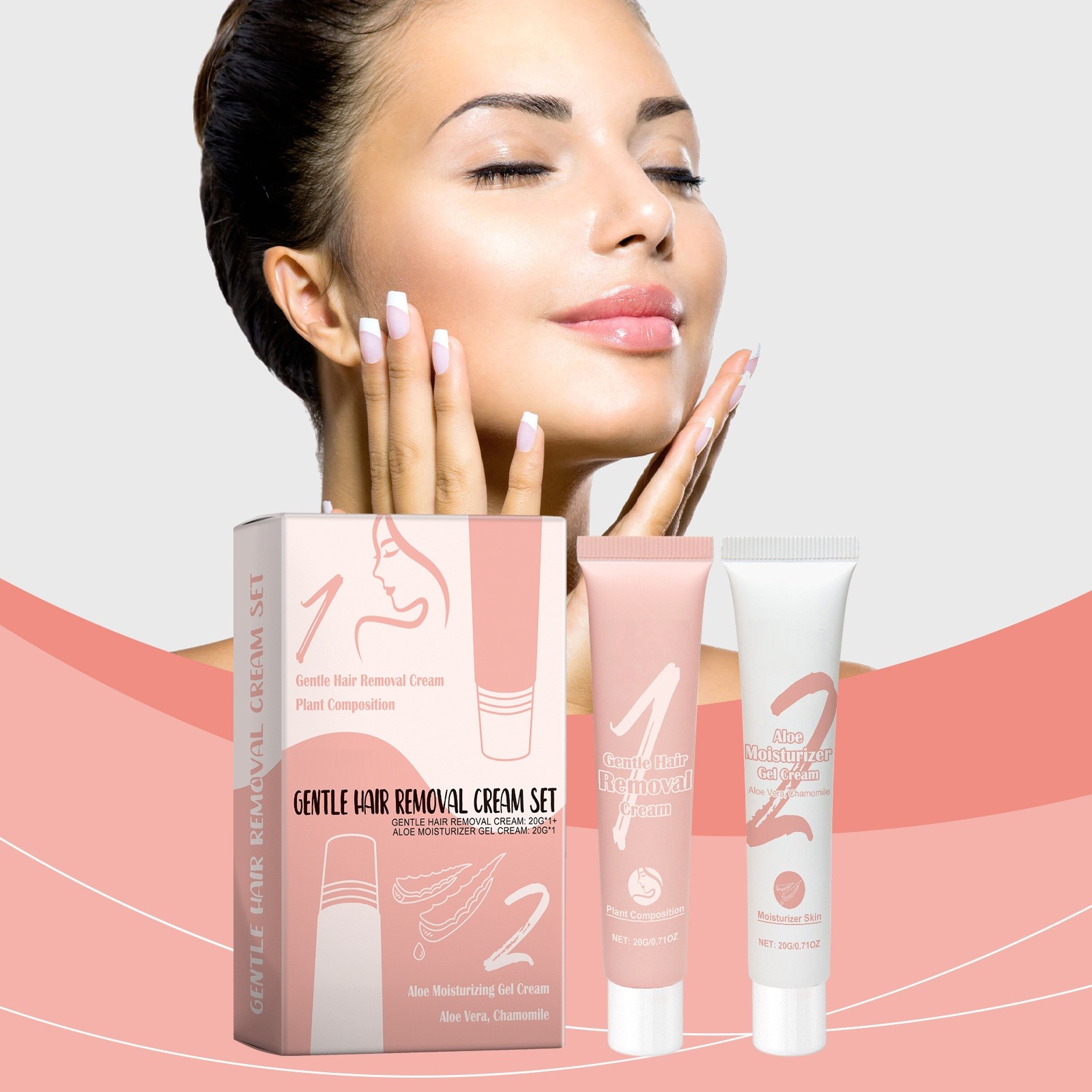
A high-quality hair removal cream achieves smooth skin by using alkaline chemicals to dissolve the keratin structure of the hair just below the skin's surface. Unlike shaving, which leaves blunt edges, depilatories result in a tapered hair tip that feels softer as it regrows and provides smoothness for up to four to seven days.
Understanding the Science of Depilatory Creams
To choose a truly effective hair removal cream, it is essential to understand the chemical process occurring on the skin. Most modern depilatories, as of 2026, utilize active ingredients such as calcium thioglycolate or potassium thioglycolate. These compounds are reducing agents that specifically target the disulfide bonds within the keratin protein of the hair shaft.
When these bonds are broken, the hair loses its structural integrity and turns into a jelly-like substance that can be easily wiped away. Because the cream penetrates slightly into the follicular opening, the hair is removed at a level lower than a razor could reach. This explains why the skin feels significantly smoother after a depilatory treatment compared to mechanical shaving. However, because the chemicals required to dissolve hair are potent, they typically operate at a high pH level (often between 11 and 12.5). This alkalinity is necessary for the thioglycolate to work but requires careful formulation with skin-soothing agents to prevent irritation.
Why Smoothness Lasts Longer with Creams
The primary reason users seek out hair removal creams for smooth skin is the "shadow-free" result. When you shave, the razor cuts the hair at an angle, leaving a sharp, blunt edge that becomes prickly within 24 hours. A depilatory cream dissolves the hair into a rounded, tapered end.
Furthermore, because the cream sits on the skin for several minutes, it often acts as a mild chemical exfoliant. Many formulations contain urea, which helps break down the dead skin cells on the stratum corneum (the outermost layer of the skin). This dual action—removing hair and exfoliating dead skin—is what produces that characteristic "silky" feel that is difficult to replicate with other at-home methods.
Selecting the Right Formula for Your Skin Type
Not all hair removal creams are created equal. The "best" cream is one that balances efficacy with your specific skin sensitivity and the thickness of the hair being removed.
Sensitive Skin Formulations
For those with reactive skin, look for formulas labeled "sensitive" or "fragrance-free." These products usually contain lower concentrations of active thioglycolates and higher concentrations of soothing agents. Key ingredients to look for include:
- Aloe Vera: Provides immediate cooling and hydration.
- Vitamin E: Acts as an antioxidant to support the skin barrier.
- Bisabolol: A derivative of chamomile that reduces redness and irritation.
Coarse Hair and Stubborn Areas
If you are removing hair from the bikini line or legs where the hair is thicker, you may need a "Maximum Strength" or "Coarse Hair" formula. These have a slightly higher pH or a more viscous consistency that allows the cream to stay in contact with the hair shaft without drying out.
Shower-Resistant Options
Modern 2026 formulations often include water-resistant ingredients (like certain oils or polymers) that allow the cream to stay on the skin while you shower. This is a significant convenience factor, though the cream should still not be placed directly under a high-pressure stream of water until it is time for removal.
Critical Ingredients for Skin Protection
While the active chemicals do the work of hair removal, the "support" ingredients determine how your skin feels afterward. A premium hair removal cream for smooth skin should contain a blend of emollients and humectants to counteract the drying effects of the alkaline environment.
- Glycerin: A powerful humectant that pulls moisture into the skin during the treatment.
- Shea Butter or Cocoa Butter: These fats provide a protective occlusive layer, preventing the skin from losing too much moisture while the chemicals are active.
- Mineral Oil or Sweet Almond Oil: These improve the spreadability of the cream and ensure even coverage, which is vital for preventing "patches" of remaining hair.
Step-by-Step Guide to Achieving Maximum Smoothness
Achieving professional-level results at home requires more than just applying the cream. Follow this verified protocol to ensure safety and efficacy.
1. The Mandatory Patch Test
Even if you have used depilatory creams before, current 2026 safety guidelines from the American Academy of Dermatology recommend a patch test for every new bottle or formulation. Apply a small amount to the area you intend to treat, wait the recommended time, and rinse. Observe the area for 24 hours. If no redness, itching, or burning occurs, you can proceed.
2. Skin Preparation
Ensure your skin is clean and dry. Do not apply the cream to skin that has been recently exfoliated, sunburned, or irritated. Avoid taking a very hot bath immediately before application, as this can open the pores too much and increase the risk of chemical sensitivity.
3. Application Technique
Apply a thick, even layer of the cream. Do not rub it in; it should sit on top of the skin like frosting on a cake. Ensure all hair is completely covered. If you leave gaps, you will end up with uneven patches.
4. Timing and Monitoring
Set a timer for the minimum duration listed on the packaging (usually 3 to 5 minutes). Use a damp washcloth to test a small area at the minimum mark. If the hair comes away easily, proceed to removal. Never exceed the maximum time listed (usually 10 minutes), as this is the primary cause of chemical burns.
5. Proper Removal and Rinsing
Use a wet washcloth or the plastic spatula provided with some products to gently scrape away the cream against the direction of hair growth. Once the cream is removed, rinse the area thoroughly with lukewarm water. Do not use soap immediately after, as the skin's pH is already elevated and soap can cause further irritation.
| Feature | Sensitive Skin Formula | Coarse Hair Formula | Shower-Resistant Formula |
|---|---|---|---|
| Primary Active | Low-conc. Thioglycolate | High-conc. Thioglycolate | Standard Thioglycolate |
| Soothing Agents | Aloe, Vitamin E, Bisabolol | Shea Butter, Lanolin | Essential Oils, Polymers |
| Typical Wait Time | 5–10 minutes | 3–7 minutes | 3–6 minutes |
| Best Used On | Face, Underarms | Bikini Line, Legs | Legs, Arms |
| Consistency | Lightweight Lotion | Thick Cream | Water-Repellent Paste |
Post-Treatment Care for Long-Lasting Smoothness
The work doesn't end once the hair is gone. To maintain smooth skin and prevent issues like ingrown hairs or "strawberry legs," you must follow a post-depilatory regimen.
- pH Balancing: Since the cream is highly alkaline, consider using a mild, slightly acidic toner or a specialized post-depilatory balm to help return the skin to its natural pH (around 5.5).
- Moisturization: Apply a fragrance-free, hypoallergenic moisturizer. Avoid products with high alcohol content or strong perfumes for at least 24 hours.
- Exfoliation Timing: Wait 48 hours before using physical scrubs or chemical exfoliants (like Salicylic or Glycolic acid). This gives the skin's barrier time to recover from the depilatory process.
- Sun Protection: Depilatory creams can make the skin more photosensitive. If you have treated your legs or arms, apply a broad-spectrum SPF 30+ if you plan to be outdoors.
Troubleshooting Common Issues
Despite the convenience of hair removal creams, users occasionally encounter hurdles. Understanding how to manage these ensures a better experience.
Lingering "Chemical" Odor
While 2026 fragrance technologies have improved, the sulfurous smell of thioglycolates can linger. To mitigate this, ensure you are in a well-ventilated room during application. Rinsing with a mixture of water and a splash of lemon juice (if your skin isn't sensitive) can help neutralize the odor, as the citric acid breaks down the residual sulfur compounds.
Chemical Burns or Redness
If you experience a stinging sensation during the process, wash the cream off immediately with cool water. For mild redness after removal, a 1% hydrocortisone cream or a cold compress can soothe the inflammation. If blistering occurs, consult a medical professional.
Incomplete Hair Removal
This usually happens if the hair is too long or the cream was applied too thinly. For best results, hair should be between 1/8 and 1/4 inch long. If it is longer, trim it slightly before applying the cream to ensure the chemicals can reach the base of the hair shaft.
Comparing Hair Removal Creams to Other Methods
To determine if a hair removal cream is truly the "good" choice for your needs, consider how it stacks up against the competition in 2026.
- Vs. Shaving: Creams provide longer-lasting smoothness and no risk of nicks or cuts. However, shaving is faster and cheaper.
- Vs. Waxing: Waxing removes hair from the root, lasting 2–4 weeks. However, waxing is painful and can cause significant trauma to the skin. Creams are painless and easier for beginners.
- Vs. Laser Hair Removal: Laser is a permanent or long-term reduction method. While more effective over time, it is significantly more expensive and requires multiple professional sessions, whereas creams are an affordable, immediate at-home solution.
Frequently Asked Questions
How often can I use hair removal cream?
You should wait at least 72 hours between applications on the same area. Most users find that using the cream once a week is sufficient to maintain smooth skin. Using it too frequently can strip the skin of its natural oils and lead to chronic irritation or contact dermatitis.
Can I use body hair removal cream on my face?
No, unless the product is specifically labeled for facial use. The skin on the face is much thinner and more sensitive than the skin on the legs. Facial depilatories are formulated with much milder concentrations to prevent scarring or chemical burns near the eyes and mouth.
Is it safe to use hair removal creams during pregnancy?
Generally, yes, as the systemic absorption of thioglycolates is minimal. However, hormonal changes during pregnancy can make the skin more sensitive or reactive. Always consult with your healthcare provider and perform a patch test before use during pregnancy.
Why does my hair seem to grow back "thicker" after using cream?
This is a common misconception. Hair removal creams do not change the thickness, color, or rate of hair growth. Because the hair is dissolved at a slight angle, the regrowth may feel different than shaved hair, but the biological structure of the follicle remains unchanged.
Does hair removal cream work on "strawberry legs"?
Yes, it can actually help. "Strawberry legs" (open comedones) are often caused by trapped oil and skin in the pores. Because depilatory creams provide a level of chemical exfoliation and remove hair without the irritation of a razor blade, they can reduce the appearance of these dark spots over time.
Final Recommendation for Smooth Results
To achieve the best results with a hair removal cream in 2026, prioritize a product that matches your specific skin sensitivity rather than simply choosing the strongest formula. For the smoothest possible skin, combine the use of a high-quality depilatory with a consistent moisturizing routine. If you have never used these products before, start with a "sensitive skin" formula on your legs to gauge your skin's tolerance. Always respect the timer; the secret to smooth skin is patience and precision, not prolonged chemical exposure.