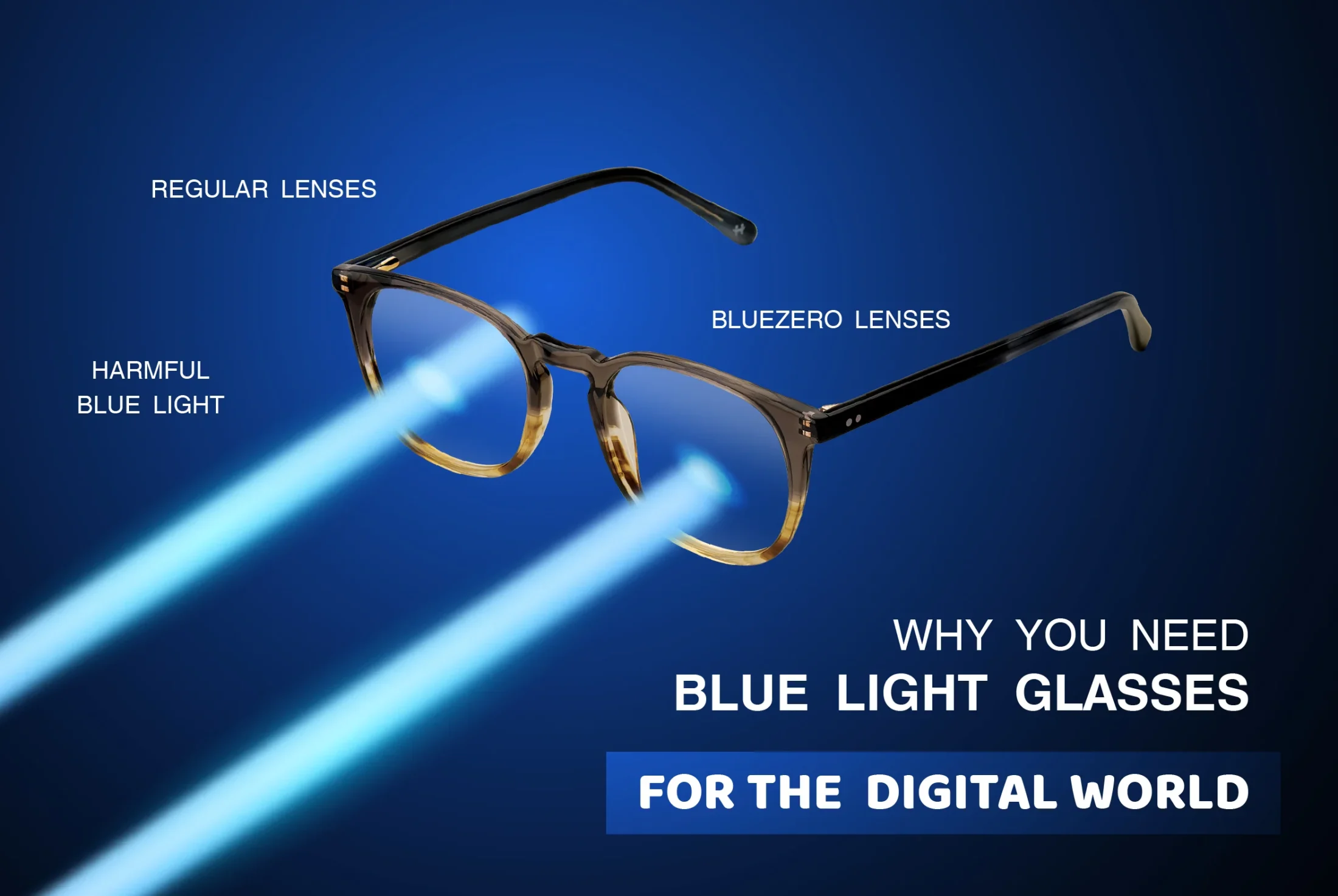
Daytime blue light blocking glasses are generally not necessary for most people, as the high-energy visible (HEV) light encountered during daily tasks is significantly lower than what is required to cause ocular damage. While they may offer subjective relief from digital eye strain for some users, clinical evidence does not support their efficacy in preventing long-term eye health issues or significantly improving digital comfort over standard ergonomic practices.
Understanding the Blue Light Spectrum
To determine the utility of daytime blue light blocking glasses, one must first understand what "blue light" actually is. Visible light exists on a spectrum of wavelengths, typically measured in nanometers (nm). Blue light sits at the high-energy, short-wavelength end of this spectrum, spanning approximately 380nm to 500nm. Because these wavelengths are shorter, they carry more energy than the longer, warmer wavelengths like red or orange.
It is important to distinguish between the two primary sources of this radiation: natural and artificial. The sun is the most significant source of blue light on Earth. When you spend time outdoors, you are exposed to blue light intensities that dwarf those emitted by digital screens. Artificial sources—such as LED monitors, smartphones, and tablets—do emit blue light, but they do so at a fraction of the intensity of the sun. The human eye has evolved to handle natural blue light exposure throughout the day; the concern regarding digital devices stems from the proximity of the screens to the eyes and the duration of exposure rather than the intrinsic "toxicity" of the light itself.
The Mechanism of Digital Eye Strain
Many consumers purchase blue light blocking glasses with the expectation that they will eliminate digital eye strain. However, medical research suggests that the fatigue people feel after hours of screen time is rarely caused by blue light alone. Instead, it is typically a result of Computer Vision Syndrome (CVS), a condition characterized by a set of symptoms including headaches, blurred vision, dry eyes, and neck or shoulder pain.
The primary drivers of CVS are:
- Reduced Blink Rate: When focusing on a screen, humans blink up to 60% less frequently than they do during normal conversation. This leads to the rapid evaporation of the tear film, resulting in dry, gritty, and irritated eyes.
- Poor Ergonomics: Viewing screens at improper distances or angles forces the ciliary muscles in the eye to overwork. The eye is naturally designed to view objects at varying distances; fixing the gaze on a static plane at a fixed distance for hours induces muscle fatigue.
- Glare and Contrast: Harsh reflections on the screen or poor lighting in the surrounding environment force the eyes to work harder to distinguish images, exacerbating physical discomfort.
Because these issues are mechanical and environmental, wearing specialized eyewear does little to address the root causes. A pair of glasses that filters blue light does nothing to encourage blinking or correct an incorrect monitor height.
Distinguishing Between Daytime and Nighttime Use
The conversation surrounding blue light glasses often suffers from a conflation of two distinct goals: productivity during the day and sleep hygiene at night. The human circadian rhythm—the internal biological clock that regulates the sleep-wake cycle—is highly sensitive to light exposure.
Exposure to blue light, particularly in the evening, suppresses the production of melatonin, the hormone responsible for signaling to the body that it is time to sleep. In this specific context, there is a clearer argument for blocking blue light. Some users find that wearing glasses that filter blue light in the 450nm to 480nm range during the two to three hours before bedtime helps them fall asleep more easily.
However, daytime use is fundamentally different. During the day, our bodies require light exposure to maintain alertness, mood, and a healthy circadian rhythm. By wearing heavy-duty blue light blocking glasses throughout the day, a user may inadvertently dampen their alertness levels. While most "daytime" glasses are clear or slightly tinted and only block a small percentage of blue light, the argument for their necessity remains weak, as the levels of blue light from screens are not sufficient to disrupt the average person’s daytime biological functions.
Scientific Evidence and Professional Consensus
Major ophthalmic organizations, including the American Academy of Ophthalmology (AAO), have stated that they do not recommend blue light blocking glasses for general use. The clinical consensus is that there is no credible evidence suggesting that digital screen blue light exposure leads to eye disease or permanent damage.
For individuals who believe they are experiencing relief from these glasses, the effect is often attributed to the placebo effect or to other physical features of the glasses themselves. For instance, many high-quality blue light glasses include an anti-reflective (AR) coating. Anti-reflective coatings are highly effective at reducing the glare from overhead lights and the screen surface itself. It is likely that users are experiencing relief from the reduction of glare, rather than the reduction of blue light. If this is the case, standard computer glasses with an AR coating would provide the same benefit without the need for blue-light-filtering technology.
Comparison of Eyewear Solutions
| Feature | Blue Light Glasses | Standard AR Glasses | Computer/Task Glasses |
|---|---|---|---|
| Primary Function | Filter HEV light | Reduce glare/reflections | Correct focus for near-work |
| Effective for Dry Eye | No | Yes (via reduced glare) | No |
| Sleep Support | Yes (if evening-use) | No | No |
| Ease of Use | High | High | High |
| Cost | Variable | Low to Moderate | Moderate to High |
When Are They Actually Useful?
While they are not a medical necessity for the general public, there are niche scenarios where blue light blocking glasses might be considered.
- Post-Surgery Recovery: In patients who have recently undergone cataract surgery or other ocular procedures, the eye may be more sensitive to light. In these instances, a practitioner may recommend lenses that provide extra protection.
- Hypersensitivity: A small subset of the population may experience photophobia or extreme sensitivity to specific light wavelengths. For these individuals, a customized tint—which may include blue light filtration—can improve comfort.
- Nighttime Shift Workers: For people who must use digital devices late at night but need to maintain a sleep schedule, blue-light-reducing glasses can serve as a tool to minimize the suppression of melatonin.
Even in these cases, the glasses should be viewed as a supplemental tool rather than a comprehensive solution.
Addressing Eye Strain Through Better Habits
If you are experiencing eye discomfort during the day, your resources are likely better spent on implementing behavioral and environmental changes that have been proven to reduce eye strain.
- The 20-20-20 Rule: This is the most effective, low-cost intervention for digital eye strain. Every 20 minutes, take a 20-second break to look at something at least 20 feet away. This forces the eyes to reset their focal length, allowing the ciliary muscles to relax.
- Optimized Environment: Adjust your lighting so that your monitor is not competing with light sources behind or in front of it. Ensure your screen is positioned about an arm's length away and that the top of the monitor is at or just below eye level.
- Blink Consciously: If you work in an air-conditioned office, the environment may contribute to dry eyes. Using artificial tear drops (preservative-free) can help keep the ocular surface hydrated during long work sessions.
- Monitor Settings: Modern operating systems offer built-in "Night Light" or "Blue Light Filter" software modes. These features adjust the color temperature of your screen dynamically. Testing these free settings before purchasing hardware is a prudent first step.
FAQ
Are blue light glasses harmful if I wear them all day? Generally, no. Wearing them is not harmful, but it may be unnecessary. If the glasses are overly tinted, they may distort colors, which can be problematic if your work involves graphic design, photography, or color-critical tasks.
Do I need a prescription to buy blue light glasses? No. Many retailers sell non-prescription "fashion" or "gaming" glasses with blue light filters. However, if you already wear prescription lenses, you can have a blue-light-filtering coating added to your next set of lenses by your optometrist.
Do blue light glasses prevent macular degeneration? There is no clinical evidence to support the claim that the blue light emitted by digital devices causes age-related macular degeneration (AMD). AMD is typically associated with aging, genetics, and lifestyle factors like smoking and ultraviolet light exposure from the sun, not screen time.
Can children benefit from blue light glasses? Pediatric ophthalmologists generally do not recommend blue light glasses for children. It is more important for children to have regular eye exams to ensure they do not have undiagnosed refractive errors and to encourage time spent outdoors, which is essential for healthy eye development.
What should I look for if I decide to buy them? If you choose to buy them, look for lenses that feature high-quality anti-reflective coatings. Ensure the glasses are comfortable and fit well. Ignore marketing claims that promise to "protect your eyes" from damage, as these are not backed by medical literature.
Final Recommendation
For most office workers, students, and digital device users in 2026, purchasing dedicated blue light blocking glasses is not a high-value investment. Your eye discomfort is almost certainly the result of environmental factors—such as poor ergonomics and reduced blink rates—rather than the light spectrum of your monitor.
Instead of buying new eyewear, prioritize improving your workspace ergonomics and strictly implementing the 20-20-20 rule. If you still find that your eyes are irritated, consult an optometrist to rule out underlying issues like dry eye syndrome or the need for a vision prescription update. If you are specifically looking for a way to improve sleep, consider using the free, built-in blue-light-filtering software on your devices rather than relying on tinted lenses.