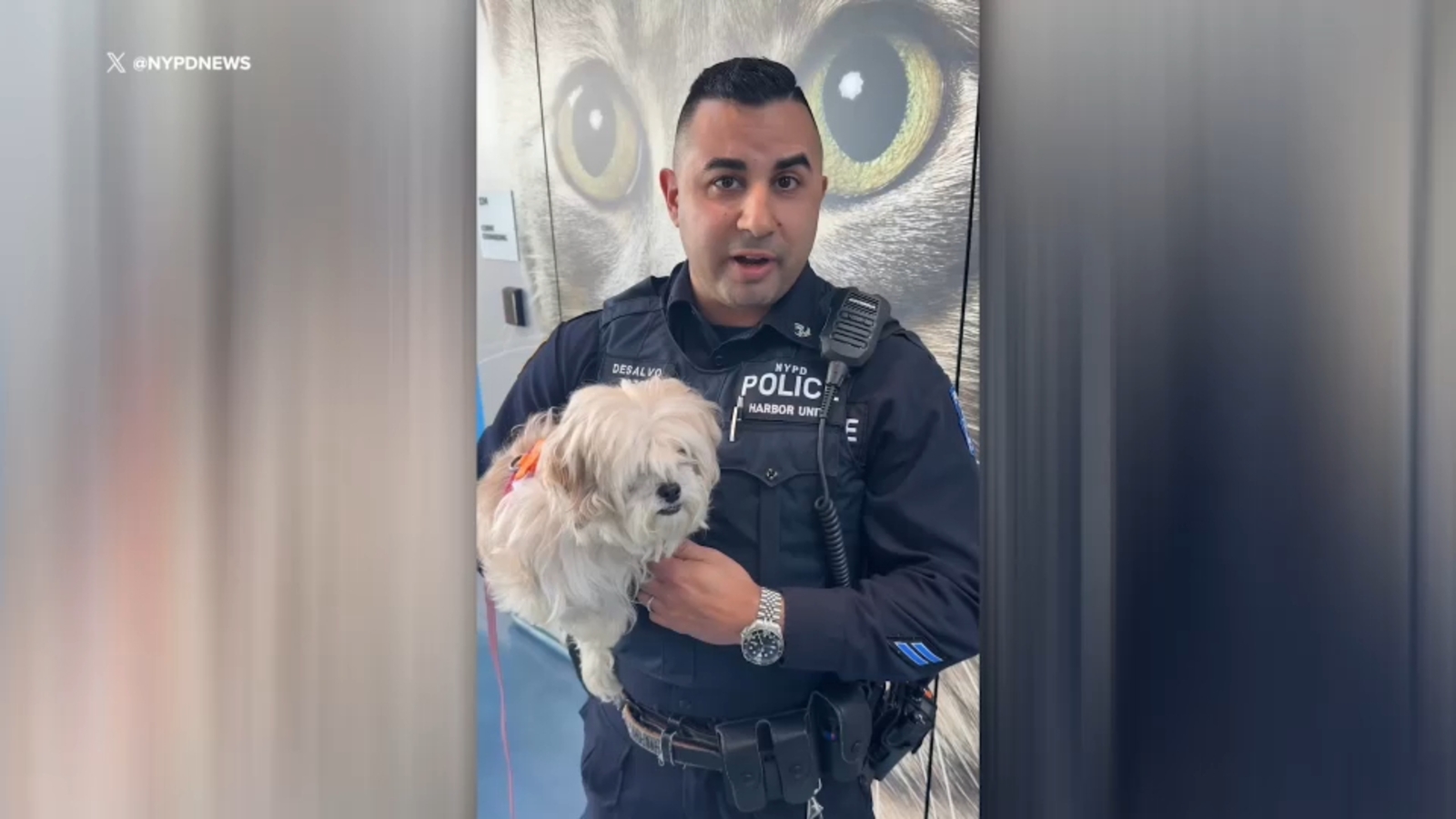
When a police officer adopts a rescue dog, the relationship often transcends typical pet ownership, becoming a vital component of the officer’s mental health and decompression strategy. This process involves selecting a dog that fits a high-stress lifestyle, navigating the logistical challenges of shift work, and building a bond based on mutual recovery and trust.
The Unique Bond Between Law Enforcement and Rescue Animals
In the world of law enforcement, the decision to adopt a rescue dog is rarely just about finding a companion. For many officers, it is a deliberate step toward emotional regulation and "turning off" the hyper-vigilance required on the job. As of 2026, the law enforcement community has increasingly recognized the therapeutic value of domestic pets—distinct from working K9s—in mitigating the effects of secondary traumatic stress and burnout.
Rescue dogs and police officers often share a parallel narrative. Many dogs in the shelter system have experienced neglect, trauma, or abandonment, mirroring the "worst-case scenario" environments that officers navigate daily. When a cop adopts a rescue, there is a profound sense of shared resilience. The officer provides the dog with safety and structure, while the dog provides the officer with a non-judgmental space where they are not "the badge," but simply a caregiver.
Tactical Decompression and Mental Health
One of the primary benefits of this adoption is tactical decompression. Law enforcement officers operate in a state of high autonomic arousal. Upon returning home, the transition to a "normal" domestic state can be jarring. Interacting with a dog—petting, walking, or even just sitting in silence—has been scientifically shown to lower cortisol levels and increase oxytocin. For a cop, a rescue dog acts as a bridge between the high-stakes environment of the street and the soft environment of the home.
Navigating the Challenges of Shift Work
The most significant hurdle for any law enforcement officer adopting a dog is the unpredictable nature of the schedule. Most police departments operate on 10-hour or 12-hour shifts, often rotating between days and nights. This can be particularly taxing for a rescue dog that may already struggle with separation anxiety or a need for a strict routine.
Strategies for Long Shifts
To successfully integrate a rescue dog into a law enforcement household, officers must have a robust support system. This is not a task that can be managed solo without significant planning.
- Professional Dog Walkers and Daycare: Many officers utilize specialized pet-sitting services that understand the "on-call" nature of the job. In 2026, many agencies have even begun partnering with local businesses to provide "first responder discounts" for pet care.
- Smart Home Integration: Utilizing cameras and automated feeders can help an officer monitor their dog’s anxiety levels during a long shift. High-definition cameras allow the owner to speak to the dog, which can soothe a pet experiencing a "spike" in anxiety.
- The "K9 Commute" Mentality: Some officers find success by treating their dog’s exercise needs as a mandatory part of their "post-shift" ritual. This ensures the dog is stimulated and the officer gets the physical movement necessary to bleed off the day’s adrenaline.
The Importance of Consistency
While the clock may change, the routine shouldn't. Rescue dogs thrive on predictability. If an officer works nights, the "morning" routine (feeding and walking) should remain the same relative to the officer's wake-up time. Establishing "anchor points" in the day—specific toys or specific walking routes—helps the dog feel secure even when the officer's hours are erratic.
Choosing the Right Rescue Dog for a Law Enforcement Lifestyle
Not every dog in a shelter is a fit for a police officer’s home. While a high-energy Belgian Malinois or German Shepherd might seem like a natural choice due to their prevalence in K9 units, these breeds often require more mental stimulation than an exhausted officer can provide after a grueling shift.
Temperament over Breed
When visiting a shelter, officers are encouraged to look for "low-arousal" dogs. A dog that is calm, resilient, and somewhat independent is often a better fit than a "velcro dog" that will suffer when the officer is mandated to work overtime.
The following table outlines common breed types found in rescues and their general suitability for the law enforcement lifestyle:
| Dog Type/Group | Energy Level | Adaptability to Shifts | Training Needs | Best For... |
|---|---|---|---|---|
| Senior Dogs (Any Breed) | Low | High | Low | Officers looking for a "couch potato" companion after long shifts. |
| Labrador/Golden Mixes | Medium | Moderate | Moderate | Families where the officer has support from a spouse or partner. |
| Greyhounds/Sighthounds | Low-Medium | High | Low | Officers living in apartments who need a dog that sleeps most of the day. |
| Bully Breeds/Staffies | Medium-High | Moderate | High | Officers committed to rigorous training and physical activity. |
| Herding Breeds (GSD/Malinois) | Very High | Low | Very High | Experienced handlers who want a "hobby" dog for off-duty sports. |
The Integration Process: The 3-3-3 Rule
Adopting a rescue dog requires patience, a trait that can be tested when an officer is sleep-deprived. Law enforcement families should adhere strictly to the 3-3-3 Rule, which defines the milestones of a rescue dog's transition.
- The First 3 Days: The dog will likely feel overwhelmed. They may hide or refuse to eat. For an officer, this is the time to provide a "decompression crate" and a quiet environment—avoiding the urge to show the dog off to colleagues or friends immediately.
- The First 3 Weeks: The dog begins to settle in. This is when "test" behaviors might emerge. Consistent boundaries are vital here. Officers are often naturally good at setting boundaries, but it's important to use positive reinforcement rather than the "command-and-control" style used in tactical situations.
- The First 3 Months: The dog finally feels a sense of security and builds a true bond with the officer. At this stage, the dog’s true personality emerges, and the routine of the household becomes second nature.
Legal and Departmental Considerations
Before bringing a rescue dog home, an officer must ensure there are no departmental conflicts. While most agencies encourage pet ownership for wellness, certain specific situations require scrutiny.
Living with a Working K9
If the officer is a K9 handler, adopting a personal rescue dog requires extreme caution. Working police dogs are often high-drive and territorial. Introducing a "civilian" rescue dog into a house with a working K9 requires professional consultation and often a period of total separation (crate-and-rotate) to ensure the safety of both animals.
Liability and Breed Restrictions
Officers often live in communities with specific Homeowners Association (HOA) rules or insurance restrictions regarding certain breeds (often referred to as "bully breeds"). Even as a member of law enforcement, an officer is typically not exempt from these civil contracts. It is essential to verify that the rescue dog does not violate local ordinances or insurance policies before the adoption is finalized.
Training for the "Off-Duty" Life
One common mistake officers make when adopting a rescue dog is applying "police dog" training standards to a "pet" dog. A rescue dog may have a history of abuse that makes them sensitive to loud voices or physical corrections.
The Shift to Positive Reinforcement
Modern veterinary behaviorists recommend positive reinforcement for rescue animals. This involves rewarding desired behaviors rather than punishing unwanted ones. For an officer used to the high-intensity training of a police academy or K9 unit, this shift in mindset can be therapeutic. It forces the officer to practice patience and empathy—skills that are also beneficial in community policing.
Socialization and the Public
Because police officers are public figures, their dogs often encounter the public more than average pets. Whether it's meeting neighbors while in uniform or having fellow officers over for a gathering, the rescue dog must be socialized to handle people in various states of dress and equipment. A dog that reacts negatively to a uniform or a duty belt needs specialized "counter-conditioning" to ensure the home remains a safe space for everyone.
Resources for First Responders Adopting Pets
Several organizations recognize the importance of the human-animal bond for first responders. In 2026, programs like Pets for Vets and various local "Blue PAWS" initiatives provide financial assistance, training support, and waived adoption fees for law enforcement officers.
- Financial Assistance: Some non-profits offer grants to cover the initial veterinary costs for officers adopting senior or special-needs dogs.
- Training Scholarships: Professional dog trainers often provide discounted "Board and Train" or private lessons for LEO households to ensure a smooth transition.
- Peer Support: Many departments now have "Peer Support K9s" (facility dogs), but they also encourage peer groups where officers can discuss the challenges of pet ownership and stress management.
Frequently Asked Questions
Can a police officer adopt a dog if they work 12-hour shifts?
Yes, but it requires a plan. An officer working 12-hour shifts should not leave a dog alone for the entire duration. Utilizing dog walkers, neighbors, or "doggy daycare" is essential. Additionally, choosing a breed or an older dog with lower energy levels can make this schedule more manageable.
Should I tell the shelter I am a police officer?
Absolutely. Many shelters have "First Responder" programs that may waive fees. More importantly, shelter staff can help match you with a dog that is comfortable around uniforms and equipment, and they can provide a dog that matches the specific "quiet home" environment most officers desire.
What if my rescue dog is afraid of my uniform or gear?
This is common. The "silhouette" of an officer in gear—including the vest and duty belt—can be intimidating to a dog with a history of trauma. Use "desensitization" by leaving your gear in a neutral area where the dog can sniff it, and reward the dog with high-value treats whenever they are calm near your uniform.
Can a rescue dog become a certified Service Dog for PTSD?
While some rescue dogs have the temperament to become Service Dogs, it is a rigorous process. A "Service Dog" is legally defined under the ADA and requires specific training to perform tasks. Most rescue dogs serve better as "Emotional Support Animals" (ESAs) or simply as companions, providing significant mental health benefits without the need for formal public-access certification.
How do I handle a rescue dog if I am called into a "forced overtime" situation?
Always have a "contingency walker." This is usually a trusted friend, family member, or a professional service that has a key or code to your home. In the law enforcement world, having a "backup" for your pet is just as important as having a backup on a call.
Practical Recommendation for Next Steps
If you are a law enforcement officer considering adoption, start by contacting your department's wellness coordinator. They may have list of local shelters that work specifically with first responders. Before visiting a shelter, honestly assess your "off-duty" energy levels. If you spend your weekends hiking, a young, active dog may be perfect. If you prefer to decompress by resting, look for a "senior" dog (age 7+). Finally, ensure you have your "pet backup" system in place—a trusted person who can check on the dog if you are stuck at a scene or working an extended shift. Adopting a rescue is a commitment to saving a life, but for a cop, it is often the dog that ends up doing the saving.